September 07, 2014
Debunking the false "Drugs abd Alcohol" mantra
Mark Kleiman is a Professor of Public Policy at UCLA; he has long specialized in drug policy and has achieved a position of considerable prominence by claiming to be a moderate, while really taking a position that fully supports our lunatic drug war. Ironically, he came to my attention early in my own career as an activist opposing it. As I've mentioned before, it was an Op-ed on meth that Kleiman– then at Harvard– co-authored with psychiatrist Sally Satel in 1995 that brought him to my attention. While I've yet to meet Dr. Klieman, I've kept track of his maddeningly disingenuous position on American drug policy over the years and have marveled at how uninformed it is– particularly on the subject of marijuana. In a nutshell, he takes Richard Nixon's Controlled Substances Act seriously and thus considers use of marijuana and alcohol to be synergistic, while– in fact they are antagonistic, a common error stressed ad nauseam by "antidrug" ads on TV that inevitably link "drugs and alcohol"In fact, chronic pot smokers do not drink much. The late Dr. Tod Mikuriya published about a "substitution" effect; what my more recent interrogation of users uncovered was the mechanism by which that happens. It's first necessary to reject another false assumption: the "age of consent" at which youngsters are allowed to drink (21) or use tobacco (18) legally are observed by most. To the contrary, the more emotionally troubled pubescent teens are, the more they feel impelled to experiment with drugs. Alcohol and tobacco are usually the first two because they are both "legal' and thus more available, but cannabis has been a close third since the Sixties.
Although exact figures are hard to come by, it's no secret that most youngsters start experimenting with cigarettes and alcohol at age twelve, or even younger. What my data show, however, is that the most common consequence of becoming a repetitive pot user is that interest in alcohol is quickly reduced and those who were already smoking cigarettes begin trying to quit. Rather than a "gateway" into drug use, cannabis is a gateway out of problematic use.
The reason has to do with the most obvious therapeutic effect of inhaled cannabis on those who respond to it: it's a feeling of "relaxation," that comes from feeling more comfortable in one's own skin.
As it turns out, the same provocative factors that operate in childhood to impel prepubescent youngsters to try drugs lead them to try the most available first: cigarettes and alcohol since 1900 and before, and cannabis since the early Sixties.
Unfortunately smoking is the quickest way for any psychoactive agent to reach the brain and watching youngsters smoke is an almost universal turn-off for adults. For that reason, even after cannabis is "legalized," a more acceptable delivery system will have to be found for it to become as accessible as will be needed.
Suffice it to say that there are some interesting developments that promise to revolutionize both the acceptance and use of cannabis.
More on those developments soon.
Doctor Tom
Posted by tjeffo at 01:16 AM | Comments (0)
August 25, 2014
The Long Term Efects of a Police Shooting
My voluntary editing of an online newsletter devoted to America’s “Drug War,” for the four years between 1997 and 2001 provided me with an intense education in the injustice that had become so intrinsic to American policy shortly after passage of Richard Nixon’s Controlled Substances Act of 1970. While the policy had never been an intelligent response to the problems posed by addiction, Nixon’s contribution literally turned what had been disaster into a global catastrophe so progressive that it ranks high on the list of imminent dangers now threatening our feckless species; many of which may have seemed like good ideas at the time.My antipathy toward police had its beginning with the shooting of a 22 year old African immigrant named Amodou Diallo in the Bronx by four NYC policemen on February 4, 1999, when they riddled him with 19 shots– simply because he ran from them to seek refuge in the vestibule of his apartment. Diallo had reason to run; he was black; an illegal immigrant from Guinea who was making a precarious living as a street vendor. He was also unarmed. The cops were all white and in civilian clothes. They were members of an elite Street Crime Unit that had been created by then-Mayor Rudy Giuliani (and was subsequently disbanded because of multiple charges of excessive force). At the time, the story of Diallo’s slaying enraged so many citizens that all four shooters were arrested and charged with murder. After a motion for change of venue was granted, the trial was moved to Albany and all four were acquitted. Only one– Kenneth Boss– remained on the force but was forbidden to carry a gun. That restriction proved so intolerable that he sued the City three times to have it rescinded.
Finally, in 2012 his persistence was rewarded and his right to carry a gun was restored by Police Commissioner Ray Kelly. Of considerable interest to me was the reference to Ms Diallou's friend, Ms Bah, whose mentally disturbed 28 year-old son had been shot by NYC police in a setting that was eerily similar to their killing of Amadu Diallo in 1999.
Is there a pattern to these fatal shootings? What a stupid question. The only ones who doubt it are red state Republicans, police officials, and overbearing meat heads like Sean Hannity.
Doctor Tom
Posted by tjeffo at 06:30 PM | Comments (0)
August 22, 2014
A Suspicious New Claim
This morning, a new claim was made on behalf of Officer Darren Wilson, the man who killed an unarmed black teen named Michael Brown in Ferguson, Missouri, an event that has provoked a degree of unrest and interest that is almost unprecedented. In brief, it's the unsubstantiated claim that Officer Darren Wilson, the policeman named as Brown's killer, sustained an orbital blow-out fracture just before he shot Brown. If so, it would be powerful mitigation of the claim that the shooting was either unprovoked or motivated merely by the theft of a box of cigars.Blow out fractures are well known; they are produced by direct trauma to the eyeball and its surrounding bony orbit. They are often complicated by troublesome double vision (diplopia) from the herniation of a small fat pad that supports the eyeball and which usually requires surgical correction. Such an injury would constitute such a powerful rebuttal of the claim that Wilson's killing of Brown was either unprovoked or motivated merely by the theft of a box of cigars that its delayed release is- at the very least– highly suspicious.
A blowout fracture would also be expected to produce a black eye, noticeable misalignment of the eyeballs and x-ay evidence of a fracture, all of which are objective and, by themselves, would have at least mitigated the growing unrest.
Given the abundant evidence that similar shootings of young males by US police have become remarkably common, further developments in this case should continue to be of great interest. To see a list of this month's shootings, simply clicking on "August" in the drop-down menu for 2014 will reveal the known details on the 46 such events (including Michael Brown's) that have been listed so far this month. Most of the HTML links to media sources are live.
Doctor Tom
Posted by tjeffo at 06:41 PM | Comments (0)
August 20, 2014
Nixon's Impact on the Modern World 1
It may come as a surprise to many, but the modern American President who has had the biggest impact on the contemporary world is almost certainly Richard M. Nixon, the least respected and the only one ever forced by his own dishonesty to resign.Nixon did accomplish a lot in his six years in the White House, most of it was through ad-hoc measures that were not carefully thought out, but are still affecting us adversely. A good example was his unilateral decision to take the US off the gold standard, thus changing a multinational policy that had been adopted at the Bretton Woods Conference in New Hampshire in the immediate aftermath of World War Two and had been working reasonably well.
The consensus is that Nixon's move encouraged OPEC to raise oil prices and brought about the first "oil shock" in 1973. A second "oil shock" followed in 1978.

In 1971, Nixon tried to force North Vietnam to make concessions in Geneva by ordering the secret bombing of the Ho Chi Minh trail, a campaign that not only failed to discourage its use to transport supplies and reinforcements to South Vietnam, but left behind a plethora of unexploded anti-personnel weapons that continued to kill and maim children decades after America was forced to withdraw its forces in an ill-advised war.
Neverteless, Nixon's greatest crime against humanity should eventually be seen as the "War on Drugs" he committed us to with the Controlled Substances Act of 1970, a transparently dishonest piece of legislation that– unaccountably– continues to be enforced as both US and UN policy despite its universal record of failure and generally disastrous consequences.
For anyone who doesn't understand the futility and evil consequences of establishing illegal markets under police control, I can only recommend that they study the failure of the 18th Amendment and explain how its emulation has been either a success or good policy.
Doctor Tom
Posted by tjeffo at 04:30 PM | Comments (0)
August 07, 2014
A Brand New Concern
For some time, I've been frustrated by the fact that my country is the source of a failing global policy of drug prohibition; also that the species I'm a member of had been endorsing that policy for decades, despite its obvious record of failure.Today I'd planned to post more analysis of the nuclear threat we humans had somehow avoided during the 50 year Cold War we'd been engaged in with the now-defunct Soviet Union. However, a more pressing existential threat has just come up: an outbreak of the Ebola virus in West Africa that has already claimed about 2000 lives and been disseminated to both Europe and the US in the form of sick patents being transported for treatment.
Whatever risk was implicit in breaking the quarantine of Ebola within Africa had thus been taken by the humanitarian decision to fly two Americans to Atlanta and a Spanish priest to Spain for treatment. It's unlikely that any quarantine would have held, in any event
That's not to say that "Marijuana" prohibition is any less ridiculous today than it was yesterday; only that the threat of globalized Ebola is much more immediate and deserves precedence.
As it happened, I'd read Richard Preston's gripping description of Ebola about ten years ago. It convinced me we'd be hearing about the Ebola virus again. The strain Preston wrote about was eventually found to infect only monkeys; not humans– but the collateral information he supplied in his detailed analysis left little doubt that Ebola, like Anthrax and Smallpox, would not disappear spontaneously.
The timing for the emergence of human Ebola couldn't be worse. Not only is our overheated, overpopulated home planet trying to cope with the mystery of two missing airliners; we have an existential viral threat as well.
Beyond that, the decision to treat three known human cases outside Africa violated the most basic rules of quarantine for a disease we know relatively little about. However, that risk had already been taken; not just in the US, but in Europe and is believed by experts to have been minor.
The good news is that we should begin to have some answers in the next 8-31 days, which seems to be the incubation period for Ebola in humans.
The bad news is that West Africa was the same place where another unknown virus HIV/Aids emerged less than 40 years ago.
Doctor Tom
Posted by tjeffo at 08:59 PM | Comments (0)
August 05, 2014
The Bomb and the Boom: Part One
We are now in the midst of an important anniversary, the first-ever use of atomic energy as a weapon of war in August 1945. So much has happened in the intervening 69 years that relatively little attention has been focused on the critical events that transpired between August 6th and 9th 1945 to bring about the sudden end of the Second World War– but at the cost of releasing the nuclear genie from its bottle. That nuclear energy would have been discovered sooner or later is almost certain but the important point is that the decisions to develop and use it were motivated by World War Two and were among the more critical ever made by our species.Thus it may be worthwhile to review them in some detail. It's clear that the humans who made them were acting under duress, a situation that hasn't changed significantly despite the rapid technological progress and population growth of the past seven decades.
Aside from the 2nd World War itself, perhaps no demographic phenomenon did so much to shape our modern world as the Baby Boom that began abruptly in 1946. If one takes live births as a critical measure of national fertility and realizes that children have not only to be conceived, but also desired by their parents, one can readily understand that for families suddenly thrown on hard times by the Great Depression, the prospect of another mouth to feed would have been most unwelcome. Although abortion was then illegal, it was also reasonably safe and much less expensive, over time, than another child in a stagnant economy where living space was already being squeezed to the max and families were making do on fewer calories and a minimum number of low-paying jobs.
We will probably never have reliable statistics on how many abortions were performed in the US during the Thirties but the number of live births in America hit its lowest point in January 1932, the month I was born. They remained depressed until 1946, when there was a sudden sharp jump; 30% over 1945. Births then hit a sustained rise that lasted through 1964, thus producing the "Boom" that is still having consequences that require analysis and understanding.
Clearly, the monetary woes of the Great Depression were banished by World War Two, there was employment for millions in the war effort and the government was printing money as never before, but the war hadn't relieved the ambient anxiety. Quite the opposite: we were suddenly locked into a global, existential struggle for survival with multiple enemies in a war of unprecedented scope and magnitude. The opponents were similar to World War One, except that a Communist Soviet Union had replaced Tsarist Russia and become a difficult ally, while Italy had joined the the Axis under Mussolini. France had fallen, requiring a massive invasion of Western Europe and an extended campaign in North Africa. The US had become the most important of the "Allies" and the only one capable of bearing the burden of a two ocean war. The Nazis had remained formidable opponents until Hitler's suicide on April 30, 1945 led to a sudden German collapse.
The remaining Axis combatant was Japan, the nation that had shocked and enraged America with its brilliantly conceived and executed "sneak attack" on Pearl Harbor in December 1941. Not only were they still fighting, the invasion of their home islands was a foregone conclusion and expected to be even more daunting than the invasion of Europe and North Africa. The geography alone was formidable: Japan is a 1000 mile archipelago featuring four mountainous volcanic islands, then populated by upwards of 73 million people, all purportedly committed to a quasi– religious Bushido Code that preferred death by suicide to the dishonor of surrender.
Fortunately, the Western allies– and the Japanese people– were spared the uncertainty and trauma of invasion by Harry Truman's decision to use two secretly developed "Atomic" bombs on Japanese cities: a uranium device on Hiroshima on August 6th and a plutonium version on Nagasaki three days later. Truman's decision– and its aftermath– have since been the subject of intense debate- much of it woefully uniformed– for the past sixty–odd years. I say "uninformed" because any realistic analysis based of what Truman knew, along with what he learned after the responsibility for leading the Allies had been thrust upon him by Roosevelt's sudden death in April 1945 would lead any reasonable person to do almost exactly what Truman did.
First of all, it was by then an American War on the "Allied Side"; we were heavily engaged in both the Atlantic and Pacific and had dominated since North Africa. We'd also been primary everywhere but Russia, (yet still supplied Stalin with critical assistance). Truman was a relatively unknown political figure, thrust by fate into the very center of responsibility at a critical time in US history. The man who had been leading the nation for thirteen years through the Depression and the war had just died suddenly, leaving him in charge. He'd also just been informed that FDR, that same leader, had– in 1942– taken a huge gamble by diverting over two billion dollars to develop a secret weapon no one could be sure would even work.
The success of Roosevelt's gamble was then confirmed on July 15th when when the Trinity test in the New Mexico Desert proved the Plutonium bomb would explode and assuaged the fears of some insiders (Enrico Fermi among them) that it would produce an uncontrolled chain reaction.
Thus how could Truman opt for a costly and bloody invasion of Japan when he'd just learned that we now possessed a new bomb that could end the war in a day or two?
As it would turn out, that's what actually happened– although not through a set of circumstances anyone on the US/Allied side could have predicted: Emperor Hirohito, who at that time, had greater personal power over Japan than anyone in history was the only leader who could have forced their surrender– became persuaded by the Nagasaki bomb to overrule his military advisers for the first time since Japan had embarked on a war of conquest against China following the Marco Polo Bridge incident.
In other words, Hirohito, Japan's supreme ruler, who was (properly) considered by many to have been a war criminal, was Truman's opposite number: the only man in the world with the power to end Japan's participation in the war, and– as a bonus– secure its cooperation during the critical post war occupation. That his views had been radically changed by the Nagasaki bomb is demonstrated by the fact that he overruled his military advisers for the first time since Japan had embarked on its course of conquest and also recorded his famous surrender broadcast.
Finally, to those who claim that Truman had a realistic alternative to use of the bomb, I would offer the carefully reasoned assessment of Karl Compton, a thoughtful contemporary observer who took the trouble to question influential Japanese leaders soon after the event.
Given all that has happened since August 1945, especially the Cold War between the US and Russia and the arms race it engendered, the fact that the Nagasaki bomb was the 2nd and last time a nuclear weapon was used in time of war is almost miraculous.
Unfortunately, posturing in the Ukraine and elsewhere tells us that "Nuclear Chicken" is still very much on the menu for would-be world "leaders."
Will we ever learn that the the most reasonable goal in human life is not "winning," but survival in the hope of improving the lot of our species?
Doctor Tom
Posted by tjeffo at 01:40 AM
September 11, 2012
Help from an unexpected Source
No sooner did I lament the lack of political attention to my favorite issue in the last entry than Paul Ryan became the first major party candidate to mention medical marijuana. Not only that, he did so almost positively. Not personally, mind you, but from from a states rights perspective. What was he thinking? Doesn't he realize that his running mate is obligated to be decisively anti-pot? Hasn't he done his home work?Ryan's gaffe even came with a bonus; it strengthened Obama's chances of re-election.
So far, the early media response has been muted, timid, and confused. No surprise there. They are so used to being DEA lap dogs they don't know how to speculate intelligently about such a taboo subject; even when it's been raised by a major candidate. It should be interesting to see just how the pot issue, once raised, is dealt with by both the media and the Democrats, neither of whom are distinguished by their honesty or curiosity about America's most indefensible and destructive policy.
Nearly as interesting for me will be how effectively my colleagues in the "reform" movement will be able to get their own act together. Will they finally be able to get the ball rolling?
It's a golden opportunity.
Doctor Tom
Posted by tjeffo at 06:41 PM | Comments (0)
June 08, 2012
A Sample of Reality yet to Come?
Yesterday, quite by accident, I discovered Marihuana and the Cannabinoids, a book edited by Mahmoud A. El Sohly, PhD while searching the web. What caught my interest at first was the author's name; I knew Dr. El Sohly to be the director of the “Marijuana farm" operated by the federal government in Oxford, MS. In fact, it’s the only completely legal “grow” in the nation. To my surprise, I was also able to copy and paste large segments of text directly into a word processor without the need to OCR an image, thus I decided to ignore the publisher’s strict injunctions against copying. I was also motivated by the price of the electronic version: $143.00!Here's the Preface:
"Although primarily used today as one of the most prevalent illicit leisure drugs, the use of Cannabis sativa L., commonly referred to as marijuana, for medicinal purposes has been reported for more than 5000 years. Marijuana use has been shown to create numerous health problems, and, consequently, the expanding use beyond medical purposes into recreational use (abuse) resulted in control of the drug through international treaties.
Much research has been carried out over the past few decades following the identification of the chemical structure of THC in 1964. The purpose of Marijuana and the Cannabinoids is to present in a single volume the comprehensive knowledge and experience of renowned researchers and scientists. Each chapter is written independently by an expert in his/her field of endeavor, ranging from the botany, the constituents, the chemistry and pharmacokinetics, the effects and consequences of illicit use on the human body, to the therapeutic potential of the cannabinoids." (emphasis added) Mahmoud A. ElSohly, PhD
It reads to me like the beginning a ludicrous attempt to put the best possible face on America’s failed “marijuana” policy as it evolved from Anslinger’s 1937 Marijuana Tax Act through the Mitchell-Nixon Controlled Substances Act of 1970, while completely missing the real reason for its popularity (that it was a better anxiolytic that any produced by Big Pharma) and ignoring all the nasty pot-specific extra cruelties tacked on at intervals by a frustrated Congress.
For Josef Goebbels to be magically resurrected and attempt to rewrite the entire WW2 history of Germany under the Nazis, would certainly be more traumatic emotionally, but hardly more audacious or contemptuous of the truth.
Or is there some other explanation I'm not getting?
Yet to be answered are some key questions raised by this book: does the DEA know about it? Congress? The Executive Branch? The Supreme Court? What might this mean in terms of contemporary enforcement of the CSA? or the status of the current enforcement bureaucracy?
Also, where has the nation's press been since this book was published over five years ago?
Doctor Tom
Posted by tjeffo at 10:36 PM | Comments (0)
April 14, 2012
Annals of Federal Delusion
A common delusion of several US federal agencies has been slowly, albeit erratically, exposed since California voters defied conventional wisdom by approving Proposition 215 in 1996: namely that arresting enough violators of the Controlled Substances Act should “control” the illegal markets it has produced and thus make us all safer and healthier. In other words, the CSA is simply tough Public Health, as practiced by Law Enforcement. What makes that belief delusional is the failure of those who support it to recognize that it's simply Prohibition by another name. Those of us capable of critical thinking know how spectacularly the "Noble Experiment" flamed out; that there are so many humans apparently incapable of critical thinking comes as a bit of a surprise, but should be obvious to anyone paying even a modicum of attention to the Republican Presidential "debate."The concept of how to redefine drug prohibition as the CSA was born in the fertile brain of John Mitchell in 1969; it soon earned the approval of Richard Nixon and was promptly passed as the Controlled Substances Act of 1970. Next, it was successfully defended against any modification when Nixon summarily buried the Shafer Commission report in March 1972. The next steps on the road to policy disaster were critical: creation of two entirely new agencies by Executive Order. The first, in 1993, created the DEA as a dedicated federal police force to enforce what amounted to a new prohibition. The second Executive Order in 1994 was truly diabolical it created NIDA as another dedicated agency charged with articulating and protecting the policy's (non-existent) "scientific" theory, a move that has had debilitating consequences for Psychiatry and the Behavioral Sciences for over four decades.
Given its provenance, the CSA’s failure as legislation should not surprise us; on the other hand, its continued ardent support by a substantial minority of Americans is critically important to understand; as is its acceptance as reasonable global drug policy (via UN Treaty) by the an overwhelming majority of nations on our troubled planet. Tangible proof of that acceptance: even a small personal “stash” of cannabis will result in a traveler’s arrest in virtually every international port of entry.
Narrowing the balance of this essay to the US, my systematic questioning of cannabis applicants reveals some important contradictions in the basic assumptions made by federal policy. One of the more cherished is that any drug that has to be “smoked” can’t possibly be medicine, an idea specifically articulated by the FDA on April 20, 2006.
That it was simply a press release, suggests it was pure propaganda; beyond that, its release on an April 20th, suggests a not-so-subtle dig that went over the head of the mainstream media that dutifully reported it as “news.”
However, a consideration that has become important to me, one revealed only by my questioning of users, is that there are significant differences between smoked "marijuana" and "edibles." Also that those differences are both clinically important and have not been adequately addressed by either side in the largely rhetorical "debate" that's been in progress since 1996.
I now think I've differentiated both the important therapeutic differences and the physiologic reasons behind them sufficiently to describe them in some detail and speculate about the reasons they haven't been addressed by either side in the "debate."
Doctor Tom
Posted by tjeffo at 10:56 PM | Comments (0)
March 18, 2012
Annals of Persistent Futility
One need not be an economist to understand that only governments can create criminal markets; also that whenever desired products or services are made illegal, a potentially robust criminal market is created automatically. That reality as old as prostitution. The "oldest profession," although illegal in most countries, it exists virtually everywhere. Often responsible for spreading disease, and preyed upon by pimps, customers, and police; its workers may also be protected by the wealth or influence of their clients. Thus prostitution has evolved into a complex, multilevel industry in "advanced" nations. However, even when "decriminalized," a stigma remains, and prostitution's harmful consequences are only mitigated, rather than "cured."Recent American attempts at prohibition have been directed at two "substances," alcohol and "drugs," which until recently, had not even been thought of as in the same category. Although it was a mainstay of Colonial American commerce, the damage produced by excessive consumption of alcohol led to a Temperance Movement by the 1830s. During the balance of the 19th Century several state prohibition laws were passed, primarily in Midwestern states, but all were eventually undone by smuggling from adjacent "wet" states. That pattern encouraged the Anti Saloon League to adopt Constitutional Amendment as a new strategy in 1893 in the belief that a national law would have a greater chance of success. The Eighteenth Amendment was finally passed in 1918 and went into effect in January 1920; the idea that it would lead to national sobriety quickly proved delusional. Although the failure of Prohibition had been obvious to many from its inception, the federal government has never formally admitted that reality; even after a novel Repeal Amendment passed in 1933. Beyond that, the economic woes of the Great Depression may have helped obscure the historic necessity of Repeal.
Despite its relatively brief duration, the "Noble Experiment" generated several adverse consequences that have become part of American Culture. Perhaps the worst was the transformation of localized crime into a National Industry, one that received another break when the federal agency that should have become its nemesis (the FBI) became controlled by J. Edgar Hoover, a Director whose human weaknesses allegedly allowed the Mafia to blackmail him into denying its existence for decades. Thus the Thirties witnessed the growth of protection rackets, illegal gambling, and union corruption; all of which helped replace the criminal funding lost when alcohol was "legalized" by Repeal.
World War Two added to the Mafia's coffers by adding black markets for goods rationed because of wartime shortages. The power of the mob was also demonstrated by the deal Lucky Luciano allegedly made from his prison cell after the French Liner Normandie mysteriously caught fire and burned shortly after docking in New York.
Thus it's clear that the failed "Noble Experiment" triggered a cascade of adverse long term effects. Ironically, Harry Anslinger, the federal bureaucrats appointed to head the FBN in 1930, benefited from the same tactics J Edgar Hoover used used to protect his FBI. That America's founders would have been pleased by the federal police agencies the two bureaucrats worked protect is as unlikely as it is unknowable.
The surviving American policy of prohibition is expressed as the invidious War on Drugs, now enforced under the Controlled Substances Act of 1970. Its euphemistic invocation of "control" can't put lipstick on the prohibition pig, no one will mention, nor can it transform its increasingly costly policy failure into a "success."
Whether that reality will be appreciated quickly enough by enough citizens to bring about much needed change is not at all certain; it seems more likely that denial will continue to characterize our species' uncertain future while obscuring recognition of its all-too obvious dangers.
Doctor Tom
Posted by tjeffo at 05:14 PM | Comments (0)
March 02, 2012
Humanity and the Illusion of Progress
The Impact of Scientific ThinkingSince the advent of empirical Science five or so centuries ago, our species has made spectacular progress in its attempts to understand and control its environment. Unfortunately that progress can now be seen to have been rather uneven: too much of the former and not enough of the latter. The most obvious result of our rapidly evolving technological prowess is a corresponding increase in the number of humans now inhabiting the planet; unfortunately, it's also likely that a majority are less content and more worried about their future than ever.
The reasons for that population explosion and its attendant discontent are both multiple and complex; my own opinion is that it's related to an evolutionary flaw in the development of the human brain, our organ of survival and cognition, which is also the source of the new ideas that have been impacting our planetary ecology at a progressive rate. The glitch I have in mind is the parallel evolution of our brain's emotional and cognitive centers, both of which had survival value and were thus retained in such close physical and synaptic proximity that an immediate emotional response to any cognitive stimulus ultimately became the human default, a concept first articulated by American neurologist Paul McLean in postulating the Triune Brain.
Pressure from Recent Developments
It's now generally accepted that the universe (cosmos) is more vast and timeless than could have been imagined even a few centuries ago; there's also increasing evidence that the survival of all species, including our own, has been shaped by unpredictable evolutionary processes that have been determining the survival of myriad complex organisms for at least 500 million years, a time span most humans still find either very troubling or impossible to believe. In any event, this rapidly accumulating flood of new information casts considerable doubt on still-extant religious beliefs in an omniscient deity primarily focused on individual human behavior.
The speed with which new scientific discoveries are forcing our species to confront complex and generally unwelcome ideas can be appreciated from the fact that the Darwinian intuition that led to the concept of evolution occurred less than 150 years ago and was validated relatively quickly; first, by Mendel's systematic studies of what came to be known as genes (although he would have disagreed with Darwin, had they ever met). After the structure of DNA was disclosed in 1953, progress became especially rapid; most educated people now have at least a nodding acquaintance genetic engineering, and the mapping of genomes. Some of the less predictable uses of DNA have tracking human migrations from Africa, and the positive identification of individuals, even down to providing unequivocal proff that we avenged 9/11 by assassinating Osama Bin Laden in Pakistan last May.
In stark contrast to those achievements, we have not learned to live in harmony despite the obvious danger that our disagreements, when magnified sufficiently, can easily lead to war, or that war in the nuclear age runs the risk of nuclear winter. Although doubted by skeptics, the nuclear winter hypothesis was (fortunately) not tested by an exchange of missiles when the actual danger had been greatest. For what it's worth, some confirmatory evidence was supplied by the eruption of Mount Pinatubo.
Perhaps the most important thing we can learn from recent history is how lucky we have been as a species to have flirted with disaster and been spared. I hope our good luck continues.
Doctor Tom
Posted by tjeffo at 04:47 PM | Comments (0)
February 26, 2012
Anxiety, Dishonesty, and "Criminal" Drug Use
Our species’ biggest problems are our intrinsic anxiety and dishonesty, which often combine in political and other leaders as a quest for monopoly, the need to dominate whatever commercial, academic, or political venture they are engaged in. Although not fully expressed in everyone, that same need to control has often been prominent in charismatic leaders, who, through control of governments or important organizations, have exerted great impact by recruiting dedicated followers (Hitler and Gandhi are familiar examples, but there are many others).Following the evolution of an effective Scientific Method roughly five centuries ago, the ability of governments to feed their populations, fabricate weapons and sponsor the invention of complex devices generated wealth and greatly enhanced the pace of “progress.” Unfortunately, those increased abilities were usually not accompanied by a matching increase in wisdom and restraint.
The human need to “control” has also increased human wealth, food supply, and population, especially during the Twentieth Century. Despite the record numbers killed by war, famine, epidemics, and natural disasters, the Earth’s human population increased four-fold during that hundred years and was, if anything, more politically unstable in 2000 than it had been in 1900; Ironically, not by wars between the “isms” that had struggled for dominance between 1919 and 1989, but resurrection of the religious differences that produced the Crusades in the Eleventh, Twelfth, and Thirteenth Centuries. The intensity of the residual hatred became apparent in 2001, when Muslim terrorists emulated Palestinian suicide bombers and Japanese “Bushido” warriors by combining hijacked Airliners with suicide in a devastating simultaneous attack on America and its economy.
Unfortunately, America’s own unsuccessful 14 year experiment with “Prohibition” of alcohol between 1920 and 1933 had inspired the rapid development of organized crime, which has since invaded other markets and institutions to a considerable degree. By 2000 we could boast the world’s most populous jail and prison populations, largely based on the federal bureaucracy’s conviction that arresting and incarcerating large numbers of “drug criminals” is good Public Health, to be preferred to actually understanding drug use as human behavior.
My own interest, and the source of much of my information, has grown directly from the unexpected opportunity provided by Proposition 215 to study the unique population of US drug users who began appearing in the mid-Sixties and has been growing steadily in number ever since. In fact, it is that growth and the failure of (federally compliant) “research” to understand the reasons behind it that seem to be the most important revelations of the study.
In essence, gaining an accurate understanding the complex relationships between human dishonesty, the noxious effect of childhood insecurity and the genesis of a "war on drugs" may be our biggest challenge as a species. Whether we are up to the job should start becoming apparent by November 2012.
Doctor Tom
Posted by tjeffo at 08:34 PM | Comments (0)
February 19, 2012
Equal Justice under the Law?
The last entry described some of the inconsistencies and egregious unfairness with which the feds have enforced their ban on “medical marijuana” within California over the sixteen years since Proposition 215 passed. Just by chance, the San Francisco Chronicle (which in my opinion has done a terrible job of covering the initiative since 1996) surprised me a bit by reporting on the gross differences in the way the feds have handled the medical use issue in California and Colorado (to some extent, it may reflect the fact that Colorado had to amend its constitution in order to pass their law.By the way, I also find it ironical that the Chronicle was bought by the Hearst Corporation, the same company that started as the San Francisco Examiner and grew into the most powerful newspaper empire in the US. Another example of what goes around comes around.
More than Ironic, to someone with a sense of history, is that William Randolph Hearst's newspaper chain pioneered "yellow Journalism," and helped start us on the road to imperialism by agitating for War with Spain, it was also the source of sinister allegations that "dope peddlers" were selling cannabis to school kids, a major canard Harry Anslinger used in his push for the 1937 Marijuana Tax Act. That the 1937 market was really quite small and primarily focused on adults in the music and entertainment industries is strongly supported by my population demographics, one of several points today's self-appointed policy "experts" either miss or are unable to understand.
Doctor Tom
Posted by tjeffo at 05:24 PM | Comments (0)
February 15, 2012
What Opposition to "Legalization" Signifies, part 1
About the time I finally realized America's drug war was an enormous folly (circa 1995), I began growing impatient with people who acknowledge an awareness of the damage it inflicts, but feel constrained to add that they oppose “legalization.” One possible explanation for such logical inconsistency is fear of being thought to favor "drug use;" primarily because drug war propaganda has successfully conflated any support for “legalization” to mean just that. Indeed; that implication has long been favored by the DEA and NIDA, the two agencies created by Richard Nixon to implement and defend the bogus assumptions of John Mitchell's Controlled Substances Act.Thanks to the ultimate global acceptance of those assumptions, the "logic" of the CSA has now been enforced as global policy for just over forty years and has amply confirmed the basic lessons taught by the failure of alcohol prohibition almost five decades earlier; namely that the lure of the profits made possible by illegal markets is irresistible to some; also that those profits enable the most capable criminals to amass huge fortunes. However, the most most basic lesson of all has either never been learned by politicians, or was quickly forgotten: only governments have the power to create illegal markets; thus any legislation that creates one is either an act of extreme stupidity or diabolical cynicism.
The muddled thinking of the CSA is in keeping with that analysis: Nixon's (Mitchell's) law ceded all control of "illegal drugs" to criminals and designated the US Attorney General- the one US Public official least knowledgeable about Medicine and Pharmacology- as the only one with the power to create new criminal bonanzas. Is it any wonder that both their number and share of the global economy have been expanding at an even faster rate than its human population since 1972? Did we ever speak of "drug cartels" and "Narco states" before the CSA became law?
It was clearly Nixon's insecurity that provoked the career-ending folly of Watergate; yet, paradoxically, his repressive drug policy, along with recognition of China, have been his most enduring legacies. That the latter may have obviated direct Chinese intervention in Vietnam does not make up for the former's devastating effects.
Once understood, the durability of the illogical “anti-legalization” shibboleth exposes several additional inconsistencies. Among the most glaring are the conflicting rulings of the US and California Supreme Courts. Federal law states clearly that all production of "marijuana," a Schedule One "substance" is a crime, yet the US Court, in its first ruling on the matter did not strike down the initiative process that enabled Proposition 215 to become state law. The next significant judicial decision on the issue involved Myron Mower, a critically ill California man who has since died. The state court ruling established several protections for patients accused of violating state law. Alleged violation of those conditions now constitute the great majority of marijuana arrests by local and state police. As I have learned from a variety of sources, including direct participation as a witness in a limited number of trials, there is a woeful lack of uniformity throughout the state. In essence California DAs are now free to prosecute medical marijuana "crimes" by whatever standards they can get away with in their home counties.
The Mower case also established two venues for prosecution Medical Marijuana "crimes." The forbearance of the federal court was confirmed by the Raich decision, which tacitly affirmed that “marijuana” may have medical benefits while ruling that growing it could be seen as somehow affecting interstate commerce. That ruling was quickly interpreted as meaning that federal law “trumps” state law and soon resulted in federal arrest warrants for four patients already charged in different parts of the state. Contrary to what one might think in a nation that supports fairness and finds double jeopardy abhorrent, those summary transfers of jurisdiction were not considered either unfair of illegal by the legal establishment; simply another case of “two sovereigns.”
More on this subject later,
Doctor Tom
Posted by tjeffo at 08:21 PM | Comments (0)
January 31, 2012
On the Impportance of Theories and Differences of Opinion
Theories are essential to the scientific investigation of unknowns because they provide tentative narratives which then act as vehicles for the examination of relationships between new observations and information that's been accepted with considerable certainty. Thus areas requiring clarification are readily identified and questions still requiring answers are exposed in ways that facilitate the design of needed experiments.In other words, quests for new information are not foreclosed as they are by Dogma, the very antithesis of any scientific approach to knowledge. Dogma assumes that a particular world view is absolutely correct and that any questioning of it may require punishment. Not very long ago, those even suspected of questioning dogmatic religious beliefs were systematically prosecuted by their governments. The ultimate expression of that belief, practiced on a mass scale as recently as the last century, was the mass murder of people whose “race” was considered a presumption of guilt.
To return to the subject of theories, one of the best examples of their utility may be Charles Darwin, who as a young naturalist on a long voyage noted some interesting facts about local birds and their apparent adaptation to the different habitats extant on islands in the same archipelago. His hypothesis was subsequently refined into the theory of Evolution following publication of the book that introduced it to a mass audience.
Although both Darwin and his theory have had an enormous impact on Science (the theory anticipated the discovery of DNA and its role in biological reproduction) many still denounce both him and his theory; apparently because they have threatened the grip of both organized religion and other dogmatic beliefs on human thought.
Of great interest to me is that some recent Google searches related to Darwin have turned up evidence that both he and FitzRoy, the captain who was essential to the voyage that made him famous, suffered from symptoms modern Americans have been relieving with in illegal cannabis, the use of which is opposed by a militantly dogmatic policy.
Doctor Tom
Posted by tjeffo at 07:23 PM | Comments (0)
January 23, 2012
With Friends Like This...
If only NORML lawyers would stop playing doctor; when they do, they give aid and comfort to the DEA, one of a very few organizations even more clueless than their own. After over eight years of biting my tongue when cannabis reform "allies" pontificate about "legitimate" medical use, I'm finally breaking my silence to address complaints aired by one Norm Kent, an attorney, NORML board member, and talk radio host in the current Counterpunch. Kent complains that,”Flaws in the California system have allowed critics to expose that access to marijuana has not been legitimately reserved for those who are ill,” Oh, yeah, Norm? What medical school did you go to? How many years of residency have you done? How many medical histories have you taken from sick people? Do you think three years of law school and smoking dope for about 30 makes you an expert on the medical uses of cannabis, even if you are also a lymphoma survivor? For that matter, what do you know about the disgraceful role your own profession has played in creating, enabling, and enforcing America's abominable “war” on drugs. After all, when Harry Anslinger's fatuous Marijuana Tax Act was struck down by the Supremes in 1969, it was an AG named John Mitchell who dreamed up the medically indefensible “Schedule One” and his crony, the insecure Richard Nixon who protected it against revision (it should never have seen the light of day). Oh yes, it was also NORML's founder who scotched any chance of reclassification by a favorably disposed Carter Administration by spitefully alleging that his drug adviser had snorted coke at the 1977 NORML Christmas party. Way to go, guys.It’s too bad your world is so disorderly that people who should have known that NORML’s strategy of “regulation through medicalization” required all but “legitimate” patients (like yourself) to refrain from selfishly seeking a recommendation for themselves on the mistaken notion that their severe panic attacks, seizure disorders, or debilitating migraines aren't all that serious, especially if they also look healthy from across the street.
I could go on, but you obviously know enough about medical use of cannabis from your own experience that you don’t have to familiarize yourself with the benefits it confers on victims of PTSD, young girls molested by relatives as children, or soldiers who’ve been repeatedly deployed to Iraq or Afghanistan and are prevented by both regulations and random drug testing from smoking cannabis. Too bad they are thus prone to drink excessively, beat their wives, and/or commit suicide between deployments.
You also obviously don’t know that NORML hasn’t lifted a finger to help disseminate my data, which ties the huge surge in the domestic pot market that began in the Sixties to the millions of baby boomers who were discovering the anxiolytic benefits of inhaled cannabis by getting “high,” as teens in that same era. I can see also from your wikipedia bio that you are a gay male who was born into the leading edge of the Baby boom, went to law school and has long been active in both NORML and talk radio. (also that you were a doper before being treated for the lymphoma). That’s enough info for me to make some reasonably accurate guesses about your drug initiation history and important family relationships. I could probably surprise you with what I know about you, but I also surmise from what you've written that you will probably be more comfortable pretending you never saw this.
By the way, all the questions raised in your Counterpunch article have only one answer: the drug war, as it has been enforced under the Controlled Substances Act had effectively blocked unbiased clinical research on users of any "drug of abuse" until Proposition 215 enabled an unbiased study of pot applicants. When I began taking applicant histories, I didn't know that my fellow pot docs were more interested in selling their signatures than in clinical research or that the majority of lawyers and policy wonks would be so confident in their clinical judgement about "valid" use. To say nothing of the stubborn dishonesty of federal drug police and US Attorneys.
BTW, you shouldn't have been so tough on President Obama. He's a post boomer who never knew his own dad, has admitted trying weed, getting high, and snorting coke, as well as having to struggle to quit cigarettes. He fits my profile so closely, so he might just be persuadable if he weren't also a lawyer and a prisoner of ambient drug war rhetoric.
Doctor Tom
Posted by tjeffo at 04:59 AM | Comments (0)
January 13, 2012
Error Correction
When the last entry was posted, I confused the terms "pharmacodynamic" and "pharmacokinetic," for which I apologize. The error has been corrected. The distinction is more than academic, because my criticism was based on significant differences between how lipophilic cannabinoids (fat soluble) reach their receptors and how water soluble "drugs of abuse" reach theirs. As noted in my posting, those differences are clinically significant, but have yet to be clearly addressed by either side in the "debate" over medical applications of cannabinoids that's been raging since 1972.Doctor Tom
Posted by tjeffo at 05:21 PM | Comments (0)
January 11, 2012
The "Edible" difference, an analysis for the DEA to choke on
When cannabinoids are smoked, they are transported- almost in real time- to the brain, a phenomenon immediately appreciated by those who have have been able to get “high” on smoke at least once, as a sudden feeling that the world is somehow less oppressive than it was seconds earlier, i.e. that they are about to enter a controllable anxiolytic state. As explained earlier, there must be an as-yet unidentified population of cannabis aspirants who disobeyed the law by smoking the forbidden weed on one or more occasions, but were unable to get high.Since federal drug policy minders have never acknowledged their existence, those unsuccessful initiators are unlikely confess their unlawful attempts unless they are really dumb as well as unlucky.
Because passage of a Draconian omnibus prohibition law, a.k.a. The Controlled Substances Act of 1970, had clearly been in response to the Supreme Court's nullification of the 1937 Marijuana Tax Act, the same absence of scientific scrutiny that existed in 1937 was applied to the CSA, thus the concept of hemp prohibition has never received any scientific (or even critical) scrutiny from within the federal bureaucracy. Beyond that, the idea that prohibition laws simply don't work has always been implicitly denied by modern feds who insist their policy is one of control.
Since the MTA also effectively scotched all production and consumption of “hemp,” (except for wartime emergency duty) the MTA also eliminated the troublesome environmental protection that might have accrued from the multiple other products never produced. The only crying over that spilled milk was an underground classic that has so far, been successfully ignored by the “straight” world.
Back to edibles: since the stomach and the gut digest everything presented to them and those (unknown) digestion products reach the blood stream via an entirely different route than smoked cannabinoids, it thus follows that two never-studied processes affect edibles: first, are the unknown breakdown products of cannabinoid digestion within the intestine. Second are the (unstudied) metabolites produced by their processing in the liver (because unlike inhaled cannabinoids, they enter the blood stream through the hepatic portal circulation, which, as its name implies, goes directly to the liver.
Difficult as it is for me to believe, I seem to be the first to note the pharmacokinetic differences between inhaled and orally ingested cannabinoids. Certainly I have been looking for such descriptions for a few years and have yet to found any. It occurs to me the main reasons for the silence of peer-reviewed literature on the subject may be: 1) the illegality of "marijuana," and 2) the reluctance of researchers to embarrass the drug war's notoriously protective federal agencies. Of course there's also their insistence that a "semisynthetic" analog of THC ( Marinol) the feds paid to develop is safer and more effective than the illegal natural product. Then, there's the entirely unsolicited FDA advisory that "marijuana" couldn't possibly be medicine because it had to be smoked!
If there's a better explanation of either the pharmacokinetic differences I've noted or the failure of either scientific and popular publications to tackle the touchy subject, I'd like to hear/read about them.
Doctor Tom
Posted by tjeffo at 11:32 PM | Comments (0)
January 07, 2012
Federal Duplicity and Chronic Pain
The last entry pointed out that important differences between the clinical effects of smoked versus orally ingested cannabis have remained unrecognized by both the federal agencies responsible for our policy of imposed ignorance and opponents of that policy. Nor, apparently have the bases for those differences been explained by either academic or pharmaceutical researchers despite the enormous volume of peer-reviewed research that has been published in the two decades since the endocannabinoid system (ECS) was discovered.To return to the issue of edibles, I was about to explain that they are recognized by many chronic users as far superior to inhaled products for their antinocioceptive (pain releiving) effects, another difference that has apparently escaped notice by the army of cannabis researchers.
As I was preparing to get into the subject of edibles and enhanced relief of chronic pain, I came across a sad item in the news: Siobahn Reynolds, a courageous activist who had long opposed the scandalous federal persecution of pain specialists who disagreed with them died in a plane crash last week. The accompanying news stories also reported details of how Reynolds had been deliberately persecuted by the feds in ways I hadn't previously been aware of.
Less well known than their mindless harassment of pot users, has been the federal penchant for literally destroying pain specialists for the "crime" of prescribing adequate doses of legal opioids for a small, but specific group of patients with chronic pain who apparently require larger than usual doses to function. When carried to extremes, this cruel and inhumane policy has produced two victims, a patient driven to suicide and an physician imprisoned for disagreeing with a federal bureaucracy. Thus are medically untrained prosecutors empowered by our drug war to prosecute both a physician they disagree with and the patient they claim to be to "protecting."
Such enlightened "public health" will undoubtedly be retained as part of "Obamacare." Don't Obama's Republicans critics recognize realize faithfully Richard Nixon's public health concerns are being honored by the federal medical bureaucracy he left behind?
On a more realistic note, I'm forced to ask somewhat rhetorically: just how will long the citizens of nation continue to endorse our cruel and hypocritical drug policy to survive? What ever happened to common sense and normal human decency?
Doctor Tom
Posted by tjeffo at 05:33 PM | Comments (0)
January 05, 2012
Annals of Ingestion: the “Head” versus the “Body” High
Experienced users know there are two different cannabis highs; a head high from smoking and a body high following oral ingestion. However, neither the popular nor the professional branches of the voluminous modern literature devoted to “marijuana” since California's Proposition 215 passed in 1996 demonstrate more than cursory interest in those differences; let alone the basis for them or the possibility they could have important therapeutic implications. In fact, I didn't begin focusing on them myself until I'd been questioning applicants for a few years, and it has only been since I began analyzing their answers that I have been able to come up with a logical explanation. Interestingly, once understood, the reasons for the differences noted by users are not obscure; indeed, they are rooted in basic anatomy and physiology to an extent that suggests they have been literally hiding in plain sight since 1970 or before. Why that should be the case thus becomes a question requiring an answer. Perhaps, like so much other information now coming to light about a subject that's been off limits to honest research for over seven decades, the right questions were slow in coming because not enough was known about the forbidden drug to pose them.Cannabis was being used medically in Asia long before its benefits were reported to Western Physicians around 1840 by William O'Shaughnessy, an Irish Physician who had been working for the British Raj in India. As far as we can tell, most of the therapeutic applications of Ganja investigated and popularized by O'Shaughnessy were either oral or topical. In that connection, it's interesting that O'Shaughnessy himself considered its use by inhalation "depraved." At about the same time, on the other side of the English Channel, French Romantic authors began gathering for informal experiments using hashhish as an intoxicant. What is immediately evident from the description quoted from Baudelaire, is that they were focused of what would now be called "recreation" and were indiscriminately mixing alcohol, smoked cannabis and edibles. That some might have found such experiences unpleasant is not at all surprising.
Technical Details
The introduction of drugs into the body is technically referred to as ingestion; it may be oral, by injection, or by inhalation, either directly as a gas or by smoking. Agents amenable to inhalation rapidly enter the pulmonary (lung) circulation and are delivered almost immediately to the heart and then pumped to the brain and other parts of the body. In the case of cannabis, the experienced user senses a characteristic, and almost immediate, elevation in mood which is interesting because that mood change is only experienced by those able to get "high." A little known fact is that at least half the applicants I've interviewed did not get high the first time they tried "weed," and many failed several times before it happened. The first (and only) public recognition of that phenomenon I'm aware of is Dr. Lester Grinspoon's frank description of his own initial failures and later success. I now ask all applicants if they got high the first time. At least half didn't, and many required several attempts. To my knowledge, cannabis is the only illegal drug that gives prospective users such a test: anyone unable to get high will almost certainly not become a chronic user. Such people do exist (I have met only one), but they would have little reason to seek a recommendation.
We know cannabis was legally prescribed by American physicians from the Nineteenth Century on and can safely assume that most of its early medical use was oral, but we have relatively little information about its "recreational" use by inhalation during that same interval, nor about its commercial production for those purposes. We do know from other sources that several states passed laws against it when alcohol Prohibition passed. Why? Because they assumed that banning booze would make "muggles" more attractive! Never underestimate the malevolence of moralistic control freaks...
In any event, at least one well known historical figure experienced several of the same benefits from his use of inhaled cannabis that were reported by my patients. Louis Armstrong was a musical genius who played a critical role in shaping jazz into a unique American cultural contribution. There's also little doubt that his lifelong use of inhaled cannabis played a critical role in helping him overcome a childhood spent in an orphanage. Armstrong also had to overcome poverty, racial prejudice, and the perils of a criminal "justice" system that ironically, wasn't as tough on him in 1930 when he was arrested for possession of "gage" as it would have been today.
In another entry, I'll discuss the key differences between edibles and smoke, the reasons for them, and how that clinical evidence impeaches federal dogma as so much imaginative nonsense.
Doctor Tom
Posted by tjeffo at 07:38 PM | Comments (0)
January 03, 2012
Marijuana’s Unsuspected "Daddy" Factor
In a recent entry, I promised to ”tackle what may be the most important question of all: why cannabis became a smash hit with boomers in the Sixties and what that portends for the future.”When Steve Jobs died in October, I already knew he’d been adopted just after birth; also that the fact of his adoption had played a major role in his subsequent behavior. That intuition was based on a series of unexpected findings from my study of marijuana users: as a group they had experienced an uncanny degree of paternal neglect during childhood; an unrecognized fact that had clearly influenced their decision to try pot as adolescents. Finally; although only 1% of all applicants had been adopted, it was a closely related issue that seemed to affect them with particular intensity.
Thus, I was quite sure that Steve Jobs, who had been born in San Francisco in the “leading edge” of the Baby Boom and raised in the Bay Area by adoptive parents, had almost certainly tried marijuana and used it for at least a while; probably other psychedelics as well. Those suspicions were quickly confirmed by a quick search of Walter Isaacson’s biography. As hinted at in my first Jobs entry I hope residual interest in his remarkable career will provoke the level of intelligent evaluation that will be required to start reversing that most malignant of all American policies: the “War” on drugs.
Examined in a relatively unbiased historical context, American's drug policy can be seen as a close relative of chattel slavery, itself a mind-boggling contradiction of Jefferson's exalted prose in the Declaration of Independence that came about in 1787 when he and other Founders agreed to retain Slavery as the price of retaining states from the Lower South within the Union. The device was to count each slave as 60% of a human being, a compromise that would lead to Civil War in less than a Century and which, as W.E.B. Dubois pointed out in 1896, the nation was lucky to survive.
Based entirely on ignorant assumptions about addiction in the early 20th Century, and protected against scientific scrutiny through the Second World War, American drug policy was greatly intensified under Nixon in 1970 and then quickly forced on the rest of of the world by UN treaty as a “Drug War.” Most importantly, its acceptance by the rest humanity since the Seventies shows it was not just an unfortunate American error; it’s really an indictment of the vaunted cognitive function we humans have long assumed entitles our species to dominance over living things.
If that thought isn’t provocative enough in this "information age," I’ll add another: Barack Obama, like Steve Jobs, was obviously brighter than most of his peers throughout childhood and adolescence. He is also the most improbable of all 44 American Presidents, precisely because of his biracial origins. In addition, he shares two characteristics exhibited by most of the 6600 cannabis applicants I’ve interviewed to date: he tried the forbidden weed by inhaling it, was able to get “high,” and then used it for an undisclosed interval. That he wasn't a long term "head" is implied by the fact that he survived vetting for both the Senate and the Presidency.
With respect to paternal contact, Obama met his biological father only once, an event described in considerable detail by John Meacham in 2008; the occasion was the senior Obama's departure for Kenya, a trip from which he would never return. Comparing two accounts of the impact of absent fathers on famous sons is obviously a stretch; however the additional perspective provided by our detailed study of pot users in searching for similar evidence lends considerable weight to the idea that fathers are far more important to the emotional health of their offspring than is commonly realized.
For me, the implications for American "marijuana" policy are grotesque: we have created a law enforcement industry based on punishing people for the "sin" of self medicating safely and effectively for symptoms unwittingly inflicted on them; often by the circumstances they were born into.
If someone could explain to me why that is a good idea, I'd be happy to listen. Another grotesque irony is that in October, the DEA, a federal agency nominally under Presidential control, just announced a new crack-down on California "dispensaries" based on the federal dictum that cannabis can't possibly be medicine because John Mitchell and Richard Nixon said so.
Doctor Tom
Posted by tjeffo at 09:28 PM | Comments (0)
January 01, 2012
What Pot Smokers Have Taught Me
When I began screening cannabis applicants in late 2001, I didn't realize I was starting a research project that would last more than 9 years and still be in progress in 2012. Nor that such a simple clinical study could answer so many important questions about the policy we have been calling a drug “war” since Nixon pushed the CSA past Congress without anyone in government really understanding it, or how such a grotesque perennial failure could gradually become so untouchable as to become literally beyond criticism. The answers to those questions turn out to be more credible and coherent than either the federal policy minders or many of their political opponents in "Reform” can bring themselves to believeIn truth, the study I've been engaged in reveals far more than just the drug war’s failures; it exposes the critical human weaknesses: fear, greed, and dishonesty, that are most responsible for the many crises now threatening our species, but which our denial won’t allow us to address.
As it turned out, the simplest way to understand the drug war was by studying a large group of pot smokers and then comparing their behavior patterns with the laughably inaccurate explanations being offered by the DEA. That's because the drug war's federal guardians had never performed (or even allowed) an unbiased clinical study of the very complex drug they have been attempting so unsuccessfully to ban since the Nixon Presidency. They have thus been forced to rely on their own mistaken beliefs and have yet to learn the truth.
Meanwhile, the “reform” movement has had some problems of its own. It has been listening to doctors, who despite having tumbled to many DEA errors, are still taking others seriously, usually by misidentifying pot's most important psychotropic benefits as "recreational." Seemingly not a big mistake, but it still gives hard line DEA supporters reason to sneer, and to arrest. In the next entry, I’ll tackle what may be the most important finding of all: why cannabis became a smash hit with boomers in the Sixties and what that portends for the future.
Happy New Year,
Doctor Tom
Posted by tjeffo at 07:46 PM | Comments (0)
December 29, 2011
Is Mexico our Future?
Laws banning alcohol had been passed repeatedly in Midwestern “bible belt” states during the Nineteenth Century, but all were soon undermined by smuggling from other states and eventually repealed. Rather than blame it on a basic flaw in the concept of prohibition, the Anti-Saloon League opted for a national law in 1892, a campaign that finally led to ratification of the Eighteenth Amendment in 1918. Unfortunately, it proved another mistake; national Prohibition encouraged smuggling from overseas and alcohol was produced by stills in the US that were already operating when Prohibition went into effect at midnight on January 16, 1920.In other words, Prohibition began failing immediately, something that could have been predicted in advance; nevertheless the three different Republican Administrations that inherited the policy all gave it a try: Harding, who died in office in 1923, Coolidge, his Vice President and successor, and Herbert Hoover, whose term in office would be blighted by the Great Depression, all tried to make the Prohibition work. It would take the unforeseen strategy of a “Repeal” Amendment, the Great Depression itself, and the election of FDR, a Democrat, to provide a way out.
The good news was that Prohibition ended; the bad news was that little was learned from its failure, which had come at a high price: crime became "organized," was enriched with illegal profits, and provided with a flexible business plan applicable to other ventures: labor racketeering, illegal gambling, and "protection." Yet there was little formal recognition of either Prohibition's failure or the consequences of that failure.
Nor apparently, was there any recognition that the expensive alcohol mistake was being replicated with "drugs." Even as Repeal was being ratified, Harry Anslinger was settling in as Director of the FBN created for him by his wife's uncle. Whether Andrew Mellon had intended his nephew to deflect attention from the resemblance of the two policies can't be known, but Harry carefully avoided all use of the P word throughout his long career.
Today, nearly eight decades after Repeal, we are still saddled with a failing prohibition policy, one that's become bigger and more costly because humans are just as dishonest, but far more numerous. In addition, we can see that criminal markets only reach their full potential to do harm when demand for their products has been increased to the maximum. In the case of "drugs," that demand has been critically enhanced by a deadly combination; population growth, greater ambient anxiety, and a punitive law that undermines all America claims to stand for. The final twist of the knife is that the federal agencies created by Richard Nixon to enforce and protect his CSA were made dependent on it and have learned to share in the obscene profits it enables.
Thus America’s drug war can’t end until the DEA, NIDA, and the FDA can be shamed out of profiting from the failing policy they either enforce or protect. If that doesn’t happen, we have only to look at Mexico to see our own future.
Doctor Tom
Posted by tjeffo at 01:42 AM | Comments (0)
December 24, 2011
Steve Jobs and the Blight of Adoption
I had several compelling reasons for wanting to read Walter Isaacson’s lengthy biography of Steve Jobs ASAP when I first saw it prominently displayed at my local Barnes & Noble the other day; I didn’t hesitate to buy a copy and have been engrossed in it ever since.Parenthetically, the book would not have been available this soon after Jobs' death had his subject not invited Isaacson to be his biographer in the Summer of 2004, a fact immediately related in the book’s Introduction. That Jobs had been adopted is something I'd known for quite some time; it had become important to me as a result of several other unexpected findings derived from my ongoing study of cannabis use. For example, biological fathers are far more important to the long term emotional health of their offspring than is commonly realized, a circumstance that can convert their physical or emotional absence from a child’s life into an important cause of lifelong emotional distress. One manifestation of that distress seems to a form of PTSD diagnosed variously as ADD, bipolar disorder, and other entities on the so-called "Autism Spectrum;" all of which may be associated with aggressive drug initiation at the first available opportunity. For most modern adolescents that's the interval between sixth and tenth grades (ages 12 to 16) depending on several other variables, the most important of which seem to be: when they were born, where they went to school, and what drugs were available in the school yard when they reached the age of initiation.
If that’s generally true, then it follows that the drugs most available in the schoolyard during Middle School (Junior High) will be the first ones tried. Indeed, that's exactly what my study reveals to have been the case since the Sixties. 100% of all applicants had tried cannabis (no surprise), all had tried alcohol, and only 4% had not tried cigarettes.
Beyond that, another important facet of the study is that if fathers are that important, adopted children could well be the most troubled of all. Indeed, that turns out to be true of my applicant population; and to an uncanny degree. Although they represent only 78 of the 6637 applicants in my data base (1.12%) they stand out like sore thumbs because of the intensity of their histories.
That was one of several phenomena I was unable to quantify until I could enter data in a relational data base around 2005. I have not blogged about adopted applicants all that much because their numbers are so small; but, as with several other findings in the study, I'm sure that if other "pot docs" had been examining their own applicant populations with the same issues in mind, we might have had have had more definitive data long before now.
In other words, I've been a lonely voice in a wilderness of cannabis uncertainty, which is one of the important reasons I believe a policy as dishonest and stupidly destructive as the drug war is still being taken seriously on a planet where the most clever hominids ever to have evolved may be poised on the brink of self-destruction
Sorry to sound so apocalyptic at a time when everyone is supposed to be infused with "Christmas Spirit," but hey, someone has to be realistic. More on Steve Jobs and adoption when I can tear myself away from X-mas.
By the way, although I think his biography of Jobs is first-rate, I think Isaacson may have missed the importance of his subject's adoption.
Doctor Tom
Posted by tjeffo at 05:23 PM | Comments (0)
December 23, 2011
A Search for Coherence
A relatively unnoticed characteristic of America’s “drug war” is its incoherence. It simply does not make any sense. I would defy anyone to propose a brief, coherent explanation of how the features allegedly linking all the various "substances of abuse" that have been added to “Schedule 1” under the Controlled Substances Act since 1970 qualify under the terms stated in the legislation itself. Three specific requirements were set by Congress at the behest of John Mitchell and Richard Nixon, neither of whom are remembered for their personal integrity or medical scholarship. Thus, at its very core, the drug war can be recognized as a doctrine of incoherent nonsense, the dubious legacy of medically ignorant scoundrels. Yet because it's been enforced globally by UN treaty for over 40 years, it has been expanded into a significant cause of avoidable mortality and morbidity. If ever there were a better example of our species' desperate current plight, I'm hard pressed to think of it.Nevertheless, a considerable fraction of influential people tacitly endorse the drug war by their reluctance to either criticize it openly or even acknowledge its disastrous effects. A good, but by no means unique, example is Ken Burns, the talented producer of several uniquely American documentaries for PBS including The Civil War, Baseball, and Prohibition.
Born in 1953, the boyish, intelligent, Burns was a Baby Boomer who must certainly have become aware of the social turmoil developing around him in the late Sixties and early Seventies: Nixon’s election, Watergate, and the war in Vietnam. My interest was evoked by learning he had avoided the relevance of the drug war to Prohibition when specifically questioned about it. After a further search, Google found the evidence. His weaseling response confirms a remarkably common phenomenon: undue respect for a destructive policy that, once we understand another human behavior, is all too characteristic of our species.
The message is clear: until we can overcome our own collective hypocrisy, fear and greed, we will be stuck with a perpetually losing War on Drugs and all the destructive behavior it encourages.
Doctor Tom
Posted by tjeffo at 09:09 PM | Comments (0)
December 20, 2011
Is "Legalization" even a viable option?
Many Americans know the Drug War is a rank failure, but most don't know why- and are afraid to say so. The good news is that criticism is now considerably more open than when Proposition 215 passed in 1996. The bad news is that it is still poorly coordinated, the rate of change has been slow, and it rarely equates with a preference for "legalization."Our study of cannabis applicants is the only attempt to profile pot smoking as a behavior I've been able to find. One of several characteristics shared by many (but not all) in the larger cannabis community is a desire for "legalization." Unfortunately, they also have great difficulty agreeing on just how that should be accomplished. Finally, I'm becoming convinced, by an unscientific straw poll of applicants seen since November 19th 2010, that if all pot users in the state had voted "yes," Prop 19 would likely have passed easily. In other words, a segment of the "industry" is profiting from the status quo. Duh.
What I've also learned from studying them for 10 years, is that over 96% of applicants were born in 1946 or later, a similar fraction had tried it before age 18, and many were troubled by behaviors now diagnosed as ADD or other conditions on the "Autism Spectrum." However, none of that information could possibly have been made known to them, the Scientific Community, or the public at large; let alone the now-deceased characters most responsible for today's "War on Drugs." That's because Hamilton Wright MD, Harry Anslinger, and Richard Nixon were all opportunists who were unknown to each other and, in any event, could not possibly have foreseen where their political power plays would lead.
More generally; "behavioral" scientists are the most dependent on NIDA and DEA approval for funding. They are understandably loathe to criticize the policy that feeds them; thus it's no surprise that our findings, which implicitly contradict drug war dogma on "marijuana," are rarely quoted and usually misconstrued when they are. However the study itself would have been impossible had it not been for the initiative, simply because declaring any "substance" illegal effectively blocked unbiased clinical research after 1970 (vanishingly rare before then). The public might even be shocked at how quickly, and in what numbers, the "scientific" literature on "drugs of abuse" began dancing to the tune of the federal agencies created by Nixon to implement and defend the CSA. The basic story of the drug war is how rules contrived by a few well placed historical characters have evolved into a policy monster that could hardly have been more wasteful or destructive had it all been planned by a single evil genius (a fact no Congress would dare admit) which is why I think "legalization" is so unlikely.
One would think that, by now, everyone should know that the criminal prohibition of popular products is a public policy loser because it creates illegal markets that become short term bonanzas for criminals by enabling them to sell cheap unreliable products at exorbitant prices. That's exactly what happened under alcohol Prohibition, a mistake the US federal government has never formally admitted and was quick to back away from after "Repeal" and the election of FDR in the darkest days of the Great Depression...
Unfortunately the same mistake was already being repeated with "drugs" and has, improbably, been intensified into today's "War". The Harrison Act, a clumsy federal attempt to restrict the use of two drugs in 1914 has subsequently evolved into today's "Drug War" through an irregular series of expansions, each with at least the tacit approval of all three federal branches of government at each stage. The single exception was when the Supreme Court declared the Marijuana Tax Act unconstitutional shortly after Nixon's election and the trickster quickly seized the opportunity to transform what had been a sputtering, incoherent policy into coherent dogma-driven monster that soon became a full-fledged War. Nixon had invaluable help from John Mitchell. Perhaps the least appreciated facet of the CSA is how soon it opened the door for lobbyists working on behalf of the Prison Industry, Big Pharma and Law Enforcement, all of which soon became powerful allies.
The very ease by which the right catalyst could transform a bad law and a failing policy into a destructive "drug war" is what makes its "repeal" by Congress so unlikely and its non-legislative destruction so attractive. What's needed is an end- around tactic at to use against a federal government that has been so historically unwilling to admit past screw-ups and so guilty of intensifying its serial prohibition failures that a law contrived by the only AG who ever served time at the behest of the only President ever forced to resign because of personal dishonesty. The same reluctance would inhibit a Supreme Court that has upheld John Mitchell's CSA on every occasion it could have been questioned. Not to mention the Presidency itself: every chief executive since FDR has backed our drug policy; not one has even suggested a timid revision.
Thus it may be that some form of cognitive judo, which could use the failures of the Drug War to render it politically incorrect might be the most efficient way to neutralize it.
The Drug war has evolved into the most destructive sacred cow in American politics, one predictably beyond legislative repeal in the foreseeable future. The next entry will outline a simple, viable strategy for its neutralization, one that should be both possible and affordable.
Doctor Tom
Posted by tjeffo at 09:11 PM | Comments (0)
December 13, 2011
Bad Ideas and their Consequences
The “War on Drugs.” is a monumental failure, yet it remains one of the few policies nearly all the squabbling nations of our divided and overcrowded planet can agree upon. Not that it's being rigorously observed. Rather; it's openly violated by a variety of rogue nations: for example Somalia, which has become a pirate haven because it lacks a functional government, North Korea, a family-operated dictatorship masquerading as a nation, Mexico and Colombia, both poor nations claiming to support UN drug policy while turning blind eyes to illegal drug production and extensive smuggling operations from within their borders. In Asia, both Myanmar, and Afghanistan have been well known sources of heroin for decades. The list goes on.One of the themes of this blog has been that for the only surviving cognitive species to perpetuate such obvious folly while also failing to agree on a plethora of existential threats (global warming is just one) is a sign of serious trouble. Not that I claim to have a solution; only that when serious problems are ignored, they are unlikely to be solved.
On Sunday, Rupert Murdoch’s NAT GEO aired hours of unwitting evidence in support of that contention: several propaganda videos featuring drug war failures in which all were portrayed as valiant attempts by law enforcement agencies to identify and arrest drug criminals or-at the very least- keep their products "off the street." All included glaring, but time-honored lies and exaggerated claims about the dangerous products produced by drug criminals. Because I've spent the last fifteen years gathering evidence exposing the underlying hoax NAT GEO supports, I was disappointed that such claims could still be aired and angry that they are still widely believed.
I quickly realized, however, I was the one out of step; the drug war is more supported than ever, precisely because a majority of living humans have no other choice and many of those who do are either too frightened to speak up or too busy participating in the bonanza the drug war creates. In other words, America's 40 year drug folly, has evolved along the lines of the basic Nazi model, but has thus far avoided the fatal errors that brought down the Third Reich and its Japanese allies in 1945. Perhaps the most important reason it is still tolerated is that it claims to oppose an idea rather than a human population. Originally, the idea was "addiction;" later the designated enemy was morphed into the drugs themselves. When the CSA was passed in 1970, it went beyond Hitler's infamous Nuremberg laws by giving the US Attorney General sole authority to add new "drugs of abuse" (thus victimizing their users) to the list of absolutely forbidden items.
Despite the support- verbal and monetary- of national governments, organized religions, and most "leading" human institutions, the drug war rests on one enormous vulnerability: its implicit contention that a policy of criminal prohibition can succeed.
If that notion were to be exposed for the failure it has always been, the drug war could come crashing down at least as quickly as Joe Paterno's public image.
Doctor Tom
Posted by tjeffo at 06:16 PM | Comments (0)
December 07, 2011
How the CSA Became Omnibus Drug Prohibition
A friend sent me the URL of an article in Monday’s Huffington Post: its author, drug policy wonk Kevin Sabet, is an outspoken opponent of medical marijuana. He had cited our paper on pot applicants in a piece criticizing the CMA’s recent decision to endorse legalization of marijuana. My immediate response was that Sabet was being dishonest; as a drug policy “expert,” he certainly should have recognized that my position was very different from his simply from reading our paper, yet he cited us as supporting his position. Had he really read ours? Or was he simply padding his bibliography?With respect to the CMA decision; although justified by a curiously self-protective logic, it is welcome, correct, and long overdue. I've only had time to skim the summary, but it clearly recognizes the lack of appropriate studies before "marijuana" was made illegal. That the conservative CMA has been the first state association to do so is also important.
15 years spent studying drug policy issues, the last 10 of which included recording histories from over 6000 applicants, have convinced me that the Controlled Substances Act of 1970 was the critical error that converted a failing and mistaken, but relatively tolerable federal drug policy into the expensive, punitive and dogma-driven tragedy now known as the “War on Drugs.”
The CSA's key elements were Richard Nixon’s desire to intensify the punishment of cannabis use after the Marijuans Tax Act had been nullified in 1969 by the Supreme Court in the Leary case. Another essential element was Attorney General John Mitchell's articulation of a Constitutional justification for the CSA now known as Schedule one. Apparently, because the Congressional drafting committee had its own concerns about cannabis, Nixon was prevailed upon to appoint the blue-ribbon Shafer Commission to study its potential medical benefits. However, when the Shafer Commission finally reported in March, 1972, its unexpected recommendation that cannabis be studied irritated Nixon so much that he buried their report and the studies were never done. I doubt Dr. Sabet even realizes the irony of his position: he's urging delay of research a medical organization has belatedly realized should have been done before the CSA was passed over forty years ago. The final irony is that his reasons are the same as the ones that troubled the original Congressmen: there is still not enough known about the purported medicinal benefits of cannabis.
Beyond that convoluted irony, Sabet ignores (or is unaware of) two additional realities: Most importantly, the Nixon-Mitchell CSA (which has evolved into drug-by-drug prohibitions imposed administratively by attorneys general) passed easily in 1970 and was later implemented in the worst possible way: by executive orders; the DEA in 1973, and NIDA in 1974. Because the global criminal drug markets created and protected by the CSA have been expanding steadily, so have the budgets, political power, and economic influence of the Agencies created to implement and defend the law.
Since becoming aware of Dr.Sabet, I have learned much more about him through his web site; he appears to be younger version of the academic drug policy analysts identified in an earlier entry. They are important for reformers to now about precisely because they provide academic cover for the drug war by treating it with undeserved respect.
I'll have much more to say about related issues in the near future.
Doctor Tom
Posted by tjeffo at 01:33 AM | Comments (0)
December 03, 2011
New Documentary on Medical Use; and a Question about Party Affiliations
The first episode of Weed Wars, a four part documentary on California's emergent medical marijuana “industry” aired December first on the Discovery Channel. Because I was already tired, I set the recorder and watched it, commercial free, the next morning. For advocates of medical marijuana and cannabis “legalization,” (not always exactly the same goals) the results are a mixed bag. Although the film focuses on a few very interesting individuals caught up in a grim struggle for economic survival, the details that make their story interesting may be so far removed from some cherished beliefs of mainstream American culture as to make them easy targets for Fox News and Bill O’Reilly to portray as dangerously deviant; especially to the Right Wing morons dominating their audience. In fact, that process had already begun, before the first episode aired.To back up a bit, Harborside, the Oakland cannabis dispensary created by the DeAngelo brothers and their associates, is simply the latest and most sophisticated example of the surprisingly robust medical marijuana industry that began emerging slowly and fitfully after Proposition 215 passed in California fifteen years ago.
Five years later, I would discover, as an unusually naive "pot doc," that a vigorous underground "pot culture" had existed for some time. When I began taking searching medical histories from representatives of that culture, time-lines for both them and their political opponents in law enforcement began to emerge. That led to the discovery that neither side had an accurate take on the other, a situation largely attributable to the secrecy, shame and distrust engendered by the medically uninformed policy that had been imposed on American society by a relatively few ignorant officials over an extended interval and suddenly blossomed into a "war" in the late Sixties.
Whether one considers the drug war as originating with the limited form of drug prohibition created by the Harrison Act of 1914 or the even more complete ban on cannabis imposed by the Marijuana Tax Act of 1937, the policy wasn't intensified into a "War" until after passage of the Controlled Substances Act of 1970 authored by John Mitchell at the behest of Richard Nixon.
Thus has a failing policy, one globally endorsed under UN Treaty, been created on the basis of another failure: the Eighteenth (Prohibition) Amendment to the US Constitution, an idea that had to be scrapped after a mere fourteen years of futility. Perhaps the most compelling reason for that grotesque development is denial, the well demonstrated failure of human institutions to admit to their own mistakes; especially when of long standing and great magnitude. Perhaps the best example of the recently enunciated concept of "path dependence" is America's Drug War. One particularly revealing feature is the insistence of its federal minders that it's is really one of "control" and their careful avoidance of the more accurate "prohibition."
As I would eventually also discover, the evolution of pot culture provides an excellent metaphor for an understanding what is usually referred to as "human nature," which itself could be described as that which we (still) do not understood about our own behavior. Although our scientifically informed species has learned a lot about the cosmos, its solar system, and the planet we live on, our own behavior clearly remains mysterious to those who compete for the job of leading us through the perils of modern existence.
If you don't believe that, just look at the sorry group of Republicans now competing for their party's nomination. The one I especially can't figure out is Ron Paul. Why is a man who asks such sensible questions and is a known cannabis advocate trying to win the Republican nomination?
Isn't he in he wrong party?
Doctor Tom
Posted by tjeffo at 05:29 PM | Comments (0)
November 20, 2011
Culpable Ignorance; How Bureaucratic Solidarity gave rise to a Policy Disaster
The US federal government began using the then-rare term, “marihuana” for cannabis in concert with FBN Director Harry Anslinger’s first hearings on his proposed Marijuana Tax Act in 1937. Although his lurid claims implied an urgent need for such legislation and his assertion that its use by young people was increasing were supported by the Hearst Newspaper chain, they were not corroborated by other sources, nor were they supported by medical literature. The only AMA representative at the hearings complained that he had not been consulted in a timely manner, and characterized the proposed legislation as unnecessary and probably mistaken.Nonetheless, Anslinger’s poorly drafted MTA (a clumsy attempt to replicate the transfer tax ploy behind the 1914 Harrison Act) was dutifully approved by a bored Congress on a voice vote later that year (the Congressmen were also told the AMA had endorsed the new law). However,"marijuana” use- youthful or otherwise- remained infreqent over the next thirty years (an interval that included World War Two and Korea). It wasn’t until the mid-Sixties that “marijuana” use by teens suddenly became a national phenomenon. Predictably, neither its vaguely defined pharmacology nor that sudden surge in popularity provoked much interest from the FBN, which, in any event, would soon be replaced by the alphabet soup of contesting agencies that emerged following Anslinger's forced retirement in 1962.
After Richard Nixon and John Mitchell salvaged marijuana prohibition with the CSA in 1969, a supportive claque of academic researchers began to thrive on NIDA funding. Its focus, naturally enough, was defense of the policy, and did not include any possible benefits to the "kids" who were using marijuana. Instead, their concomitant interest in both alcohol and cigarettes were quickly identified as a “Gateway" effect, thus reinforcing the need for pot prohibition and generating hundreds of futile studies attempting to demonstrate "causality" between cannabis and heroin addiction.
Some linkage between psychedelics and the emergent popularity of inhaled cannabis could have been inferred from the arrest of LSD guru Timothy Leary for minor possession at the Mexican border in 1965. He was soon sentenced to an amazing 30 years. Four years later, and even more amazingly, his appeal led the MTA to be overturned by the Supreme Court, the same institution that rescued Harrison with several uninformed rulings on “addiction” before 1920, and then reversed themselves in 1925. The 1969 ruling against the MTA posed a dire threat to the makeshift US drug policy because of its reliance on dissimilar transfer taxes (Harrison was actually regulation because it allowed prescriptive use of the targeted agents. However Schedule one, as written for John Mitchell’s CSA allowed no such option for “marijuana,” thus setting the stage for the numerous administrative appeals (as allowed by the law) that eventually convinced Judge Young to make his famous ruling. In an uncanny continuation of the herb’s unfortunate timing, Young would die shortly after being overruled by his DEA administrator (another Mitchell “gotcha”). It would thus take eight more years before Proposition 215 was passed by California voters; meanwhile, both the feds and the “reform movement” would remain mired in mutual ignorance while the criminal market for cannabis continued to thrive and its hippie customers continued to age.
In essence, during the forty years that John Michell's CSA has been the law of the land, the (illegal) use of cannabis has been evolving, both as an "edible" and in its more familiar inhaled form. The opportunity provided by Prop 215 to interview chronic users systematically and repeatedly has provided an unparalleled opportunity to gather data from a large sample of chronic users for whom the chance to become “legal” was important enough to undergo the risk, trouble, and expense of buying what have eventually evolved into one-year renewable licenses grudgingly recognized by state law enforcement on the basis of local rules formulated by loose affiliations of officials in each of California’s 58 counties. The fifteen year evolution of Proposition 215 has also been vigorously contested by federal agencies, thus providing a largely unexpected look at the arrogance, ignorance, and duplicity now rampant in American (and global) society. That a chance to assess how Americans have responded to 4 decades of rigorously enforced drug prohibition would play out against a panoply of worrisome national and global events driven by the same behavioral characteristics as those being palliated by cannabis users may provides an opportunity for the species to recognize (and deal with) some intrinsic flaws it seems to have been in denial about for untold millennia.
Doctor Tom
Posted by tjeffo at 06:07 PM | Comments (0)
November 17, 2011
Is Humanization a threat to life on Planet Earth?
Homo sapiens is the formal taxonomic name for modern humans. We are considered, at least by the scientifically literate, to be a single species that evolved in Africa about 200 thousand years ago and subsequently spread over most of the world in a series of diasporas thought to have begun about 140,000 years later. Those time estimates are considered relatively recent on the deep (geologic) time scale known to Charles Darwin and now accepted by most scientists (but still denied by some organized religions). Indeed, marked differences between religious and political opinions-often bitterly stated- are among the many important issues dividing our species into separate camps in a world being rocked by violent revolutions, engaged in a feckless war on "terror" and now mired in a deepening global economic crisis.Against that backdrop, one might think that Darwin's hypothesis, since independently confirmed to an unusual degee by Mendelian Genetics, the structure of the DNA molecule (and the fact that it provides a mechanism for inheritance in all known life forms) should be beyond dispute; but such is obviously not the case.
Indeed, we humans, the only cognitive species that is also literate and scientifically knowledgeable, are remarkably prone to irrational disagreements on a scale that, when combined with our technological prowess, pose a unique existential challenge to both our own species and other living things.
In other words the current degree of humanization of Planet Earth may have become the single most immediate threat to both its human population and life in general.
Doctor Tom
Posted by tjeffo at 01:14 PM | Comments (0)
November 13, 2011
Drug War Elephants and Saturday Night Speculation
Any public policy that fails as predictably as our "drug war" (forty years and counting) requires some mechanism to distract attention from those failures while carefully avoiding pointed questions and frank discussion. In the case of the drug war those protections are helped considerably by the widely accepted notion that the designated enemy, drug addiction- especially if it threatens children- is so heinous that any relaxation in the fight against it is unacceptable. Thus has a false doctrine come to rely on an equally false moral imperative. The facile deduction then becomes that anyone criticizing American drug policy must be either a fuzzy headed idealist or a would-be drug dealer who wants to sell drugs to "kids" (defined since by the Reagan Administration as anyone under the age of 21).As the drug war has evolved since passage of the Controlled Substances Act, its prime objective has became "taking down" evil drug networks and incarcerating (or killing) their "kingpins." Numerous failures to do so have been either glossed over by supportive media or portrayed as partial successes: i.e., keeping bad drugs “off the street,” without acknowledging that what put them there was our stubborn faith to prohibition, a policy of proven failure. The huge tax-free profits produced by illegal markets are only possible under prohibition law (despite its classification as a policy of “control”). They are made available to violent criminals competing in an industry with no rule but survival. The most successful are able to bribe corrupt public officials (never in short supply) and hire the most skilled attorneys to represent them. Eventually, all kingpins are replaced by someone luckier or more unscrupulous than they are. In other words, the prohibition law that has underpinned American drug policy since 1970 really protects a criminal industry that has nurtured some of the worst people in contemporary society.
Another effective drug war tactic has been to refer to any "substance" the US Attorney General lists on “Schedule One” as a (presumably addictive) "drug of abuse” without acknowledging that a) “addiction” has never been precisely defined, b) lacks the characteristics that permit accurate medical diagnosis, c) none of the drugs on Schedule One are as addictive or harmful as cigarettes, and d) the clinical outcomes of illegal drug users under the purview of law enforcement are impeded by unrealistic demands that they remain “drug free;” in other words, the limited success of methadone and nicotine maintenance programs suggest that people with problematic drug habits could become (and remain) productive citizens if they had unfettered access to a safe form of their problem drug and appropriate medical help.
I must admit to having been taken in myself by the steady stream of drug war propaganda that began emanating from the DEA and NIDA, the two federal agencies created in the Seventies to enforce and defend the CSA as policy. Even then, I found it easy to remember that alcohol Prohibition had been an ill conceived social disaster; thus I retained very skeptical of Richard Nixon as President, which may explain why I remember exactly where I was when I first heard about the the Saturday Night Massacre on my car radio (I was returning home from an emergency hospital visit) and realized immediately that it could lead to impeachment.
In retrospect, it's clear that Nixon brought about his own downfall; the break-in probably wouldn't have been regarded as that serious had he not elevated it to that level with his own hubris and refusal to admit a mistake. From October 20, 1973, until his announced departure on August 9, 1974, my car radio and attention remained tuned in to Watergate. I’ve not followed any evolving news story any more avidly and still see its outcome as a rare “win” for the good guys.
What I've also learned about Nixon's drug war in ten years spent interviewing cannabis users is that while it had been a human disaster, it was probably motivated by his own unhappy childhood. Even more ironically its circumstances are uncannily similar to those documented in the histories of patients seeking a recommendation to use it legally.
The tragic irony is that had Nixon been born fifty years later, he could well have become a marijuana user himself; an event that would probably have prevented his political success, but would also have made him a lot happier and the rest of us a lot better off.
Doctor Tom
Posted by tjeffo at 04:55 AM | Comments (0)
November 12, 2011
Presidential Debates, Ripple Effects, and Unintended Consequences
The first decisive TV moment in a presidential campaign took place in 1960 when Richard Nixon’s inattention to make-up and other details made him look untrustworthy. There is now general agreement that the then-unfamiliar debate format portrayed John Kennedy as more youthful and confident and thus helped him win a close decision over a more experienced opponent who was probably in better health. Because Kennedy was assassinated near the end of his first term,we will never know how long he might have lived (or how he might have handled Vietnam); but Nixon survived to the relatively ripe old age of eighty-one.It's also likely that an innate distrust of the electorate intensified by that narrow 1960 defeat helped persuade Nixon to gamble on the risky Watergate caper that would blight his second term and ultimately force his resignation; the only president ever to endure such disgrace. It's also probable that his fear of being judged by history as the "loser" of the intrinsically hopeless Vietnam war he'd inherited from his predecessors is what motivated his ploy of "Vietnamization:" the gradual withdrawal of American ground troops while compensating for their lost firepower by bombing (and destabilizing) Laos and Cambodia.
We can now appreciate that Nixon’s poor decisions and subsequent fall from grace had enormous consequences for both America and the world at large. For one thing, thousands of avoidable deaths and injuries of Laotians and Cambodians are still beinginflcted by unexploded ordnance forty years later. Beyond that, there has been a loss of trust engendered by our continuing refusal to sign on to an international ban on land mines.
Even more delayed ripple effects and unforeseen international consequences have been produced by the gradual evolution of an ill-considered domestic policy that started when the Harrison Narcotic Act was signed by one Democratic President (Woodrow Wilson) in 1914 and further complicated by another (Franklin Roosevelt) who signed the Marijuana Tax Act in 1937. Although always a failure, America's policy of drug prohibition had remained relatively affordable because the illegal markets it gave rise to remained small until the Sixties when the largest generation in history suddenly developed an unprecedented enthusiasm for "marijuana" and several newly discovered psychedelics within a few years.
Unfortunately that youthful discovery also coincided with Nixon's first term in office. After the Marijuana Tax Act was declared unconstitutional, his immediate response was to persuade fellow Watergate conspirator John Mitchell to draft the far more punitive Controlled substances Act, thus converting a relatively minor policy error into a costly global folly, one still actively pursued by the US Federal Government and the United Nations forty years later. That it's still taken seriously and aggressively enforced despite its enormous expense total lack of success is incomprehensible. It's also a sad commentary on the quality of human political thinking.
The Beat Generation was a small literary movement that gained sudden notoriety in the Fifties. What make the Beats critical to the expansion of a silly drug policy into a catastrophic drug war is that they were were the first whites to try both cannabis and psychedelics and write about their experiences in positive terms. Although those descriptions were largely ignored or discounted by the establishment, they had an huge impact on youthful baby boomers who became so turned on that they frightened Nixon's silent Majority into declaring a "war on drugs" that had even less likelihood of success than his strategy in Vietnami.
To compound the folly, it's now quite clear (although not yet understood) that cannabis, in both its inhaled and edible forms, is so uniquely potent and safe that the greatest damage done by the war against it may not be the millions of arrests and the expansion of our prison system it produced, but the prolonged denial of its benefits to mankind.
A big hint about those benefits: there may be no better palliative than inhaled cannabis for the symptoms of PTSD now attracting increasing attention in our over-crowded and relentlessly competitive modern world.
Doctor Tom
Posted by tjeffo at 11:44 PM | Comments (0)
November 06, 2011
An Important Anniversary and a Belated Lamentation
Yesterday was the fifteenth anniversary of California’s Proposition 215, which allowed use of cannabis (“marijuana”) as medicine, provided it was formally "recommended" by a licensed physician or osteopath. Controversial from the moment it qualified for the ballot, the successful proposition was promptly attacked by Clinton’s drug czar before it could take effect; however his ploy was invalidated by the Ninth Circuit of the Supreme Court on First Amendment grounds. Their ruling was promptly challenged by the incoming Bush Administration at its first opportunity. Fortunately, the senior Court, as it was constituted in 2000, allowed the Ninth Circuit’s ruling to stand. Fortunately that was was long enough before arch conservative justices Roberts and Alito, were added to the court. Thus the first successful voter challenge to the Nixon-Mitchell drug war has been allowed to evolve within California. Even so; it still faces formidable opposition from Law Enforcement at every level as confirmed by recent threats of forfeiture aimed at landlords and the refusal of the IRS to allow deductions for a product voters have declared legal.Whether the present Supreme Court (which appears to have been configured by Republican Presidents intent on overturning Roe v Wade) would have allowed the state initiative process to stand is probably moot, particularly since a spate of medical marijuana laws been passed; some by initiative and others by state legislatures
Now in its forty-first year, the drug war does not want for vigorous federal backing, but it has also been weakened further by the passage of medical cannabis laws in fifteen additional states and the District of Columbia. With similar legislation now being actively supported in six more, including populous New York, Pennsylvania, and Ohio, a tipping point may be imminent. That medical use legislation has been supported almost exclusively by youthful Democrats sends its own message; it also attests to the power of the black market created, however inadvertently, by the drug war. Beyond that, it confirms the ability of cannabis to attract loyal long term users despite the extreme legal and social risks imposed by its illegality. The underlying message should be clear to anyone with the capacity to decipher it, a growing population that will hopefully include our first biracial President who happens to fit the profile established by an ongoing study of California applicants to an uncanny degree (that he had negligible contact with his biological father, tried cannabis, was able to get “high,” and also had extreme difficulty becoming abstinent from cigarettes are matters of public record).
To return to this entry’s anniversary theme: the real genius of Proposition 215 may have been a Psychiatrist who became a lifelong cannabis user, Tod Mikuriya, who, as brilliant as he was, undoubtedly experienced its benefits on a personal level long before appreciating them intellectually. Whatever the truth of that speculation, I have no doubt that his critical contribution to Prop 215’s wording was what gave me, as a pot neophyte, the courage to recommend it for the “mood disorders” I soon recognized from and the accumulated family and drug initiation histories I began collecting from applicants in November, 2001.
Although there is far from universal agreement among chronic users, I am convinced that most were attracted by the unique anxiolytic benefits of cannabis (especially when when it is inhaled). It was that intuition that gave me the courage to proceed in the face of skepticism from both political opponents and supporters of "medical marijuana."
My profound regret is that although I’d enjoyed limited access to Tod; it was late in his career and mainly during the short remission before he died; thus we had no opportunity for the relaxed, collegial discussion I now miss acutely. Nevertheless, I appreciate the life-long courage and sagacity he demonstrated in such abundance.
Without those qualities and the contributions of a few other prime movers, we might not have had Prop 215 and be still at square one, rather than well on our way to what promises to be ultimate “legalization.” It may not come as soon as many would wish, but the demographics of current medical users and the absence of competitive products among the offerings of Big Pharma make it a very safe long-term bet.
Doctor Tom
Posted by tjeffo at 03:55 PM | Comments (0)
November 02, 2011
A Revealing Handbook
The more I study American drug policy, the more I consider the new specialty of Addiction Medicine to be its creature, the very existence of which depends on mistaken policy beliefs about "addiction." That view was strengthened by reading a publication intended as a Handbook for the practice of Addiction Medicine. I freely admit to my own bias; since I decided US policy was seriously flawed many years ago and have had no reason to change that opinion, I had become more interested in understanding just how such a bad policy had survived for so long. What I learned from reading Addiction Medicine didn’t change my opinion of the policy, but it did enhance my understanding of its acceptance. Although its sub title asserts that it’s “evidence based,” the Addiction Medicine Handbook is an archetypal policy-friendly exercise of the type that began accumulating rapidly in Psychiatric and Behavioral Science literature shortly after passage of the Controlled Substances Act in 1970. The CSA can best be understood as a homologue of the infamous 1937 Nuremberg laws used by Adolph Hitler to arrogate total control of society in a nation made resentful enough by the Treaty of Versailles to accept his preferred assessment of its malaise (betrayal by the Jews) and its necessary therapy (the Final Solution), which, amazingly, was still being implemented in April 1945; even as Germany was being gobbled up from the East by the Russians and from the West by the Allies .To pursue that analogy a bit further, the drug war’s bureaucracies (The DEA and NIDA) have been permitted to wage the expensive war that sustains them despite its record of failure because it is mostly metaphorical; whereas Germany’s 1945 enemies were using live ammunition. Beyond that, the nuclear weapons we were motivated to produce by Japan’s threat of mass suicide, has yet led to lead our species into nuclear winter (although there have been at least 2 close calls).
As for the Addiction Medicine handbook, its support of our failing policy is disclosed more by what is not explained than by what is, a tactic that has been been critical to the drug war's durability as policy. Once drugs were made illegal, users were placed beyond the reach of unbiased study, whereas self-interested policy supporters within government were given total control of the agenda on the basis of their largely unsupported claims about “drugs” and their noxious effects. Worse; those opposing the policy could be tarred with the same brush as clueless hippies at best and criminals, at worst. That our media simply amplified those claims by accepting them at face value from 1972 on is a matter of record, as is the proliferation of policy-friendly "studies" purporting to show that cannabis functioned as a "gateway" drug.
John Mitchell’s Controlled Substances Act was the legislative master stroke that brought that situation about. By rolling the Harrison and Marijuana Tax Acts into one package, it provided the policy with a single plausible enemy (the addiction of children) and gave the nation enough time time in which to forget the fiasco of (alcohol) Prohibition. Not only had another world war intervened between the criminalization of “marijuana,” and the start of our drug war, but America had rediscovered its taste for booze while women were entering the work force and a new youthful demographic (the Baby Boom) were discovering the blandishments of alcohol and tobacco. In other words, generational amnesia had set in between passage of the the MTA in 1937 and the discovery of “weed” by young “hippies” in the Vietnam-Nixon era.
Rastegar and Fingerhood’s short chapter (11 of 17) on marijuana is especially revealing; both for its brevity- 6 pages of a 295 page book- and for the issues it does not try to address: the history of cannabis prohibition, its sudden popularity with youth, its user demographics, and the claimed medical benefits that have led to medical marijuana laws in 16 states. That both authors are prominent in the new specialty of “Addiction Medicine” and on the Hopkins faculty is both revealing and discouraging.
Doctor Tom
Posted by tjeffo at 04:08 AM | Comments (0)
October 26, 2011
Et tu, SCIAM?
15 years after California’s Proposition 215 barely survived a determined effort by the drug czar to frustrate the spirit of the initiative, a respected Science magazine has finally mustered enough courage to suggest that herbal cannabis may have some medical benefits after all. Even that grudging admission was obscured by the inexplicable reluctance of the author (along with many reformers) to understand that “prohibition” is very different from “control;” also that continued confusion of the two only perpetuates the bureaucratic mess the initiative was intended to clear up.The short article promptly addressed "Medical" marijuana's main problem: “marijuana's" listing (on Schedule 1 as having a “high potential for abuse," and “no currently accepted medical use in treatment in the U.S” limits research by making it “difficult for investigators to obtain.” Bravo. But not merely “difficult,” say rather, “impossible.” It's a classic Catch 22, because changing a bad law written by medically ignorant Watergate Maestro John Mitchell in 1970 well before he went to prison for perjury, would require a similarly ignorant Congress to admit its own mistake in passing the fanciful Controlled Substances Act and later intensifying its penalties repeatedly in the absence of any objective data that cannabis is "harmful," either when inhaled or eaten.
As our (now) 10-year study of California applicants suggests, the reason millions of American teens stubbornly try (“initiate”) “weed” between the ages of 12 and 18 year after year are similar to those that impel them to also try (forbidden) alcohol and cigarettes at about the same age: insecurity. Not only that, those who eventually make marijuana their drug of choice drink a lot less dangerously than they did before and the ones who became hooked on cigarettes start trying to quit; (even when they can't, they smoke a lot less). Over the long haul, cannabis has performed as a gateway out of trouble with “harder” drugs, rather than as a gateway into them. The initial researchers who studied young drug users in the Seventies were too eager to please policy makers and had not followed their young subjects long enough to see what patterns would emerge with extended use. We have now had four decades of pot prohibition and its results are far more discernible to focused questioning.
The drug war would not be the first time America got an important policy wrong (Slavery and Segregation come to mind); but- given the number of people arrested for felonies and the human damage produced by their imprisonment- it would be one of the most inhumane and destructive... shame on The Scientific American for remaining contentedly with the herd.
Doctor Tom
Posted by tjeffo at 11:31 PM | Comments (0)
October 14, 2011
Euphemism as Blatant Dishonesty; “Nat Geo,” Rupert Murdoch & Mexican Cartels
Although the policy they are paid to enforce is one of drug prohibition, the bureaucracy prosecuting America’s “war on drugs" stubbornly insists their aim is one of control, while assiduously avoiding any use of the long-discredited “P” word. Such flagrant intellectual dishonesty on behalf of a destructive policy raises euphemism to the equivalent of a war crime and tarnishes the American mainstream media that have been so loathe to question it since Richard Nixon was allowed to bury the Shafer report back in March, 1972.Nixon's escalation of a failing policy into a metaphorical war was empowered by John Mitchell's Controlled Substances Act just over four decades ago; the DEA and NIDA, the agencies created to wage it, are an overlooked legacy of Nixon's truncated second term; they were created by Executive Order shortly before his forced resignation. That the agencies themselves, and the failures of the DEA have escaped critical scrutiny by our Fourth Estate is an enduring irony, given the media's role in Watergate. One would think the drug war's dubious intellectual origins might have prompted more searching scrutiny than they have received so far from our "free press."
A pertinent contemporary example of both Drug War duplicity and its dishonest media support can be found in Rupert Murdoch's "Nat Geo," which produces a "documentary" series entitled Border Wars. It's shot entirely from the standpoint of our "heroic" Border Patrol without regard to the plight of the desperately poor Mexicans they chase across the Sonoran desert with Blackhawk helicopters, or the horrific cartel violence now threatening Mexican society with implosion. Nor does it factor in the murder an estimated 10,000 Mexicans per year since 2006, when the Bush-Cheney White House requested that newly elected Mexican President Calderon "clean up" cross border smuggling.
I had a small measure of satisfaction this morning upon hearing over the car radio that Murdoch was heckled off a podium in San Francisco he had probably paid good money for .
Doctor Tom
Posted by tjeffo at 04:16 PM | Comments (0)
October 08, 2011
Yet Another Example of Federal Drug Insanity
Nearly fifteen years after a comfortable majority of Californians voted to allow a long-overdue study of the medical attributes of cannabis (“marijuana”), the federal government Department of Justice, is still adamant that it must remain an illegal drug without any recognized medical use. Yesterday morning Melinda Haag, US Attorney for Northern California, announced a new campaign against the thriving medical marijuana market that has followed California's example since 1998 and now numbers a total of 16 states, despite the best efforts of Clinton’s drug czar to nip it in the bud; before 1996 had even ended.At some point, one is forced to wonder when the American Public will finally understand that federal drug policy may be the best example of a popular definition of insanity one could imagine.
Haag’s cliche-laden announcement also reveals that federal policy under Obama’s DEA is just as intellectually dishonest and cognitively incompetent as it was under Bush and Clinton. In other words, the Controlled Substances Act authored by jailbird Attorney General John Mitchell in 1969 at the behest of then-President Nixon, still relies on threats and fear over science and ordinary common sense to impose its benighted “marijuana” doctrine. Shades of Harry Anslinger.
It may be that the American Public, long beguiled by federal dishonesty on the subject of drugs and blinded to our expensive efforts to enforce a failing prohibition, will finally wake up. Or it may not. In any event, the popular response to their latest insanity in the nation with the world’s largest (and least affordable) prison system should be interesting, to say the least.
Doctor Tom
Posted by tjeffo at 05:27 PM | Comments (0)
October 03, 2011
A Realistic Historical Perspective
Our own history is what most humans remain focused on because of the way our brains have evolved. Although those of other vertebrates are very similar, the brightest primate can’t match either the conceptual power or capacity for learning possessed by Homo sapiens. In the final analysis, it's the unique ability to conceptualize- and then test various “what if?” scenarios- that gave our species the degree of control of our planetary environment we now possess. However, as that planet's current state now reveals, it hasn't been smooth sailing; especially since we began acquiring scientific competence a few hundred years ago.That's because of the alarming overpopulation and an attendant environmental degradation that have accompanied our scientific prowess. We now face a series of existential problems as grave as any that threatened us with extinction in earlier times; however, our present numbers and shrinking natural resources, to say nothing of anthropogenic climate problems, are clearly more serious than we care to admit. Beyond that, years of extraordinary greed may have just poisoned our global economy to an unprecedented degree.
Before these serious problems can be addressed effectively, they will first have to be recognized by world leaders. Assuming that’s even possible, dealing with them constructively will require honest deliberations and the imposition of fair rules. Another lesson history teaches us about ourselves is that exploitation and repression do not succeed over the long term; rather, they breed opposition that eventually defeats oppressors one way or another; not because of Divine intervention on behalf of the righteous (the traditional explanation), but because human emotions inevitably lead apparent “winners” to overreach and "losers" to seek revenge.
Alternatively, we are now also learning- almost on a daily basis- how seriously our small planet’s Geology can affect living populations. Given the relative brevity of primates' time on earth and how quickly it could all be over, planning may not matter.
Before giving in to despair, however; it's also very human to remain optimistic and look for solutions. Where there's a will, there (may be) a way.
Doctor Tom
Posted by tjeffo at 06:27 PM | Comments (0)
September 30, 2011
Time to Revisit the Shafer Report?
March 22, 2012 will mark the 40th anniversary of Richard Nixon's summary rejection of the timidly worded Shafer Commission's two year study simply because he didn't agree with its recommendations. Originally mandated in 1970 by a Congressional committee struggling with the wording of John Mitchell's Controlled Substances Act because of their concern that although little was known about "marijuana's" effects on chronic users, it had already been chosen for listing on the highly restrictive Schedule One, by Roger Egeberg, the Assistant Secretary of Health, presumably at Nixon's insistence.Thus one result of Nixon's summary rejection of the commission's recommendation was that the ban on a drug his own Committee had taken great pains to point out was unsupported by scientific evidence in 1970 would continue to tarnish it with the same stigma Harry Anslinger had smeared it with in 1937 for three more decades before growing agitation by its (underground) medical users finally produced California's unique "medical marijuana" initiative in 1996.
Parenthetically, it must also be added that until passage of the Draconian CSA (and the speedy creation, by Executive Order, of its supportive bureaucracies, the DEA and NIDA) no research supporting "marijuana" prohibition had ever been done. Anyone reasonably familiar with ordinary medical research should have been able to recognize the flood of "Gateway" studies that began in the early Seventies for what it was: post hoc, policy-compliant "research" filling a void that had existed, both before and after Anslinger's ludicrous 1937 MTA. In other words, three decades of disinterest in illegal "reefer" by the behavioral sciences were quickly followed by a plethora of studies seeking to explain the explosive youthful cannabis interest of the Sixties without ever recognizing that it had been unique to that era or asking why it had occurred when it did. Instead; the CSA itself had generated a bonanza of DEA and NIDA funding for policy-friendly "research" by Psychiatry and the Behavioral Sciences.
Nixon's summary burial of the timidly-worded Shafer Report was high-handed, even for him; but the media let it pass, almost without comment in March 1972. In that connection, it should also be remembered that particular time was probably the high-water mark of his entire Administration. He had just scored an unlikely foreign policy coup by driving a wedge between China and its Russian allies (while also insuring a benign Chinese response to "Vietnamization").
Ironically, although Nixon's re-election may have seemed almost certain in March 1972, it would be his own insecurity that would goad his supporters into the ludicrous Watergate break-in that eventually destroyed his Presidency. It's also not surprising that the press failed to notice his brush-off of Shafer in March '72; given the context, they probably spent little time reading it themselves.
In that connection, and considering that we now have 4 decades of expensive Drug War failure by which to evaluate the CSA, perhaps we should finally read the long-neglected Shafer report. My own study, still ongoing, suggests that it made some very good points about cannabis; in fact, we might be a lot better off today if it had received a modicum of intelligent, unbiased scrutiny before the nation (and the UN) foolishly committed themselves to a scientifically vacuous policy based on little more than Harry Anslinger's vivid imagination, Richard Nixon's paranoid resentment, and John Mitchell's seductive rhetoric.
Doctor Tom
Posted by tjeffo at 10:29 PM | Comments (0)
September 28, 2011
Wrestling with Anslinger’s Ghost
In 1937 Harry Anslinger justified his request that Congress pass the Marijuana Tax Act with claims that use of "Reefer" by American adolescents had been increasing alarmingly. He also dismissed its importance as medicine, claiming that “Indian hemp” had seen its day and would not be missed by physicians.It's now possible, over 74 years later and almost 15 years after proposition 215 passed in California to state unequivocally that the Marijuana Tax Act- through a chain of unfortunate circumstances- not only facilitated the election of Richard Nixon in 1968 but also materially assisted passage of the even more destructive Controlled Substances Act of 1970. The CSA, which was quickly accepted as reasonable by jurists who lacked both the knowledge and credentials to question its completely unproven assertions, quickly became the lynchpin of a (global) war on drugs. It is thus now possible to nominate Anslinger for a very dubious honor: the most destructive government bureaucrat in human history.
Ironically, because marijuana prohibition (inevitably described as “drug control” in federal documents) is still an indispensable tenet of drug war dogma, neither its “medicinal,” nor its “recreational” use can be recognized by a federal agency. Nevertheless, because a measure of common sense has gradually been revealed in 16 states and the District of Columbia, “medical marijuana" laws now permit the disputed production and distribution of cannabis to an indeterminate number of successful applicants, all of whom have satisfied disputed criteria and been recognized as “legitimate” patients within their home states.
Over the past 10 years, I have been collecting data from cannabis applicants in California attempting to determine 2 things: were their claims of medical use believable? Second, given the obvious affirmative answer to that question, what accounts for the reluctance of the federal government to consider the possibility Anslinger may have been wrong and they have been pursuing a ridiculous policy for over 40 years?
In fact, cannabis, although federally illegal, is potent medicine in both its inhaled and edible forms and may become the source of even more valuable therapeutic agents, now that its genome has been sequenced.
Doctor Tom
Posted by tjeffo at 09:03 PM | Comments (0)
September 25, 2011
A Species Threatened by its own Cleverness
Understanding the genesis of humanity's modern dilemma isn’t that difficult. All it requires is the right perspective and a willingness to question traditional religious beliefs. If we accept empirical science as having started around the time of Galileo, we can see that as the basic sciences began evolving into information-sharing disciplines in the 18th-century, technologic progress became even more rapid and the nascent Industrial Revolution began gaining headway from about 1800 on. Generally, the more spectacular and profitable the science, the more firmly its direction and control remained with conservative religious and political leaders who tended to favor using it for weapons, colonization, economic exploitation, and wars of conquest.The North American experiment in representative government that gave rise to the United States was an interesting opportunity for change, but the secret retention of chattel slavery by its founders inflicted a social and economic wound from which recovery has been difficult.
In any event, the net result for Planet Earth has been its rapid human overpopulation and environmental degradation, even as we are still learning about rare natural disasters that impacted animal populations in the past and have not disappeared. Current examples are the recently discovered presence of a Yellowstone mega volcano and the disputed evidence of rapid climate change now adding to our financial and emotional woes, even as they are being ignored or minimized by a majority of conservative politicians and media outlets.
As these problems have progressed in both their scope and the difficulty of finding timely solutions, the facility with which we seem able to ignore them has also increased. Examples abound; take the brisk illegal trade in both drugs and immigrants along our southern border with Mexico: both governments have been attempting to suppress those activities with a similar lack of success, but at quite different costs: for Americans it’s the financially expensive enforcement bureaucracy, but for Mexico, it has been thousands of cartel murders and the even more anonymous deaths of border crossing job seekers from exposure and dehydration. Nevertheless, both governments apparently regard their efforts as rational and worthwhile because they are continuing.
What it might take just to reconsider the drug war and admit its multiple failures in the present political climate is simply beyond comprehension.
Doctor Tom
Posted by tjeffo at 07:06 PM | Comments (0)
September 11, 2011
Reflections on 9/11: Wars that can't be won.
Despite the recent patriotic hoopla on the 10th anniversary of 9/11 and the assassination of its principal architect on May 2, it must be admitted that 10 years ago, Osama bin Laden scored an enormous victory with a small investment; one that has continued to grow because his perceived enemies are now mired in a financial catastrophe with no end in sight. Joblessness in the United States is at levels not seen since the Great Depression, and neither political party has a clue about how to reverse it. Difficult as it may be to remember now, the Clinton Administration had somehow left Bush and Cheney with a balanced budget just nine months before the attacks.As Dana Priest's series confirms, the US response was to spend so much money on intelligence gathering, futile nation building, and two disastrous wars leaning heavily on contractors, that we still can't measure their total cost, turn them off, or pay for them; primarily because global financial markets were thrown into a crisis of confidence in 2008. Not to mention that a majority of the world’s humans are failing to acknowledge serious problems with human overpopulation, critical resource shortages, rapid climate change, and growing political instability.
Until about five years ago, I was foolish enough to think that simply exposing some of the more blatant failures of our drug policy might hasten its political defeat, but recent developments, together with what I've learned about human nature from the study itself have convinced me otherwise. It will take far more than a few lonely voices; particularly in a world preoccupied by fear.
Nevertheless, we may also be close to a point in history where our species will have to choose between its own survival and continued exploitation of the global environment in pursuit of wealth. How such a choice might be recognized, let alone be made, is of course impossible to know at this moment. However if we do nothing, our problems seems almost certain to become worse. Thus continuing to rely on denial, will likely continue our present downward spiral.
As usual with things I blog about, there's a drug war connection here. It is also an expensive policy disaster based on greed and fear. It has already been failing expensively in plain sight for four decades (as opposed to just ten years for the 'War on Terror").
Go figure.
Doctor Tom
Posted by tjeffo at 07:15 PM | Comments (0)
September 10, 2011
Annals of Moral Pharmacology
On May 19, 1969, the US Supreme Court surprised everyone by striking down the Marijuana Tax Act in a case involving notorious LSD guru Timothy Leary, an erstwhile Harvard professor who had been sentenced to 30 years in prison in 1965 following his arrest for possession of marijuana after he was barred as a tourist by Mexican authorities; not because of the marijuana, but because of his personal notoriety. Be that as it may, the high court's reversal of the 1937 MTA also threatened the more venerable (1914) Harrison Narcotic Act which had also awarded police powers to the same federal agency on the basis of a similar tax ploy. In other words, the Leary decision was a clear threat to the viability of American drug policy just as the size and popularity of a nascent youthful drug culture were alarming older adults.Clearly, something would have to be done.
By October, 1970, that “something” had become the Controlled Substances Act, the brain child of none other than John Newton Mitchell, Nixon's 1968 campaign manager, whose reward for a narrow election victory had been his appointment as Attorney General. There is no evidence that Mitchell sought any outside help from experts in Pharmacology or Medicine in drafting the CSA's key Schedule One, which articulates the rationale for "control" (not prohibition) of certain designated "substances" (not drugs) and invests final authority for deciding the "substances" to be listed (banned) in the AG. Three of the first were heroin, marijuana, and LSD, a grouping that underscores both Mitchell's Pharmacologic ignorance and that of those who would later endorse it: initially, the Congress of the United States, and later, on numerous occasions, the Supreme Court. Nor has the dubious logic of Schedule 1 been challenged by any sitting president since Nixon. That such a patently absurd set of assertions is the basis for arresting travelers in most ports of entry of UN member nations does not auger well for our contentious species, which finds similar agreement on other issues so difficult.
From a purely logical perspective, Mitchell’s postulates are coherent. Unfortunately, they are also mere supposition, none of which can be substantiated by experience; especially the second: "The drug or other substance has no currently accepted medical use in treatment in the United States." That notion is now so ludicrously untrue that it requires an almost total suspension of belief to endorse it; it's the kind of “logic” that characterizes Tea Party stalwarts on most issues and people who believe rapid climate change is a hoax, even after their towns were flooded by tropical depressions on successive week ends.
Doctor Tom
Posted by tjeffo at 05:15 PM | Comments (0)
August 19, 2011
One Bright Spot in a Failing Economy
It's difficult to remember that the world hasn't always been this miserable. It seems that every day this summer brings its own quotient of bad news; today it's a resumption of open warfare between Israel and the Palestinians in Gaza; for comic relief we have the latest inanities of Michele Bachmann to remind us that she's still being taken seriously as a presidential candidate, with no evidence the people supporting her realize how silly her public statements really are or the role that the Tea Party played in triggering the recent global sell-off.As we try to muddle through our current economic insanity, we discover new pitfalls every day: students can no longer afford the fees and tuitions colleges are forced to charge, defense contractors are forced to lay off workers because the government can no longer afford our outrageously expensive (and ill-advised) programs with their huge cost overruns. It now appears there are many ways a failing economy can cause more pain than we ever suspected back in '08 after the initial shock. Each new discovery simply spreads the pain and heightens our sense of futility.
in the midst of the misery there is at least one economic bright spot: so long as ambient anxiety levels continue to rise, the demand for pot is sure to follow. Recent indications that California has become a favored destination for growers from other states. together with the normal mechanisms of supply and demand should guarantee high quality and lower prices for the foreseeable future.
As for "legalization," not to worry. Congress will predictably be very slow to admit that the Nixon-Mitchell drug war was a huge mistake. That probably or won't happen until hell freezes over, or some equally unlikely event.
Doctor Tom
Posted by tjeffo at 04:17 PM | Comments (0)
August 07, 2011
“Legalization” is a safe bet, but could still be a long wait
Pot is even better medicine than many of its ardent supporters realize, but Congress will have to be persuaded to admit to a huge mistake before it can become legal.America’s war on drugs has been such an abject policy failure that the steadfast refusal of our federal bureaucracy to consider even the slightest change in its prohibition of “marijuana” should raise serious questions about both America’s intellectual competence and the relevance of our federal system of government. Beyond that, the fact that travelers caught with even a small amount of cannabis in any international port of entry face certain arrest reflects badly on our whole species.
I can make such sweeping statements with considerable confidence because I’ve been engaged for ten years in the first-ever objective study of marijuana use, a project made possible when California voters passed proposition 215 in 1996. However I didn’t tumble to the opportunity myself until I had been screening applicants for several months. The study was enabled by the requirement that applicants be evaluated by a licensed physician, but it also required that the physician be willing to seek pertinent information and that applicants be willing to supply it.
Only in retrospect has it been possible to understand that the aggregated histories of thousands of users could create a body of information against which the policy could be measured. Then the information had to be sought and analyzed. Perhaps what inspired me most was a statement by former San Jose Police Chief Joe McNamara, “the drug war is a policy that can’t stand scrutiny.” True enough, but the problem then became getting people to pay attention to the data.
The policy turns out to be based on even more egregiously false assumptions than either Chief McNamara or I could have guessed when he made that statement in 1995. What we also could not have guessed was the role played by fear in protecting a failing and destructive policy.
To restate the problem from a somewhat different perspective: before cannabis can be legalized, the same two legislative bodies that just disgraced themselves in the debt ceiling debate will have to admit that a policy both houses of Congress and both major political parties have staunchly supported since 1937 was a profound mistake. We have only to extrapolate from the cable news broadcasts being aired as this is written to understand how how daunting the problem may become.
All is not lost however; the demographics of cannabis applicants disclose the pivotal role of the Baby Boom in establishing the current marijuana market; also as more medical users age into senior citizenship with each passing year, their voices must eventually be heard. If nothing else, the past 14 years have demonstrated the economic power of America’s most popular illegal drug. If cannabis is addictive at all, it's far less so than cigarettes, the degree of consumer loyalty demonstrated by each birth cohort of initiates is far greater than mere "recreation" can account for.
Doctor Tom
Posted by tjeffo at 05:33 PM | Comments (0)
August 04, 2011
Morning-after Thoughts
Now that the waiting is over, we are seeing that the initial response to US avoidance of its politically generated debt crisis was a sharp drop in financial markets; ironically, worse overseas than here in the United States. Just how that will play out over the next several weeks or months remains to be seen but it should not come as a surprise that the obviously political (and childish) initiative of know-nothing tea party members of Congress should have provoked it. Rather, what should have been evident since (at least) 2008 was that interdependent world markets have been seriously oversold for years, if for no other reason than the almost universal failure of global media to pay close attention to the two biggest problems faced by our species: continuing growth of the human population and its failure to act on the undeniable effect of human energy consumption on our global climate. That the two problems have existed has long been obvious. Less obvious, but of more importance to the day-to-day lives of most people, were how soon and how drastically key financial markets would react to that denial.In that connection, it is probable that there will be false rallies followed by dips before a bottom is reached; thus how does an ordinary investor with bills to pay and children to educate know when to buy or sell? It’s at moments like this that people can be badly hurt financially because doing nothing can be as expensive as buying the wrong “asset.” Furthermore, it appears that we may finally be bumping up against the fundamental questions that have intrigued cosmologists for thousands of years, with the ultimate answer most likely to be a continuation of the present uncertainty rather than any crisp explanation of who we are, where we came from, or why we are here.
A final consideration is that problems we have remained unaware of (or unwilling to face) usually turn out to be the most costly.
A drug policy related footnote is that one of the more obvious effects of the much-maligned marijuana "high" is that it allows users to be comfortable in the "now," particularly after smoking (when consumed by mouth, it's far more effective against severe physical pain). Thus today's news would seem more bullish for weed than for the war on drugs.
Doctor Tom
Posted by tjeffo at 07:05 PM | Comments (0)
August 03, 2011
The Price of Scientific Ignorance and Denial
Even though our modern world is becoming more dependent on science and scientific technology with each passing day, modern humans continue to exhibit an amazing degree of scientific ignorance. For example, a Gallup poll conducted in conjunction with the 200th anniversary of Darwin’s birth in 2009 revealed that only 40% of Americans believe in Evolution, the scientific theory that has arguably been the most useful at integrating what we now know about the inorganic universe we exist in and the still-mysterious life process we are so clearly a part of. Beyond those basic considerations, Darwin’s intuition was independently verified by the work of Alfred Russel Wallace, another British naturalist working in South America who had arrived at nearly identical conclusions. Finally, it has been abundantly supported by the work of multiple others. For example, Gregor Mendel, the Austrian monk whose work provided a remarkable prescient theoretical structure for modern Genetics, and Albert Wegener whose intuition about continental drift was scoffed at by contemporaries, but ultimately became the basis of Plate tectonics theory which is now the cornerstone of modern Earth Sciences.At the center of any discussion of science is the role of “theory” in arriving at “truth.” Briefly stated, a theory can be thought of as a coherent explanation linking a series of observations to each other and also fitting in with the concept of uniformitarianism as originally expressed by James Hutton, widely acknowledged to be the father of modern Geology.
If one looks at the array of sciences and scientists mentioned above, one must be struck by their temporal relationships to each other; all were born within the short span of a few hundred years; some knew each other personally, several others corresponded, and all except Darwin and Mendel left behind references to each others' work. In other words, we have abundant evidence of their mutual influence. Thus many of our most important scientific theories took root during a relatively brief interval in European history between the early Eighteenth and early Twentieth Centuries.
If we compare the collegial atmosphere that existed then to the one that exists today, we are struck by their differences; we are now literally swimming in a sea of scientific and technical information that grows larger and deeper by the minute. Without modern electronic communication devices and search engines, sorting it out would be nearly impossible; so much so that without access to the fastest devices for searching and gathering current knowledge in a plethora of technical fields, one would risk missing key insights while simultaneously being exposed to numerous false trails running a gamut from honest mistakes to deliberate hoaxes.
If we turn to government for help, we find that it has long since fallen prey to the blandishments of wealth and power American Democracy was once once intended to save us from. Ironically, that process began as we were becoming independent of Britain, the Industrial Revolution was just getting underway, and the Enlightenment was flourishing; especially in England.
Equally ironically, that was also when an Anglican churchman named Thomas Malthus was publishing a series of papers that would make him famous.
Although based more on intuition than on careful observation and not amenable to experimentation, Malthus' concern has proven both durable and influential. One of the more disquieting aspects of modern thought is that despite the historic Twentieth Century explosion in human population, there is so little modern discussion of our numbers or Malthusian theory.
Doctor Tom
Posted by tjeffo at 04:46 PM | Comments (0)
July 30, 2011
Another Take on the Debt Crisis
Thursday night, I happened to catch a remark by Wall Street Journal columnist Peggy Noonan, in which she gleefully reported that she had labeled President Obama a “loser" in her Friday column. Given the potentially dire context of our looming financial crisis, I considered such a personal attack on our president irresponsible at best. Sure enough, there it was in Friday’s WSJ. In fact, the whole column was even more scurrilous than her flip remarks on TV had suggested. What Noonan's arch analysis missed completely is that if we default, the federal government would be incapable of prioritizing which recipients to pay and which to stiff; let alone improvising how to get checks or bank credits out to the lucky ones. The ripple effect of unpaid obligations throughout a nation in which millions of individuals and small businesses are hovering on the brink of bankruptcy seems not to have occurred to Ms Noonan or the Tea Party morons she attempts to cast as modern heroes.It's becoming increasingly clear as the debt ceiling deadline approaches that those who hate Obama for whatever reason are so determined to defeat him on a major issue they will take extraordinary risks to do so. It's also clear they have so comprehension of what those risks are, or even how much their financial brinksmanship may have already cost the nation (or the world).
What's also clear is that Tea Party extremists are so focused on the 2012 general election and their goal of limiting the Obama Presidency to one term, they have chosen the financial equivalent of a nuclear weapon. That they may have succeeded in exposing Obama's innate timidity seems likely, but the cost of that "victory" may be the long-term eclipse of their own party.
Given the abysmal quality of their presidential candidates and Congressional "leadership," let us devoutly hope so.
Doctor Tom
Posted by tjeffo at 04:29 PM | Comments (0)
July 28, 2011
Is denial humanity's' most dangerous characteristc?
Homo sapiens, as we have come to call ourselves, could be at a tipping point in terms of popular belief about both our origins and ultimate destination as a species. I say that because we seem particularly blind to the threat represented by America's debt crisis, a global event that has been building for years, if not decades or even centuries. Yet at the eleventh hour, those with the authority- some would say responsibility- to resolve it seemed peculiarly incapable of doing so.Given the unprecedented increase in human numbers that occurred in the 20th century (and yet seems of such little concern to modern politicians and world leaders) the very complex global economy that has been both the enabler and a consequence of that population explosion should be an entity responsible leaders would seek to protect at all costs. However, as anyone reading American newspapers or watching cable news knows very well; such is not the case. With less than five days remaining before default, a workable solution seems further off than ever.
As someone who remembers the bombing of Hiroshima and Nagasaki in real time (it was the Summer between 8th and 9th grades) I am only too mindful of the fact that scientists involved in the Trinity test carried out less than 3 weeks before the actual bombing of Hiroshima were divided as to what might happen; some thought it could be a dud and a few feared a runaway chain reaction with catastrophic consequences. The similarity of the uncertainty of nuclear experts in 1945 and the extreme range of possibilities anticipated by economists resulting from our unresolved debt crisis next Tuesday could hardly be more ironic.
Assuming that neither extreme is realized, the overwhelming weight of responsible predictions seems to be that Americans will be hurt financially in the short term by (avoidable) loss of global confidence in our ability to pay our debts; yet that logic seems lost on the Tea Party minority in the House. Such behavior is not unusual for humans harboring powerful resentments. Indeed, responsible group behavior in the face of potentially dire consequences may the exception rather than the rule. One can make the argument that if we humans really did learn from our mistakes, there wouldn't be as many as history has recorded. On the other hand, we're still here...
In a similar vein, because I have acquired specific knowledge of how destructive our policy of drug prohibition has been with respect to cannabis, and how blind both American and International political leaders have remained to its shortcomings, I've also been forced to understand just how such anomalous circumstance could have come about.
The best answer at present seems to be our (human) capacity for denial, seems to be keeping pace with our equally strong capacity for self-destructive behavior. So far, at least, we've stopped short of total destruction. Let's hope that record continues; at least long enough to come up with an exit strategy.
Doctor Tom
Posted by tjeffo at 11:42 PM | Comments (0)
July 23, 2011
The Drug War's Origins
The American government's concern over "addiction" began early in the 20th century with the (TR) Roosevelt Administration's participation in two international conferences on the opium trade. Our acquisition of the Philippines, following the Spanish-American war played a key role because Episcopal Bishop Charles Henry Brent, a respected missionary, came to believe that opium from China had become both a serious problem in the islands and an American responsibility through conquest. He was able to make that case effectively through his friendship with newly appointed US Administrator for the Philippines (and future President) William Howard Taft,aboard ship as they traveled to the islands after the war.Closer to home, Heroin, a morphine derivative patented by Bayer in 1898 amidst claims it was non-addictive, proved to be just the opposite, becoming a favorite of addicts and raising the public's fear of “addiction” to new heights. It was in that context that Hamilton Wright MD, one of the more energetic members of the Roosevelt Administration began lobbying Francis Burton Harrison, a Brooklyn Congressman with close ties to the Philippines and his own aversion to addiction. Wright's ultimate success was the Harrison Narcotic Act of 1914, which Woodrow Wilson signed into law in December. Harrison eventually became the vehicle that established a policy of de facto drug prohibition until it was replaced by the even more devious and repressive Controlled Substances Act in 1970.
Whether those who had used deceptive transfer taxes as cover for Harrison and the Marijuana Tax Act of 1937 fully intended a policy that would mature into harsh, criminal prohibition can't be determined with certainty, but that's exactly what happened after Attorney General John Mitchell replaced both with the Controlled Substances Act he drafted almost single-handedly in 1969. His party then passed the CSA with little debate (and even less medical input) in 1970. Given the adverse changes in American education, incarceration, and healthcare that have occurred since, one would have to admit that the CSA's unintended consequences have been severe.
Doctor Tom
Posted by tjeffo at 03:12 AM | Comments (0)
July 14, 2011
Obama’s Drift to the Right; and some notes on getting high.
Wouldn't it be ironic if Barack Obama, the first nominally black American president were also the first real Manchurian candidate in history? In the last entry, I was decidedly critical of his presidency; and that was before his offer to put cuts in Medicare on the table. Before going any further I should admit there is no precise definition of " Manchurian Candidate," a character appearing in Richard Condon's 1959 novel, and first brought to the screen in a film made in 1962, but not released for several years because of the political scruples of one of its stars. For those interested in more detail, the lengthy review by Roger Ebert is a good place to start. Briefly stated, a Manchurian candidate is a "sleeper"programmed to gain political office and then lead the country in an entirely different direction than his supporters expected. The general idea has been brought to the screen twice, once in 1962 and again in 2004 by talented directors and very different casts of talented actors.In any event I'm using the term because I cannot conceive of any more improbable turnaround for an American President than the one Obama seems to be in the midst of. Given the intellectual dishonesty and irresponsibility of his political enemies on the other side of the aisle, his latest ploy has outraged many loyal supporters and left some stunned. In retrospect however, given the laundry list of earlier improbabilities starting with the DEA raid on pot clubs in January 2009, this latest move could be seen more as further progression in a coherent plan to betray all the principles candidate Obama once claimed to stand for.
There is another possibility; It could still turn out that Obama is simply taking a leaf from Clinton's'94 playbook in which he snookered the Republicans into shutting down the government over their “Contract with America,” much to the disadvantage of then-Speaker Gingrich, who has yet to recover and is now spinning his wheels as a minor presidential candidate.
This particular political theater is distressing to me personally because of my interest in medical cannabis and the witless war on drugs. Obama was the first candidate to ever admit his own adolescent initiation of cannabis and cocaine and also the first to admit inhaling and getting high. Beyond that, his remark, “that was the point,” in response to a reporter's question led me to hope that he might be the first politician capable of (publicly) understanding the appeal of cannabis to adolescents.
It may be progress of a sort for our third Boomer president just to admit trying illegal drugs and actually getting high. One of several bits of generally unknown cannabis culture I've picked up from my extensive profiling of applicants is that not all got high the first time they tried pot; indeed the failure rate may be over 50%. It's a phenomenon fairly well known to the cognoscenti that has been well described by Lester Grinspoon.
Why it happens is generally unknown; in essence, inhaled cannabis is the only illegal drug which gives prospective users a test to see if they qualify to use it; I can’t imagine anyone who had been unable to get high ever seeking a recommendation. Pot is also used as an “edible,” but the two routes of administration produce notoriously different effects, and as a practical matter, virtually every prospective initiate tries it by inhalation the first time.
Which bring up another bit of lore: the "body high" produced by edibles is so different than the "head high" produced by inhalation that they may as well be different drugs. Almost every user learns that sooner or later but almost none know the reason, which is that when inhaled as smoke, the active agents are delivered to he brain almost immediately and experienced almost in real time. In essence, each toke is an incremental increase in the dose, allowing the user to "titrate," its effect from memory and thus avoid overdose.
Edibles, on the other hand, belong to the gastrointestinal tract when swallowed and thus are digested, a totally different process. The digestion products then gain access to the Hepatic Portal Circulation and are processed a second time by the liver. Thus what the brain "sees" after an edible is very different than smoke; also significantly different from simple decarboxylation, which is the standard explanation. Furthermore, the details of what happens in the liver have never been studied, or- if they have- have yet to be published.
The silence of the literature on this key difference speaks volumes about the enforced ignorance of both the policy and the policy makers, who still insist that all legal cannabis for research must come from the Federal Marijuana farm in Mississippi and approved by the DEA (which always says no). It's another catch 22 in John Mitchell's maddening Controlled Substances Act.
The edible "high" is dramatically different; it lasts a minimum of three hours, sometimes longer. It is associated with a feeling or weakness in the arms and legs which is pleasant, but rules out hard work or a visit to the gym after eating a brownie. The bonus is markedly enhanced antinociception (pain relief) which is especially welcome to patients with severe pain syndromes. The such as sciatica, traumatic arthritis or various neuropathies. the relief also lasts the whole three hours. Unfortunately, unlike smoke, the potency of edibles can't be easily titrated, thus unintentional overdose is common However, most have learned to cope with that problem by either making their own or by cautious testing of each new batch from a known vendor.
That one can't find these phenomena described in the literature speaks volumes about a policy of enforced ignorance based on the imaginings of medically ignorant policeman, judges and lawyers.
What it says about clinically ignorant activists I will simply leave to the imagination. It's important because it points out the importance of clinical inquiry in determining what questions need to be asked and answered- the difference between science in search of truth or in defense of empty dogma.
Doctor Tom
Posted by tjeffo at 05:34 PM | Comments (0)
July 07, 2011
Change you Can’t Believe In; in a world having problems with reality
I‘d only been screening applicants hoping to use “marijuana” legally for a few months before their clinical histories convinced me that many time-honored beliefs about cannabis are simply either untrue or based on serious misconceptions. After nearly ten years spent studying that heretofore hidden population, I think I've gained an understanding of how it has been evolving for the past 40 years and how America's drug war had been damaging both our own society and those of other nations well before that.The best place to begin may be with the Harrison Narcotic Act of 1914, a law prompted by developing awareness of drug problems falling under the rubric of “addiction” in the late 19th Century, especially the injection of heroin. Preceded by New York Times specials earlier that year and reflecting ambient racist fears, Harrison was an early attempt to establish “control” over a targeted drug by means of a transfer tax. The new law quickly led to several test cases generated by the arrests of physicians for prescribing drugs (as it required). Through a series of narrow (5 to 4) decisions, the Supreme Court ruled that prescribing for addicts in amounts not in accord with federal policy was illegal. Thus did an ignorant Congress, with a critical assist from an equally ignorant Supreme Court, define “addiction” and specify its optimal treatment long before Medicine had been able to study the phenomenon clinically- or even to describe it coherently.
By establishing rigid rules specifying what the goal of treatment must be (abstinence), also by authorizing criminal punishment for recidivism, a manifestly ignorant Court enabled a policy that would ultimately give America the dubious honor of leading the world in the incarceration of its own citizens.
Yet for some reason, the “drug war” has become a sacred cow; even mild public criticism of our drug policy courts strident denunciation and risks political destruction of the critic. Now globally enforced by UN treaty, the Drug War has the potential to become one of our species’ epic mistakes. A good example was a recent memo from the Obama Justice Department threatening criminal prosecution of officials in states with medical marijuana laws for daring to comply with them.
That memo reinforces the ambivalence Obama's Administration has been exhibiting toward the issue since January 2009. It has also oscillated in other key areas: it bailed out the same banks that helped create our economic collapse, it's now using Predator drones to kill suspected terrorists in Pakistan and Afghanistan. Also our rejoicing at the assassination of a notorious terrorist being protected there, reminds us that Pakistan had also been sheltering one of its citizens who had grown rich from the delivery of nuclear technology to them, and probably shopping it to rogue nations around the world.
Given the shaky US economy, our crumbling infrastructure, the cascade of weather disasters like Joplin and the record heat and flooding now being experienced in parts of the US. Also, given the international failure to plan for the increasing probability of adverse climate change, the new Obama Administration may be better suited for life with the hypocritical world we humans have created than we realized.
If anyone has a more optimistic description of our present prospects, I’d be happy to listen.
Doctor Tom
Posted by tjeffo at 01:27 AM | Comments (0)
June 26, 2011
A Clinical Study as Accidental History
Both American drug policy and its current iteration as a “war” on drugs are historical phenomena that should be amenable to study. One of several impediments to any study of an activity that’s been declared illegal is identification of those who engage in it because of their risk of prosecution or other adverse consequences. In essence, Proposition 215, which had been bitterly opposed by all federal and state agencies charged with drug law enforcement, was (and still is) a plea for reconsideration of the 1970 Controlled Substances Act, authored by AG John Mitchell in 1969 and signed into law by President Nixon in 1970. Thus did the initiative implicitly immunize those applying to use cannabis against prosecution for its prior use, and implicitly protect the application process with the same guarantee of confidentiality widely understood to exist in both medical and legal client-professional relationships.In the turbulent historical context of Nixon's 1968 election, older Americans were being shocked by the behavior of adolescents and young adults who were rejecting traditional social norms, openly using “marijuana” and other drugs, and refusing to fight in a controversial war in Vietnam that was claiming the lives of more draftees every month. A dramatic example of the division between youth and their elders was the general lack of protest over the savage beating of young “hippies” by Chicago Police during the 1968 Democratic National Convention.
The drug policy hippies were flouting had been based on two deceptive pieces of legislation (prohibitions cloaked as transfer taxes). The older one (Harrison, 1914), authorized the arrest of physicians for prescribing unapproved amounts of certain drugs for "addicts;" while the the more recent MTA, (1937), targeted possession by individuals. In 1969, shortly after Nixon took office, the Supreme Court rather unexpectedly declared the MTA unconstitutional because it allegedly violated the Fifth Amendment. Because of its similarity to Harrison, the decision jeopardized our entire policy, , thus providing the new administration with an opportunity to write an new omnibus legislation.
What emerged was Mitchell's Draconian CSA, a law embracing the same muddled notions on “addiction” as before without any discernible Medical input, despite a newly asserted Public Health imperative and enabling severe punishment. Adding insult to injury, sole authority for listing new agents (“substances”) as categorically illegal ("Schedule One") was given to the Attorney General. Thus did a flagrant tautology become a Draconian, yet medically uninformed policy by legislative fiat.
Interestingly enough, after Nixon’s own commission went against his express wishes by recommending that marijuana be studied for its medical benefits, Nixon summarily rejected their recommendation with the same tautology. An uncritical press let him get away with it and he went on to defeat George McGovern by a landslide later that year. Ironically it wasn’t until the Watergate break-in eventually led to the unraveling of his Presidency that Nixon an his AG were held accountable for their lies; but not for the MTA.
Most disappointing is that tapes revealing Nixon’s complicity in the scandal would end up being sealed for another thirty years. In the meantime the CSA has done great damage through the agencies Nixon managed to create by separate Executive Orders issued shortly before his resignation in 1974: the DEA and NIDA. Both have evolved into high-profile agencies, each with a vested interest in expanding its influence with propaganda that portrays "addiction" as a dreaded “disease” for the only permissible therapeutic goal is abstinence, to be coerced by criminal sanctions if need be.
Among several things my limited study of pot users has made clear is that not only has the drug war failed, those who insist on its necessity lack the most basic understanding of marijuana, the "substance" they seem most determined to keep illegal. That pot will ultimately become legal is all but certain, but how long that will take is itself unclear because the repudiation of such a major policy error would require Congress to acknowledge a major mistake.
However, now that the first Boomers are aging into Medicare; I’m confident that enough current and former users will, as Senior Citizens, eventually persuade their Senators and Congressmen to do the right thing.
That the stakes are high is also clear from our national history: the last time similar repudiation of a long-standing policy was called for, Fort Sumter was bombarded by those who refused to go along.
Doctor Tom
Posted by tjeffo at 09:21 PM | Comments (0)
June 20, 2011
More on Mitchell
The discovery that John Mitchell had been the author of the CSA was an important milestone on my journey toward understanding how a policy as invidious as the War on Drugs could have become so dominant in a nation (and World) that had struggled through a two World Wars to make it “Safe for Democracy.” I had also come to see the drug war in a larger context: as metaphor for understanding how various follies have been diverting our species from what should have been its main goal for at least several decades: survival.Unfortunately there’s no way to sugar coat the main message of the drug war: it’s a cruel anomaly that began with a bad idea in the early Twentieth Century: namely, that criminal prohibitions should function as good public policy. That idea has somehow survived its many historical failures and is now accepted and enforced as global policy in a world that seems to be tearing itself apart at an ever-accelerating rate. As my own interest in the drug war has evolved since becoming an activist in 1995, its focus inevitably began changing as new evidence (information) has been gathered from applicants seeking to use cannabis legally.
Mitchell is important because of his role in critically shaping the course and direction of American drug policy while making it virtually impossible to change within a time frame that might allow its worst effects to be mitigated. In that respect, it is even worse than the fascist evil that led us into World War Two, a war in which Mitchell fought on the “right” side and was decorated for valor. Afterward, he became a successful lawyer specializing in municipal bonds, which is what he was doing when he met a bitterly insecure colleague named Richard Nixon who ended up at the same Wall Street firm after soaring close to the heights of national power as Vice President under a popular war hero only to be defeated in two close elections: first a cliffhanger for the Presidency in 1960 and then by a wider margin for Governor of California in 1962.
Ironically, the friendship that soon developed between the two lawyers would lead both to improbable success: the unsuccessful candidate would reach the heights of political power that had eluded him in 1960 and the municipal bond specialist would embark on an improbable journey from respectability to unsought political power as US Attorney General. Then he would resign as AG to head the new president’s re-election effort. Almost as an afterthought, he would persuade Nixon to focus on drug policy as the vehicle most likely to create the tough on crime image he so desired.
Tragically, the unexpected success that crowned their budding friendship would soon be undone when the insecurity-based hubris of the new president asserted itself in the form of twin ambitions; first to guarantee his re-election and second to avoid being labeled as the first American President to “lose” a war, thus setting the stage for the events that would characterize his unique tenure in the Oval Office: Watergate, the Drug War, Vietnamization, and Resignation. He would be critically assisted in seeking his devious goals by many; but none were more pivotal than two cabinet members he’d met only recently: John Mitchell and Henry Kissinger.
I now see Mitchell as most responsible for writing the opportunistic drug legislation that capitalized brilliantly on fears then just being aroused in the parents of Baby Boomers by their children's drug use and other shocking behaviors. Its rationale and wording would somehow endow the underlying policy with the powerful appeal it still retains four decades later: fear of addiction.
Whether Mitchell even realized the full implications of the CSA, let alone its long term impact, is unknown, More likely he saw it as one of the many favors he later may have regretted doing for his new friend. What is known is that both men suffered professional disgrace that would tarnish their memories years before they died.
We don't know what Mitchell thought of Nixon, but we do have a quote from his wife, Martha: "He (Nixon) bleeds people. He draws every drop of blood and then drops them from a cliff. He'll blame any person he can put his foot on."
Doctor Tom
Posted by tjeffo at 06:47 PM | Comments (0)
June 19, 2011
How Schedule One became the Drug War’s Catch 22
A major stumbling block for opponents of the drug war has been the wording of the Controlled Substances Act passed by Congress in 1970 shortly after the Marijuana Tax Act of 1937 had been struck down by the Supreme Court in the Leary case.Entirely consistent with the medical ignorance displayed in its earlier deliberations on Harrison, the Court ruled that because the MTA required those wishing to use cannabis to purchase non-existent tax stamps, the law was tantamount to self incrimination! Because the Harrison Act had relied on a similar deceptive transfer tax in limiting prescriptions for coca products and opiates, the striking down of the MTA placed all US federal drug policy in jeopardy- but not for long.
Through a truly unfortunate coincidence of judicial, legislative, and electoral timing, the High Court’s finding in Leary presented the fledgling Nixon Administration with both a clean slate and a mandate to completely rewrite domestic American drug policy. The result was the highly creative CSA, which not only rolled Harrison and the MTA into one Draconian package, it armed the US Attorney General with sole authority to decide which new substances should be listed on “Schedule 1” (as absolutely prohibited). Indeed, LSD and Marijuana were among the first to be named.
In other words, an official who would always be a medically untutored lawyer was armed with questionable and never-validated criteria by which to decide what "substances" could be manufactured, prescribed or sold legally as "medicine." The converse is that any effective medicine erroneously ruled illegal, could become a lucrative product sold by criminals. Add a touch of misplaced morality and you have the modern story Dan Baum subtitled "The Politics of Failure in 1996 and Mike Gray described in Drug Crazy" 2 years later.
The world has now been struggling, without success, to implement the CSA through UN treaty because, by another malign coincidence, Harry Jacob Anslnger was appointed as the first UN High Commissioner of Narcotics in 1962. In that capacity, he successfully championed the Single Convention Treaty of New York which, by virtue of some arcane diplomatic prestidigitation somehow retroactively became responsible for enforcing the failing prohibitions of the CSA as current UN Policy.
Anslinger may have inspired the CSA, but he didn't write it; its impenetrable wording, which has protected it from revision despite four decades of expensive domestic and international failure, was almost certainly a product of the fertile imagination of the one true heavyweight in the Nixon Administration, the only US Attorney General ever to do time: John Newton Mitchell.
Details to follow...
Doctor Tom
Posted by tjeffo at 05:34 PM | Comments (0)
June 01, 2011
Why Norman Zinberg is one of my Heroes
As noted in previous entries, America’s national drug policy began when the deceptive Harrison Act was signed into law by Woodrow Wilson in December 1914. Controversial from the start, Harrison generated a series of affirmative 5-4 Supreme Court decisions based on erroneous assumptions about “addiction,” an entity with which the medical profession of that day was just starting to grapple and still had little experience. Unfortunately, the premature intrusion of the criminal justice system into what should have remained a medical problem would politicize it and severely hamper its unbiased assessment from that point forward. Thus was a new facet of human behavior eventually misidentified as a “disease;” an error that can now be recognized as much more than merely semantic; one which has had tragic consequences for victims of a destructive policy still rigorously enforced the world over.Ironically, politicization of addiction eventually led to its criminalization, even before it could be understood; thus effectively placing it beyond of the reach of unbiased medical scrutiny. That anomaly couldn’t be addressed until similar “Medical Marijuana” initiatives were passed in California and Arizona in 1996. Even then, the dead judicial hand of the past was quickly invoked to strike down Arizona’s law simply because its use of the word, “prescription” was interpreted as violating the letter of the 1970 federal law its sponsors had hoped to clarify and either modify or overturn.
Thus did ninety-two years elapse after the Harrison Act before Prop 215 finally provided opponents of drug prohibition with their first real opportunity to gather the kind of clinical information needed to scrutinize the basic assumptions underpinning our “War on Drugs.” That such an irrational policy could have avoided critical scrutiny and been accepted as necessary by so many for so long is, in my opinion, compelling evidence of a serious flaw in the vaunted cognitive process that has allowed our species to dominate other life forms while also creating so many of our planet’s serious environmental problems. Thus it’s also the main reason I think cannabis prohibition deserves far more attention than it is receiving.
Norman Zinberg MD was a Harvard Psychiatrist who took an unfashionably courageous and intelligent position on the emerging problems of drug use and addiction shortly after the CSA became the law of the land in 1970. His report on that experience, Drug, Set, and Setting, The Basis for Controlled Intoxicant Use, (1984) is available online. His cogent description of the thought process he went through in 1972 before opting to make drug users his research subjects was so remarkably parallel to my own in 2001 that I’m quoting it here: “Only after a long period of clinical investigation, historical study, and cogitation did I realize that in order to understand how and why certain users had lost control I would have to tackle the all-important question of how and why many others had managed to achieve control and maintain it.”
The study Dr. Zinberg describes in that book began before either the DEA or NIDA were created (1973 and 1974 respectively) but his results were compared to similar NIDA-sponsored studies. Sadly, the most important principle his study exemplifies: the need for impartiality in “drug research” has long been ignored. It’s a problem he had also devoted considerable attention to, but not now. Under the influence of drug war inspired fear, most of the drug "research" that’s been done since 1975 mimics the repetitive "Monitoring the Future" studies of youthful initiation that have became the industry standard since 1975 and are intended to show that cannabis initiation by adolescents is "associated" with pejorative outcomes.
That's a technique popularized Joe McCarthy; it was exposed as blatantly dishonest in the early Fifties...
Doctor Tom
Posted by tjeffo at 08:35 PM | Comments (0)
May 24, 2011
Annals of Predictable Nonsense
I must admit I’m still an optimist because I continue to hope the current crop of humans will, if presented with enough evidence, finally learn to think rationally about their current predicament. Silly me. A case in point is the disgusted essay I e-mailed to a colleague on Sunday a few hours after he begged off listening to me ventilate about what has become the dominant mantra of my old age: we humans are our own worst enemies:What’s the best fix? A New Economy, a New UN, or a Somewhat Larger and Cooler Home Planet?
I’ve been following world affairs since shortly before Germany invaded Poland in 1939 (I was born in 1932) and can’t remember when the Earth’s human population was larger or more divided. One thing that huge population makes us more vulnerable to is all forms of natural and man-made disasters. Do the Insurance Companies (or their policy holders) really believe they can cover the floods, tornadoes, earthquakes, and tsunamis we’ve already experienced in this most turbulent of centuries? Beyond that, there are several seemingly intractable political disputes (Israel vs the PLO, India vs Pakistan) for which any “solution” seems out of the question. Then there’s the grotesque Drug War. My own nation continues to endorse it and seems utterly committed to it, even as its failure directly threatens the political and economic stability of Mexico. But hey, both nations are still pretending it doesn’t even exist (or could still be “won”).
That’s just for starters; I’m also personally aware of multiple behavioral anomalies that help reduce “stress” (Obesity, & Hoarding) which have become prevalent, but are never discussed realistically in the media, which, despite their childish partisan squabbling, seem firmly committed to denial of the world’s most pressing social problems (overpopulation, global warming, lack of medical care, rip-off student loans, etc.) while continuing to pay inordinate attention to individual foibles like shameless sexual behavior, especially when exhibited by celebrities or politicians.
Meanwhile state and federal budgets have become largely fanciful, but the rich are somehow getting richer while being taxed less; even as the middle class is being forced out of their homes by the same banks that sold them fraudulent mortgages while repackaging them as incomprehensible “derivatives” they then sold to the National Banks of smaller, even more gullible nations (which American taxpayers, the most indebted of all, may yet have to bail out).
On both the international stage and here a home, the “rule of law" has become a sick joke best understood as whatever rogue cops and crooked corporations can get away with. Oh, yes. We just heroically avenged 9/11 by invading a "sovereign" nation that's also hysterically religious in order to kill the chief 9/11 architect they were sheltering. Then we disposed of his corpse in a way that's guaranteed to maintain a level of Muslim hatred that could keep the FBI & other federal "protection" agencies busy for another decade or more.
So what’s the best option for coping with this bad behavior? Is it really possible to replace an economy in which people have lost all faith with a system they "can believe in?" Or would a new UN be a better choice? That may be a more logical place to start because it might control its member nations for at least few years before failing. In the meantime, everyone could get a fresh financial start.
As I was posting the bitter lamentation above, I heard the first TV reports of devastation in Joplin, a city what used to be Route 66 and may soon join Fukushima, as a prime example of the human complacency that is our biggest problem.
This morning (Tuesday) it’s even worse. I quickly found a bitterly sarcastic piece by Bill McKibben, well known advocate of the idea of Global Climate Change and was hardly surprised at the angry stupidity it provoked.
Perhaps there’s hope for me yet… now if I could only accept the even better-known and more contemptible stupidity of the drug war…
Doctor Tom
Posted by tjeffo at 04:37 PM | Comments (0)
May 21, 2011
Annals of Disagreement
The World’s human population has never been larger, more knowledgeable, nor more contentious. Ironically, those three qualities are closely related. The size of the human population is a direct consequence of scientific progress which has enabled a greater life expectancy through better sanitation and medical care at all stages of the life cycle. Life expectancy increased first in more developed (richer) nations, but was experienced relatively quickly in the less developed “second” and “third” worlds. In addition to improved Public Health, food production and distribution were also greatly enhanced by technological progress. As the health and wealth of humans increased, so did their education and general level of knowledge and communication; we have never been better informed. Electronic books, newspapers, and scientific journals are now accessible in most countries and the internet makes much of it available without the need to travel.However scientific progress has not made us happier, more peaceful, or less contentious; in fact, quite the opposite. The more we know, the more we disagree over what is “true,” what our major problems are, and how they should be dealt with. What has also become progressively more obvious throughout the last two centuries is that the resources of the planet will not sustain what a vast majority of humans now seem to want: a lifestyle comparable to that which had become available to the more privileged segments of society in virtually every nation by the third quarter of the Twentieth Century. Typically, recognition of that reality has been neither uniform nor complete because it, like just about everything else humans can disagree about, has depended on consensus which is never uniform nor peacefully arrived at. In fact, disagreement, by and among humans, has been the cause of theft, assault, murder and war throughout our known history.
A quick look at the most prominent news items of the past week is enough to confirm the above generalizations. Obama’s well crafted speech on recent events in the Middle East provoked agreement from many, but screams of outrage from many right wingers who accused him of “throwing Israel under the bus,” a sentiment that is probably shared by the soon-to-arrive Israeli prime minister whose older brother was the sole casualty of the daring raid on Entebbe in 1976.
And so on; I have a personal perspective on medical care and our generally dishonest Insurance industry that’s clearly not shared by many, but I remember when medicine and surgery were not as high tech nor expensive as they have become. Unfortunately, as medical “miracles” have become more routine, they have prolonged the lives of people who may require expensive supportive care for years for severe residual handicaps, but have little potential for independent living. Clearly, one’s opinion on whether such expenses are “worthwhile" (or affordable) for society will reflect several variables including one's medical knowledge and religious beliefs.
To bring that home dramatically from current news: the killings of student demonstrators at Kent state in May, 1970 had a profound effect on world and American public opinion. Compare that with the current response to the wholesale shootings of anti-government demonstrators in Arab and Muslim nations that have become a part of the world's daily news since January.
One doesn’t have to be a genius to understand that the contemporary human world faces serious existential problems and that recent history is not at all reassuring; particularly in light of the fact that overpopulation can’t even be a part of the discussion because of contrary religious beliefs.
Doctor Tom
Posted by tjeffo at 04:54 PM | Comments (0)
May 19, 2011
Annals of Misinterpretation
As noted in previous entries, America’s national drug policy began when the deceptive Harrison Act was signed into law by Woodrow Wilson in December 1914. Controversial from the start, it generated a series of affirmative 5-4 Supreme Court decisions based on erroneous assumptions about “addiction,” an entity with which the medical profession of that day was just beginning to grapple and still had little experience. Unfortunately, the premature intrusion of the criminal justice system into what should ideally have remained a medical problem politicized it and prevented its unbiased assessment. Addiction was actually a new facet of human behavior that was misidentified as a disease, an error which is more than just semantic and persists to this day.Politicizing addiction placed it just beyond the reach of scientific scrutiny, a defect that couldn’t be remedied until California and Arizona passed similar “Medical Marijuana” initiatives in 1996. Even then, the dead judicial hand of the past was invoked by modern politicians to strike down Arizona’s initiative because its use of the word, "prescription” was deemed to violate existing law (the good news is that 14 years later, Arizonans barely managed to make their state the fifteenth with a medical marijuana law; the bad news is that the 2010 margin was much closer than in '96).
Thus had ninety-two years elapsed between the Harrison Act and Proposition 215, the first real opportunity to gather clinical information with which to scrutinize the bogus assumptions of the “War on Drugs.” That such an irrational policy could have survived and prospered to the extent it has is compelling evidence of a serious flaw in human cognition, the critical function that has allowed our species to dominate other life forms and now, it is argued, poses a grave existential threat to its own welfare.
That sad theme will be explored in a future entry.
Doctor Tom
Posted by tjeffo at 05:17 PM | Comments (0)
May 11, 2011
Blame it on the Brain
We humans are a unique mammalian species. Gifted through what is now (grudgingly) conceded to be “Darwinian” evolution with unique brains; we have cooperated in scientific endeavors to accumulate and exploit new information at an astonishing rate.Sadly, because of dense connections that have been retained between its separately evolving emotional and cognitive centers, our marvelous brains exhibit a flaw that now threatens the entire species. Beyond inspiring love, art, poetry, and music, our emotional centers also impel our most destructive impulses; lust, fear, and rage. Thus every early human civilization we’ve yet been able to study contains evidence, either implicit or explicit, of assault, murder and/or the systematic victimization of others for profit.
In general, such impulses, when endorsed by governments or religions, have to be justified as in the best interests of the group itself or humanity in general; most often on the basis of shared values or beliefs. World War Two, which included the mass murder of civilians by both winners and losers under color of the need to survive, may be the most extreme recent example. However, equally murderous local wars have been fought almost continuously somewhere in the world ever since 1945. For an increasingly imperial US, the fading communist threat after the Cold War was not accompanied by a “peace dividend” as hoped; rather it led somewhat unexpectedly to an old fashioned religious war justified by a typically cynical misrepresentation of basic facts. The results have been a protracted misadventure in South Asia, the avoidable deaths of tens (or hundreds) of thousands and a global financial crisis. Beyond those calamities are two pending threats: the probable disruption of long established climatic patterns and, ironically, a critical shortage of the fossil fuels thought to be responsible most responsible.
Needless to say, the many special interests with a stake in how these issues will be addressed are also in profound disagreement over the details; a situation that threatens cooperative human behavior at a time the stakes may never have been higher.
One of the reasons for my heightened interest in such issues is that the passage of Proposition 215 in California in 1996 provided me with a completely unexpected opportunity to study a population of humans in which the same destructive impulses mentioned earlier had clearly been unintentionally fostered during childhood but had been suppressed effectively through use of a safe herbal medicine- which through a series of almost diabolical misadventures- has been (and still is) also being prohibited with religious fervor on the basis of an illogical drug policy that’s so willfully ignorant of basic facts and bereft compassion as to be criminally culpable.
In fact, the parallels between our most recent overseas wars and the invidious war on drugs are truly uncanny...
Doctor Tom
Posted by tjeffo at 07:41 PM | Comments (0)
May 10, 2011
The Drug War: 1/3 of the Nixon Trifecta
In November 1996, California voters passed Proposition 215, a controversial initiative authorizing the use of marijuana for medical purposes, as defined by a licensed physician. Before the new law could take effect, then-federal Drug Czar, Barry McCaffrey went on national TV to threaten any physician who dared to discuss marijuana with a patient with loss of their federal DEA license. That move signaled two things: that the old issue of states rights versus federal power which had bedeviled American government since the Constitution went into effect in 1789 was still a huge bone of contention; also that implementation of the new law was still very much in doubt. The issue of implementation was resolved quickly when the Ninth Circuit US Court of Appeals ruled that the general’s edict was an unconstitutional breach of the First Amendment.Rather than resolving the issue, that ruling simply marked the beginning of a controversy now in its fifteenth year and still marked by serious disagreement over multiple issues, but perhaps the one remaining stubbornly at the center and still unrecognized by most Americans is whether Medicine should be practiced by physicians or by the legal profession and- through them- by law enforcement agencies.
When one looks closely at the history of drug prohibition in the United States, it’s quite clear that it began with the Harrison Act of 1914, itself so controversial that it quickly generated several cases requiring Supreme Court adjudication within five years of its passage (Harrison was unanimously repudiated by Linder in 1925, but tragically that case was never cited). Unfortunately, the key decisions that ultimately controlled federal policy (all 5-4) were monumental mistakes that placed what should have been medical decisions firmly in the the hands of the judiciary and through them, law enforcement agencies. The process was continued by Harry Anslinger’s fanciful Marijuana Tax Act of 1937 and ultimately completed by Richard Nixon’s Controlled Substances Act of 1970 after it was fleshed out by his executive orders creating the DEA (1973) and NIDA (1974).
Thus ironically, did the most destructive president ever to occupy the White House complete the unwholesome trifecta (Watergate, extension of the Vietnam war to Laos and Cambodia, and the War on drugs) that became his legacy. He did so in the record time of six years before yielding to a hand-picked successor who would dutifully grant him a Presidential Pardon for the two that were actually crimes.
The Nixon legacy didn’t end there; time doesn’t permit a full recounting of the invidious influence of the drug war on subsequent administrations, including that of the present incumbent. To assume that it's merely a sideline, an affordable exercise in quasi-religious hyperbole, would be to miss its far greater significance.
Doctor Tom
Posted by tjeffo at 03:44 PM | Comments (0)
May 05, 2011
A New Obama Unveiled
The rate of change in human culture continues to increase, fueled mostly by forces few seem fully aware of. Indeed, it’s questionable if any one human could even be aware of all the relevant forces, let alone devise a coherent model explaining their current integration. The culprit is change itself: not only do we live in a constantly changing universe, the more we learn about it, the less comprehensible it becomes. Not that we haven’t realized great technological success from Science- our most effective tool of inquiry to date- it’s just that Science under control of the contentious leadership represented by the current UN model is more likely to create new existential problems than to solve them.Shifting to the more mundane arena of domestic politics, every newly elected American President with a desire to be remembered favorably by history (and they all do) faces an immediate problem: how to assure a second term. To put that into context, Barack Obama has had forty two individual predecessors since George Washington set a 2 term precedent that was hardened into a Constitutional Amendment after FDR. Only ten presidents since Washington were elected to a second term in the next election cycle and it is from that select group, plus a few exceptions, from our most honored presidents are selected. Even the exceptions: TR, Truman, and LBJ, all successor Presidents, won election on their own after serving a decedent’s term. Calvin Coolidge, the one exception to that profile is remembered mostly for his inactivity.
The bottom line is that the North American experiment in government launched by a few dissident British colonies on the eve of the Industrial Revolution has succeeded in ways that clearly weren't anticipated by those who signed our Revolutionary manifesto in 1776 or the delegates (including eight holdovers) who wrote a Constitution in Philadelphia eleven years later.
To update to the present, it now appears likely that Barack Obama, despite the enormous twin handicaps of being perceived as “black” and the disastrous fiscal and international legacy of eight Bush-Cheney years, has grabbed a lead in the 2012 White House sweepstakes that will be difficult to overcome. Just how he did that is perhaps the most important facet of his leadership, one which I must admit I had overlooked in my concern over his waffling on drug policy. I now understand that waffling as a normal reluctance to risk taking the lead on a marginal issue. Decisive punishment of Osama bin Laden for the crime of 9/11 was the more obvious choice and Obama has accomplished that with such dispatch and aplomb that his political enemies should be very worried.
It now remains to be seen if the latent impact of the Bush-Cheney disaster on the world's economy and weather patterns can be kept at bay through November 2012; to say nothing of how they will be dealt with in the intermediate future.
Doctor Tom
Posted by tjeffo at 05:29 PM | Comments (0)
May 02, 2011
Humanity’s New Reality?
Yesterday’ somewhat disjointed entry was interrupted by the announcement of bin Laden’s death before I could make my somewhat tortuous point: cannabis prohibition’s complex legislative history, which NORML’s founders had no way of knowing in 1970, had obviously blinded them to the dishonesty they would be encountering from NIDA and the DEA for the simple reason that those agencies were created after NORML. Thus NIDA with its Congressional mandate to only fund research that favored policy, also had the tactical advantage of being able to counter “reform” arguments without revealing their own considerable ignorance. Meanwhile clinical research on actual users was literally impossible because they had been decreed to be both "criminals" and "recreational" users by Anslinger's machinations in 1937 years before the CSA had even been thought of.When my study began in 2001, the Controlled Substances Act had compiled an extensive track record of failure deeply rooted in that same ignorance. It was also being provoked into fresh errors by Big Pharma’s burgeoning interest in endocannabinoids and pot’s expanding medical market. As I would finally, learn, there are surprising gaps in the clinical knowledge of both sides, tending to confirm the general lack of clinical research other than the standard student surveys.
But there’s still lots of time to point out those errors. What I‘d like to focus on today is the weather, which I see as further confirmation of a dangerous warming trend and another example of how intrinsic human dishonesty has set us up for disaster.
Neither natural disasters nor their consequences are under political control; beyond a certain magnitude, they are also almost impossible to ignore. We may have a lot of floods and tornadoes in our immediate future at a time when money for rebuilding is scarce, the fed is tapped out, and energy prices are going through the roof.
Doctor Tom
Posted by tjeffo at 04:22 PM | Comments (0)
May 01, 2011
An Abundance of Ironies
In yesterday’s entry (Pimping for Prohibition) I opined that the fledgling organization(s) ostensibly devoted to the idea that cannabis is medicine were already following the lead of Addiction and Pain Medicine “specialists” by preparing to sell out the patients they claim to represent.To be clear; there is as yet no organization representing cannabis patients comparable to those claiming to speak for patients in chronic pain or people troubled by “addictions.” However, the problem facing the multiple organizations now representing “marijuana” users (as well as the users themselves) is Illegitimacy; primarily because of dogmatic federal insistence that simple possession of “marijuana” is a crime; a policy belied by both logic and the clinical scrutiny of a large number of chronic users who were interviewed systematically as part of their application for a "medical" designation. In essence, there is overwhelming evidence that the majority had initially become repeat users because of cannabis' efficacy as a user controlled anxiolytic.
The registry of just over four thousand patients reported in 2007 has since been expanded to over 6300. Equally helpful has been the enhanced quality of information provided by an increasing number seeking annual "renewals." There is simply no question that, in terms of both its humanitarian and intellectual consequences, "marijuana" prohibition has been a 40 year Public policy disaster on a par with the secret compromise by which chattel slavery became part of our Constitution in 1787.
That I seem to be the only one so far to seek the relevant data from applicants is a problem; but it's one that should be resolved as more qualified observers begin to ask the same questions; a process that should increase as more baby reach Medicare age.
To back up just a bit further, a prime example of the degree to which various "reform" organizations remain behind the reality curve can be understood by parsing the NORML (National Organization for Reform of Marijuana Laws) acronym. The organization was started by Keith Stroup, who was both a recent law school graduate and a “marijuana” smoker in the late Sixties who was so distressed by the wave of pot arrests then in progress that he started the organization with seed money from Hugh Hefner. His story, plus a description of NORML’s formative early years has been told by author and historian, Patrick Anderson: High in America, which can be read on-line in its entirety.
From an historical point of view, NORML was the first-ever full-time opposition to US drug prohibition as policy since its had been endorsed by the Supreme Court (through its Harrison decisions) during the second decade of the Twentieth Century. That becomes ironical once one realizes that a Prohibition Amendment banning commerce in alcohol went into effect in 1920 shortly after Harrison’s de facto prohibition of opiates and coca had been upheld by the Court for a second time following its passage in late 1914. That Harrison was not seen as prohibition by either the Court nor the general public is obvious. The probable reasons are that alcohol had been such a part of America’s social fabric from Colonial times on that it had not been considered a "drug," nor had its excessive use been regarded as sinful.
Most importantly, the same has never been true of agents considered to be addictive “drugs,” particularly when they were injected or smoked.
Stated as directly as possible: the American Public in 1920 seems to have been more likely to see drug use as a sin and drinking, even when excessive, as a variant of normal behavior. One test of the validity of that idea, might be to imagine how likely the election of either an atheist or a "druggie" to the Oval Office would be thought of in 2012.
Parenthetically, that such thoughts should be coming to mind in the present setting of Donald Trump's inane posturing, tragic weather events in the South and Midwest, and long-awaited news of Osama Bin-Laden's fate is nothing short of amazing.
It also seems like a very good time to take a break...
Doctor Tom
Posted by tjeffo at 11:49 PM | Comments (0)
April 30, 2011
Pimping for Prohibition
Medicine has been overtaken by the technological advances of the Industrial Revolution to a greater extent than most other professions. Perhaps no historical event epitomizes the ignorance that clinical medicine has overcome since the beginning of the Industrial Revolution than the death of George Washington in the last month of the Eighteenth Century. The iconic “father” of his country died suddenly in his 68th year, while still vigorous; probably of epiglottitis a rare specific bacterial infection of the larynx. His demise was undoubtedly hastened by repeated phlebotomies performed by his physicians at a time when Medicine had relatively little but ignorance to offer seriously ill patients. Compare that with today’s modern “miracles,” ranging from the non-invasive imaging of diseased organs to their actual replacement, both of which have been made possible through modern science (but would be unavailable to America’s uninsured).As medical practice has become increasingly technology dependent, it has also been increasingly divided and subdivided into specialties and sub-specialties, three of which have developed in response to US drug policy. They are “Pain Medicine,” Addiction Medicine,” and “Cannabis Medicine.” The latter is by far the newest and least well organized. So far it exists only in those states with “Medical Marijuana” laws, but the recent popularity of such legislation; to say nothing of the emergent popularity of cannabis itself in the gray markets that pot laws gave rise to, offer abundant evidence that its underground medical use had become far more common than had been either realized or admitted. In other words, passage of California’s Proposition 215 is slowly becoming the Drug War’s Achilles Heel through the legalized (albeit disputed) production and sale of a drug the feds continue to insist must remain absolutely Verboten.
Hopefully, Proposition 215, by also allowing for the first-ever systematic recording of medical histories from chronic users of a “drug of abuse,” has also made possible the ultimate exposure of American (and International) drug policy's intrinsic fatal weakness: it relies on the honesty and integrity of a species that, historically, has been committed to their very opposites.
My personal workshop for arriving at that conclusion has, ironically, been the opportunity I have had to take histories from people seeking to take advantage of Proposition 215. The information they provided me with has disclosed two salient realities: first, it confirms that "herbal" cannabis is an amazingly safe and versatile medicine. Second, many of its chronic users have been confused; primarily because it has been illegal and condemned by society's authority figures, but also because its therapeutic effects vary so much, depending on mode of ingestion, as to have confused both proponents and opponents of "legalization" to the extent that those important differences have not been recognized, let alone systematically investigated.
I will have much more to say about that issue in future entries, but first I'd like to point out that so pervasive is the human dishonesty referred to above, that all three of the medical organizations I mentioned have either sold out the patients they claim to serve (pain and addiction medicine), or are in the early stages of doing so (cannabis medicine).
Doctor Tom
Posted by tjeffo at 07:57 PM | Comments (0)
April 24, 2011
Follies Based on Invalid Theories
Theories are general concepts used by modern humans to organize various series of facts or observations into a coherent narrative. They are neither intrinsically “true” nor “false,” but probably best thought of as either valid (leading in a helpful direction) or invalid (useless at best, dangerously misleading at worst). What our recent experience with the Axis Powers in World War Two drives home is that invalid theories can mislead entire nations into destructive behaviors able to threaten the welfare of all humans. Ironically, the Cold War that followed World War Two almost immediately became an even greater threat because of the nuclear weaponry developed by (some of) the Allies to shorten the war.Even more more dangerous, now that we've had at least a reprieve from Nuclear Winter, is the belief that the successful outcomes for “Democracy” in both wars were somehow a result of Divine intervention in favor of a loosely defined political system. In any event, that notion has been actively resisted for over a decade by another heterogeneous supranational alliance based loosely on similarly unlikely religious beliefs. In fact, one of several cautionary revelations of our recent “world” wars and the current “War on Terror” is that people deeply committed to such unfounded beliefs are easily led to commit both suicide and murder to further them.
In that setting, it should not surprise us that we humans, who have also contrived to quadruple our numbers in a little more than one hundred years, may be experiencing- individually and collectively- more species-induced psychological stress than at any time in our short separate existence; also that we are impelled in that direction by intensely competitive mammalian instincts left over from our biological heritage and first pointed out by Darwin, in a disputed theory that, despite its great utility, is probably either denied by, or unknown to, the majority of living humans.
To place these seemingly random observations into perspective, the best scientific evidence is that humans only came into separate existence as a species about two hundred thousand years ago in a universe now considered by Science to be around thirteen and a half billion years old on a comparatively insignificant planet that has only been around for about 4.5 billion years and upon which complex multi-cellular life forms didn’t appear until about five hundred and seventy million years ago.
In other words, the best available evidence, most of which was only uncovered after we developed spoken and written language (essential forerunners of scientific thought) is that our intrinsic insecurity and consequent desire to “control” our environment may be responsible for our current folly.
Thus our amazing cognitive abilities, under the influence of our (even more) powerful emotions, may have seduced us into the headlong pursuit of “control” that now threatens us in so many ways that our powerful need to deny painful reality makes us loathe to even consider.
As has become increasingly apparent through my experience with thousands of the Americans seeking to avoid irrational punishment for their use of a safe and useful (but illegal) “drug of abuse” is that our drug policy is simply one more example of a dangerous human folly based on an invalid theory.
It gets worse: “Addiction” theory is even less coherent than the myths of Bushido, Aryan Supremacy, and Fascist doctrine (best articulated by Mussolini that gave rise to World War Two. or the vague Dialectic of History that sustained International Communism throughout the Cold War.
Can we see through the folly of "Addiction Theory" in time to save ourselves?
Doctor Tom
Posted by tjeffo at 05:37 PM | Comments (0)
April 21, 2011
Who's in Charge at Justice?
No sooner did I chide the Prez for his mixed signals on “Medical marijuana” than there’s news of federal prosecutors in Washington State coming up a mean-spirited requirement that threatens their state-level counterparts with prosecution if they attempt to implement a recent change in Washington’s state’s medical marijuana law.Such bare-faced defiance of a Justice Department policy clearly announced by both AG Holder and President Obama in 2009 raises obvious questions about who is running Justice, is it Holder and Obama? Or have the lunatics taken charge of the asylum? The whole point of the medical marijuana initiatives that began appearing on state ballots in 1996 was to express (profound) voter dissatisfaction with a high-handed, medically ignorant federal law, the 1970 CSA, passed entirely without updated medical or clinical evidence and citing “principles” in “Schedule One” which had no more medical, legal, or moral authority than the 1935 Nuremberg laws, by which the Nazis formally converted Germany’s Jews into non-citizens without any rights whatsoever.
The crippling flaw in federal law claiming to "control” “marijuana” is that it was completely fanciful. Originally based on the absurd lies of Harry Anslinger. In contrast, the various state laws challenging federal dogma are conservatively written. In any case, the “debate” has been largely uninformed by reports gleaned from what may well be the most reliable sources available: people willing to risk arrest in order to use cannabis over extended intervals because it provided better relief from serious symptoms than legal pharmaceuticals. The idea that such self-medicating chronic users are all "criminals" looking for a good time is as absurd as it is untrue, mean-spirited, and contrary to established fact. That US government employees of our Department of “Justice” would stoop so low is a disgrace to this nation and what it claims to stand for.
Time to fish or cut bait; if Obama can’t control his federal yahoos, he’s lost my vote in 2012.
Doctor Tom
Posted by tjeffo at 11:59 PM | Comments (0)
April 20, 2011
Politics: How did we get stuck here?
Despite the surprising momentum of the "Medical Marijuana" market that has been fitfully unveiled since 1996, cannabis prohibition will almost certainly remain an untouchable federal policy throughout the balance of the Obama Administration and- as now seems likely- he is re-elected; throughout his second term as well. Should his re-election bid fail, it's virtually certain that whatever Republican Administration comes to power would soon try to restrain the momentum of 'Medical' use.Just how we've reached this impasse is worthy of some discussion; particularly given the hopeful euphoria that followed Obama's 2008 victory. A major reason is that right out of the box, his support for medical use proved much less vigorous than hoped; better described as timid and uncertain. Also, as he settled into his main job of running the country, his obvious desire to create an amicable climate in Washington also worked against him. The GOP has become an extremist Right Wing party and will likely remain that way. Its members tend to see any desire by political enemies to compromise as a weakness to be exploited. Those with a particular interest in drug policy also seem emotionally committed to the idea that a prohibition policy can be made to "work" by the imposition of enough coercive force.
Notwithstanding the 2012 election results, the drug war seems assured of enough Congressional support to survive as a protected policy for the indefinite future. Neither does it lack support from a Supreme Court that's been stacked with a Roman Catholic majority by fundamentalist Republicans intent on overturning Roe V Wade.
Then there's key human characteristic we may have underestimated; one well illustrated by both the survival of faith in prohibition as public policy and the dynamics of the modern pot market that also suggests illegal cannabis is likely to remain a protected policy for the predictable future. It's the pervasive role played by our intrinsic dishonesty in virtually all our interactions ranging from marital unions to international treaties: we cheat to the extent possible.
The major reason the Scientific Method emerged as our dominant tool for studying the environment was its insistence on transparency and intellectual honesty. The best way to understand relative lack of success of "civilization" over the last five centuries may be that the humans who retained control of nations somehow avoided extending the standards to Science other endeavors while, at the same time, devoting the lion's share of scientific knowledge to the age-old power struggles that have always divided us.
Doctor Tom
Posted by tjeffo at 05:56 PM | Comments (0)
April 17, 2011
Annals of Enforced Ignorance: 2
The last entry started out as a relatively pedestrian exercise comparing the failure of alcohol prohibition with that of the drug war in order to stress how little we had learned from the former in our pursuit of success for the latter. However, since it was posted, I’ve had some additional insights by combining background research for that item with evidence supplied by the patients I’ve been studying for the past 10 years. Taken together, they suggest that our species may be so far down the road of social and environmental folly that we’ll have trouble saving ourselves from the cascade of major catastrophes now lurking in our intermediate future (the mounting accumulation of unusually severe weather events is an ominous case in point.) Although the underlying causes are still far from certain, an important one appears to be a flaw long present within our brain’s evolutionary trajectory that became more dangerous once human cognitive abilities and numbers reached modern levels.To begin with the background research: an insight from David Kyvig’s masterful Repealing National Prohibition led me to realize that because the 18th Amendment had been generated by exactly the same flawed human notions as the dug war, the latter was more an upgrade of bad old ideas than a brand new folly. The important understanding is that a significant fraction of all humans has always entertained similar beliefs; namely a preference for “control” by enacting repressive rules and laws to punish new ideas (“heresy”). Beyond that; it’s been so common for so long that the leadership of human institutions is typically top-heavy with “control freaks” who see different ideas as the greatest threat they have to deal with (think Hitler, Rush Limbaugh, and the drug war to see where I’m going). Once repression becomes institutionalized within a society, it becomes both part of accepted belief systems and dangerous to oppose (or even criticize). Right now America’s drug war, which has been policy for four decades, has sponsored entrenched medical, legal, and “correctional” industries dependent on treating (or punishing) “druggies.”
Demonstrating the critical importance of individual actors in the creation of destructive absurdities, the prime movers behind our cannabis (“marijuana”) dogma were Harry Anslinger and Richard Nixon. Anslinger created and nourished the reefer madness myth; Nixon, by rejecting his own committee’s recommendation in March 1972, slammed the door on any possibility of softening the war on cannabis (“marijuana”). Sadly, Anslinger and Nixon had lots of help from the Behavioral Sciences and the Law, both of which literally tripped over themselves to do bogus "studies" in support of the absurd claims of the the CSA's baseless Schedule one.
So efficient has drug war propaganda become that neither the feds nor the pot users they were trying to repress had any idea of how huge the illegal pot market was becoming, let alone its dynamics or the important health benefits it's been providing to its growing population of users. 503 of the 6400 applicants in my registry since have aged into eligibility for a recommendation and taken the trouble to apply since Proposition 215 was passed in November 1996.There are undoubtedly hundreds of others waiting to become eligible or saving the money.
In that connection, once the “initiation” of marijuana by trying to get "high" had become an adolescent rite of passage (probably by 1972) any possibility the CSA could block growth of its market was over. Sadly, The DEA and NIDA, which had yet to be formed, still nourish their belief in the efficacy of punishment, adding further to the trauma produced by a foolish policy.
That seems like quite enough unpleasant realty for one day.
Doctor Tom
Posted by tjeffo at 08:32 PM | Comments (0)
April 15, 2011
Annals of Enforced Ignorance: 1
A question asked frequently by activists opposed to the drug war is why both the federal government and the general public have ignored the most obvious lesson to be learned from our 14 year adventure with alcohol prohibition: that using the criminal justice system to punish commerce in a desired commodity simply creates a lucrative criminal market, corrupts law enforcement, and breeds violent crime. Beyond that the two policy failures are rarely compared because drug prohibition (euphemistically referred to as a policy of "control") is still being actively pursued; thus from a political point of view, analyzing its failures would be tantamount to performing an autopsy on a living patient. In other words, both national populations and their governments seem loathe to acknowledge failures in progress. The most convincing recent example of that phenomenon was the mutual reluctance of Germany and Japan to accept defeat in 1945; its most dire consequence was prolongation of the agony of both nations. First it was necessary that Berlin be occupied by the Russians, following which Hitler's suicide in the bunker finally allowed the Germans to accept an outcome that had become inevitable following their defeat at Stalingrad in the East and the British/American successes after D-Day in the West.The next requirement was to force Japan, always an unlikely ally of the Nazis, to also surrender. That was accomplished by use of an unprecedented weapon to destroy two Japanese cities, a decision that, while perhaps best under the circumstances extant in 1945, has critically affected the course of subsequent history and the outcome of which still remains unknown.
To return to what was intended as the theme of this essay: the idea that both governments and the nations they rule are loathe to acknowledge obviously losing wars while still in progress: there have been several recent US examples: although Korea remains a standoff, our most costly defeat in a "shooting" war to date was in Viet Nam. However the longest- and perhaps the most costly- has been our largely metaphorical "war on drugs;" which amazingly, also enjoys UN approval and has been waged all over the world since the Sixties; even by our political enemies.
A major reason for that global acceptance is that the drug war is politically correct; thus its very necessity is rarely questioned by the media and its most obvious failures: the carnage on America's southern border and the growing political instability in Mexico, for example may be reported by the media, but are rarely analyzed in depth in either nation.
Parenthetically, all UN treaty signatories have also bought into drug war failure; they are also predictably unwilling to give up an excuse for spying on their own people.
Here in the US, there is also great denial implicit in the way our historical failures are remembered: Nearly a century later, “Prohibition” might conjure up a variety of quaint mental images for three hundred million living Americans, but most would be hard put to recall there was a unique Repeal Amendment in 1933, let alone that it had been necessary to cancel a similarly unique Amendment passed in 1919 on the promise it would be the permanent solution of all society's alcohol problems.
Apart from the difficulties listed above, today's drug war is so complex and shrouded in ignorance as to seriously hamper attempts at intelligent comparison with alcohol prohibition. For one thing, the 18th Amendment only targeted booze. For another, it only prohibited commerce in booze; consumption was never made a crime. In that context, the very idea of a positive drug test would have been outrageous in the free wheeling Twenties; probably even more so in the impoverished Thirties when Hollywood movies often portrayed enviably rich patrons of night clubs as hard-drinking, cigarette-smoking, and "glamorous." Compare those images to modern portrayals of grimy crack houses, meth-cooking trailer trash, or vacuous Cheech and Chong “stoners.”
The drug war targets a wide variety of chemical agents that have little in common other than their designation by the Attorney General as (illegal) “drugs of abuse.” At the same time, we are asked to accept pharmaceutical "uppers" prescribed by pediatricians and psychiatrists as “therapy” for hyperactive third graders and “go pills” dispensed by Air Force flight surgeons to bomber crews as essential to our various war efforts (probably less now that Predator drones attacking Afghanistan are controlled from an Air Force Base near Las Vegas).
In other words, context plays a critical role in how the same behaviors are defined- and how those engaged in them are dealt with.
History also matters. The Prohibition and Drug War eras are thought of very differently by the various generations that grew up under their influence. Prohibition is rarely remembered for giving birth to the modern Mafia. It helped school them in the value of modern business methods while also financing their acquisition of the tools a disciplined ethnic gang would need to compete successfully with both rivals and local police: telephones, trucks automobiles and machine guns. When prohibition ended abruptly in 1933, the criminal organizations it supported were able to segue easily into illegal drugs, labor racketeering, gambling, prostitution, and loan sharking. Their most brilliant organizers, often vicious murderers in real life, became folk heroes while still alive, and later served as models for the fictional heroes of the Godfather series.
But perhaps the biggest reason society has not learned from Prohibition's failure has been how consumers of prohibited contraband were portrayed under the two policies. “Two fisted drinkers” who can “handle their liquor” are still macho heroes on college campuses, but pathetic “druggies” and “junkies” are scorned for their “addictions” In contemporary culture, our drug policy gets a big assist from both Medicine and the Law because both agree that ”addiction:” is a treatable “disease” of celebrities and sports heroes able to afford rehab, but a "crime" requiring prison time when encountered in the poor denizens of rural trailer parks and urban ghettos.
Both medical and criminal "addiction" are now readily diagnosed by mere possession, either "internally" (in urine) or in one's baggage; all that's required is a small quantity of a designated “drug of abuse. As is obvious from current media reports, the disposition of such cases varies greatly, depending on the wealth and social status of the offender/patient.
Doctor Tom
Posted by tjeffo at 05:22 PM | Comments (0)
April 11, 2011
A Species in Trouble; the Quest for "Control"
As noted in recent entries, the pace of human cultural evolution was accelerated when we added writing (literacy) to our cognitive skill-set a few thousand years after the last Ice Age. Of comparable importance was ascendancy of the Scientific Method, the organized beginnings of which can be dated from the lifetimes of Galileo and Newton, which, by a remarkable coincidence, are linked chronologically. Galileo died the year Newton was born, in 1642.The importance of their combined contributions to knowledge can't be overstated: for the first time, human conceptual abilities were enhanced by a set of rules that, when applied with a modicum of transparency and intellectual honesty, could reliably lead to insights (theories) that could, in turn, serve as both guides to further investigation and bases for organized disciplines with shared vocabularies and methods of measurement. In other words, advances in the basic sciences eventually became commercially valuable in ways that made individual lives easier and more productive, thus rapidly leading to a cascade of effects that stimulated growth of both wealth and the human population. To the extent those disciplines were mutually understood and shared their results, progress was even more rapid, as can be seen by comparing the growth of technology from 1800 on.
Unfortunately, political control of how science is funded and applied has remained in the hands of competitive sovereign governments with quite different cultures and ideologies. The same is true of the multinational corporations that compete almost as intensely as nations in a world, that is being made smaller, more competitive, and more crowded by the same sciences governments are attempting to “control.”
All of which may explain how humanity has arrived at its present impasse; perhaps more accurately described as a plethora of impasses confronting the species all over planet: ideological, climatic, religious, political, and financial.
If we look to the Behavioral Sciences for guidance, we are disappointed because the human competitive impulse still seems to be clearly in control despite the lateness of the hour.
Doctor Tom
Posted by tjeffo at 06:26 PM | Comments (0)
April 06, 2011
More on Cognition, Empiricism and Human Behavior
We humans, collectively humanity (Homo sapiens), are clearly not the only cognitive species, but our cognitive abilities so far exceed those of other surviving Hominidae as to make us unique. Those same abilities have allowed us to develop language and writing, which in combination with our other skills, have enabled us to study both ourselves and our cosmic environment with an increasing degree of precision and accuracy, especially since the advent of empirical science in the Sixteenth Century.Unfortunately, the process by which we developed those cognitive skills has been neither smooth nor gradual; rather it has been irregular and contentious. That the skills themselves were originally enabled through an extremely slow and irregular process (Biological Evolution), was intuited only recently by Charles Darwin on the basis of observations made during a brief visit to the Galapagos Islands at the age of 26. In retrospect, the history of Science, roughly since the Fifteenth Century on, confirms the key role played by empiricism in the parallel development of its basic disciplines: Physics, Chemistry, and Biology, in enabling the formulation of our most productive scientific theories to date; Deep Time, Evolution, and Continental Drift, to mention but a few.
Appreciation of that relationship led to Uniformitarianism, a concept first suggested by Scottish geologists James Hutton and Charles Lyell and later named by English polymath William Whewell. Its validity now seems accepted, at least implicitly, by most working scientists. Nevertheless, as mentioned earlier, the evolution of Science as an approach to knowledge has been far from smooth, primarily because of the prior existence of long-standing non-empirical religious beliefs based on the deduction that a supreme deity must have created the universe. Such assumptions were well entrenched when Science literally burst upon the scene, thus it’s not surprising that our species remains embroiled in conflicts already in progress when Galileo was born. What is especially ironic is that the technological discoveries (and the information they have allowed us to compile) that most confirm the validity of empiricism are being used by its religious enemies to kill and maim their fellow humans in the name of their (assumed) creator.
The reasons are obvious. the strength of our species comes from our ability to cooperate by sharing both knowledge and physical ability to achieve common goals; behaviors clearly exhibited by other mammalian species, not to mention social insects (although in the latter, such cooperation seems more related to pheromones than to thought). To pursue that idea a bit further, it’s also clear that social insects don’t have to agree on a common goal before sacrificing their lives to achieve it, whereas humans, will not, under most circumstances, commit suicide for an idea.
However, the deliberate use of Kamikazes in the latter stages of WW2 and the currently frequent use of suicide as a weapon by members of the Moslem faith demonstrate that under the right emotional circumstances, such extreme “weaponization” becomes both reasonable and possible for humans, perhaps even for scientists.
Doctor Tom
Posted by tjeffo at 05:56 PM | Comments (0)
April 04, 2011
The Drug War’s Only Victory
American drug policy is an important metaphor for "Democracy" because it represents a significant failure on the part of all three branches of our federal government; yet its witless concepts regarding "addiction" are embraced by every UN signatory nation as manifested by the fact that travelers found in possession of even small amounts of cannabis ("marijuana") are subject to arrest and criminal prosecution in virtually every international port of entry.American drug policy has evolved on the basis three cardinal pieces of federal legislation: the Harrison Narcotic Act (1914), the Marijuana Tax Act, (1937), and the Controlled Substances Act (1970). Each was initially upheld by the Supreme Court. Although both Harrison and the MTA were eventually struck down by unanimous decisions, there was no significant effect on enforcement practices. Indeed, the repudiation of the MTA in 1969 was unrelated to its most egregious flaws and, ironically, provided the impetus for the policy's Draconian consolidation into a more difficult target for legal attack.
As a practical matter, the Court's bias and scientific ignorance have both been critical to the policy's acceptance because they firmly established the dominance of legal definitions over scientific standards in matters relating to "drugs."
As domestic US policy, our legally dominated approach to drugs has also been an inhumane failure, yet it still seems to retain public approval (itself a questionable assumption because the closest to a national referendum on drug policy have been several state votes on "medical marijuana"). In any event, the continuing dominance of a cruel, obviously failing global drug war should raise serious questions about our species' ability to cope with the enormous cultural stresses engendered by the Scientific Revolution a mere five centuries ago.
Doctor Tom
Posted by tjeffo at 09:41 PM | Comments (0)
March 31, 2011
Empowered by Cognition; Endangered by Emotions
Cognition, which has become the preferred term for what used to be called “thinking;” is as close to an exclusively human brain function as there is. That other complex animals have similarly organized brains with rudimentary cognitive powers is obvious; so is the fact that brains are essential to life in virtually all species possessing them because they serve as visceral and muscular control centers. For completeness, it’s also known that as far as thinking is concerned, octopuses demonstrate remarkable intelligence and capacity for learning; unfortunately their aquatic habitat and remarkably short life spans severely limit their developmental potential.Also obvious to anyone who has studied anatomy is that the human brain is structurally far more complex than those of other mammals, amply confirming its role with respect to the capabilities that have set us apart from, and allowed us to dominate all others: language, consciousness, memory and emotions. Indeed, it is clearly our brain’s complexity- not its size- that has endowed us with our as-yet unmatched cognitive abilities. There is one important caveat however: to the extent our cognitive skills have enhanced our ability to influence our planetary environment, so has our marginal emotional control become a liability that seriously threatens our well being.
At this point, one might well wonder why a blog nominally devoted to “medical marijuana” should concern itself with such abstruse concepts. The reason is that the more my essentially private investigation of the American phenomenon of cannabis prohibition has revealed, the more it has also become clear that it’s both a national folly and an apt metaphor for our species’ most dangerous vulnerability. Ironically, our emotions, the very qualities that enhance our joy and delight at being human, and have been enriching culture for thousands of years- and literature since we first learned to write- are the same ones that lead us to lie, cheat, steal, rape and kill both ourselves and each other.
Although many would still deny it, cannabis is a complex and effective herbal remedy that moderates emotional excesses to an amazing degree (it also treats a wide range of somatic symptoms more safely and effectively than most pharmaceutical products). Sadly; it also has a disgraceful American (and global) history: one of official lies and distortions almost beyond belief; comparable only to our tragic adventure with chattel slavery. Our witless federal cannabis policy has given comfort and sustenance to a succession of fools, frauds, and mountebanks in law enforcement and the Judiciary while encouraging the destructive punishment of chronic users, most of whom were guilty of nothing more than unwitting self-medication to relieve symptoms produced by childhood emotional trauma.
That it's a story told best told by surviving victims in response to the first unbiased medical questioning of them ever permitted should not come as a surprise; but apparently that’s the case... if you have any doubt that self-appointed "experts" remain hopelessly confused, just click on some recently expressed opinions.
Doctor Tom
Posted by tjeffo at 01:43 AM | Comments (0)
March 21, 2011
Two Evolving Crises; no Solutions in Sight
Eleven days after Japan’s catastrophic tsunami, CNN was informing us that smoke is rising from two of the nuclear reactors thought to have been brought under a measure of control yesterday when electrical power became available at the site (shut-off of electricity by the earthquake itself was blamed for the nuclear crisis). Once again, soothing reassurance was followed by a new alarm; a sequence that's becoming all too familiar to an anxiously waiting world.Meanwhile, in Libya, there is still no word on the condition of Colonel Gadaffi, that nation’s painfully bipolar autocrat whose HQ was apparently damaged yesterday by aircraft and cruise missiles launched by a hastily assembled coalition representing both the UN and the Arab League. What Libya and Japan have in common, in addition to heightened uncertainty, is their disproportionate importance to both the world’s energy supplies, and its economy, obvious facts that seem to have finally intruded on the consciousness of two wide-eyed CNN news readers who began- spontaneously and perhaps understandably- engaging in their own version of “mission creep” by discussing whether President Obama was guilty of that infraction.
Against that improbable background, we were also told that Minnesota’s governor will explore a run for the Presidency, and Wall Street, having assumed Japan will recover soon from its tsunami and start rebuilding, had just added 200 points to the Dow, a bit of news contrasting oddly with the ubiquitous ads from debt relief companies (which may be more realistic). Another straw in the wind is continued news of unrest in the Arab World, most recently from Yemen.
A quick overview of Col. Gadaffi’s history reveals that he’s been a remarkably versatile opportunist who gained control of a sparsely populated oil rich Arab state at an early age and has managed to retain it for over forty years despite (or perhaps because of) his notorious unpredictability. That he is not without his dark side is signaled by his admission of responsibility for the Lockerbie bombing and later payment of a 2.7 billion dollar indemnity.
Carping at Obama by both his liberal and conservative critics for (finally) taking action against Libya misses the point that Gadaffi is not any old despot and Libya is not Rwanda or the Ivory Coast. The US, as the unfortunate reign of George W. Bush so recently demonstrated, cannot afford to go nation building whenever GOP fat cats have a yen to steal from from the Treasury; however those complaining about its cost so soon after the Bush-Cheney debacle obviously have a very short memory indeed.
All things considered, This still shapes up as a better day for misanthropes than for the species; but I'm still looking for that silver lining...
Doctor Tom
Posted by tjeffo at 07:42 PM | Comments (0)
March 19, 2011
PTSD in Slo-Mo; the Pending Humanitarian Crisis
The tragedy now unfolding in Japan is literally without precedent; the size of the earthquake itself, together with the orientation and proximity of the culprit fault combined to produce a deadly tsunami that came ashore in less than a half hour, partially negating much of the benefit of the early warning system; but without it, the toll could have been far worse; or imagine if it had been after midnight rather than an afternoon.Almost from the beginning attention had to be split between the search for survivors and the evolving nuclear threat; with less attention paid to the disaster’s impact on areas that weren’t affected directly. With each passing day however; the mounting disbelief occasioned by obvious denial from Japanese officials, has combined with the cautious uncertainty of overseas nuclear experts to send disturbing mixed signals. Are we not in the last days of petroleum? Were we not counting on nuclear energy to mitigate a painful transition? What about all the reactors in Japan and elsewhere built over the last 40 years? I remember that in the Sixties, so sensitive were the Japanese to nuclear energy, there were protests against the first planned visit by an American nuclear submarine. A more recent update shows how times have changed: annual sub visits, perhaps numbering in the hundreds, are probably still resented by some; but at least 1/3 of Japan's electricity was nuclear when the tsunami struck.
Many additional factors complicate the current situation. First, inclement weather: Northern Honshu and Hokkaido have a climate that’s similar to Michigan’s and those most affected by the tsunami have lost everything down to clothes, personal possessions, and even medications. Which raises another point: Japan’s rapidly changing demogaphics. As it's become more prosperous, Japan's population has aged significantly. When I was there in the Sixties, abortion was literally the cheapest form of birth control; that situation may have changed, but smaller families have clearly been the trend: Japan now has the highest percentage of elderly citizens of any nation. Nevertheless; because it was already overcrowded in the Thirties, it still has a big population, a situation made worse by its topography. As part of a volcanic chain, the Japanese islands typically have mountainous interiors surrounded by relatively narrow coastal plains upon which the population is concentrated.
In short, Japan's geography and topography, which have been affecting human culture and life style from prehistoric times, will influence the present disaster by making the delivery of relief supplies and ultimate relocation of survivors far more difficult than would be the case in Texas or Oklahoma.
Even more important may be the ultimate emotional toll that will be imposed on the psyche of a proud people being forced to simultaneously recover and bury their dead while cleaning up and rebuilding from within the wreckage of their once-proud economy.
Finally; what may well become the most crucial long-term effect of Japan's disaster will be how the rest of the world deals with the sudden impairment of its overall contribution to the densely interconnected global economy that has been evolving to serve our enormous, still-growing (but deeply divided) human population since two of its cities were obliterated in August 1945.
So far, I see no evidence that world "leadership," let alone our most vaunted institutions, have a clue as they struggle to deal with the panoply of problems that existed even before the tsunami struck.
Doctor Tom
Posted by tjeffo at 03:50 PM | Comments (0)
March 17, 2011
The US & Japan; a Uniquely Troubled Relationship
The Japanese Archipelago is the central part of a longer island chain stretching from the Kamchatka peninsula in the North to the Philippines in the South. Its four largest Islands, Hokkaido, Honshu, Shikoku and Kyushu, have a combined population of 127 million people who have continued to speak their own distinct language; one which is grammatically and structurally as different from written and spoken Chinese as one could imagine, yet its dauntingly complex written form was constructed relatively recently (in the first millennium) from a host of structural elements, all based on ideographs, either borrowed or revised from their closest Asian neighbors. Much of the complexity of modern Japanese is based on the diversity of Chinese which was carried over, apparently unwittingly, thus giving modern Japanese a plethora of ways to express the same idea.Because of its insular geography and abundant natural resources, feudal Japan managed to remain aloof from European influences throughout much of the second millennium until being literally forced open by intimidation in the form of a small flotilla of modern American naval vessels led by Commodore Matthew C. Perry, who had been sent from America on to establish diplomatic and trade relations.
Thus did a very homogeneous ancient country with an inward-looking feudal society come under the influence by a younger, brash nation less than a century old. Their relationship would ultimately have enormous consequences for both and has continued to be troubled by their cultural and language differences (and not a little mutual suspicion).
The first consequence for Japan was its amazingly rapid modernization. Almost simultaneously, the US preserved its its own pathway to eventual global power by resisting the threat of Balkanization implicit in its Civil War.
Despite earnest attempts at understanding by individuals on both sides, the mutual suspicion between Japan and America continued; flaring most decisively in the Nineteen Forties after Japan entered an ill-advised pact with Germany and Italy which was quickly followed by World War 2, Pearl Harbor, and war with America.
Without lingering on its multiple complex causes, the “Great Pacific War,” as it's known in Japan, forced further change in Japan’s economy and relationship with the rest of the world. Following the nuclear destruction of two cities (the cost of averting an historically bloody invasion of the home islands) the Emperor was retained as a symbol, but could no longer provide cover for a cabal of military adventurers.
The post war occupation was an extraordinary period of rapprochement that has endured since I945 despite several stresses. It was my privilege to live in Japan for four years as an Army surgeon at a military hospital about thirty miles from downtown Tokyo between August 1963 and August 1967. When I arrived, JFK was still alive and Tokyo was preparing feverishly to host the first Asian Olympics. My four year tour in Japan is logically divided into two phases: the first two were like a leisurely small town surgical practice, which gave me a chance to learn a good bit about Japanese culture and Asia in general. The last two were frantic, dominated by America's progressive involvement in Vietnam, during which the US Army Medical Corps played an important, but relatively unchronicled role. Fresh battle casualties were air-evacuated from Tan Son Nhut airport near Saigon to Yakota outside Tokyo as early as four days after wounding. The rapidity of the medical preparations made in the wake of the Gulf of Tonkin Resolution is indicated by the expansion from 150 functional beds at Zama Hospital where I was stationed to 750. The total in Japan eventually reached over three thousand in four separate facilities of which the last became operational just as I departed in August 1967. The project involved "renovation" of three existing structures into hospitals with little public disclosure, either in Japan or America; a remarkable bit of military history yet to be studied or described in much detail. By the time I returned to the US for further surgical training in San Francisco, both the Summer of Love and the Viet Nam war were in full swing and the game-changing Tet offensive was only five months in the future.
It now appears that the ongoing nuclear crisis in Japan will sustain enough interest to excuse a short break from drug policy issues, but I can't help observing that the crisis is as good a real-time example of denial as a characteristic human behavior.
Anxiety is also mounting: as world's economy skates on thin ice, there seems to be more interest in dismissing the importance of Japan's still-unresolved nuclear crisis than concern over the consequences of losing production from the world's third largest economy and the potential conversion of that nation into an economic cripple.
Doctor Tom
Posted by tjeffo at 06:19 PM | Comments (0)
March 12, 2011
Annals of Denial
In less than 48 hours since an 8.9 megaquake rocked Japan on Thursday evening (Friday afternoon their time), it has produced a huge tsunami that came ashore about 20 minutes later on the main Japanese Island of Honshu approximately 230 miles NE of Tokyo and nearly obliterated the city of Sendai (population 1 million).In stark contrast the the Indian Ocean tsunami of 2004, this one affected an industrialized high-tech nation with the third largest economy and ninth largest population in the world. Japan is also the nation with the most tsunami experience (it's a unique Japanese word).Therefore it played a key role in developing the Pacific Ocean’s tsunami early warning system, (a system sadly lacking in the Indian Ocean in 2004) thus it had early notice; but, because of the strength of the earthquake and Sendai’s location on a coastal plain on the Pacific side of the Ou mountain range, there was little opportunity to mitigate the worst of the tsunami’s damage. On a more positive note, Japan's world-class earthquake preparedness, whetted by the Kobe disaster of 1995, undoubtedly reduced the mortality and morbidity that would have otherwise been produced by building collapse following such a huge quake.
Also, thanks to Japan’s saturation with video and communication technology, the tsumami was soon being shown by CNN on local Bay Area TV almost in real time. That was likely why I overreacted to the near-certainty of a series trans-Pacific waves, for which arrival times began appearing on the internet shortly after midnight, local time. As it turned out, because the major direction of the energy generated (as determined by the obliquity of the undersea fault) was more to the Southeast than due East, the continental US was spared a major hit.
It now appears that the biggest risk to both Japan and the world may be the combined disaster's as-yet unknown effects on Japan’s nuclear reactors, five of which are overheating and about which officials are being typically close-mouthed (shades of Three Mile Island and Chernobyl). Probably because no government likes admitting mistakes, either in policy or in execution, there is a collateral tendency for all to minimize death and damage reports early on. Hopefully the Japanese authorities responsible for its nuclear program can solve their core overheating problems before too long, but we can't count on it.
Because my research has convinced me that humans tend to favor denial to the extent possible and our failing drug war is a particularly florid example, I tend to be pessimistic.
Doctor Tom
Posted by tjeffo at 08:07 PM | Comments (0)
March 10, 2011
Annals of Duplicity
Since 1970, a stoutly defended principle of America’s war on drugs has been that no “drug of abuse” listed on Schedule 1 of the CSA, especially marijuana or LSD (the first listed), could possibly be “medical.” In fact, the adamant refusal of the DEA to reschedule cannabis was what eventually led to a series of 15 successful “medical marijuana” initiatives or state laws now allowing a disputed modicum of medical (“medicinal”) use. This blog has been reporting informally on what thousands of Californians have been telling me since 2001 about their own use of pot. Proposition 215, the first such state initiative to pass (1996) is what allowed the necessary access, but first it had to survive determined federal opposition, before becoming operational throughout the state. There is, to be sure, still strong resistance from both local law enforcement and the federal bureaucracy.In the past 24 hours, I've come across two unusual items relating directly to the medical marijuana controversy; both to the study just referred to and to an interesting facet of the stubborn federal opposition.
Starting with the study: an e-mail alerted me to a report from the Rand Corporation with a title that is uncannily like that of the paper we'd published in 2007, but which, on comparing the full text of the two papers, proved remarkably different.
No sooner had I obtained a pdf of the Rand paper and started comparing those differences than Google led me to a discovery that was even more surprising: The US Patent Office, also a branch of the federal government, has been issuing patents for cannabinoid agonists since at least 2001.
For those unfamiliar with agonists, they are compounds which enhance the action of a drug by acting at receptor sites. No one had the foggiest idea of either agonists or receptor sites when the Marijuana Tax Act was passed in 1937 or when it was intensified by the Controlled substances Act in 1970. In fact, the relevant concepts only became known about the time endorphins were discovered in the mid-Seventies a discovery that quickly led to the formulation of potent opioid agonists such as Fentanyl and Sufenta.
The discovery of a homologous endocannabinoid system (ECS) followed in the late Eighties and early Nineties.
What puzzles me is how different agencies of the same government can become so ensnared in cognitive dissonance that one is busy issuing patents for drugs that two others insist must always remain illegal.
Doctor Tom
Posted by tjeffo at 08:25 PM | Comments (0)
March 02, 2011
Don’t call it “Victory” yet; but it’s probably the beginning of the end.
In a seemingly abrupt change in federal policy: the DEA announced anonymously and sotto voce over the past week-end that it would allow “natural” cannabinoids to be used by designated pharmaceutical companies to manufacture oral medications. That news was greeted with deserved skepticism by “reform” publications and has yet to even be noticed by mainstream media outlets which remain focused on the spectacular dissolutions of authority now taking place around the world from Madison to Mexico and from North Africa to South Asia.The DEA announcement was nevertheless, very significant because it represents such a radical departure from cherished drug war dogma that it’s almost certainly the beginning of the end of an enduring policy of failure that began during the Presidency of Teddy Roosevelt, was augmented under FDR, reached its legislative peak under Richard Nixon, and has since evolved into a tar baby with the potential to besmirch the memory of every subsequent White House occupant because all supported it. As confirmation that it has been an equal opportunity federal disaster, all three branches of US government have cooperated in protecting the policy from scrutiny and arguing on its behalf at various key occasions. So also, have its false precepts become so institutionalized within US Commerce and Academia that it’s almost impossible to speak out publicly against it.
We are thus at the beginning of a tedious and contentious argument; one filled with enough shame to discredit the cognitive abilities of our entire species. The good news is that it could also be filled with lessons on how to avoid similar traps in the future. As with the related issues of climate change, and population growth, humanity stands at an important crossroads; we can, as a species, follow the time-honored paths of greed, fear, and mysticism; or we can opt to study the past through the more objective lens of scientific empiricism that has, for the last five centuries, demonstrated repeatedly that relative truth, honestly arrived at, is both safer and more reliable than absolute truth by decree.
The choice is ours; but it must be made as a species if we are to significantly alter history's current trajectory. The good news is that total extinction is unlikely; even if we are slow to "get it." In fact, a series of successive disasters could reduce the number of humans required for rational choices to be made.
In future entries I hope to relate exactly why I see the DEA's concession as so significant.
Doctor Tom
Posted by tjeffo at 12:10 AM | Comments (0)
February 27, 2011
Annals of Culpable Ignorance, Denial, & Human Folly
Although Harry Anslinger isn’t as well known to Americans as he once was, his place in history seems secure: he was the federal bureaucrat behind the clumsy “Reefer Madness” campaign that added the Marijuana Tax Act of 1937 to the Harrison Act of 1914, thus compounding the modern drug war’s burden of credibility and testing our contemporary powers of denial. In a world where a sovereign head of state can deny the Holocaust and various assorted autocrats can get away with murdering their own people under color of “sovereignty,” the drug war may seem a minor embarrassment, but its mistaken precepts have ruined countless individual lives and its continued primacy as a favored policy is an indictment of America’s intellectual honesty to anyone with an understanding of clinical Medicine and a modicum of that quality.Anslinger, by declaring, without credible evidence, that cannabis was a menace to youth, unwittingly set the stage for a youthful drug culture that exploded without warning after millions of Baby Boomers discovered the anxiolytic properties of inhaled “weed,” and the expansion of consciousness enabled by psychedelics in the Sixties. Unfortunately, the American President best positioned to respond to that youthful outburst was the insecure and vindictive Richard Nixon. His administration quickly came up with the CSA, an almost perfect legislative folly which, through an ironic twist of fate had already been promulgated as a UN treaty by none other than the indomitable Mr. Anslinger (thus possession of a small amount of herbal cannabis has been grounds for arrest in every global port of entry since 1964).
Most distressing is that modern variants of the Anslinger-Nixon whopper are still lavishly supported, not only by NIDA, but by other medical agencies of the US federal government. The first example of such gratuitous “mission creep” was the FDA's 2006 statement that just happened to coincide with the NORML convention in April 2006, a coincidence our lap-dog press pretended not to notice.
An unexpected bonus of searching for further FDA malfeasance is evidence confirming both drug warriors and reformers have remained unaware of the difference between inhaled pot and edibles since well before Nixon. A recent press release revealed that both sides endorse edibles without taking any notice of their inherent difficulties (or benefits).
An obvious question becomes, why is "non-smoked” cannabis better? Is smoking a sin? Also, when will pharmacologists get around to designing studies that explain the clinical differences between a joint and a pot brownie? Finally, when will NIDA and the DEA realize they had missed an important clinical detail from well before the Nixon era? Is it because the whole CSA, especially Schedule 1, was simply an exercise in imagination that was simply tacked on to the false assumptions made in Harrison and the MTA?
Doctor Tom
Posted by tjeffo at 07:30 PM | Comments (0)
February 25, 2011
The Consequences of Drug War Ignorance
Even though it has been unable to prevent half (or more) of all American teens from trying (“initiating") "marijuana" for over four decades, the federal government insists its policy of drug prohibition (always referred to officially as "control") is successful and must be continued. Au contraire, I saw President Obama’s inability to admit the drug war's many failures as a major weakness in his recent State of the Union address.That opinion is well supported by information gathered since 2001 from over six thousand Californians seeking my "recommendation" to use cannabis medically, but remains largely unknown because other physicians in a position to obtain similar data haven't done so; nor have they published their findings in the medical literature.
In any event, the aggregated histories of my applicant population could not compete with the huge volume of NIDA-approved literature that began to appear shortly after passage of the Controlled Substances Act in 1970 and has increased steadily since. Its thrust is that inhaled cannabis somehow functions as a transitional drug which induces young people to progress from (legal) alcohol and tobacco to "harder" illegal drugs such as cocaine and heroin. Quickly popularized as the "Gateway Theory" (but never confirmed by clinical data) that notion soon dominated "anti-drug" medical literature throughout the Eighties and Nineties and is summarized in a NIDA monograph on the, Gateway Hypothesis in 2002.
The critical points brought out in my interviews that NIDA-sponsored researchers either don't understand, or seem unable to believe, is that the majority had been self-medicating with inhaled cannabinoids for long intervals in stable patterns to relieve distressing emotional symptoms. Beyond that, they have been willing to do so at considerable risk to their economic, social, and legal well-being.
Apparently, most authors of peer-reviewed literature and their federal sponsors remain unaware of the impressive range of physical benefits inhaled cannabis can provide. It is a potent anxiolytic, antidepressant, antinauseant, antidiarrheal, anticonvulsant and antinocioceptive agent.
Just when I thought I'd learned a great deal about the therapeutic uses of cannabinoids, I was amazed to stumble across an untouched area of gross ignorance a few months ago, one with inportant policy implications. Although medical users are generally aware that cannabinoid effects can vary a lot depending on whether they are inhaled (the "head high") or eaten (the "body high") federal experts have remained oblivious to that important detail; thus neither side has focused on it or the mechanism responsible with the net result that a potentially important therapeutic benefit of herbal cannabis has remained nearly unknown and is still completely unstudied. A brief outline of the issue and a description of the pertinent differences follows.
Any psychotropic agent that can be smoked and crosses the blood-brain barrier will have rapid onset (seconds) which is why smoked marijuana can be titrated (measured) so accurately from the first toke. Edibles, because they are swallowed, are digested separately in the gastrointestinal (GI) tract, a process that not only takes longer, but cannot be monitored in real time. The products of digestion are then transported to the liver via the portal vein and broken down on a molecular level thus exposing the brain to very different effects from edibles than from smoke. The "high" lasts three hours or longer, arms and legs become relaxed to a point where physical activity is avoided, but relief of severe pain (neuropathic and arthritic pain in particular) is greatly enhanced.
The bottom line is that if appropriate research were to be done, the benefits of cannabis-based medicines might be further enhanced and more precisely focused; however, before that could happen, Congress would first have to admit a huge mistakes of long duration and then either repeal or change a bad law.
Thus have our species' emotional flaws been leading us into foolish and destructive behavior. By enhancing our ability to both reproduce and kill each other, Science has been a mixed blessing at best. Can this species be saved?
Doctor Tom
Posted by tjeffo at 08:10 PM | Comments (0)
February 23, 2011
The Libyan Conundrum
Jim Hoagland’s open letter to the daffy, but unfunny clown prince of Libya strikes me as very close to the mark. Given what I now believe about the need for national leaders to retain credibility in the eyes of their polity, it seems unlikely Gadaffy can hang on to power much longer; however, he is not without assets and could still make a bloody fight of it in terms of the number of innocent victims his supporters might kill before he is forced from power, all of which poses a real problem for the issue of sovereignty upon which the “rule of law” ultimately depends. If a sovereign is corrupt, how can the law be worthy of respect? Put another way: who decides when (and how) the king must go? That principle becomes even more troublesome in the United States where federal laws conflict with newly enacted state laws and prosecutors have the option of what amounts to dual prosecution under cover of dual sovereignty.To return to the problem represented by a rogue government like Libya that has flouted international norms in the service of a tyrannical dictator versus a rogue nation like Somalia which is run by well organized criminals, precisely because there is no effective government. Both present serious problems for which effective policing is the only reasonable long-tern solution. The problem in each case is how obtain control of the problem nation and then impose credible police power which can eventually be turned over to a legitimate government, a process that has often proved far easier to describe than to carry out.
The pressure is now on the UN Security Council which will, if they run true to form, attempt to stall without taking action. In the meantime, there is growing discontent in a broad swath of Moslem countries across North Africa and the Middle East from Tunisia to Iran. Not all are Arab or oil-rich, but what they do have in common is the Moslem faith, autocratic (or ineffective) rule, and a population bulge concentrated in the 18-30 demographic.
In a real sense, the uprisings that have erupted in the Moslem world are youth dominated and were foreshadowed by the counterculture that sprang up without warning in the United States between the mid-Sixties and the end of the Viet Nam War.
Doctor Tom
Posted by tjeffo at 02:19 AM | Comments (0)
February 18, 2011
How do we correct mistakes we can't admit?
Today there much greater awareness of the connection between economic and emotional depression than existed in the Thirties, but it’s also true that there are well over twice as many people on Earth and waves of angry demonstrations in Middle Eastern Capitals and synchronous eruptions in Midwestern American states seem to have caught most political pundits by surprise. It’s at such times that an accurate analysis would seem to be most important; however fear-driven haste and impatience become difficult to avoid and crucial mistakes become more likely.Such times also drive home another point: governments now exist at the pleasure of the populations they rule; once they have completely lost credibility as rulers, they are rarely saved by force alone. As Hosni Mubarak discovered last week and the shocking fate of the Ceacescus demonstrates so vividly: once an autocrat's credibility diminishes beyond a certain point, nothing can save them.
Death isn't always obligatory; all three Axis leaders surrendered power in 1945, but with significant differences. Mussolini and his mistress were murdered and hung by their heels in a Milan gas station by Italian communists. Three days later, Hitler married his mistress just before their mutual suicide in a Berlin bunker (but with Adolph's authority intact). Hirohito, survived for decades by giving a speech that allowed his people to surrender. That freed them from had been considered obligatory suicide and thus preserved what eventually became became a peaceful, prosperous post-war rehabilitation.
Although the aftermath of the Second Word War was severely troubled by the Cold War, the winners successfully avoided a global nuclear conflict; perhaps because they were deterred just enough by Hiroshima and Nagasaki. A great bonus is that the crowded European peninsula now seems committed to seeking prosperity through cooperation rather than armed conflict.
However serious new religious and economic fault lines have become uncovered elsewhere in the world. They are especially dangerous because, as 9/11 demonstrated, they cross national borders, and are fueled by religious fervor and suicidal resentment. Thus with a modicum of technical aptitude the artifacts of modern science can converted into devastating weapons. Another crucial characteristic, one that may hopefully impede all but the most fanatic, an implied need for indiscriminate mass murder. That limitation, together with some luck, may be why 9/11 hasn't been replicated; however several near misses remind us that grave danger still exists.
In the same vein, it should also be remembered that recovery from the present economic crisis is not guaranteed and we still face unsettling climatic, tectonic, and epidemiological problems our political leadership seem incapable of understanding, let alone solving.
In that context, I see our feckless drug war as metaphor, symptom, and contributing cause of our unprecedented existential malaise. While still tentative and by no means conclusive, the prognosis for complete recovery must remain guarded.
Doctor Tom
Posted by tjeffo at 05:10 AM | Comments (0)
February 16, 2011
The President’s Cigarette Habit
A significant limitation on my use of cannabis applicant histories as evidence that our drug policy is a huge national mistake is that they are privileged. Thus I’m not free to use them except as anonymous statistics. However, now that I’ve accumulated enough data to make generalizations (that can also be tested by any other pot docs who have taken the trouble to ask similar questions) I also feel free to comment on drug use by public figures appearing in the public domain. One such item is President Obama’s cigarette habit. We already knew that, in addition to having admitted smoking cigarettes in the recent past, he is the only American President to admit trying “marijuana” and getting “high;” also that he experimented with cocaine. What he probably does not realize is that as a biracial male born toward the end of the Baby Boom, he also fits, to a remarkable degree, the profile I’ve been developing for cannabis use as a modern behavioral phenomenon.The most consistent elements in that profile are:
1) male gender: (75%)
2) born in 1946 or later, (96%)
3) trial of inhaled cannabis to the point of getting “high,” (100%)
4) trial of alcohol to the point of intoxication, (100%)
5) inhaling smoke from at least one cigarette. (96%)
Modern “addiction” research, which wasn't vigorously pursued by Behavioral scientists until after passage of the Controlled Substances Act of 1970, has remained focused on the "risk" that adolescents who try certain drugs will subsequently try others. Although such studies quickly gave rise to a “Gateway” theory in the early Seventies, the theory itself has not progressed beyond a disputed, somewhat incoherent hypothesis. The most obvious reason (although not widely admitted) is that federal funding for drug "research" has been limited by Congress to studies that support the drug war; thus it's hardly unbiased.
To return to the President’s smoking addiction, one of the more prominent characteristics of people who eventually apply for cannabis recommendation is that 96% of them also tried cigarettes and roughly 2/3 became daily cigarette smokers for at least a while. Of those, nearly half were still smoking at the time of their initial interview (one of the benefits of the ad-hoc “renewal” requirement added to Proposition 215 is that it allows for follow-up of those applicants who opt to return). Another unanticipated benefit of the proposition is that it has uncovered subsets of behaviors that might not have been anticipated; for example, nearly everyone now smoking cigarettes feels guilty or foolish and most have tried to quit. One of the variants is “bar smoking,” the practice of accepting (or mooching) cigarettes from friends in social situations, often in association with consumption of alcohol. In fact, another subset are people who only smoke on such occasions and do not progress to full fledged recidivism by starting to buy them again; but, needless to say “bar smoking” is one setting in which recidivism is most apt to occur. Others are increased "stress" or inability to use cannabis. For me, bar smoking or stress preceded each of several returns to cigarettes between 1976 (I had quit completely for the first time in 1974) and 1993.
Since 1993, I have not been tempted and now cannot imagine lighting another cigarette, but also have to acknowledge that my compulsion to smoke them for almost fifty years was not deterred by daily contact with cigarette victims from 1953 on (1953 was my first year in medical school: also when I first pondered the unequivocal link between cigarette smoking and lung cancer established by Wynder and Graham).
I can only wish President Obama well and hope he will not only read these words, but will be inspired to consider his inadvertent culpability as head of the US federal bureaucracy most responsible for an insane global drug policy.
Doctor Tom
Posted by tjeffo at 06:59 PM | Comments (0)
February 14, 2011
Clueless America, as seen through the eyes of TIME
TIME magazine has been reporting and commenting on the world as seen through an American prism since it was founded in 1923 by a youthful pair of Yale Bonesmen. Despite a declining circulation (a malaise afflicting most hard-copy publications) it maintains a prominent web presence which also has an extremely useful archive that allows a patient researcher to read all the text the magazine ever published; minus original ads and illustrations. As such, it’s an invaluable resource for examining ambient American thought as it was expressed at weekly intervals throughout most of the last 100 years. By sheer happenstance, The New Yorker, another New York City based periodical, catering to a somewhat different audience, but similarly rooted in the Ivy League, began publishing in 1925. Their back issues were first made available on digital media in 2004 and are also now available to subscribers.Once I was aware of a heretofore unrecognized generation gap in the way the tems “drugs” and “drug use” are perceived by most Americans, understanding those difference became important for obvious reasons. Over that same interval, I’d also become progressively disabused of the notion that simply learning and explaining the “truth” about such incendiary issues would be enough to start undoing the enormous damage being caused by the drug war on a daily basis. Just as I came to understand that the policy was even dumber and more destructive than I could have guessed, so have I learned that those for whom it has become a way of life share those characteristics to a similar degree. Thus undoing all the drug war's damage seems as forlorn a hope as undoing the human misery produced by other repressive policies of long standing: the Inquisition, American chattel slavery, and the Holocaust, to name but a few. What they also have in common is the idea that status is a crime; it’s thus OK to carry out savage punishments, up to the point of murder, against other humans based on what they appear to be.
Amazingly, that notion remains as viable in some parts of the today’s world as in the Thirties; just substitute “black”, “gay,” or “druggie” for “heretic,” infidel, or “slave” and you will get the idea: labels can excuse treatment that would otherwise be a crime. When enforced by a police bureaucracy under color of authority such policies become especially heinous.
A good place to look at how naive we were just as both the Viet Nam war and the drug culture were about to sweep over us is to read TIME’s opinion on the state of the nation’s youth just as the class of 1968 was getting ready to graduate.
I’d say TIME's editors were about as clueless then as Hosni Mubarak was last Thursday.
Doctor Tom
Posted by tjeffo at 07:26 PM | Comments (0)
February 13, 2011
Annals of Revolution
Recent human history is replete with popular revolutions that toppled governments. In a sense, the successful American Revolution, by bankrupting France, led immediately to the French Revolution. Considered together, the two may be seen as ending the hereditary monarchies envisioned in the Divine Right of Kings, an doctrine rooted in the questionable idea that temporal rulers derive their legitimacy from divine sponsorship. Two World Wars were then fought in the early Twentieth Century over the remnants of hereditary empires; the Bolshevik Revolution ended Russia's participation in the First World War before emerging at the head of a new kind of imperial autocracy that reshaped the world before failing economically when the West produced better consumer goods after both sides had excluded that nuclear war was not a viable option.In a real sense, the youthful, and largely peaceful, protest that just ousted Hosni Mubarak after 30 years of authoritarian rule in Egypt may have been foreshadowed by an American precedent: the youthful counterculture that flared in the late Sixties and early Seventies before being swept aside by a combination of its own youthful excesses and Richard Nixon’s “war” on drugs. Ironically, Nixon, the only American President ever forced, a la Mubarak, to leave office by popular revulsion, is now remembered for a disgraceful triple legacy most would like to forget: his futile bombing of Laos and Cambodia, our failing drug war, and Watergate.
It’s still much too early to tell how the vacuum left behind by Mubarak will be filled, but one has to be impressed by the youthful enthusiasm and sincerity of the protesters; also their movement’s potential for threatening other Muslim autocracies. It was also very instructive to learn that the United States, which is increasingly unable to balance its own books, has been keeping peace in the Middle East by bribing Israel and Egypt not to go to war with each other.
Simple logic should tell us that’s not a policy that can be sustained for very long and my instincts tell me that the protesters we just saw in Tahrir Square are not itching to invade Israel.
Doctor Tom
Posted by tjeffo at 01:35 AM | Comments (0)
February 10, 2011
History in the Making
Like so many others, I've been caught up in the drama now unfolding on our TV sets: the clearly related series of of political movements sweeping through autocratic governments of the Arab world. At this moment, Tahrir Square in Cairo is jammed with demonstrators awaiting the downfall of an autocrat who has held power for thirty years with the blessing of the US and Israel. Although it started in Tunisia, the current tsunami of political unrest clearly has its greatest potential for significant change in Egypt because of its control of the Suez Canal and the uncertainty of who might take charge once Mubarak has vacated power.The public display of emotion by hitherto unknown Egyptian actors in this drama must have a lasting effect; as will the weaseling responses of the minions of our competing news services, all of whom are equally unaware of what might happen next.
One of the characteristics of our species is that someone has to be in charge of every organization, whether a family, a business, or a nation; thus when death or some other form of ouster occurs, there has to be a mechanism for transferring either ownership or responsibility for leftover assets and liabilities.
That this is an historic event of great significance is beyond question. How it will play out is still clearly unknown, but that hasn't stopped various twits from criticizing Obama for not taking a stand. What I'm suggesting here is that his true measure as a political leader will be his response to whatever leadership emerges from the present chaos.
The real courage being displayed right now is by those clamoring for an end to the autocracy that has been oppressing them for three decades. As it is, I already see the sudden, unexpected dominance of emotional truth over a repressive autocracy as a sign that there's still hope for humanity. If Obama can also figure that out in the days ahead, so much the better...
Doctor Tom
Posted by tjeffo at 05:01 PM | Comments (0)
January 27, 2011
The Impact of Tabu on Belief, Behavior, and Policy
Tabu (taboo) is a Polynesian term for something so off-limits that even discussions about it are forbidden. US drug policy is best understood as our government's attempt to render both use of certain drugs and any questions about the policy itself equally taboo. What recent experience shows is that if a prohibited item was- like alcohol- already well known and popular, its criminal prohibition is unlikely to succeed, primarily because of the profits that become available to those willing to defy the law. The most familiar example is our failed experiment with Prohibition between 1920 and 1933.In retrospect, the chronic failure of laws against prostitution should have been a warning to those who predicted, in 1919, that Prohibition could not be repealed and would soon lead to a new Utopia. As we now know, our 14 year experiment left us a legacy of organized crime which then used its profits to become institutionalized as an American version of the Mafia and, after Repeal, quickly shifted its focus to labor racketeering, protection rackets, illegal gambling, and illegal drugs.
The basic lesson of Prohibition, that criminal bans inevitably create new opportunities for crime, seems permanently beyond the comprehension of certain moralistic types who can't wait to pass new laws that also fail for the same reason. It was probably no accident that Harry Anslinger's uncle transferred him from the Treasury's Prohibition unit to take over as Director of a brand-new Bureau of "Narcotics" in 1930. That the new agency began existence under an archaic name is an indication of how the ambient ignorance of that day has persisted: "Narcotics" remains code for "illegal drugs" to this day.
Two features make America's failed experiment with "marijuana" prohibition unique; one is that it was an attempt to ban a relatively unknown product for which the potential demand had been essentially unknown when it was made illegal through devious legislation in 1937. There is no way Anslnger could have foreseen the enthusiasm with which Baby Boomers (who wouldn't begin arriving for another ten years) would, as Sixties adolescents, give his "reefer madness" fantasy an aura of verisimilitude with their enthusiastic reception of "marijuana," or that the main reason would be its most characteristic pharmacologic effect: an immediate, brief, and easily managed anxiolytic state (but only when smoked). A final irony is that the key reasons for pot's commercial success and user loyalty would remain beyond the awareness of self-appointed cognoscenti in both camps and would then be disbelieved by most; even after being pointed out.
Doctor Tom
Posted by tjeffo at 09:45 PM | Comments (0)
January 23, 2011
Spinning the Truth
For the past several years, the focus of my (limited) ability to study the phenomenon of cannabis (“marijuana”) use from a clinical perspective has shifted from defining pot's appeal to its chronic users to an attempt to understand why (how) such a badly mistaken and intellectually shabby policy as "marijuans" prohibition has been able to retain the allegiance of government policy makers the world over. This morning, quite by accident, I stumbled into a major new insight; one that's still evolving and yet has taken my understanding to a whole new level. I awakened to TV: the program being aired had been produced for cable by an entity known familiarly as “Nat Geo.” It was a slick, brand new production dated 2011 and entitled “Drugged, High on Marijuana."It’s axiomatic that new insights favor a prepared mind (Darwin, for example, was familiar with the then-novel work of Geology pioneer Charles Lyell before he visited the Galapagos). As for me, I'd long been suspicious that “Nat Geo,” for all its undeniably interesting educational and scientific programming, was also a shill for the Drug War’s fascist status-quo. This morning, I finally had that confirmed by doing something I should have done a long time ago: I Googled "Nat Geo,Discovery" and was amazed to learn that their majority owner was that well known international fascist, Rupert Murdoch.
To back up a bit, I'd originally become suspicious of Nat Geo's basic motivation: from their Border Wars series, which is so highly selective in its characterization of marijuana and human smuggling that it could easily be accused of intellectual schizophrenia: no mention of even the possibility that US efforts at "control" on the border are failing for the same reasons: endemic greed and dishonesty in both nations. Instead, while Mexican suffering is largely ignored or minimized, the personnel in our militarized Border Patrol and ICE are portrayed as heroes frying to keep the rest of us safe from the twin scourges of illegal drugs and illegal aliens.
Another thing I have only recently had time to confirm: so far as I can tell, I'm the only "Pot Doc" who has been asking the same questions of applicants in any state with a medical marijuana law. I would not have believed I could spend almost 10 years taking histories from pot smokers (and reporting the results to any who would listen) and still encounter such dedicated ignorance from "colleagues." However that statement seems at least as accurate as my patient data.
To return to this entry's purpose; it's aptly summarized by its title, which, in turn, turns out to be the shorthand answer to the question raised in first paragraph: the drug war bureaucracy has been successful because of support for fascist causes by wealthy people (Rupert Murdoch is but one of several possible examples) many of whom are also committed to the extreme conservatism that fell under the rubric of "fascism" early last century. Once one understands Mussolini and Hitler (his best pupil) it's but a short step to the realization that extreme "control" policies often end up justifying the imprisonment (or destruction) of perceived enemies.
In the fascist movements of the early Twentieth Century, the common good came to be defined nationally in Germany and Japan. In the case of the drug war, the context of its (presumed) "control" mandate was enlarged to embrace the whole species when its responsibility was arrogated into a need to protect (all the world's) "kids" from "addiction" (similarly; some opponents of abortion believe they have the right to protect fetuses by killing physicians who perform legal abortions).
More, later.
Doctor Tom
Posted by tjeffo at 05:36 PM | Comments (0)
January 22, 2011
A Breath of Fresh Air
The carnage in Mexico tragically provoked by the Bush-Cheney Administration's thoughtless 2006 request of newly elected President Calderon to “clean up” drug smuggling along the US-Mexican border shows no sign of abating. But there is hopeful evidence that at least one person in a position to influence policy has been paying attention and has (at least partially) changed his mind. This blog has long asked how such a stupid and destructive “War” on Drugs could fool so many allegedly bright humans for so long; thus I have learned not to become too hopeful. However, Time Magazine’s confirmation that Vicente Fox (Calderon’s immediate predecessor) has had a change of heart is encouraging.However, we’ve been here before: a similar announcement by the late Wm. F. Buckley Jr. in 1995: that the drug war was a failure, had provoked excitement, but follow-up was disappointingly slow (although it may have helped passage of California’s Proposition 215 later the next year). Buckley’s main reason for changing his mind was that he saw the drug war as ineffective. Fox’s is essentially the same; plus his nation’s appalling bloodshed. However, both men were careful to add that they didn’t “approve” of drug use. In that respect, they may have touched on the main reason a stupid policy has been politically correct for so long: it has been successfully cloaked as Public Health for some and a Moral Imperative for others through equally false, but widely accepted, notions about “addiction.”
Most repetitive drug use is not a disease; nor is it a sin. The urge to try drugs during adolescence is a complex behavior suggestive of symptoms that appear to be implanted in vulnerable children between ages 4 and 11. Furthermore, not all arbitrarily designated “drugs of abuse” are the same; some (including alcohol and cigarettes) are considerably more dangerous than others. Some illegal drugs (especially cannabis) are popular because they relieve troublesome symptoms more safely and effectively than others, including legal Pharmaceutical products.
Such conclusions weren’t remotely possible before a large sample of illegal cannabis users were grudgingly allowed to consult with physicians after a California initiative passed in 1996. Although my data has yet to be replicated, the passage of similar initiatives in several other states since 1996 suggests that cannabis (“marijuana”) is popular all over the country, a situation that should call for more unbiased research rather than more spending on the ineffective punishment of people who are more likely to be victims of dysfunctional or absent parenting than born criminals.
Doctor Tom
Posted by tjeffo at 09:38 PM | Comments (0)
January 20, 2011
Symptoms of an Ailing Species, 1: Suicide
Humans are the only mammals who deliberately kill themselves; we do so for a variety of reasons about which we are also in serious denial. The conversion of suicide into a weapon of war by the Japanese toward the end of World War 2 probably played a role in the US decision to attack Hiroshima and Nagasaki with nuclear weapons. Its modern use as a weapon by Muslims began with the destruction of the Marine barracks in Lebanon by massive truck bombs in 1983. The first use of suicide against Israelis in the First Intifada was non-explosive; but bombing by individuals using suicide vests soon became standard in the Second.In the United States, where suicide is generally regarded as a manifestation of mental illness, it was the 10th most common cause of death in 2007. A closer look reveals reveals that the risk of self-destruction varied considerably with certain general factors: age, gender, and ethnicity, as well as understandable specifics such as general health, marital or financial problems, a history of depression, or certain provocative events, such as death of a loved one, social disgrace, etc. One key understanding that can be derived readily from all the data is that both emotions (feelings) and cognition (rational processes) play a role in any given individual’s decision to end their life. Another is that an unexpected suicide can be a very traumatic event for friends and family members, but under certain circumstances: when it’s a rational choice that had been planned in advance and was assisted by a licensed professional, that trauma can be mitigated considerably. At present, Oregon, Washington, and Montana are the only states that have approved initiatives allowing some form of legal “assisted suicide” (euthanasia) and it is specifically forbidden in the majority of others, but attitudes are clearly changing.
Suicide rates seem to be increasing around the world, although statistics are probably unreliable; particularly where a majority of citizens are either Christians or Muslims (it's considered a sin by both religions). In that respect, there is striking cognitive dissonance in Muslim nations in which modern suicide bombers are routinely considered "martyrs" rather than sinners or murderers; even when a majority of their victims may be other Muslims.
However, non-Muslim nations should not be overly comforted or succumb to feelings of moral superiority; they have sins of their own that are seldom admitted and many are seeing a parallel increase in non-lethal forms of self-mutilation such as cutting, particularly among adolescents.
Doctor Tom
Posted by tjeffo at 06:56 PM | Comments (0)
January 18, 2011
Thoughts on My Birthday
Today is my 79th birthday. I didn't expect to live this long, but as my 80th year came within hailing distance, I began hoping I would, especially with the discovery that I had also obtained, quite by accident, information I believed could change the world for the better. I’m still reasonably sure it could do that; but only if enough people were to understand it. Sadly, that's very unlikely in a world where the human population is nearing seven billion.Which calls attention to what I see as humanity's biggest problem: there are too many of us and a critical evolutionary flaw in our brain almost guarantees that so long as even a few survive, we are likely to continue fighting among ourselves. Indeed, for that to change would probably require some further physical evolution of the brain that has become- paradoxically- both the crown jewel of hominid evolution and the reason we probably won’t reach our full potential.
What gives me the chutzpah to sound off like this? That's easy: what I learned from nearly ten years spent talking to pot smokers; not that pot smokers are so smart (some are), but what I’ve earned from them is so applicable to human behavior. If we take a couple of intellectual giant steps backward and look at human history as a discipline that became much better informed after Science was added to our cognitive skills, we can also see that today’s ordinary humans have been afforded an understanding of the universe that far surpasses what had been possible for the brightest and best-read humans in the thousands of years before Galileo (I think of Science as beginning with him and Newton, who was born the year he died). Science soon blossomed into an Enlightenment, which didn’t help us get along any better (in fact, quite the opposite) but did enhance the ability of Europeans to sail to distant lands where they “discovered,” and quickly began to exploit their fellow humans, especially in the Americas.
We now know that modern humans are literally brothers under our different-hued skins; that those differences were relatively recent evolutionary adaptations to the different climates that various “out of Africa” survivors encountered following their separate migrations from the home continent. That they also possessed language is quite certain; it’s difficult to imagine the successful mass migrations we now know took place without some critical elements of planning and cohesion. We also know from DNA evidence what routes they took and over what relative intervals; therefore we should, someday (if we can stop squabbling long enough and find enough spare cash) be able to trace their migration itineraries with even greater precision.
That touches on another reason we humans will probably never straighten out the mess we find ourselves in: there are some very bright “Creationists” who believe so strongly ins their cause they keep trying to pass laws requiring that their belief become part of the public school curriculum. That seems little different from Muslim Jihadists who believe that killing innocent infidels will result in a more sexually gratifying afterlife in an earthier and more misogynistic version of Christianity's of “heaven;” but similar in the basic conception of an afterlife restricted to the Faithful.
Returning to pot smokers, the opportunity to take their histories provided by proposition 215 was, as I have repeatedly pointed out, unique. Also when I attempted to report what they were telling me, I was surprised to learn others weren’t seeking the same information. That refusal of physicians to do straightforward clinical research was a shocking change from the attitude that had permeated the practice of Medicine when I’d been in a student and a surgical resident (between ‘53 to ’63). In retrospect, I’d also done a Thoracic residency in San Francisco at the epicenter of the latest cultural change to shake humanity during its apogee (‘67 to ‘69). Although I’d sensed there was something important happening then, it wasn’t until now that I think I’ve gathered enough information to understand it.
All of which brings me to perhaps my most important point: history is made every day, but it’s perceived very differently by different people (and affiliated groups). Soon, innumerable arguments begin about how those different impressions should fit into a coherent narrative.
Unfortunately, that narrative also becomes a matter of dispute within the arbitrarily created political entities we call nations and have endowed with “sovereignty.” Thus a dangerous tipping point may have been created by the conflation of excess human numbers and our stubborn consensus problems, especially since World War Two ended.
That seems like quite enough rain for one parade.
Docto Tom
Posted by tjeffo at 06:56 PM | Comments (0)
January 17, 2011
The Marijuana High from a Clinical Perspective
One of the (still) unrecognized benefits of Proposition 215 is that it has allowed, for the first time ever, protected clinical contact between physicians and the hitherto closeted users of reefer, which, as “marijuana,” took then-young Baby Boomers by storm in the Sixties and soon impelled an insecure President Nixon to declare “war” on all drugs declared illegal by the US Attorney General. One of several important points lost on most observers during that turbulent era was that whatever medical evaluation of “reefer” had taken place in the past had been neither thorough nor systematic and was, in any event, woefully out of date. When a special commission appointed by Nixon himself called those facts to his attention in 1972, he buried their report and scolded its chairman for ignoring his wishesThus have the imagined evil effects of smoking marijuana, now known by most as getting “high,” been demonized by those opposed to its use, even as a substantial fraction of those who have tried it either continue to use it or remain willing to again if they develop certain symptoms. Thus- equally ironically- has the relief of severe symptoms remained an excuse for the harsh punishment those who choose to self medicate on the grounds that they are criminals or "addicts." for over four decades with virtually zero recognition of the incongruity.
That such a bizarre situation could have evolved shouldn’t surprise a nation that fought a bloody Civil War over chattel slavery after seventy years of existence, and then accepted that “separate” is the same as “equal” for another sixty, and still struggles with the notions of equality so eloquently stated in its founding manifesto.
To return to why marijuana’s characteristic “high” remains so misunderstood: it’s really a pharmacological phenomenon that’s far more complex than either its opponents or proponents ever imagined. The most accurate descriptive term for its unique effect is “anxiolytic,” a word (unwittingly) coined by a pharmaceutical company in the early Sixties to describe the effect of an an entirely different drug after oral ingestion. Another surprise is that smoking cannabis is an advantage because it provides the experienced user with almost instant awareness that an effective dosage level has been reached, an advantage that’s only possible when a drug can be delivered by inhalation and crosses the blood brain barrier (both of which cannabinoids do readily). Also, with respect to smoking “marijuana,” the extensive work of academic Pulmonologist Donald Tashkin, an unusually honest investigator, suggests that its carcinogenicity, like so many of its other presumed dangers, has been grossly exaggerated and may even be blunted by an anti-cancer and other beneficial effects.
The bottom line is that limited clinical evaluation (the only kind possible under the grudging restrictions that applied to how Proposition 215 could be implemented) has revealed important findings that remain either unknown to, or disbelieved by, many who should be interested. They include the current occupant of the Oval office, the family and fans of a recently deceased entertainer, and any number of other public figures whose personal drug use is sufficiently well known to allow discussion without breaching ethical canons.
Doctor Tom
Posted by tjeffo at 10:09 PM | Comments (0)
Questions Answered: #2
Question #2 on January 12th asked why “Reefer Madness” (a.k.a. America’s marijuana prohibition) survived Repeal. Although it should have been asked more precisely as "HOW did our drug policy survive Prohibition’s failure?" a major factor was obviously the care taken by federal bureaucrats from Anslinger forward to avoid any use of the “P word” in official documents. That practice became universal after Nixon and has also been honored by the media; just like they never mentioned FDR's polio residuals.The implicit dishonesty with which a failing drug policy was given a pass became even more evident after Nixon; the drug war has been euphemistically described as drug “control” without it enforcers being asked any hard questions: how can a valuable commodity can be “controlled" when designated criminals are given a monopoly on its production, transportation, and sale. Also remarkable for their scarcity in the media are other hard questions: why is a chronically failing policy awarded a bigger budget every year and why has it been accompanied by a quadrupling of prison inmates since it was instituted in 1970? Finally, the same hard questions are never asked of aspiring Presidential candidates.
Thus are what may be the most important lessons to be learned from Prohibition’s failure either ignored or misunderstood by both political parties and the media and so, beg more questions: are they all stupid, cynical, or both? There seems no logical alternative. That the same policy is also implicitly, albeit cautiously, defended by the similar failure of professors of “Public Policy” at "leading universities" to ask the same questions is another puzzle. Are (we) humans simply consummate liars and equivocators?
While that may be a deeply disturbing idea, history tells us it shouldn't come as a surprise. Although we are the most recently evolved primates and the most capable of cognition, it's only a relatively short time since we even learned to write and an even shorter interval since we gained the ability to sort and classify various abstract ideas (Psychiatry hasn't even come up with a rational classification of our own behavioral problems).
Since we are also highly competitive mammals, only too willing to kill both ourselves and others for our strongly held personal and religious beliefs, the imposition of a silly drug policy by our political leaders may be just a passing phase and shouldn't panic us into throwing out the baby with the bathwater. Given all our other faults: murder, child abuse, torture and criminal neglect of the same environment our grandchildren may need to survive in, perhaps a failing drug policy shouldn't be of primary concern.
If we were to practice a bit more denial, things may even get better by themselves. Out here in California, where progress has been inching along for 14 years, we even had a legalization initiative to vote on last November. If the people who already had a doctor's recommendations, hadn't voted against Proposition 19, it might even have passed; but I haven't heard anyone complaining...
Doctor Tom (only slightly tongue-in cheek; see Fred Gardner)
Posted by tjeffo at 05:08 AM | Comments (0)
January 15, 2011
Unexpected Results; Unintended Consequences
Apropos of the shooting rampage in Tucson last Saturday: survival following a penetrating gunshot wound of the brain is indeed rare; that it should have occurred under such arresting circumstances and have victimized such a high-profile and sympathetic public figure endows it with the potential to begin civilizing our deeply divided and generally clueless species at a time when some rudimentary awareness of its increasingly desperate plight is long overdue. The question is really one of survival; the situation itself, and the logic behind it, are both relatively easy to grasp: despite our highly evolved and undeniably brilliant cognitive abilities, we humans are now embarked on the destruction of our own future because our emotions have been leading us into indefensibly stupid and destructive mass behavior.Once Darwin’s intuition began leading biologists inexorably toward the conclusion that life is less likely to have been planned by a humanoid intelligence than to be random; an increasingly bitter contest between those able to accept cosmic uncertainty and those who cannot became started. Over time, It’s become obvious that disagreement is now so profound, yet inchoate, that it has acquired the potential to do great harm to both our species and our planetary environment.
These thoughts are an unexpected result of my continuing study of cannabinoids and the people who use them. I feel no need to defend it; instead I’m almost equally reassured about its validity by the consistency of the data and distressed by the implications of the (illogical) refusal of others with the same opportunity to do a similar study. Ditto, the relative lack of any coherent discussion of drug use as a phenomenon requiring understanding rather than punishment. Instead; the usual sources cling stubbornly to the glaring inconsistencies of a drug war dogma now invalidated to a grotesque degree and yet seemingly well beyond repudiation by either Congress or the Supreme Court.
The almost unbearable irony is that the shooting was done by a mentally ill person who symbolizes the inability of Medicine to either classify such problems in a meaningful way or shake its own drug war restrictions. Also that it took place in Arizona: a state that's become both a Second Amendment focal point and the most glaring example of our failing federal immigration and "drug control" policies.
However, it’s said hope springs eternal; which is why I will continue calling attention to these follies as long as I'm able.
Doctor Tom
Posted by tjeffo at 05:10 PM | Comments (0)
January 12, 2011
Questions seldom asked about “Reefer Madness”
In 1937, the possession and use of cannabis were so effectively discouraged by the wording of the Marijuana Tax Act (MTA) that, for all practical purposes, it soon became effective prohibition of any amount whatsoever. Beyond a disproportionately high fine for failure to pay a small tax (for which the required stamps were never even printed) the Act also called for such tedious and intrusive record keeping as to discourage medical prescription of what had become a rarely ordered oral medicine, one already falling out of favor with Pharmaceutical companies; primarily because of their difficulty in standardizing its dosage.The MTA was the brain-child of Harry Anslinger, the self-promoting Director of the FBN who, since his appointment in 1930, had combined his considerable bureaucratic skills with an antipathy to "addiction" to assert near-total control over a punitive American drug policy despite his obvious lack of medical expertise. From 1937 on, while Anslinger remained in charge of the FBN, "marijuana" arrests were rare. Essentially all prosecutions were at the state level during the Forties and Fifties, but thanks to his influence, the law was rigorously enforced and harsh penalties routinely imposed, especially in “Bible Belt” states.
In the Sixties, that situation began changing almost as soon as Anslinger retired (1962). Young people born during World War Two and its subsequent “Baby Boom” began entering high schools and colleges where they soon became noticed; not only for their sheer numbers, but also for their rejection of traditional norms, support for liberal causes, and experimentation with then-unfamiliar drugs. Somehow, they had even discovered the "reefer" damned by Anslinger in 1937 and were using it enthusiastically; along with some other even less familiar psychedelic agents: LSD, Psilocybin, and Peyote. That Boomer drug curiosity was triggered by a small, contentious Fifties literary movement that had became notorious for both its put-down of American consumer culture and its members' own enthusiastic drug use is obvious in retrospect, however the connection was described by only by few more perceptive observers like David Halberstam, and Tom Wolfe. That the Beat-Boomer connection has remained so unrecognized by "mainstream" media thus becomes one of several long-avoided questions about both America's drug use and its drug policy that should have been addressed long before a "drug war" could have been declared by Richard Nixon, let alone matured into a dutifully enforced UN policy failure.
1) How did such an intrinsically stupid policy ever get started?
2) How has it survived the failure of Prohibition in 1933?
3) What made inhaled cannabis ("reefer") so attractive to Baby Boomers in the Sixties?
4) Why is a "war" on drugs still global policy?
There are several other pertinent questions, but the ones listed here seem to be the ones most demanding of thoughtful answers.
Doctor Tom
Posted by tjeffo at 12:32 AM | Comments (0)
January 08, 2011
Evolution, Genes, "Race," Denial & "Justice"
When the young Charles Darwin visited the Galapagos in September 1835 as part of a daunting around-the-world voyage on HMS Beagle, he couldn’t have expected to gain the critical insights that would make him famous within his lifetime and leave him both hated and revered today, some 180 years later. Back when the voyage began in 1831, he was a youthful medical school drop-out whose decision to quit his studies had disappointed his physician father, yet he'd still managed to persuade the older Darwin to finance a position for him as resident “naturalist” on the Beagle’s ambitious (and risky) project of global circumnavigation, a voyage that would last five years.As we now know, the younger Darwin was familiar with the then-new concepts of Geology pioneers James Hutton and Charles Lyell ; thus he knew that the discovery of marine fossils on upland slopes was casting serious doubt on traditional Biblical notions of time, one of the many Enlightenment discoveries that would prepare him for the insights he would be exposed to on his now-famous voyage. Those insights began with observations made during a relatively short visit to a cluster of volcanic islands off the coast of South America. The Galapagos, then nearly unknown to Europeans, are now recognized by the scientifically informed as one of the few locations on Earth where evidence hinting at Evolution would have been obvious enough to catch the attention of even a prepared mind like Darwin's in the early Nineteenth Century. Even so, other circumstances would be required to nurture those insights to fruition: the financial means to pursue what became a life-long obsession, a supportive family, and the production of an historic manuscript that would both satisfy Huxley and electrify the world in 1859.
Thus did Charles Darwin labor long and hard to generate a hypothesis that is still either unknown to, or resisted mightily by over half the world's humans. Even where it has been heard of, vested interests oppose it; primarily on religious grounds. At the same time, Evolution has matured into the most important biologic theory yet. It guides progress in the Life Sciences and has been further confirmed by Mendelian Genetics, a Science that didn't exist before Darwin (Darwin and Mendel were probably unknown to each other). Also elucidation of the structure of DNA (published in 1953), has led to a progressive understanding that a complex chemical has probably enabled inheritance in all life forms, provided invaluable forensic tools, and still offers exciting new possibilities such as back-tracking human migrations.
All of which brings up the distinction between an hypothesis and a theory: the former is an explanation proposed for an observed natural phenomenon. As such, it's also a preliminary form of the latter; to the extent an hypothesis proves useful, it tends to be retained as a guide to further investigation. At some point successful hypotheses becomes theories. Those that don’t fulfill their original promise, may be either radically modified or completely discarded. Phrenology is a good example of the latter: its logic depended on the localization of brain function demonstrated by the work of Hughlings-Jackson, but alas, bumps on the skull could not be similarly related to personality.
The process by which theories are discussed, modified, or discarded has itself evolved along with empirical Science. In general, the entrance of government into such discussions has been neither helpful no efficacious and often had the opposite effect.
Many glaring examples are provided by the Drug War, which is itself bereft of a coherent hypothesis (except, perhaps that "drugs" of abuse," as decided by a lawyer, should be prohibited in the criminal code). That notion has only fostered crime, murder and corruption in every nation that has implemented it, an observation readily confirmed by Google, but not acknowledged in the "mainstream" press of any nation.
Thus a reasonable litmus test for a rational drug policy becomes failure (refusal?) by the American "Drug Czar" and NIDA director to acknowledge the carnage "marijuana" prohibition is causing along our border with Mexico
That NIDA is now headed by a native Mexican is hardly an auspicious omen.
Doctor Tom
Posted by tjeffo at 07:52 PM | Comments (0)
January 01, 2011
Marijuana's Delayed Popularity; the Case Against the Drug War
When Harry Anslinger introduced his inane Marijuana Tax Act in 1937, the only thing we can be sure of is that he knew almost nothing about “reefer” from either personal experience or the medical literature because the prescribed use of inhaled cannabis was so rare as to be relatively unknown, especially when compared to its use today. We do know there was some non-medical (but legal) "recreational" smoking of “reefer” (“muggles,” “gage”). Also that Anslinger was a shameless liar who routinely made up evidence to justify the FBN’s existence. In fact, one of the most damning bits of evidence that the current US and global) “war” on drugs is based on nonsense is that an ignorant buffoon like Anslinger could have been the driving force behind such pivotal legislation."Marijuana” was finally discovered by American adolescents and young adults a little less than thirty years after the MTA was passed and just about the time the man most responsible for it was shuffling off to senescence and retirement. "Reefer's"delayed popularity could not have been forecast in 1937, nor indeed was it even recognized until the mid-Sixties. It's explosive popularity, almost three decades after all use had been made illegal, is without parallel in the history of illegal drugs. Ditto the youthful nature and enthusiasm of its first devotees. A third phenomenon requiring explanation has been the sustained loyalty of so many chronic users despite progressively severe prosecution (and persecution) at the hands of our criminal justice system.
Were it not for the nearly simultaneous emergence of information in the late Eighties that inhaled "marijuana" was relieving the nausea and vomiting then interfering with two newly effective treatments for cancer and AIDS, it's likely California’s Proposition 215 would not have even made the 1996 ballot, let alone passed by a comfortable maegin. Even more distressing, from my point of view, is the remarkable resistance of both our media and political power structure to factual information about cannabis, still a.k.a. “marijuana.” Anslinger may have been a clumsy liar, but he was a skillful enough propagandist to infect the general public with the same prejudices he'd displayed throughout a long life; perhaps that's the reason so few biographers have been inspired to tell his story (and none have praised his dubious "accomplishments").
All of which leads me to have contempt for academic gurus at "leading universities" who should have been smart enough to know better, but have continued taking Anslinger's ridiculous claims seriously throughout their (now) relatively long academic careers. We have been seriously led astray on drug policy; not only by all three branches of government, but also by those claiming special expertise in "Public Policy" an academic career field that didn't begin developing until after World war Two.
Anslinger didn't fool everybody; a few prescient authors, notably Dan Baum & Mike Gray published critical appraisals right around the time 215 passed. One, inspired by his earlier study of Nazism, pointed out that such academic and judicial blindness is not without precedent. In fact, a compelling example was flowering in Europe just as a still-vigorous Anslinger was selling the MTA to a gullible American Congress in 1937.
Doctor Tom
Posted by tjeffo at 09:46 PM | Comments (0)
December 25, 2010
Long Overdue Change
Harry Anslinger’s sponsorship of the 1937 Marijuana Tax Act set in motion an unplanned (and unwitting) natural experiment the results of which are still neither complete nor final. However, thanks to the remarkable series of events set in motion by California’s Proposition 215 in 1996, the weaknesses of our national drug policy are now so evident to so many people that its radical alteration over the next ten to twenty years is far more likely than its preservation. That said; both the direction and rapidity of those alterations are difficult to predict, precisely because the policy’s ardent defenders (including many who are also its dupes) have done such a good job of selling fear of addiction to their distracted, anxious fellow citizens. In essence, America’s experiment with drug prohibition has been a bipartisan disaster; however because of its support from both major political parties, it has also acquired a degree of veresimilitude sufficient to immunize it against its many failures and thus convince a majority of citizens they had no alternative to continuing the same destructive policy year after year. What has gradually eroded that belief since 1996 has been the revelation of how many ordinary people have continued using “marijuana” despite its considerable social and legal risks and how much benefit it seems to confer on them. Ironically, disagreement within the pro-legalization community over the nature of those benefits is perhaps more of a threat to their political success than the (understandable, but disgraceful) tendency of professionals in the medical and behavioral sciences to adapt their own beliefs and studies to supporting the increasingly disorganized requirements of federal dogma.Although the Controlled Substances Act (1970) gave the drug war its modern arsenal, its remote federal origins were in the deceptive 1914 Harrison Act, which was then critically modified by passage of the MTA in 1937. It's important to remember that both older pieces of legislation were passed before modern Biochemistry, Pharmacology, or medical imaging had elucidated what are now considered the basics of "neuroscience," thus allowing the timely injection of just enough bias to keep drug war dogma current. It's even more important to note that even as the CSA was being drafted during the first two years of the Nixon Administration, there was no review of the implicit assumptions about "addiction" made in either Harrison or the MTA.
The evidence for that assertion is well documented, but not well known, because our mainstream press, which has always had a soft spot for lurid popular notions of addiction, buried Nixon's rejection of the Shafer Commission report: itself a timid statement of available evidence that should have persuaded more people to question the judgment of one of the biggest liars ever to occupy the Oval Office.
It's my contention that the hardening of those false assumptions about addiction into dogma over a long interval, together with the implicit support of the whole body politic, has had the effect of normalizing them in the minds of otherwise bright people who then looked past the glaring lack of clinical studies on people being labeled "addicts," "junkies," and-finally- "criminals" by whole new professions engaged in treating "patients" (clients) for a living.
Thus a lot of bright people will have to consume an enormous amount of crow before any real change in drug policy can happen. Fortunately the state initiative process has been left alone and if there's any solace to be found in our economic "downturn," it's that Prohibition was trashed early in the "Great Depression."
Doctor Tom
Posted by tjeffo at 05:38 PM | Comments (0)
December 19, 2010
Yet Another Cannabis Video
Yesterday was busy; among other things, I happened to catch part of a documentary on cannabis that seemed a big improvement on the smarmy Marijuana Inc. that had become so hard to avoid on cable. I thought I was programming my DVR to record it, but I was wrong. That turned out to be a good thing because a Google search led me to a site where it can be watched on demand for nothing. Many of the commentators are people I know; some fondly, others not. Aside from lacking a coherent comment on Mexico, it covers much of current scene in reasonably balanced fashion.Although the tone is more reasonable than most earlier documentaries, it still pays lip service to the ludicrous extremes... the good news is that it’s generally closer to reality and the overall message is that legalization is inevitable (but don't hold your breath).
Doctor Tom
Posted by tjeffo at 10:11 PM | Comments (0)
Good News, Bad News
Watching the Brain Series episode on “Addiction” yesterday afternoon was both exhilarating and depressing; exhilarating because it confirmed that cannabis IS being used as a safe and effective, albeit illegal, medicine by a significant segment of the American population. Depressing because it signals that complete national legality may be delayed for years because all use is almost universally opposed by both the Medical and Law Enforcement establishments for reasons that, although profoundly mistaken, seem quite valid to them. Thus barring some sudden and unpredictable insight affecting a substantial minority of the ruling establishment, their opposition is liable to remain as a formidable barrier to a more rational drug policy for some time to come. One consolation is that it seems based on a combination of (understandable) false assumptions and characteristic human weakness rather than any malign “conspiracy.”Explaining all these conclusions in detail right now would be both impossible and non-productive. Suffice it to say that my clinical findings remain unique because there are still no “pot docs” in a position to query applicants who are seeking the same clinical information and disseminating their results (if there are, I would like to hear from them). That such would be the case fourteen years after California passed Proposition 215 may be the most improbable of many improbable developments in the entire history of state “medical” marijuana laws; however, it is.
I do plan to offer limited explanations of the above conclusions as time, and my energy, permit. The first is that the main reason American drug policy began evolving into a tragedy nearly a century ago was that mistaken Supreme Court beliefs on “addiction” were able to block clinical medical research, thus creating a professional vacuum that has been eagerly filled by Law Enforcement ever since. Thus the research establishment has been busy sponsoring and distorting "research" so its results will comply with the policy's increasingly bizarre and incoherent "party line."
Doctor Tom
Posted by tjeffo at 07:06 PM | Comments (0)
December 18, 2010
Truth; Unwittingly Revealed.
Dope?Do you think the Russians allow dope? Hell no. Not if they can catch it. They send them up,
You see, homosexuality, dope, uh, immorality in general: These are the enemies of strong societies.That's why the communists and the left-wingers are pushing it. They're trying to destroy us.
President R.M. Nixon in a taped conversation with aide John Erlichman.
That excerpt from the Nixon tapes can be found in a recent item which also quoted presidential historian Michael Beschloss as saying that important people tend to reveal their true feelings in private conversations. My own experience is that’s also true when influential people are involved in discussions with other influential people they generally agree with. One such venue is Charlie Rose’s Brain Series, in which he conducts interviews of small groups of people with an interest in "neuroscience." Many are academic stalwarts; psychiatrists or others involved in mainstream academic medicine or research. After exploring the site, I settled on a program that aired on April 21, 2010, primarily because of its subject (human emotions) and its participants, one of whom was Nora Volkow.
I've now watched enough (abut half) to realize that the opinions expressed go a long way toward answering a vexing question my own study raised for me very soon after I realized what I was hearing from the the population I began interviewing in late 2001. Parenthetically, my vexation was further intensified by the obvious (but unspoken)disbelief my findings were greeted with by both opponents and supporters of "Medical Marijuana." I now realize that most of the (relatively few) people reading this will probably not be motivated enough to watch he entire one hour discussion emotions, but I plan to watch it all and then discuss it thoroughly because of how well it reveals the fatal error responsible for the American policy disaster that began around the turn of the Twentieth Century and has evolved into a "War on Drugs" in a little less than a hundred years
Doctor Tom
Posted by tjeffo at 06:28 PM | Comments (0)
December 17, 2010
Faux Science 2
The last entry was intended to set NIDA up for criticism of its extreme bias in support of the drug war. As I was busy with its composition and editing, I had no way of knowing that NIDA Director, Nora Volkow, MD, was herself busy holding a press conference on the evils of "marijuana,” nor that it would be replete with a host of drug war misconceptions begging for rebuttal.My work has not been publicized like that of Dr. Volkow, for whom propaganda is the most important part of the job at NIDA (she's charged with overseeing drug war “science,” perhaps more accurately thought of as “anti-science” or Faux Science). Although the lack of unfavorable publicity long enjoyed by the drug war may be about to end, the policy’s most ardent defenders would hardly be the first to admit such a dire possibility.
For example, the idea that an increase in youthful marijuana initiation at all three grade levels surveyed by SAMHSA is "fueling" the use of other drugs may well be based on accurate data, but Volkow’s interpretation is almost certainly nonsense- a simple-minded extrapolation of the bogus "gateway" concept embraced so profitably by Robert Du Pont, Gerald Ford's "drug adviser and NIDA's first designated Director. DuPont's predecessor, the first-ever Presidential “drug adviser” was Jerome Jaffe, then a young Jewish psychiatrist (remember how Nixon felt about them?) who was recruited by the Nixon White House staff because they feared (on the basis of secretly screening the urine of Vietnam returnees for opioids) that the nation was about to be inundated with GIs turned heroin junkies.
As it turned out, that didn’t happen, but Jaffe was able to sell a truncated and less-than-ideal-methadone maintenance program to the feds. That he is still active in “substance abuse,” but has switched his focus to alcohol suggests he probably agrees with Volkow that "marijuana" is a "drug of abuse" without either of them knowing that virtually all the long term marijuana users I've interviewed consistently consumed less alcohol once their use of pot had become repetitive. The reasons for that unexpected finding became clear from their aggregated histories: many had been self-medicating with both drugs for a while because both address symptoms of teen insecurity. However the two drugs do so very differently: alcohol diminishes judgment while enhancing aggression and cannabis does just the opposite. Whenever a pot initiate becomes "chronic," alcohol consumption is reduced to safe levels
I would have been content to end there, but two recent news items have added weight to my indictment of Volkov's intellectual honesty: she is the Mexican-born great granddaughter of Leon Trotsky; she was raised in Mexico and went to Medical school there before coming to the US for post gradate training in Psychiatry and Nuclear imaging. She succeeded the assertive Alan Leshner as NIDA Director in 2003. What troubles me is her faithful compliance with drug war dogma which takes no responsibility for the carnage created by the illegal markets it gives rise to. The Mexican Mafia is a US policy curse on the poor people of Mexico; why that simple fact is so blatantly ignored by Volkow and a host of others is a phenomenon I'm frankly unable to understand myself. However, I now see their refusal to address the issue, even when challenged, as as form of both denial intellectual dishonesty.
The second item was related; a massive jailbreak just across the border in Nuevo Laredo does not auger well for either the immediate or intermediate future of both nations. It's now four years since President Calderon began trying to comply with the abysmally stupid Bush-Cheney request that he attempt to "root out" drug dealers on the border.
Just how long will it take both the US and Mexican governments to realize that drug prohibition has been even more deadly than our failed attempt to "control" alcohol? Another way of asking that question is just how stupid are we?
Doctor Tom (Entry revised on 12/18/10)
Posted by tjeffo at 08:54 PM | Comments (0)
December 14, 2010
How Faux Science supports Bad Policy
As the late Barbara Tuchman pointed out in March of Folly (1984), powerful and respected governments sometimes pursued policies that were contrary to their nations’ best interests long after they should have recognized that fact. Although Tuchman was clearly writing as an historian, the psychological implications of her analysis are unmistakable and compelling. Even more to the point, her insights serve to remind us how bitterly our policy in Afghanistan is still divided over the same issues we couldn't agree on four decades ago in Vietnam, another poor nation with a history of resisting foreign domination. Then, as now, we were pursuing the same failing idea: that we could win the "hearts and minds" of a people with entirely different cultural and religious beliefs simply by sending our armed forces over to act as their police.In a similar vein, the idea that persistence in harmful behavior (as defined by outsiders) is both "addiction," and a "disease" requiring imprisonment is a bizarre notion that has evolved into a core belief of the drug war. Yet drug warriors themselves are clearly unable to that their demand for blind obedience to an oppressive law is tyranny. Have they forgotten how this nation freed itself from England? Or do they think all US laws are equally just, logical, and deserving of obedience?
Such flagrant incongruity in core beliefs was once called cognitive dissonance, however the far Right now seems as bereft of irony as they had always been of humor. Which brings me, by a roundabout way, to my point: the "drug czar" is just as powerless over his policy's enforcement bureaucracy (the DEA) as its "scientific" agency (NIDA) is bereft of scientific credibility; yet neither our mainstream press nor our scientific establishment seems willing to admit those glaring deficiencies.
In other words, because "truth" is whatever the establishment's propaganda organs can bring themselves to admit, any significant changes in a bad policy will require a lot more revision than one might think.
Doctor Tom
Entry revised on 12/18/10
Posted by tjeffo at 04:15 PM | Comments (0)
December 12, 2010
Emotions and Cognition; Belief and Denial
Perhaps the most important lessons to be learned from my ten year study of Californians seeking formal approval of their use of cannabis as “medical” are that humans- the most highly evolved species on Earth- are now in trouble because they (we) have overpopulated our home planet and are prevented by an emotional commitment to deeply contentious beliefs from even recognizing that problem, let alone "solving" it.Nor will an understanding of how we got into this dilemma come easily; it will require nothing less than an extensive rethinking of several basic ideas about "belief" and "faith" that have been dividing the species for millennia. Yet, because the potential consequences of doing nothing have become so dire (think Nuclear Winter, Global Warming, or Airborne Pandemics) we should start addressing them ASAP.
DENIAL is a pervasive human characteristic that literally allows us to look past those things we don't want to deal with; it has had survival value in the past by allowing "bygones" to become "bygones" despite painful reality ("inconvenient truth"). For that reason alone, getting past our need for denial may turn out to be more difficult than we now imagine.
Recent European history provides a helpful short-cut to further understanding of our population problem: the Enlightenment gave birth to both Science and Democracy, two of the phenomena that have allowed our species to get itself into so much trouble. Thus it behooves us to ask ourselves which of our modern existential threats, overpopulation, nuclear weapons or airborne pandemics, for example; didn't require the assistance of either Scientific Technology or its political homologue, Multiculturalism for their generation.
In a similar vein, both Understanding and Belief are brain functions; although the brain is a vital organ like the liver, kidney and heart, its array of functions is orders of magnitude more complex and its dependence on oxygen much more intense (we start "graying out" after seven seconds without oxygen and are unconscious in 15; brain cells begin to die after three minutes of circulatory arrest).
From an evolutionary perspective, the brain is a triumph: a problem solving machine that has allowed our species to dominate all others in terms of both its global distribution and the habitat it can render viable; we now can live year-round on every continent. We have visited the Moon and the Deep Ocean and can visually explore its extreme depths, even as we await information from a probe sent to "outer" space in 1977.
Paradoxically, what the brain (and thus our species) is now having the most trouble coping with is the very cognitive function that has enabled human dominance. We are threatened by an internal conflict created by the parallel evolution of two of its cortical structures. One, the Amygdala, is older on the evolutionary scale and has been recognized relatively recently as dominant in emotional responses in many species; some as primitive as reptiles. The other, relatively much newer, and obviously essential to both language and critical thinking, is the neocortex.
The concepts just outlined are offered as background for an updated look at the policy known by its supporters as "drug control" and to its detractors as "drug prohibition" or the "War on drugs."
Hopefully, these ideas will be fleshed out in greater detail in the weeks to come.
Doctor Tom
Posted by tjeffo at 07:45 PM | Comments (0)
December 08, 2010
Obama's Capitulation
Although the choice of Obama over McCain in ‘08 should have been a no-brainer for any intelligent electorate, my doubts about the depth of his appreciation of key issues began to emerge as early as January 2009 when his campaign promise on federal pot raids was tested by DEA bureaucrats. From there, he has exhibited a steady decline on all fronts. Thus while the contempt and hatred far-right crazies have for him has become almost palpable, it's now nearly matched by the disappointment of some who had once been his most hopeful supporters.Yesterday’s performance in a hastily-called press conference intended to explain his sell-out on the insane Bush tax cuts was probably as close as we will come to a decisive moment marking his last chance to become a two-term president. The best hope for liberals would now seem to be that a viable third alternative will emerge between now and 2012.
I feel no need to equivocate on that opinion because my study of pot smoking allows creation of a surprisingly accurate profile of cannabis use as a behavior. Our forty-fourth President is almost an archetype; he is typical of someone who fit the pot-smoker profile but was deterred from self-medicating with it by its well established pejorative effect on any user being “outed.” (Another fitting that description far more tragically was Michael Jackson, whose childhood abuse by his biological father was well known and who died from a benzodiazepine overdose administered to treat his extreme insomnia.)
Barack Obama was born in 1961, near the tail-end of the Baby Boom; he is the only President ever to admit to getting high on marijuana; but so great is the pejorative impact of repetitive use that he would never have become a nominee for the Presidency if he'd ever been a serious “head.”
The characteristics that qualify him as meeting the pot smoker profile are: a) a history of absent or dysfunctional male parenting (he met his biological father only once for two hours during an airport stopover when he was 12). b) biracial origins (the disapproval of both extended families, even when subtle, is almost inevitably felt by the child). c) cigarette addiction (96% of cannabis applicants tried them, two thirds became daily smokers and half are unable to quit completely although all but a few are trying). d) initiation of other drugs (we know Obama has an occasional drink and once tried cocaine; there may well have been others).
What that profile suggests (but does not prove) is that adolescents whose childhood experiences left them uncertain and insecure are prone to try (initiate) drugs, starting around age 12. The agents tried are selected from among those available at that age and repetitive use of any, although a function of several other variables, does fit certain demonstrable patterns. In general, “reefer”, which didn’t become widely available to adolescents until the mid Sixties, soon joined alcohol and cigarettes as one of the three most commonly tried agents; precisely because it treats adolescent uncertainty so much more effectively.
The major hazard of repetitive use is a function of its illegality and the (mindless) social disapproval triggered by any revelation (or credible allegation) that use was chronic.
Obama, like many others, was victimized by his childhood. The big question for me is what would have happened if he hadn’t quit using pot? That’s a moot question that won’t be answered until pot is "legalized" by the dishonest and insecure representatives we keep sending to Congress.
Doctor Tom
Posted by tjeffo at 06:49 PM | Comments (0)
December 05, 2010
Anslinger’s Gift
Harry Anslinger was a relatively uneducated liar who, through a series of improbable events, was given the Federal Bureau of Narcotics to run in 1930 just as the Great Depression was about to plunge the world into a protracted economic debacle that wouldn’t start correcting itself until World War Two became global in 1941 and wouldn't be seen as finally over until it was ended by the nuclear destruction of two Japanese cities in August, 1945.Although those responsible for guiding and protecting American drug policy since 1970 would clearly prefer to ignore Anslinger, there is no denying his critical role in their policy's evolution: in 1937 his Bureau sponsored the blatantly dishonest “Marijuana” Tax Act, a law based entirely on his “Reefer Madness” myth. Although Anslinger could not have known it at the time, the drug he demonized so effectively would eventually be enthusiastically embraced by the first Baby Boomers to reach adolescence almost thirty years after the MTA and twenty after Hiroshima. Even so, that Boomer discovery of “reefer” changed the world both rapidly and profoundy; thus in a real sense, Harry Anslinger, not the most honorable of men, deserves great credit for the current popularity of cannabis. Given what we now know, it’s nearly impossible to imagine any other scenario by which that might have happened.
As it turns out, seeing the introduction of cannabis as a positive event is still a tall order; however some understanding of the basis for pot’s undeniable appeal to adolescents offers important clues required for an accurate understanding of human behavior. Even though the hour is late, such understanding can still help us mitigate the human and environmental damage we now seem so impatient to bring about.
Doctor Tom
Posted by tjeffo at 06:13 PM | Comments (0)
December 04, 2010
Wikileaks & the Drug War
The latest Wikileaks "dump" generated a firestorm of headlines and opinion, much of which echoes those expressed almost four decades ago following publication of the Pentagon Papers. Although the stimuli for both unauthorized releases of classified information were foolish, expensive, and fundamentally dishonest American wars, the two people most responsible for the exposes could not be more different. The Pentagon Papers were gathered and turned over to major newspapers by Daniel Ellsberg, Harvard Phd (Economics) and ex-Marine officer who had accidentally discovered the illegitimacy of the Gulf of Tonkin Resolution while serving as an aid to then Secretary of Defense Robert McNamara. His younger counterpart, Julian Assange, the founder and driving force behind Wikileaks, is an Australian career activist who became committed to political causes in his teens and was thus probably searching for an opportunity to be disruptive on behalf of a just cause.Their methods and tools, also different, primaily reflect their different generations and intervening technical advances. Ellsberg's main tool was a Xerox machine- woefully slow by modern standards- but in 1971 it could amass enough damning evidence to convince the NY Times and other influential Newspapers to publish it. Finally; the enhanced capabilities of modern IT explain the huge volume of the Wikileaks dump, while the Internet it gave rise to also provided Assange with the dedicated coterie of helpers Ellsberg lacked. The sheer volume of the Wikileaks dump also raises its own questions: would it have been better to parcel it out bit by bit to keep other important issues from being overlooked? We simply don't know that answer yet, but I suspect Google will prevent that from happening.
For example, the US is now engaged in another foolish, futile, and expensive war much closer to home than Afghanistan. Among the Wikileaks revelations was a refreshingly frank assessment of the drug war's most recent failure to "control" smuggling, which was grievously exacerbated by Bush & Cheney's pressure on newly elected Mexican President Calderon to use Mexico's Army (and later its Navy) in 2006.
Ironically, one of the best current descriptions of our Mexican debacle appeared in an Australian newspaper, suggesting we are now truly a "global village" in which embarrassing secrets are harder to hide than ever.
Doctor Tom
Posted by tjeffo at 07:50 PM | Comments (0)
November 30, 2010
New "Marijuana" Message: the (gradual) Emergence of Big Pot
Recent publication of a book on the economic strength of "medical" marijuana calls attention to the fact that whether it's characterized as "medical" or "recreational," the criminal market that has been developing under the noses of NIDA and the DEA over the past 40 years is much bigger than anyone realized (or the feds could ever admit). So much so, that the huge national demand for cannabis, reinforced by tragic developments in Mexico since 2006, has become today's most easily understood "message" on "Marijuana." Beyond that, the degree to which we Americans are pretending not to hear that message is assuming the dimensions of a national disgrace.Leaving aside the pot market's tragic human implications and focusing only on its economic emergence, one can now reasonably compare Big Pot with Big Booze, Big Tobacco, and Big Pharma. Once the validity of that comparison is admitted, it's but a short step to the realization that all are competitors in the treatment of Anxiety, which although not qualifying as a disease, can nevertheless be seen as the modern world's most troublesome symptom.
Doctor Tom
Posted by tjeffo at 10:32 PM | Comments (0)
November 28, 2010
Descent into Chaos
Given the relentless flow of improbably bad news bombarding us through the media and the internet, it’s becoming more and more difficult for me personally to pretend that the contemporary world of humans is even rational, let alone that anyone in a position of “leadership” has a realistic plan for dealing with our most obvious problems. I realize, of course, that this is an entirely personal response, one (obviously) not shared by many. In fact, that’s precisely why I’m so alarmed: it's the manifest lack of interest in the latest news of drug tunnels between Mexico and San Diego, or the horrific atrocities in Juarez, on the same pages chronicling the lavish attention showered on a dim-bulb politician like Sarah Palin and her latest misadventure with the English language, or the juvenile antics of some underage celebrity du jour.The reason for my angst should be obvious: we now have enough information about our species' past failures to enable prudent leaders to avoid certain obvious pitfalls. What seems lacking is a degree of reality sufficient for both the leadership and the polity to react appropriately. In fact, just the opposite seems to happening: the more serious the problem, the more difficult its recognition seems to become, a phenomenon widely recognized as denial. Nor does having a name for that phenomenon allow us to overcome it; things are now so out of whack that I think it’s fair to say that our species’ most pressing problem has become denial itself; thus our prognosis for recovery from threatened climate change , short of an avoidable catastrophe has become guarded at best.
Of course, if the catastrophe were to be one of the ultra rare natural disasters over which we would have little "control" (say a mega volcano or collision with a comet) it wouldn’t matter at all.
Perhaps that's the best those of us with a stubborn sense of reality can hope for. 2012 anyone? But isn't that notion simply another example of wishful thinking imitating science?
Doctor Tom
Posted by tjeffo at 06:03 PM | Comments (0)
November 26, 2010
Whither Legalization?
In an interesting coincidence, the same LA Times article cited in the last entry re: Steve Cooley’s concession in the race for state AG contains a link to a chart on changing voter attitudes toward the issue of “legalization;” both currently and over the years since 1969 (the same year the Nixon Administration began drafting its invidious Controlled Substances Act).One doesn’t have to be a professional pundit to understand that California may well vote to legalize pot two years hence on the sixteenth anniversary of Proposition 215, which will also coincide with the next Presidential Election. Also, given the popularity of “medical” marijuana around the nation, it’s quite likely California will continue in its traditional role as America’s bellwether state, at least on social issues.
Indeed; pot’s chances in 2012 would now have to be rated as better than Obama’s.
Doctor Tom
Posted by tjeffo at 06:58 PM | Comments (0)
November 24, 2010
A Pleasant Surprise and some Interesting Possibilities
The close race between Steve Cooley and Kamala Harris to become California’s next Attorney General ended suddenly when Cooley conceded, well before December 3rd deadline, that Harris had amassed an insurmountable lead.Depending on how Harris interprets her mandate, the implications could be very significant for arrestees already in the system on charges related to Proposition 215 offenses. One of the anomalies still unresolved by either the California or federal Supreme Courts is the liability people who might be charged by either “sovereign” (because both governments are arguably "sovereign").
Another potential stumbling block is the fact that Proposition 215 has been allowing practices specifically prohibited by a Federal law that could itself easily be interpreted as a violation of the Tenth Amendment.
Federal and State issues aside, if Harris were simply to exercise the AG's responsibility to see that the state's laws are "uniformly enforced," it would be a huge improvement over the chaotic standards in effect since 1996.
Doctor Tom
Posted by tjeffo at 11:23 PM | Comments (0)
November 21, 2010
More Questions
The last entry ended with a rhetorical question: how did our species, the only one capable of both literacy and empirical science, manage to make such a mess of the modern world? Important collateral questions, which in any rational context, should at least be addressed before an attempt is made to fix such problems: is a fix even possible? And is there enough time?It’s now obvious that my (admittedly limited) study of the clinical pharmacology of marijuana strongly supports the notion that in its natural state, cannabis possesses unique, potent, and generally safe medical properties. It’s also probable those properties could be enhanced considerably in a setting in which pot use were both legal and socially acceptable. The opposite is also clear; until those conditions are met, anyone using cannabis for any reason will risk arbitrary and capricious punishment from police entities at all levels for the simple reason that policing drug use has become a major source of Law Enforcement's institutional influence and financial security.
Because mode of ingestion turns out to be an area of considerable federal inconsistency, it's one that also demonstrates our drug policy's reliance on enforced ignorance and thus also worth considering for that reason alone.
Cannabis wasn’t native to Europe; it was introduced from the Far East in the Nineteenth Century, perhaps much earlier, probably in both its inhaled and edible forms. Just when, and by whom, are not precisely known. Martin Booth, in his exhaustive history does not attempt to pin the dates down exactly, but infers that the inhaled form was usually seen as less desirable, even in Muslim countries; thus when Anslinger attacked inhalation with "reefer madness" propaganda, he was simply following an established pattern. What was new with Anslinger was the idea that "marijuana' somehow represented a foreign threat to American teens.
What's clear is that modern users still recognize major differences in effect based on whether pot is inhaled or eaten, but are not at all clear why that's so. What's also clear is that the existence of those differences should have become clear to NIDA and the DEA long ago because both, like Anslinger, claim expertise on all facets of drug use.
The difference is that we now have, in place of NIDA's repetitive studies of "kids," information provided by applicants of all ages, coherent evidence based on their years of experience. The more such evidence accumulates, the shabbier and more contrived federal doctrine should appear.
Doctor Tom
Posted by tjeffo at 07:37 PM | Comments (0)
Thinking Out Loud
It would be difficult to find much support for the idea that America’s (or the UN’s) drug wars are succeeding. About the best being claimed for either right now is an empty assertion: that the world’s drug problems would somehow be even worse if certain arbitrarily designated agents had not been declared illegal by act of Congress forty years ago. However, closer scrutiny of even that modest claim reveals it to be just as absurd as the notion that any market for products or services desired by enough humans- from commercial sex to nuclear weapons- can ever be “controlled” by declaring them illegal. In fact, the ongoing quests of 3 designated “Axis of Evil” nations for their own nuclear weapons are a telling rebuttal: both North Korea’s and Iran’s efforts can be seen as crude attempts at nuclear blackmail; as was Iraq's before unilateral Israeli aggression canceled it abruptly in 1981 (and set it back enough to obviate any need to overthrow Saddam as part of a rational response to 9/11).Nor can it be claimed that the current emotionally charged dispute between India and Pakistan over Kashmir has been made safer by nuclear weapons. Ditto North & South Korea; in fact, just the opposite. Finally, who would Israel nuke in response to unequivocal evidence that an extremist Arab weapon exists?
Nor does the current global economic debacle auger well for the immediate future: pessimism and resentment are far more conducive to mindless aggression than is optimism about the economy and the future. That neither modern nations nor their vaunted international agencies, including the UN, are capable of controlling rogue nations like Somalia is just as evident now as it was in Jefferson’s day when the “shores of Tripoli” unwittingly expressed a still-futile American promise to impose its brand of order on unruly populations.
Finally, does anyone doubt there are Muslim Jihadis somewhere whose faith would allow them to deliver a bootleg nuclear device to an infidel target meeting their (personal) criteria of legitimacy?
All of which prompts an obvious question: How did the world’s only cognitive species get itself into such a mess?
Doctor Tom
Posted by tjeffo at 06:25 PM | Comments (0)
November 14, 2010
California Election Aftermath
Supporters of California’s failed November 2nd initiative to legalize cannabis have three solid reasons to be confident that victory is probably no more than a few years off. All are essentially demographic: the first is that only 237 (3.81%) of the 6207 applicants I gathered data from were born before 1946; in other words, before the Baby Boom. The second is closely related: a majority of the relatively few pre-boomers were between 25 and 35 years of age before "initiating" marijuana (inhaling "reefer” for the first time) whereas their younger colleagues were overwhelmingly in their mid-teens at initiation. Finally: essentially everyone who applied for a “medical” designation was already a chronic user whatever their age; only a handful, five or so, were cannabis naive.Those rather straightforward findings provide both a solid time-line and firm starting point for evolution of the enormous criminal market for marijuana that exists today; it started growing only after the Baby Boom counterculture began coming of age in the mid-Sixties and quickly penetrated the nation's high schools, where trying marijuana has been a rite of passage comparable to trying alcohol and cigarettes, a pattern that's very unlikely to be changed by more drug war propaganda.
Collateral data supplied by applicants of all ages on their initiations and use of alcohol, cigarettes, and several illegal drugs support an entirely different hypothesis for the patterns of juvenile drug use than the speculations supported by supporters of drug prohibition, who are forced to rely on the less-than-complete Monitoring the Future studies that began(belatedly) in 1975 and thus also lack data from critical earlier years.
Beyond that, the older age at initiation of the pre-boomers in my study suggests that whatever market for “reefer” existed before the mid-Sixties must have been tiny and unsophisticated in comparison to the one that has developed since then. That's a finding that can easily be verified by obtaining year-of-birth data from older applicants already in possession of a physicians' recommendation.
Thus the discovery of “reefer” by Baby Boomers in the mid-Sixties was a signal event, a critical bit of history that has been assiduously ignored by both policy advocates and reformers, each for their own reasons. That reality that should become increasingly obvious as the first Boomers begin aging into Medicare on January 1, 2011.
On a more mundane note, perhaps the most immediately practical election result will be the identity of California's next Attorney General, a contest certain to be go down to the wire, perhaps beyond. If Cooley wins, I'll be surprised if he doesn't interpret a razor thin margin as a mandate for legal harassment and restriction of cannabis distribution outlets (dispensaries) to the extent possible.
One could hardly expect such a rabid Republican to do less.
Doctor Tom
Posted by tjeffo at 06:13 PM | Comments (0)
November 11, 2010
Trial Update
A while back, I reported on a trial in which I’d volunteered to become an expert witness on behalf of a patient I’d first seen in April, 2002 when I was still a novice “pot doc” struggling to understand the new specialty I’d become involved in. My rationale was that over eight years of studying pot use as a behavior and publication of the only medical profile of Proposition 215 applicants should give me some standing to refute what I now regard as the mistaken assumptions still dominating popular discussions of cannabis use.Yesterday the trial, which began in December, 2009 and stalled almost immediately over the prosecutor's demand for the raw data from an ongoing study (the names, addresses, and personal details of thousands of people seeking to comply with California law).
What it had finally taken for the trial to resume was for me to be represented by my own attorney who could then explain why honoring the prosecutor’s demand would violate the most basic canons of patient confidentiality. Yesterday, the long awaited resumption took place. As expected, there was no hint that the prosecutor had learned a thing about medical marijuana in the past eleven months; he was still intent on sending my patient to prison if at all possible. I could not even tell if he’d ever read the paper based on the data he had demanded, but my best guess is that he hadn’t.
The trial will resume sometime in January (marking the fourth calendar year since the patient's arrest). All indications are that my patient will be found not guilty by the judge, but that’s still not certain. What was confirmed for me is that our modern age is woefully in need of an overhaul; we humans are trapped within a system that's out of control because the most basic beliefs underpinning our behavior are still in dispute: was the universe created by a humanoid intelligence or did it simply evolve by complex mechanisms we are just beginning to understand?
Doctor Tom
Posted by tjeffo at 05:18 PM | Comments (0)
November 04, 2010
Late, Hopeful News on Cooley vs Harris
As I suspected this morning, the election outcome that will be most important to cannabis users in California won’t be Prop 19; it will be who wins the race for Attorney General. Ironically, shades of 2000, it’s already being predicted that the outcome may remain in doubt “for weeks.”Let’s hope the US Supreme Court doesn’t become involved...
For what it's worth, I suspect that the relatively unknown Harris' unexpected "strength" came from late publicity emphasizing Cooley's hostility to medical marijuana and his desire to shut down LA dispensaries.
Doctor Tom
Posted by tjeffo at 12:36 AM | Comments (0)
November 03, 2010
Election Results
Although I voted for it, I was neither surprised nor disappointed by Proposition 19’s relatively narrow defeat yesterday; in fact, I rather expected it based mostly on the tone of recent American political commentary and the antics of the US electorate over the past several weeks. Another factor was the frankly disappointing performance of our rookie chief executive whose rhetorical skills clearly outshine his ability to lead. If he wants to be a two-term president, he will have to hope for either a GOP error like the one that saved Bill Clinton in ‘95 or find a way to quickly demonstrate leadership skills similar to those exhibited by Truman throughout his entire presidency.Back to Cannabis and California: the most critical election result yet to be resolved is Attorney General and the stakes are huge: Steve Cooley is an almost-fascist throwback to ex-California AG Dan Lungren. He declared war on LA’s cannabis “dispensaries” long ago. In contrast, his opponent is San Francisco DA Kamala Harris, whose attitude toward pot use seems nearly as confused as Obama’s.
Talk about deja vu; it's the lesser of two evils... all over again.
Doctor Tom
Posted by tjeffo at 05:42 PM | Comments (0)
October 31, 2010
Control of Science by Politicians
Even though Geology, Archeology, and Paleontology, can now provide Anthropologists with the context required for an understanding of humanity’s place, both in History and the Cosmos, our species still faces daunting challenges. The most pressing of all are obviously related either directly or indirectly to Science: its unending cornucopia of modern technology, our outmoded religious beliefs, and our unchecked population growth are all in conflict. Unfortunately, many humans can’t agree and we may be running out of solutions that could minimize environmental damage and reduce human sufferingOne way of framing the issue may be to point out that empirical Science itself does not appear to have been a divinely preordained phenomenon, which was probably why the leading religious authority of Galileo’s era found it necessary to brand him a heretic and place him under house arrest. The same conflict is still in evidence: the most useful scientific theories often seemed completely improbable when first introduced. Over time, however, those that have endured not only offered better explanations of known phenomena when first proposed, and were also validated by later discoveries. For example, Darwin could not have anticipated the double helix postulated by Watson, Crick (and Franklin) in 1953; however, the molecular structure of DNA is the optimal mechanism for explaining the Evolution he first intuited in 1832 and subsequently fleshed out by 1959. When combined with Continental Drift, (derided in 1903 when Wegener suggested it but later confirmed by undersea discoveries in the Sixties). CD also helps explain how humans have adapted to weather cycles, how those cycles may have impelled our early hominid ancestors to leave Africa, and the dangers implicit in our current appetite for fossil fuels.
Perhaps the most important revelation of my nine year ad hoc study of cannabis users relates to human behavior under stress and the fact that of all Medical specialties, Psychiatry is the only one bereft of an objective nosology: we are still clearly struggling with the mind-body duality that has puzzled human thought from well before Plato and well beyond Descartes. One step that might help is recognition of the damage done by false assumptions, especially when codified by authoritarian regimes that force Scientists to shill for their pet theories; In that sense, Nazi racial doctrine, Communist ideology, and America's drug war are brothers under the same skin.
In that context, he results of next Tuesday’s election, both in California and in the nation, take on considerable significance.
Doctor Tom
Posted by tjeffo at 07:32 PM | Comments (0)
October 27, 2010
The More Things Change...
Today’s San Francisco Chronicle contained two silly items confirming what I’ve either known or strongly suspected about the vacuous drug war “debate” for several years: first, that rather than a real debate, it’s been a cacophony of monologues, none of which make much sense or approach problematic drug use with anything like systematic clinical analysis. In that sense, it echoes the futile exchanges before Proposition 215 passed fourteen years ago. That observation doesn’t mean that I expect Proposition 19 will win; it’s still a toss-up and the outcome could be decided by something as peripheral as election day weather or voter reaction to events occurring right up to November Second. If it loses, I think the margin will be small and the duration of further illegality short-lived: one or two election cycles, at most.The first silly item was the Chronicle’s own editorial re-iterating its opposition to the initiative and adding the same reasons as Professor Kleiman and his Rand cronies: that the feds simply won’t tolerate legal marijuana; they will crack down as Holder just promised. What that argument loses sight of is that federal doctrine on marijuana hasn’t changed in the forty years since the the CSA was passed by the NIxon Administration; it simply hasn't worked, as demonstrated by the strength of the medical gray market. All illegal drug markets for Schedule one agents have continued to thrive (except for psychedelics which aren't used repetitively for long intervals).
That long term user loyalty to cannabis (often for decades) is unique among "drugs of abuse." It suggests that pot's medical benefits haven't been fully recognized and that "recreational" use may simply be an assumed default for the ignorant.
I've mentioned the main reason for feds’ perennial failures before: it's the same as Prohibition: the law itself creates irresistably lucrative illegal markets. Also, inhaled cannabis is a far more complex and effective therapeutic agent than any others; because it palliates such a wide variety of severe symptoms so effectively, the feds have never (and still don't) understand why discouraging its use by adolescents became essentially impossible for them once markets had developed in most high schools (probably by the early Seventies).
Ironically, that same weakness is replicated by the current initiative's exclusion of users under 21, which is one reason the response to Prop 19's fate could be so revealing: if it passes, would law enforcement come down even more heavily on youthful use than it does now? If so, would such a highly visible focus on youth create its own backlash?
Beyond that, it has become obvious to me that there has been a general failure by nearly all interested parties to understand that “reefer's” appeal to youth in the Sixties depended on the fact that cannabis, when smoked, is an easily controlled and short-acting anxiolytic, while more traditional "edibles" were (and still are) far longer acting and more difficult to titrate. These obvious clinical differences (and others) have yet to be even recognized, let alone studied; either in humans, or in laboratory animals.
Finally, cannabis can be grown year round, indoors and out, in all parts of the country; thus rendering interruption of its domestic supply unlikely and further highlighting the enormous (and still increasing) demand for the generally low-grade Mexican product being smuggled across our 2000 mile Southern border.
The second silly item in the Chronicle was a report of the million dollar gift by billionaire George Soros to the war chest of Proposition 215. I consider it silly only because it demonstrates how little he and Ethan Nadelmann have learned since 1996. In fact their rhetoric is little changed from that of the late William F. Buckley Jr. in 1995: "drugs" are “bad,” but laws making them illegal don't work and may do more harm than good. Duh.
We should know the fate of the new proposition by November 3. The federal response will be interesting no matter what happens; but don’t look for any change in pot’s now-overwhelming popularity (however the motivation for its use may be categorized).
Doctor Tom
Posted by tjeffo at 08:16 PM | Comments (0)
October 25, 2010
Rand Corporation: not exactly neutral on Proposition 19
Almost exactly a year ago, in a an entry predating the Proposition 19’s qualification for the ballot, I criticized a specific group of academics for their unfailing, albeit tacit, support of the drug war. A more recent entry, emphasizing both the drug war’s (and our species’) habitual dishonesty pointed out how dishonest "expertise" can be translated into support: by appearing to take a dishonest and chronically failing policy seriously, "reputable" academics automatically diminish the most telling criticisms that might be leveled against the policy in question while also shifting the burden to those who who oppose it. Beyond that, critics of drug policy can be (and often are) accused of supporting use of “drugs of abuse” by "kids," especially by federal agencies paid to support the policy.Sure enough, in the the run-up to November 2, in which Proposition 19 has emerged as the issue commanding the most voter interest but the fewest advertising dollars, the original gang of four, together with a newcomer, has been hard at work in their usual vein. Typically, they are also being fronted by the same think tank where I first encountered the genre in 1995: Santa Monica’s Rand Corporation, a major recipient of federal dollars.
A telling example of how Rand researchers manage to make conflicting statements is revealed by comparing two recent publications on Prop 19: in a paper published in July the Rand group suggested that passage of the initiative could dramatically lower the price of marijuana while increasing consumption. In the press release accompanying publication, they were quoted as estimating a ten-fold reduction in the price per ounce.
We didn't have long to wait for the inevitable switcheroo: another paper published by the same group in October opines that even if Proposition 215 were to pass, it wouldn't have much impact on the activities of the Mexican drug cartels now engaged in a bloody turf battle over lucrative smuggling corridors into the United States. They also estimated (in the press release) that the revenue estimated to accrue to cartels from marijuana smuggling is actually far less than has been estimated without citing any basis for that estimate. In essence, the Rand researchers were contradicting themselves without appearing to do so.
Of course, both papers cite the notorious uncertainty of any estimates about supply or demand related to illegal markets without ever acknowledging that the policy they have consistently supported is responsible for both the markets and the crime they generate.
These academic shills for the drug war have a share of responsibility for the totally corrupt policy they support so deviously and consistently. Never in their "research" have they ever bothered to ask the most pertinent questions about "marijuana" as an illegal product: just when did its popularity with adolescents begin? (it was the mid-Sixties). Also: why was that popularity delayed for thirty years? Finally: why has marijuana, of all drugs of abuse, retained such customer loyalty throughout the four decades since Nixon?
One would have thought that such basic questions would have long since occurred to recognized "experts" with advanced degrees in public policy. Didn't science begin only after Galileo had enough data to question the Catholic Church's time-honored (but false) assumption about Earth's relation to the Sun?
Doctor Tom
Posted by tjeffo at 02:00 AM | Comments (0)
October 23, 2010
Credibility: the Central Mystery of the Drug War
The aspect of American drug policy that always intrigued me, even before I knew much of its details, was its ability to retain credibility in the face of two glaring handicaps; both of which have also become progressively more obvious since I began studying it seriously in 1995. One is the clinical absurdity of its uninformed doctrine on addiction (I soon learned US addiction dogma is rooted in the assumptions underpinning a cluster of narrow pre-1920 Supreme Court decisions). The other handicap has been the perennial failure of our (and the world's) drug prohibition bureaucracy to come close to policy goals throughout their lifespans. That those failures were qualitatively identical to those of American alcohol Prohibition between 1920 and 1933 is just as obvious as our federal bureaucracy's treatment of them with far greater denial than curiosity. Ditto the grotesque failures of our stubborn attempts to apply the techniques of alcohol Prohibition to "drugs" between 1920 and 2010.An inescapable conclusion, ironically facilitated by the scope of the failures themselves, is that denial, hypocrisy, and self-deception are far more deeply embedded in "human nature" than we have heretofore wanted to admit. In fact, our species' biggest single problem may be its own dishonesty
Worse, that characteristic appears finally to have exposed us to real dangers, some of which had always existed, but couldn't have been recognized until we'd discovered empirical Science. Ominously, some others: rapid climate change and the threat of human overpopulation for two, are also largely dependent on human activity, but still denied by a majority of living humans.
Worse, they (and their dangers) are compounded by the extreme disagreement extant at the level of human political leadership, clearly more responsive to emotions than to logic.
Doctor Tom
Posted by tjeffo at 08:47 PM | Comments (0)
October 17, 2010
Straws in the Prop 19 Wind
Almost a year ago I reported on my attempt to qualify as a (pro-bono) expert on behalf of a former patient, one well known to me and whose history had been among those suggesting that a systematic study of pot applicants might be useful. As noted, the prosecutor had demanded all my raw data from that study less than an hour into my testimony and the trial judge, despite a reputation for being “reasonable,” has been taking the request seriously ever since.Now, over eight months later, the issue remains unresolved despite several additional court appearances during which not one more word of testimony has been heard. I now have since been fortunate enough to be assisted by my own (pro-bono) attorney; he has introduced a statement on my behalf stating why I believe the prosecution’s request should not be granted. Meanwhile, the patient is still on trial facing a possible prison sentence, albeit free on OR and collecting a pension from a neighboring county. He is also allowed to smoke marijuana medically, thanks to a court order from the same trial judge. I still have no way of knowing whether the judge or prosecutor have even read the peer-reviewed paper reporting the data at issue; nor can I ask because I can't address the Court until recognized as a witness.
Such is the logic of “Justice” in a state unable to pay its rank and file employees.
The most recent notice came from the defendant's lawyer: the trial will resume on November 10th, eight days after Californians will vote on a "legalization" initiative that is both badly crafted and poorly understood; both deficiencies reflecting the damage done to truth by nearly a century of contemptibly stupid drug policy exacerbated by forty years of drug "war."
As important as the vote itself will be how its results are interpreted. If Proposition 19 passes, will that focus California's enforcement bureaucracy on users under 21? Will the state's cases against my patient and other Proposition 215 defendants be dropped? How will the Obama Administration respond to such decisive rejection of a failing policy by the nation's most influential state?
One recent straw in the wind was Friday’s raid by local police on a Santa Clara dispensary. Ironically, it was justified because of (alleged) "profits" in the world's leading champion of capitalism. What I also suspect is that those profits are often simply confiscated by police without any public accounting.
Other straws were warnings from both the Drug Czar and the Attorney General that the feds will not tolerate "recreational" use, a position that implicitly concedes that medical use exists, even though explicitly denied by present law: the key disagreement that led to Proposition 215 in 1996.
Even if "legalization" fails in this election cycle, Baby Boom demographics (apparently still unknown to most federal policy supporters) auger well for an eventual end to the drug war as more pot-smoking Boomers age into Medicare eligibility every year after 2011.
Finally; that all three federal branches will stubbornly defend their failing policy ad absurdum was further emphasized when the "liberal" Ninth Circuit dismissed ASA's 2007 suit as "premature." Go figure.
Doctor Tom
Posted by tjeffo at 10:37 PM | Comments (0)
October 06, 2010
False Assumptions from Academia
As November 2nd approaches, more state-wide curiosity about the fate of California’s marijuana “legalization” initiative (Proposition 19) has been evident than when Proposition 215 was on the ballot in 1996. Even the Los Angeles Times, which had taken little note of 215; either before the 1996 election or while LA's local "medical" industry was evolving in the first several years after it passed, is displaying considerable interest in this year’s initiative.Unfortunately, as is often the case when the subject is “marijuana,” intelligent appraisals are hard to find for the simple reason that our nation’s power structure is still strongly biased in favor of the war on drugs. Two recent opinion pieces were published by the Times , each was authored by a concerned faculty member from a local university. Predictably hostile to the initiative, they serve as good illustrations of how vested interests and wishful thinking can combine to induce well-educated people to support bad policy.
The first, authored by Mark Kleiman of UCLA in July, predicts that even were Proposition 19 to pass, it would be resisted so effectively by the federal government as to have little effect. He supports that opinion with another completely unproven (but widely shared) assumption: that there are easily determined differences between the “recreational” and “medical” uses of marijuana. It was the same idea that inspired NORML to petition the DEA to reschedule as far back as 1972.
As it turned out, that idea didn't gain much credibility until 1988, when conservative Administrative Law Judge Francis Young issued his widely quoted ruling. Although summarily overruled by his administrative superior, that same idea, after maturing for several more years, would eventually evolve into Proposition 215. Ironically, Doctor Kleiman himself would play an important role in that process.
In my opinion, Kleiman should take more heed of historical reality: although the the Prohibition Amendment never lost its support in Congress, it was Repealed by another Amendment because the nation was broke. Given our current economic debacle, it's not that unlikely that the same thinking might prevail.
The second opinion piece was more recent.
Written by a specialist in "Addiction Medicine" whose bias in favor of the drug war is even more transparent than Kleiman's, it parrots, albeit in milder terms, many of the standard, never-proven DEA assumptions about the dangers of inhaled cannabis. That "Addiction" has never been satisfactorily defined, and that neither he nor the DEA even recognize a significant difference between cannabis when eaten and when it's inhaled tells me all I need to know about the validity of his (their) opinions.
My own opinion on Proposition 19 is that although its wording is flawed for the same reasons as Proposition 215's, it's also a big step in the right direction because it will force more people to ask why this "drug of abuse" has remained so popular since it was first discovered by "kids" in the Sixties.
Perhaps the most important lesson taught by Science is that until erroneous assumptions can be questioned, ignorance will prevail.
Doctor Tom
Posted by tjeffo at 12:38 AM | Comments (0)
October 03, 2010
Suicide, Cognition, and Political Beliefs
The last entry focused on historical events around VJ day as examples of human behavior that could shed light on contemporary global problems. That humans are a single species with common problems (and a history of repeating the same mistakes) is a theme recently developed by polymath/historian Jared Diamond. My own experience certainly agrees with his point that rapidly evolving technology may seduce us into seeing old problems as unique, and thus amenable to new high-tech solutions. Over the long haul, history seems to depend more on critical decisions about allocation of whatever limited resources humans considered essential at a particular time. An important corollary is that those resources might have varied considerably from one era to another: salt and fresh water were critical to the Roman Empire, while there is no immediate substitute for petroleum in our energy-starved world. Also, recent food riots in Asia were an unexpected response to diversion of American corn into ethanol production.History has also shown that when serious mismatches develop, affected civilizations may become threatened with a phenomenon Diamond has termed a “collapse,” also that collapses can occur with startling rapidity. In that respect, our modern danger may be unique in only one critical respect: our numbers may have reached an environmental tipping point predisposing to global collapse from which recovery could be historically slow and uncertain.
Suicide is a uniquely human behavior that has always been controversial, but remains surprisingly common. Although variously classified as either mental illness or a sin in Western cultures, it has been praised as valid protest by Buddhists, legitimate defense by others or as valid religious expression by Islamic militants.
The use of piloted aircraft, first by Kamikazes in World War Two, and later the 9/11 hijackers, "weaponized" suicide and greatly expanded the number of potential casualties. In fact, the most significant addition to that combination would be a nuclear weapon, which is what prompted this line of thought.
The first, and only use of nuclear weapons in war was by the United States. 10 days after a vaguely worded warning issued as part of the Potsdam Declaration on July 26, 1945, the city of Hiroshima was nearly destroyed by a single uranium bomb to encourage the Japanese government to accept "unconditional surrender." After three days of silence from Japan, Nagasaki was attacked on August 9th with a plutonium bomb.
The two attacks succeeded in ways that could not have been anticipated precisely because they were, like the atomic weapons themselves, completely unprecedented. Then another unprecedented event took place: for the first time since Japan began its campaign of military aggression by invading Manchuria in 1931, Emperor Hirohito (Showa) intervened personally to overrule his divided military advisers by surrendering. The result was far more than mere surrender; because of his god-like status as Emperor, a civilian population that had been ready to resist invasion to the death surrendered meekly and cooperated with the American Occupation because he had told them to. That cooperation was sustained through four years of extreme economic privation and extended to acceptance of Douglas MacArthur's one-man rule and his imposition of a Constitution renouncing war.
Ironically, it would be a war on the Korean peninsula would jump-start Japan's delayed economic recovery in 1950. Equally ironically, it was made possible by Truman's decision (fiercely disputed by some Republicans) to resist the invasion of South Korea by Soviet puppet Kim Il Sung. Finally, the current modern dilemma posed by nuclear arms on the Korean Peninsula are all products of several unpredictable decisions made under duress by specific (and very fallible) humans in the last month of World War Two and in June 1950.
The next entry will explain the relationship between this historical analysis and my nine year study of cannabis applicants.
Doctor Tom
Posted by tjeffo at 06:45 PM | Comments (0)
October 01, 2010
Cognition, Hirohito, Suicide, & Nuclear Winter
There can be little doubt the physical and psychological injuries humans inflicted on each other in the course of two World Wars between August 1914 and August 1945 shaped the Twentieth Century to a critical degree. However, contrary to what one might logically assume, the millions of deaths caused by those conflicts did not curb growth of the human population. Quite the contrary; as we now know, the number of humans living on Earth increased spectacularly: from approximately 1.5 billion in 1900 to about four times that many by 2000. Thus far In the new millennium (which, contrary to popular belief began in 2001) we have probably added another 600 million or so and are still believed to be on track to reach nine billion by mid-century.There are several reasons why the World Wars that blighted the early Twentieth Century didn’t curb human population growth as one might have intuitively assumed. One is that the Industrial Revolution, enabled by the discovery of empirical Science, remained in full swing- especially in the nations that did most of the fighting- while much of the population growth took place in relatively undeveloped nations where enhanced sanitation, transportation, and food production- often developed as part of support for the war effort- were increasing both human numbers and life expectancy.
However, the most important reason population growth continued unchecked may be what didn’t happen in the aftermath of world War Two: the Cold War that began almost immediately between the victors persisted for almost fifty years and ended without becoming a nuclear war, thus contradicting two well established historical patterns. One was that the dominant rivals in particular areas (Athens and Sparta, Rome and Carthage, France and England, for example) usually become directly engaged in a series of wars until a clear victor emerges. The US and its allies, as opposed by the Soviet bloc, clearly qualified as dominant rivals after World War Two.
Another tendency was for new weapons technology produced in one war to be used at the first opportunity. While the Cold War did spawn several proxy wars starting with Korea in 1950, the United States and the Soviet Union each managed to avoid any hostile use of nuclear weapons for its duration; even as both actively pursued nuclear programs that produced enough warheads to destroy the world several times over.
Finally, it's generally agreed that the 1962 Cuban Missile crisis, which took place long before Nuclear Winter had even been hypothesized, was the closest the world came to a hostile nuclear exchange. Thus neither Kennedy nor Kruschev, the principals solely responsible for the compromise that avoided nuclear war, could not have known what they were avoiding, a circumstance that begs the question of what did deter them. The most logical answer would seem to be that it was their memories of Hiroshima.
To explore that premise in some detail it's necessary to remember that World War Two ended abruptly in 1945 only after the United States' unannounced use of nuclear weapons that destroyed the cities of Hiroshima and Nagasaki on August 6th and August 9th, respectively. Although (as with most such unique historical events) there is still not universal agreement on all details, there is good reason to believe that the unprecedented use of atomic weapons shortened the war significantly; which was also the stated intent of President Harry Truman. There is also little doubt that another unprecedented event, the surrender broadcast by Emperor Hirohito on August 15 announcing acceptance of the Potsdam Declaration obviated what had been anticipated as die-hard resistance by the Japanese people to any invasion of their home islands. In fact, the ritual Banzai Charges by Japanese garrisons on Pacific Islands overrun as Americans were tightening the noose around Japan after the Battle of Midway gave credence to that belief, as did the formal use of Kamikazes by the military in the latter stages of the war.
NEXT: Suicide, cognition, and political beliefs.
Doctor Tom
Posted by tjeffo at 06:17 PM | Comments (0)
September 23, 2010
When Silence can be Deafening
The rapid approach of November 2, together with the unanimous opposition of federal officials to all state legislation allowing medical cannabis (“medical marijuana”), has led me to wonder when President Obama will finally break his personal silence on California's Proposition 19.My own position is clear. Even before I began taking medical histories from applicants seeking a physician’s recommendation as allowed by Proposition 215 in 1996, I would have favored “legalization” simply because of the abysmal failure of all attempts at prohibition; whether China's during the 18th Century or those of the the US and the UN in the 20th. In fact I consider the enduring support of drug prohibition policy by all administrations since Repeal passed in 1933 to be a mystery; also the continuous endorsement of our policy by UN treaty since 1970 as solid evidence that our species has more trouble with deductive logic than we care to admit.
In any event, there is now little doubt that history has conspired to place our first nominally black chief executive in a position that is both ironic and improbable. Not only is he the first to be seen as “black” (as opposed to biracial) he is also the first American President ever to admit trying illegal drugs, (inevitably called "drugs of abuse" by every administration since Nixon).
One of several things I've learned from studying the ingestion cannabis as a repetitive behavior, is that the effects of edibles are so different from the inhaled form that the two are almost entirely different (albeit similar) drug experiences. In fact, the differences can be so pronounced it’s even possible Bill Clinton’s claim to have not inhaled was true; beyond that, if he’d tried an edible first, it could well have been a negative (dsyphoric) experience.
What makes it all the more interesting for me is that while I've been learning about cannabis from simply taking histories from admitted pot users for almost nine years, no other physicians have tried to replicate that experience; or if they have, they haven't reported their results. Without doubt, waiting for confirmation has made me impatient, which is probably why I'm so mindful of Obama's silence.
I'm also impatient to see who will be the first to ask him the long avoided question, which wing of American Journalism will ask it, how he will answer, and how his answers will be parsed by the same pundits who have been supporting our destructive national policy for so long.
It promises to be an interesting several weeks; perhaps well beyond November.
Doctor Tom
Posted by tjeffo at 07:51 PM | Comments (0)
September 16, 2010
A Growing Crescendo on Proposition 19
The rapid approach of November 2nd, when Californians will have a chance to vote on an admittedly imperfect "marijuana" legalization initiative is finally provoking a spate of opinions; some predictable, and others quite surprising, on whether legal cannabis would be a good idea.Given that the San Francisco Chronicle, albeit under different ownership, had been reporting on Proposition 215 since well before the ‘96 election, one would expect them to have a well-grounded recommendation, but such is not the case. Although conceding that cannabis prohibition has been an abject failure and the past 14 years have revealed a surprising level of public support for “medical" marijuana, they failed to ask themselves (or their readers) just what that support was based on. Instead, they wring their hands over imperfections in the the initiative's wording without any realization that it, like Proposition 215, can only be a beginning and not a definitive solution. The editors thus recommend a "no" vote.
Don’t they realize that defeat would simply delay the inevitable and encourage the arrest and prosecution of more pot users? What evidence can they cite that either of the two federal laws banning “marijuana” were well written or supported by studies that would pass muster as even remotely “scientific?” There is none.
On the facing page, the Chronicle carried a dissenting opinion; one more representative of the victims of the federal policy its editors are so anxious to placate. A different take,exemplifies the type of analysis any controversial “war” should be subjected to before being carelessly endorsed by the media was written by the irrepressible Michael Moore and appeared in yesterday’s Reader Supported News.
Moore Yes,! NAACP, Yes! Chronicle editors, NO!
Doctor Tom
Posted by tjeffo at 06:39 PM | Comments (0)
September 11, 2010
An Aging Global Infrastructure & Human Numbers
The explosion of a thirty inch gas main that devastated an entire neighborhood in the quiet San Francisco suburb of San Bruno two nights ago and the spectacular collapse of an important bridge across the Mississippi River on August 1, 2007 had a lot in common: each represented the sudden catastrophic failure of a modern structure that had functioned without incident for decades and long been taken for granted. Both happened early on a Summer evening as people were heading home for dinner, and both could easily have been much worse in terms of the number of lives lost.From my perspective however, none of those considerations begins to express the significance of the two events, which is the degree to which our species has overpopulated its home planet and is now racing headlong towards its ultimate destruction. Because I’ve sounded that alarm on this blog so often in the past with so little noticeable effect, I’m under no illusion that this time will be any different; however, I still find it difficult to resist pointing out the obvious, particularly in a setting in which the whole world seems so intent on its denial.
To advance the original comparison just a bit further; each structure had, in its own way, remained out of sight while carrying out functions that had become increasingly critical to the growing populations they served. Such failures, no longer rare, are inevitably followed by investigations, finger pointing, and attempts to assign blame and compensate victims, none of which can ever be entirely satisfactory. In some cases, a valuable lesson may be learned and incorporated into future planning. However, the problem of population growth is almost never mentioned, particularly in poorer nations which often have the largest vulnerable populations and the least disposable wealth.
That we now may be entering a prolonged deflationary period (Depression) can only make matters worse.
Doctor Tom
Posted by tjeffo at 05:50 PM | Comments (0)
September 02, 2010
Mexico: What to Believe?
As someone who lived in pre-drug war El Paso between 1958 to 1963, I have great difficulty adjusting to the virtual tsunami of information about drug trafficking, murder, and corruption that has been emanating from Juarez since I began following the drug war in earnest in 1995. Not only have the numbers of alleged drug-related killings increased dramatically, so has the savage and brazen manner in which they are being carried out; to say nothing of the fact that pitched battles between government forces and narcotrafficantes are being fought deep in the interior.Even given their dramatic progression from levels reported as recently as 1995, there is general agreement that after newly elected President Felipe Calderon dutifully attempted to accommodate a Bush-Cheney call for a crack down on drug smuggling in 2006, things have become even worse: more savagery, more killings, and more disturbing evidence the Mexican government is losing control.
Even against that background, President Calderon is still claiming progress in Mexico's version of the drug war, based on the most recent arrest of another notorious drug lord. How long can such blindness persist without provoking a catastrophic failure of government South of the Border? More to the point: how might such a failure affect us?
And isn't this very reminiscent of our "successes" against the cocaine cartels and Pablo Escobar in the Eighties, to say nothing of claims made on behalf of body counts and the "light at the end of the tunnel" in an earlier war?
Doctor Tom
Posted by tjeffo at 06:01 PM | Comments (0)
August 31, 2010
Pot Prohibition: a complete history...
Tom Meyer, cartoonist, is one of the SF Chronicle's real treasures. His latest Sunday effort neatly summarizes the war on marijuana ...Posted by tjeffo at 08:15 PM | Comments (0)
The Importance of Demographics
My decision to accept the invitation of an Oakland cannabis “club” owner to do the required medical screening of people seeking a “recommendation” to use cannabis (and thus qualify as his customers) in compliance with Proposition 215 was motivated mostly by curiosity. I already had a strong belief that US marijuana policy was terribly misguided and harbored the naive conviction it could be “reformed” on the basis of logical arguments once the dimensions of its failure were understood by enough people. But I had no specific plan for how to bring that about.Even worse, I had no idea of how seriously that judgment understated our government's commitment to its self-induced drug problem or how daunting the idea of changing our drug policy might become.
In any event, it took a few months before I saw the required patient encounters as the opportunity for a unique study of illegal marijuana use. Even then, the task of designing such a controversial project on the fly while continuing to record data took more time than projected. Thus it wasn’t until early 2007, when I was analyzing data from the first four thousand applicants that I tumbled to the significance of their demographics, specifically their dates of birth.
The item itself was simple and straightforward, but its significance is profound and far reaching: only four percent of the first four thousand applicants seen were born before 1946. By default, the rest were all Baby Boomers or Post Boomers.
To fast forward: what that suggests to me at least, that our federal government has missed the significance of the youthful rebellion that suddenly became manifest in the mid-Sixties. Thus rather than attempting to understand and adapt to one of the the most important social developments of the Twentieth Century, America has remained committed to suppressing it with an amalgam of ad-hoc propaganda and repressive law enforcement; with tragic consequences.
The significance and complex ramifications of that hypothesis will be explored in future posts.
Doctor Tom
Posted by tjeffo at 06:56 PM | Comments (0)
August 28, 2010
How Quickly we (Pretend) to Forget
Back in January, I wrote: “Not only has the past been prologue, its cognitive errors and false assumptions have shaped the present in ways that were not- and probably could not could not have been- anticipated by our ancestors.” Even then, I didn’t realize how quickly Mexico would descend into chaos, how steep the descent would be, or how aptly it would make my point. Still unknown is the degree to which the critical implications of present reality would/will be lost on the American polity and its government.Simply put, how long can we pretend that the chaos in Mexico is not a consequence of drug war folly? Do we really believe that our government’s rigorous preference for the ridiculous euphemism of “drug control” over the more accurate term of “drug prohibition” will hide the fact that the creation of violent criminal markets is an inevitable consequence of prohibition policies, no matter how they are named?
How quickly we seem to have forgotten it was Operation Intercept, Nixon’s unilateral imposition of drug prohibition on Mexico and the US, that initiated the folly that's blossomed into today’s carnage.
Doctor Tom
Posted by tjeffo at 04:34 PM | Comments (0)
August 15, 2010
Giant Steps Backward
Today is one of those days that’s tough on optimists.The lead story in today’s NYT confirms my worst fears about the direction being taken by the Obama Administration: now well into its second year, it seems more deeply committed to failed policies; not just of their immediate predecessors, but also of the first Nixon Administration, which launched our disastrous war on drugs right after starting secret wars in Laos and Cambodia trying to salvage “victory” in Vietnam (or at least avoid the onus of “losing").
The reasons for their failures are as old as history: foreign invaders are resented by every population, especially if they are culturally different and their duties include killing the people they claim to be protecting. “Victory” in Afghanistan became even more elusive when killings by drone aircraft became a form of extra-judicial murder and it had to be admitted that some had been misdirected against innocent civilians.
Closer to home, the administration's support of Mexican President Calderon’s escalation of the drug war against Mexico’s cartels is more of the same; its outrageous death toll is ample evidence that it won’t succeed.
Finally; that marijuana is both the principal target of border interdiction and better palliation than the Pharmaceutical industry can offer for our distracted society's most common mood disorders is either tragic or ironic, depending on one's point of View.
Doctor Tom
Posted by tjeffo at 06:36 PM | Comments (0)
August 12, 2010
Response to the Wikileaks Release as a Litmus Test
President Obama’s immediate response to the Wikileaks release of classified reports from Afghanistan betrayed a troubling misunderstanding of events in that part of the world; even worse, a commitment to the same old beliefs that led us into the 9/11 debacle in the first place.It’s also difficult for me to understand why the parallel between the Wikileaks event and the Pentagon Papers released by Daniel Ellsberg to the New York Times in 1971 has been missed by so many supposedly well informed observers (but not by all). While the two wars were undertaken for quite different reasons, they also share critical characteristics that would predispose them to failure.
Both were based on dishonest pretexts. Although the Gulf of Tonkin Resolution was based on an outright lie, our entry into Afghanistan might arguably have been plausible as an effort to capture Bin Laden after the crime of 9/11, but that's not how it transpired. We eased up on our efforts to capture Bin Laden in December 2001 and then waited 15 months before invading Iraq on a new pretext. By that time, Bin Laden was inaccessible, an even greater threat to peace, and the situation in both countries even worse. That the current economic debacle may have been triggered by those two wars will be debated by future historians, but the first two international Depressions to afflict the Industrial Revolution were also preceded by wars and triggered by bank failures in Europe and North America.
Beyond that, military history back to Alexander confirms that Afghanistan has successfully resisted efforts at "control" by great powers, particularly when made by armies with different cultures.
These aren't complex issues. They deserve more open discussion and coherent answers in a troubled world.
Doctor Tom
Posted by tjeffo at 05:18 PM | Comments (0)
August 10, 2010
More of the Same; but with a Twist
There are apparently no limits to the absurdities possible on the Mexican border; nor is there much evidence that either the US or Mexico is capable of learning from past mistakes in their historically futile efforts to “control” drug smuggling. Those efforts began with Nixon’s attempt to interdict marijuana in 1969 and have continued unabated. Over that interval, a panoply of drugs, ranging from Colombian marijuana, and cocaine, through Mexican marijuana and “black tar” heroin and have taken turns being the contraband of the moment, but the lack of success and increasing efforts at interdiction have remained constant.The latest was an (obviously political) “request” handed to President Obama by by Texas Governor Rick Perry, minutes after Air Force One touched down in Austin yesterday. Citing increasing violence by Mexican drug cartels (appalling, but hardly news) Perry asked for more of the same, but in addition to more troops, he also asked the feds to use the same predator drone aircraft that have been winning us so many friends in Afghanistan and Pakistan.
Given that that the smugglers are often impoverished Mexicans who are primarily seeking to enter the US illegally to work and have been pressed into service by those running the operation, it is difficult to see how unmanned aircraft will do anything but increase the death toll and the resentment attributable to a failing policy.
Perhaps it's time to ask why marijuana had suddenly become so popular in the Sixties and why it's once again in such short supply. Just who is buying all that bammer weed; and why?
Doctor Tom
Posted by tjeffo at 04:52 PM | Comments (0)
August 07, 2010
A Species in Crisis, the need for definitions
Science & GNTThe method of thinking now known as Science has not been around for very long, especially given the more accurate perspectives it has given us for thinking of time itself. It's only been about five centuries since Galileo and Newton were born in Renaissance Europe, literally back-to-back (Newton was born in 1642, the same year Galileo died).
Not only have our concepts of time changed since GNT; so has just about everything else. Considering today's world, however briefly; it has changed more radically since GNT than in the thousands of years of prior human existence; and we may be but the latest in a chain of primates stretching back to the Miocene epoch. Nor were G & N the two smartest men ever; just two with exceptional potential who chanced to be born at a time when their talents could be maximally expressed and then fortunate enough to live to have the influences for which they are both remembered (but neither can enjoy). It’s also quite likely that two, probably more, infants with similar potential already exist; but because of the enormous competition now facing them, and how much we have learned since GNT, won't have comparable impact.
Which brings me to my first major point: the role of chance in history. It’s at least theoretically possible that if all the important variables are known in advance, anything could become predictable; however the "arrow of time" makes that unlikely. Thus there will (probably) always be uncertainty.
Or perhaps God does exist. While a supreme deity can’t be disproved, the evidence favoring one has been diminishing steadily since GNT began.
The next logical point I want to introduce is that, in an over-crowded and contentious world, arguing with religious true believers is not only a waste of valuable time and energy, it’s probably the main reason for the “crisis” referred to in the title. Muslim jihadists’ willingness to kill themselves is unlikely to be matched by their opponents, thus the logic of the Cold War still prevails and “war” is almost certainly not a "solution."
Equally importantly; problems should be defined as accurately as possible before attempting a solution. Thus the best approach may be something humanity has never done before: tried honestly to solve basic problems short of violent destruction of presumed enemies. We humans are both the problem and the solution; no one else can save us from ourselves. While I am also aware there are fundamentalists who see today’s troubling signs as confirmation that an “end of days” is almost upon us, I don’t consider arguing against them to be helpful; thus I choose not to. If I have any “faith,” at all, it’s a hope that common sense will ultimately prevail.
In the meantime, I intend to keep on writing about what I’ve been learning about human emotions from talking to pot smokers for almost ten years.
My logic is straightforward: the emotional symptoms most of them began treating with inhaled cannabis are those now most evident in the modern world; thus they offer a potential short-cut to defining (diagnosing) our global problems; a necessary first step before attempting any radical "therapy."
Doctor Tom
Posted by tjeffo at 05:23 PM | Comments (0)
August 04, 2010
Improbable, yet “Fit to Print”
Some of the material printed in the NYT lives up to its motto; a recent column by Bob Herbert was such an eloquent statement of my growing disappointment in the Obama Administration’s increasingly mindless policy in Afghanistan that I feel compelled to cite it here. However, I’m also forced to note that the fickle American public will soon forget it was the Bush-Cheney strategy to abandon Afghanistan just as Osama bin Laden was within our grasp in order to pursue their Iraq adventure. That particular folly was almost ten years, thousands of deaths, and billions of dollars ago, when the economy was stronger and a balanced budget hadn’t faded to a distant memory. Speaking of memories, ten years is clearly beyond the attention span of a culture that dotes on Lindsay Lohan’s latest peccadillo and seems ready to accept the notion that the Gulf clean-up has been a huge success.Another report recently appearing in the Times was that the VA, under timid Obama leadership, is slowly warming up to the idea that self-medication with marijuana might even be acceptable for veterans similar to those described by Bob Herbert, so long as they live in one of the fourteen states with an existing medical marijuana law.
In support of that less-than-crisp explanation, the Times referenced the same vaguely worded letter from a VA physician to Michael Kravitz that I’d referred indirectly last Friday. What the article and Dr. Petzel's letter both leave out is the fate of potentially suicidal returnees who live in states without a medical pot law. Will they just have to make do with Ambien or one of the other legally prescribed, medications supplied by their local VA?
Doctor Tom
Posted by tjeffo at 05:39 PM | Comments (0)
August 02, 2010
A World being Overwhelmed by Reality
Ironically, Northern California’s weather has been unseasonably cool so far this summer, but such is not the case in many other parts of the world, including the Southern half of the state; to say nothing of the Eastern US, the Gulf Coast and the Deep South, where everything from triple digit heat, floods, and wild fires are being reported. Then there’s the news (and graphic videos) of other weather-related disasters: huge floods in Pakistan and wildfires in Russia. Funny; there seem to be fewer recent complaints from the far Right about global warming being a liberal “hoax.”I just turned off the first 1/2 hour of TV news, skipping from one channel to the next as is my wont; it ranged form the improbable to the outrageous, but its theme, for me anyway, was that of a human world still so unwilling to face the magnitude of its self-made disasters that one is forced to wonder what it will take to wake it (them, us) up.
I know that I’ve been writing in this vein for years, hoping against hope that the world would get it. I’m now about ready to admit that the prognosis for meaningful recovery has never appeared more bleak; yet most of the species still seems so oblivious to that reality that I’m occasionally forced to question my own sanity.
Not to worry; whenever that happens all I have to do is to turn on CNN...
Doctor Tom
Posted by tjeffo at 04:07 PM | Comments (0)
July 30, 2010
Incremental Sanity in Action
The outcome of the process that began with the passage of California’s Proposition 215 in 1996 has yet to be decided. Barry McCaffrey, then Clinton’s drug czar, couldn’t even wait for 1996 to end before threatening the license of any California doctor for simply discussing the therapeutic use of marijuana with a patient. Fortunately, the Ninth Circuit ruled that a violation of free speech and the Clinton Administration elected not to appeal.The presence of Proposition 19 on this year’s ballot is evidence that considerable progress has been made since then; however several related questions have remained unanswered over the past 14 years and more will be raised no matter how the vote goes in November
If Proposition 19 is defeated, federal law will remain unchanged, but the margin of victory will be of great interest to both sides, neither of which seems to have learned much in 14 years. Ironically that same interval- from 1919 to 1933- had been all that was required to bring about the demise of Prohibition.
Since 2001, the most obvious lesson of Proposition 215 seems be one that both the political supporters and opponents of cannabis have enormous difficulty acknowledging: its market is much larger than most had imagined and is still growing. Ironically (there’s that word again) the reason neither side wants to cop to the size of the pot market is that it requires a contradiction of claims each made in the past: the narcs have claimed to be “winning” the war on drugs, while stoners have claimed to be “recreational” users simply exercising free choice.
The truth, both simple and yet more complex than the medically uninformed claims of the opposing sides, is that a significant fraction, generally over 50%, of the population born since the end of World war Two has been trying inhaled cannabis as part of their adolescent rites of passage and a smaller, but still significant, minority have been using it- often for long intervals- because it's safer and more effective than competing “legal” products.
In other words, federal claims that herbal cannabis can’t be medicine are baseless and have done enormous medical and financial damage to our social structure. That such would be difficult for any bureaucracy to admit goes without saying; however a small beginning may have just been made in the form of letters from obscure VA functionaries in response to queries from a veterans' group.
This could be the first crack in the dam that’s been holding back the truth since 1968.
Doctor Tom
Posted by tjeffo at 04:48 PM | Comments (0)
July 29, 2010
A Throwback to Harry Anslinger
Joe Arpaio, Sheriff of Maricopa County (Phoenix) is a miserable human being, one of those people whose need for the limelight and bad behavior combine to become a litmus test of character. While I may neither like nor admire all "Sheriff Joe's" many detractors, I can be reasonably sure I wouldn’t have much in common with his admirers.He and I do have a few things in common however: we were both born in 1932 and went to work for the federal government in the Fifties. I spent thirteen years- from 1958 on- as a US Army doctor until my disgust for Nixon and the war in Vietnam induced my departure, while Joe served as an enlisted MP between 1950 and 1954, before reentering federal service with Harry Ansliger's FBN in 1957 after a short stint as a civilian cop. He then survived the transformation of the FBN into the DEA before retiring in Phoenix 1992 and running successfully for Sheriff of Maricopa County, an office he has retained tenaciously ever since despite multiple law suits, court orders, and an unequivocal public record of abusing both the powers of his office and the hapless prisoners in his custody.
As luck would have it, the present anomalous situation in Arizona guarantees Joe a place in the limelight for as long as his health permits and his constituents will tolerate his irresponsible antics.
Doctor Tom
Posted by tjeffo at 04:58 PM | Comments (0)
July 28, 2010
Missing the Importance of Whistle Blowers
That there would be more immediate interest in identifying and punishing the “leaker” who supplied Wikileaks with an enormous volume of classified documents than in the significance of the documents themselves should probably not surprise us, even with the recent example of the Pentagon Papers deliberately leaked to the New York Times by Daniel Ellsberg.What the Pentagon Papers established beyond any doubt was that the Viet Nam War had been a thoroughly dishonest federal enterprise from the beginning; one of the most important effects of Ellsberg’s disclosure was that the feckless war to “save” South Vietnam from Communism (a war already being abandoned by Nixon) lost all credibility.
Although the wars we are now fighting in South Asia had quite different justifications when launched by the Bush-Cheney Administration in 2001, they were equally dishonest from the outset and have evolved into hopeless failures for exactly the same reasons as Vietnam: a foreign army of occupation actively engaged in killing civilians faces an almost insurmountable task in trying to convince citizens of the occupied lands to accept their presence.
The 9/11 terrorist attacks were crimes; they should have been treated as such and any military operation limited to apprehending Bin Laden and his accomplices. Once he’d been allowed to evade capture at Tora Bora, all plausibility for an American presence was lost. It’s especially ironic that Tora Bora was terminated because the Americans were then so preoccupied with the upcoming invasion of Iraq.
Sadly, George Bush was not the first, nor even the only, American President to be snookered into an avoidable war, nor was Richard Nixon the only one to prolong one by escalating attacks on civilians.
Doctor Tom
Posted by tjeffo at 07:16 PM | Comments (0)
July 25, 2010
Birds of a Feather (Political)
As the Shirley Sherrod story began unfolding earlier in the week, I resisted the temptation to comment. For one thing, I was too busy; for another, it just seemed too bizarre: a highly unlikely scenario in which some of the usual suspects on the far Right had become ensnared in their own clumsy trap, an attempted smear of a mid-level black female bureaucrat as "racist" without checking the most basic facts: the incident upon which the claim was based was over twenty years old and had been not only misrepresented, but also lifted out of context by someone with a history of similar dirty tricks. Nevertheless, the “story” broke on Tuesday amidst an obviously coordinated flurry of excited announcements from the Limbaugh/O'Reilly/Beck chorus.It should have reminded others like myself who are old enough and still possessed of the requisite long term memory of Joe McCarthy’s desperate attempt to smear Army dentist Irving Peress just before the Senate hearings that brought the Wisconsin senator's noxious influence to an abrupt end in 1954.
Of course, the Guilt-by-Association similarity doesn’t end there; despite McCarthy’s public exposure as an incompetent alcoholic bully and his shockingly sudden death from liver failure at the ripe old age of 48, many still see him- not as a pathetic drunk and liar- but as a genuine American hero unfairly smeared by his political enemies.
That one of them is Cliff Kincaid, I regard as ample confirmation that my analysis is correct.
Doctor Tom
Posted by tjeffo at 06:29 PM | Comments (0)
July 24, 2010
First Exploitation, then Hope?
As the human population of Planet Earth has increased to unprecedented levels, so have its demands on the environment. Thus meeting those demands for the entire species has gradually become humanity's major source of wealth and one of its more significant existential threats. Seen in that context, the greater the human population, the more money could be made from exploiting humans through various forms of slavery and the manipulation of essential markets.Unfortunately, there are limits. Only recently have we learned that although different populations have different ecological footprints: the resources required to meet aggregate human needs in terms of energy, fresh water, and a growing list of resources extracted from the earth (and its oceans) have their own limits. The major factor both driving and meeting human needs over the past five centuries has become the increasing efficiency of the technology enabled by Empirical Science; particularly after the Industrial Revolution began a little over two hundred years ago.
All of which heightens the critical importance of government decisions in establishing rules; not only for populations under their direct control, but also affecting smaller, weaker nations either directly or indirectly. Given the spectacular increase in human population just since the Industrial Revolution began, one does not have to be a genius to understand that humanity is in a crisis it's still unable to recognize; one for which the old ways are proving (and will probably remain) completely inadequate.
Given that our species is the only one capable of our degree of cognition, it follows that aside from some uncontrollable catastrophe such as an impact or a seismic event, the greatest threat to human welfare is human cognitive activity.
Perhaps the best we can hope for is that the forced reduction in our numbers that now appears inevitable will leave an optimum number of survivors with enough residual technology for a fresh start.
Doctor Tom
Posted by tjeffo at 04:51 PM | Comments (0)
July 22, 2010
Compensation, Decompensation, and Awareness
The first two words in the title have specific meanings which are quite different when used in Medicine as opposed to ordinary speech. Medically, they refer to a phenomenon in which mild or moderately impaired function of an organ or organ system may be made up for temporarily by compensatory change. However, there is usually a price to pay; if the impairment is mild enough, it may only become apparent with increased activity. For example, when a young, otherwise healthy, cigarette smoking golfer plays a round on a hilly course instead of his usual flat one. Even then, he may relate early shortness of breath to a cold he just got over, rather than to cigarettes.However, as time goes by smoking will induce changes in his airways: chronic bronchitis with cough and sputum along with changes in his body habitus that may remain unnoticed by him and family members who see him every day, but would immediately be recognized by most medical chest specialists as early COPD: reduced muscle mass, overinflated lungs, a wet cough. More subtle signs may follow: ending most coughs with a soft laugh, the avoidance of exercise; or purchase of a golf cart, for example.
These changes and the speed with which they develop will also depend on his genome and the numbers of cigarettes smoked, but they will be ultimately be found to some degree in a majority of regular smokers and when compensation fails (decompensation), it may be either rapidly or slowly: as with a sudden fatal heart attack or a lingering dependency on others.
All of which explains why laws punishing use of a safe herbal remedy that regularly diminishes alcohol and cigarette use by its chronic users has been a terrible public policy and those guilty of supporting it for years are either fools or scoundrels.
But don't expect them to admit that; it wouldn't be consistent with their human nature.
Doctor Tom
Posted by tjeffo at 07:04 PM | Comments (0)
July 19, 2010
Mark Kleiman still doesn’t get it
A recent entry described how UCLA Public Policy Professor Mark Kleiman and I have been interacting negatively since 1996 over our differences on drug policy. Because I'd identified him as one of Academia's more important supporters of the drug war, I'd recently started sending him blog entries hoping to provoke a discussion. Instead, he responded with an angry demand that I stop, which I agreed to do; still not knowing if he'd ever bothered to read what I'd sent him.I had an answer of sorts when his dismissive put-down of Proposition 19 appeared in the LAT. It also confirmed what I'd long suspected: Kleiman relies heavily on NIDA propaganda for both facts and assumptions about cannabis prohibition, a dangerous stance for a policy maven focused on a policy based almost entirely on Harry Anslinger's imagination and nearly bereft of unbiased clinical confirmation. It's a particularly vulnerable position for a policy wonk because, starting with Urban VII and Galileo, some of Science's most important revelations have started with observations that challenged long-accepted false assumptions.
It's especially ironic because a paper Kleiman had written with Rick Doblin may have provided the impetus required to get "medical marijuana" on California's ballot in 1996.
I've also been one of the "recommendationists” he sneers at, but If he'd taken the trouble to read the material I sent him, he'd have learned that data supplied by the applicants I've studied challenges NIDA and DEA dogma in very fundamental ways.
Beyond uncovering several unexpected and/or under-appreciated medical benefits experienced by cannabis users, the study also revealed that some of the most critical assumptions made on behalf of the drug war are seriously off the mark and go a long way towards explaining its perennial failure to “control” pot use.
As noted only yesterday, it doesn't matter that the data may not be believed immediately; only that the false assumption is challenged. In this case, time is also on the side of pot smokers because their large numbers, still unsuspected by the establishment, will start becoming more obvious as more Baby Boomers reach Medicare age, starting next year.
Doctor Tom
Posted by tjeffo at 08:09 AM | Comments (0)
July 18, 2010
Disasters, Databases, & Stubborn Beliefs
In today's United States, most investigations of major accidents and natural disasters are eventually made public. As computer technology has evolved, such investigations have become increasingly dependent on relational databases into which pertinent items of information (data) are entered, thus automatically arranging important events along a time-line and clarifying their relationship to each other while calling attention to possible additional areas of importance. In fact, the contributions of databases to empirical Science have been a major factor in the recent acceleration of scientific progress. Unfortunately, control over just how that progress is employed has remained with the same old fallible human institutions as before.Also unfortunately; any public policy based on creation of illegal markets is nearly impossible to study with database technology because of intrinsic human dishonesty. In essence, such laws render all data about illegal commerce immediately unreliable; whether generated by market participants or, as is now painfully obvious, by involved government entities.
So obvious has been the tendency of humans to take advantage of the opportunities for exploitation offered by any public policy of prohibition that a key modern implication: namely that there is enough difference between the rapid failure of America's experiment with alcohol "Prohibition" and the more protracted failure of its contemporary Drug "Control" Policy to justify its continued enforcement as a "war" on drugs. In other words, there's an assumption that we have nothing to learn from the past because Al Capone and his rivals were merely fighting to control alcohol, while murderous Mexican cartels are struggling for a drug monopoly.
That distinction is now so painfully unrealistic as to represent an indictment of the conceptual human thinking that still supports it. Since that includes all branches of the US federal government and most state bureaucracies; to say nothing of the nations bound by UN treaty, I don't expect much public agreement with my heretical conclusions and have long since abandoned any notion that such a huge error as the drug war can be corrected rapidly. The baggage of the past is simply too heavy.
However, I have gained some perverse pleasure from pointing out the errors of our ruinously destructive drug policy while legally gathering data from its victims. As I've learned from them, I've also derived satisfaction from helping pot users understand why they have found their use of cannabis helpful; which is why I intend to continue gathering their data and commenting on related events for as long as possible.
Doctor Tom
Posted by tjeffo at 11:30 AM | Comments (0)
July 16, 2010
Mid-July Report
The runaway gusher in the Gulf finally seems at least temporarily tamed by its new cap and the striking visual contrast between the old futility and the new calm have endured overnight. It’s still too early to know if the Obama Presidency or the economy of the Gulf Coast have been saved, but at least each has a chance at survival that certainly would have been denied to both if the ninety day mark had passed with no end in sight. Such is the reality of today’s constantly changing Brave New World as it struggles to keep up with the demands of its burdensome human population.What we seem unable to grasp as a species is that our collective security depends on belief; not in a deity, but in the integrity of the global economy. If, at any given time, a critical fraction of humans doesn’t remain at least nominally obedient to local rules, the system may not function. If too many nations were to go rogue at once economic recovery could become impossible.
There is little doubt the human population has increased enough to stress the carrying capacity of the planet, even as Science has been revealing new existential risks a majority of humans are clearly unable to understand; let alone admit.
On a more mundane level, an historic opportunity for symbolic rejection of an inane federal policy is only a few months off in California amidst increasing evidence of great anticipation by some and continued willful ignorance by others; all very reminiscent of 1996, but with even higher stakes.
Doctor Tom
Posted by tjeffo at 04:22 PM | Comments (0)
July 04, 2010
Happy Birthday?
July Fourth, 1776 was the day the 2nd Continental Congress approved the text of Jefferson’s famous essay as its official explanation of an action they had taken on July 2nd: treason, (at least in the eyes of the British) by their rejection of the authority of King Gerge III over his American colonies. Be that as it may, the Fourth of July has been celebrated as our national birthday almost from the beginning. Among many other overlooked details, the Fourth also commemorates our first two wars as a nation: both fought against Great Britain, then the strongest military power on Earth.The first was our Revolution; it gained freedom from the Crown and also marked the historical beginning of the end of the Divine Right of Kings as a plausible theory of government. The second, The War of 1812, matched the same two antagonists three decade later in a war neither side was prepared for. The Americans, goaded by British insults and provocations, but also seeking territory in Canada, foolishly risked their national existence, but were ultimately able to win enough key battles to claim victory. That "victory," coming on the heels of a windfall acquisition from France, also allowed the fledgling nation to pursue its hypocritical development of chattel slavery while taking its first halting steps toward ultimately replacing Britain as the World’s dominant colonial power.
Ironically and unhappily, an accidental catastrophe sustained by a British oil company just off shore from New Orleans may have exacted the vengeance an equally vengeful Andrew Jackson had denied the proud British Conquerors of Napoleon just under two centuries ago.
Doctor Tom
Posted by tjeffo at 05:17 PM | Comments (0)
July 01, 2010
Selective Analysis
This morning, I just happened to catch a jaw-dropping analysis on Fox News. Former Federal Reserve Chairman Alan Greenspan conducted an informal seminar for a bevy of respectful Wall Street analysts who were permitted to question him on the severity of our current economic woes. What was ominous was his occasional use of the term “deflation” (because it characterizes depressions); what was truly amazing was his soft shoe dance around any possibility that rampant dishonesty and theft on Wall Street, had been either assisted by complicit “regulation” or played a significant, let alone dominant, role.What the brief exercise did for me was to update my insights into the problem I’ve been struggling with for the last few years: a coherent understanding of the various mechanisms by which we humans have created the present mess. Clearly denial has been a pivotal factor. To that must be added omission, or what is not reported by media. Greenspan’s apparently erudite analysis, was almost exclusively in economic terms. Although he touched on other factors like “culture,” he didn’t do so in any meaningful way and almost completely ignored the political dishonesty that had permitted theft of billions under cover of a “just” (but avoidable) war.
Clearly, recognized "experts” like Greenspan find it easier to get away with such highly selective analysis; especially if they take pains to limit their remarks to their acknowledged areas of expertise.
It was a masterful performance by an an old pro before a friendly audience.
Doctor Tom
Posted by tjeffo at 04:57 PM | Comments (0)
June 30, 2010
Nemesis & Apocalypse
Mark Kleiman is a professor of pubic policy at UCLA; although we’ve never met face to face, we’ve been aware of each since May, 1996 when a letter I wrote accusing him of “intellectual constipation” was published in the Los Angeles Times. It had been written in response to an Op-Ed authored by Kleiman and psychiatrist Sally Satel on the dangers of methamphetamine, a new drug "menace" then being hyped in terms eerily similar to those used to describe the crack “epidemic” a decade earlier.I later learned from a mutual acquaintance that Kleiman, then teaching at Harvard’s Kennedy School, had been annoyed enough by my characterization to join the drug policy discussion group I’d been participating in as a neophyte, apparently intent on debate. Because communication was slower in 1996, I'd already departed on a European vacation when he began posting. By my return, he had been so rudely treated by list regulars he had resigned.
Our next brush came a year or two later when I sent him a rude e-mail after hearing a rebroadcast of his interview by a Bay Area NPR station. He responded with an expression of extreme annoyance. By then I’d also read Against Excess, his 1992 drug policy treatise and found it both confused and confusing; primarily because it tacitly endorses criminal prohibition as reasonable public policy. For me, what is inexplicable about many obviously intelligent drug prohibition advocates is their inability to recognize that the fate of the 18th Amendment should have conclusively demonstrated that human nature will defeat any attempt to outlaw commerce in a popular commodity or service. Fifteen additional years, eight of which have been spent interviewing criminal market participants, have strengthened that judgment to the point where I see continued UN efforts to sustain a global drug war in today's world as a sign our species is in deep trouble.
Parenthetically, a quick Google search also reveals that Dr. Satel seems have significantly modified a stance that was once very similar to the one Dr. Kleiman still embraces.
Moreover, current human population numbers may be so stressful and difficult to change (because of Path Dependence) that there is no practical alternative to hoping that leaders will recognize and correct them soon; a hope growing more forlorn by the day as crude oil gushes unchecked into the Gulf of Mexico.
Why, one might ask, should we concern ourselves with drug policy at such a time? One answer, applying to most humans with jobs or other projects that sustain them, is that even with an apocalypse approaching, we seem to need something to do. Besides, we’ve been here before, often without knowing it; especially since the dawn of the nuclear age. Indeed, we may have already survived several close calls; to say nothing of hazards we’d been blissfully unaware of for millennia.
For me, Mark Kleiman has come to represent the dilemma that has long puzzled our species: was our creation planned or accidental? It was set in motion so long ago and remains so inaccessible to proof that, short of a biblical Apocalypse, we are unlikely ever to know with certainty.
What makes it more poignant is that the discovery of empirical science five centuries ago might have offered something closer to real choice; had the long-established human institutions of temporal and religious power not contrived to effectively control how Science is used, a phenomenon that has forced us ever deeper into a trap from which escape may already be impossible.
Over the next several weeks, as we await various possible outcomes, I hope to outline why I think drug policy has become both a metaphor and a reason for whatever will happen.
Doctor Tom
Posted by tjeffo at 07:48 PM | Comments (0)
June 27, 2010
McChrystal vs MacArthur
Although it’s tempting to compare Obama’s firing of Stanley McChrystal with Truman’s sacking of Douglas MacArthur in Korea almost Sixty years ago, it’s considerably more accurate to compare the rookie president’s dilemma to the one we faced in a more recent conflict: our equally ill-advised adventure in Viet Nam in the late Sixties and early Seventies. It was there that we failed to learn a very important lesson, namely that a foreign army attempting to fight a prolonged guerrilla war while also maintaining the “rule of law” in a nation with a different language and culture faces an almost impossible battle. In Viet Nam, we lost a protracted war while substituting aerial bombardment for an army of draftees. In Afghanistan, we are also failing with an all-volunteer army in an otherwise similar context. Also; just as we failed to learn from the French adventure in Viet Nam, we have ignored its Russian variation in Afghanistan. Santayana was right.I’ve now had a chance to read both the Rolling Stone article that induced President OBama to fire McChrystal and a more recent dispatch from the same author. Both lead to the same conclusion: McChrystal was a bad choice for the mission; once his disrespect for his commanding officer had been made public, Obama had no choice but to fire him. However, the two phenomena are essentially unrelated and it's also unlikely Petraeus will fare any better.
As someone who has wished Obama Well (and still does) I am increasingly distressed by his reliance on shibboleths over informed, rigorous analysis of hard facts. That’s a mistake he's also made vis a vis the drug war.
I hope to go into more detail on the reasons for those opinions in the near future.
Doctor Tom
Posted by tjeffo at 05:47 AM | Comments (0)
June 20, 2010
Fear of the Feds: Still more PC than sane
One of the reasons a public policy as incoherent and unsuccessful as the war on drugs has retained support for so long is fear. In that respect, American drug policy invites a comparison with Nazism, perhaps the most terrifying repression of modern times; also one of the most rapid in terms of gaining total control over an advanced, well-educated polity. Yet, as I learned in two recent casual conversations, just making that comparison opens one up to being called a crack-pot, anti-semitic, or worse; thus demonstrating yet again how reasonable ideas can be misinterpreted by listeners with different points of view.My first awareness of a serious comparison between Nazism and the drug war came from two books by Richard Lawrence Miller, an American historian who is also Jewish. The first was Nazi Justiz, Miller's analysis of Nazi exploitation Germany’s vulnerable legal system to gain total control of the nation within a few years of taking power. The other was his analysis of how the US drug war bureaucracy has long been using similar techniques to enhance its power.
I recently came across an interesting example of just how pervasive fear of offending the federal drug war has become; when I searched Wikipedia for anxiolytic, a well-understood medical term coined by the makers of Valium in 1962 to advertise their product, I was delivered to an article that was exceptionally complete except for its failure to mention that cannabinoids, especially when inhaled, are powerful anxiolytics.
I consider the anxiolytic properties of "reefer" very important; precisely because they were what led to its sudden popularity with Baby Boom adolescents in the Sixties, a phenomenon drug war supporters have yet to even notice, let alone explain coherently.
The good news was that medical use of cannabis was recognized when a "medical marijuana" initiative was passed in 1996; the bad news is that almost fourteen years after the most populous state in America created an opportunity to study the very population that has been such a source of confusion, their "criminal" behavior is still considered too politically incorrect for "respectable" research.
Instead, that population's needs are being administered by"pot docs" who may soon be rendered redundant by another voter initiative.
Doctor Tom
Posted by tjeffo at 05:52 PM | Comments (0)
June 19, 2010
Joe Califano: Just as stupid as ever; after all these years.
Joseph A. Califano, Jr., is a native New Yorker, Harvard educated lawyer, and career bureaucrat who entered federal service in 1961 after a stint in the Navy and soon became a behind-the-scenes power in the Johnson Administration after JFK’s assassination. He later served as Jimmy Carter’s Secretary of Health Education and Welfare between 1977 and 1979.Unfortunately, a misguided interest in Medicine has apparently kept him enamored of the false notion that criminal prohibition can be rehabilitated into good public policy, thus he founded the Center for Addiction and Drug Abuse at Columbia University (CASA Columbia) which has since become entrenched as a drug war propaganda machine with a prestigious Ivy League address. While editing a low-budget drug policy newsletter between 1997 and 200I, I became very familiar with an unending stream of CASA “studies” that inevitably found evidence in favor of coerced “treatment” while decrying the money spent on criminal prosecution. In fact, one of the more pleasant consequences of my recent immersion in a study of cannabis users had been not having to deal with the conundrum represented by Mr. Califano and his ilk: are they evil or just stupid?
Sadly, the latest evidence has me leaning more toward evil. Yesterday afternoon, during my return from Oakland after interviews with nine typical victims of cannabis prohibition had left me more convinced than ever of the policy's stupidity, good old clueless NPR provided me with nearly ten minutes of teeth-gnashing evidence of its fecklessness: a report on the latest carnage in Mexico followed by a typical witless endorsement from Joe C.
Now I get it. Like anything human it's not all or none, but a combination of the two: thus anyone who takes Joe Califano seriously must be as evil AND stupid as he is.
Doctor Tom
Posted by tjeffo at 04:08 PM | Comments (0)
June 18, 2010
Continued Posturing
While the window for an effective plan to deal with the consequences of what CNN has just quietly upgraded from a “spill” to a “disaster” closes a bit more each day, the finger pointing continues. One is forced to wonder: if BP and other large oil companies were guilty (as they certainly were) of collective myopia in failing to anticipate the likelihood of a disastrous deep-water drilling accident, what about all the concerned government agencies and media sources who now seem completely blind to the probability that the simultaneous disruption of several important industries in the Southeastern US will trigger a wave of further business failures, foreclosures, and repossessions within months?Given the enormity of the potential problem, isn’t it likely that refugees from the Southeast will stress other parts of the country, all struggling to balance state and municipal budgets in the third year of a financial crisis?
Also certain undeniable facts raise another question: most “advanced nations” of the world are struggling to emerge from a credit crisis brought on by their own greed and the overproduction of consumer goods, even as “developing” nations also struggle: to earn enough to afford those same goods and compelling evidence suggests that rapid changes in both climate and sea levels are directly related to their production.
Have we humans finally managed to create a problem without a solution?
Doctor Tom
Posted by tjeffo at 04:26 PM | Comments (0)
June 17, 2010
Complicit Denial
A favorite theme of psychologists and psychiatrists committed to the “addiction” model of disease is that denial is an invidious mechanism by which addicts avoid confronting their need for therapy. Such thinking dovetails very neatly with the (false) 20th Century model of coerced treatment that began with the Harrison Act in 1914 and has since gradually evolved into a “war” on drugs with essential help from the US Supreme Court, President Hoover’s Secretary of the Treasury, and President Richard Nixon.A mainstay of drug war thinking is that the only acceptable drugs are those approved by the FDA and prescribed by physicians. Self medication with “drugs of abuse,” especially for mental symptoms, gradually became a crime requiring intervention by the criminal justice system; also a major argument for a prohibition policy (euphemistically labeled Drug Control). Another mainstay of drug war dogma is that the optimal goal of treatment is total abstinence.
My almost nine-year experience taking clinical histories from chronic cannabis (“marijuana”) users seeking to become “medical” under existing law has decisively altered my own beliefs. Rather than seeing pot prohibition as a reasonable policy as I once did (when my children were adolescents), I have become convinced that it's delusional nonsense based on a dangerous denial of obvious reality, one most humans have been brainwashed into believing.
Well beyond that, I also think our human capacity for denial is one of our species' most dangerous characteristics. Perhaps once a useful tool for keeping differences of opinion from generating conflict when our numbers were small, it has become dangerously outmoded; precisely because both our numbers and our capacity for self-generated disasters are now among our greatest hazards.
Ironically, current events, both in the Gulf of Mexico and along our Mexican border provide worrisome examples. On land, it’s the amnesia of both governments for the lessons of Al Capone and Chicago as they vow to "crack down" on cartels fighting to control lucrative smuggling corridors for “bammer” being carried across the desert by expendable human “mules.”
Out at sea, it’s the real-time drama that began over eight weeks ago when an oil rig exploded, an accident apparently neither the Petroleum Industry nor its government “regulators” ever thought possible. Nor did the public,including this observer, even know drilling has been going on for years at depths where ambient pressures limit human activity to robot devices.
Finally, the best evidence for denial is that the first concern I've heard or seen expressed since day one about the enormous risk of economic catastrophe represented by an uncontrolled gusher was last evening.
Doctor Tom
Posted by tjeffo at 07:36 PM | Comments (0)
June 15, 2010
Competitive Mismanagement
As the world awaits the outcome of what may soon come to be known as the Costner Experiment, one is forced to wonder how humanity ever found itself in such a predicament and, if the experiment succeeds, will it have learned anything from the experience?As it turns out, the answer to the first question is now painfully obvious; but the most informed response to the second would have to be, “almost certainly not.” Dealing first with the oil disaster’s root cause, it was concisely articulated to Anderson Cooper by Costner himself in the segment I watched last night: he had approached the petroleum industry with his proposal years ago, but they had not seen any need to invest in technology for cleaning up spills. Given that they have also been drilling at greater and greater depths for years, that attitude, confirmed by their meager investment in safety and clean up, was irresponsibly reckless. The Air Transportation equivalent would have been an assertion that air travel had become so safe that airline crashes were now a thing of the past.
The real time vicarious experience of participation in these unfolding events continues; I had just listened to Congressman Ed Markey upbraid a stony faced panel of big oil execs for their behavior and then turned the set off to write this entry rather than listen to his eager colleagues wax predictably self-righteous in the TV spotlight.
It’s now time for me to drive over to Oakland to screen some new pot users seeking to become “legal’ and renew that status for others under the provisions of California’s still-disputed and much misunderstood law.
All of which simply reinforces my belief that, for all our cleverness, we humans can be maddeningly self-destructive.
Doctor Tom
Posted by tjeffo at 05:00 PM | Comments (0)
Can the crisis really be avoided?
Despite its obvious limitations, I was strongly in favor of California's marijuana legalization initiative from the time it qualified for the November ballot, and had thus been following developments closely until very recently.However, the deepening crisis in the Gulf of Mexico had completely changed my focus; particularly after it became painfully evident that very few of those in a position of responsibility had come to terms with the enormity of the problem, or that any "solution" would have to be a remarkably lucky ad-hoc experiment. At a minimum, it would have to succeed well before the November election if a massive global financial crisis were to be avoided.
In an almost unbelievable real time coincidence, I then found myself typing this as I watched and listened to Kevin Costner explaining to Anderson Cooper on CNN how he had been developing an oil/water separation device for the past several years; also that several will soon be deployed by BP.
It's now about two hours later and this is the first chance I've had since listening to Costner to finish this entry. Why? Because other, more pressing matters intruded; and hey, we still have a few weeks to wait before seeing if Costner's invention will prevent a total melt-down of the world's financial system.
Doctor Tom
Posted by tjeffo at 02:23 AM | Comments (0)
June 13, 2010
Needed: A Scientifically Valid Theory of Human Behavior
Empirical Science can be defined as an approach to natural phenomena based on observation, hypothesis and experimentation, all ideally carried out in a collegial atmosphere of healthy skepticism and rigorous honesty. Also understood is that new observations should be scrutinized for both their accuracy and compatibility with accepted theories. In that context, it is not expected that new observations or hypotheses must be accepted by all workers in a given field; rather collegial disagreement on some issues often persists for long intervals; but without introducing error or impeding overall scientific progressIn terms of its impact on human behavior, the spectacular development of empirical Science (generally conceded to have started with Galileo) has become the single most important factor shaping human (and other) life on the planet. Indeed; violent discontent generated by ambient discrepancies in the rate of scientific “progress” and distribution of the wealth it enables may be the single most immediate threat to human existence. Although we are often reminded of other, more potent existential threats, the ones we create are important because they are at least potentially remediable and some, like accelerated climate change and looming shortages of energy and fresh water, are decidedly urgent.
In that context, it can also be persuasively argued that what our species needs most is an accurate, evidence-based theory of human behavior, one also as compatible as possible with well established scientific theory.
Whether one can be developed in time to avert all extant man-made threats is unlikely; however, it’s also unlikely that any one threat would become an extinction event. Indeed; a “natural” reduction in human numbers might even be a useful first step towards planetary stabiliization.
In future entries, I hope to present persuasive evidence that the erroneous faux-scientific theory of drug prohibition now embraced by the world's governments (for a variety of understandable reasons) has become a major obstacle to an accurate understanding of our behavior as a species.
Until that obstacle is removed, it will probably be impossible to “solve” the serious behavioral problems now being forcibly misrepresented as a matter of (seriously mistaken) policy.
Doctor Tom
Posted by tjeffo at 05:51 PM | Comments (0)
June 12, 2010
Is Denial an Ultimately Fatal Human Flaw?
My study of pot use has supplied me with a gradual understanding of the degree to which denial is a form of intellectual dishonesty, one all too characteristic of human behavior. That, in turn, brought some other human vulnerabilities into greater focus. To a degree I could not have imagined a few months ago, recent events in the Gulf of Mexico may have started the clock on a doomsday scenario consistent with my worst fears. That it also involves Mexico, the most recent subject of my “drug related” concerns, simply adds to the irony. To put it as succinctly as possible: evolving events in the Gulf since April 20, in combination with the world's swollen human population, together with our tendency to deny obvious problems and our basic insecurity may have already intensified the current economic "downturn" enough to make escape uncertain.The reasons are relatively straightforward: the Exxon-Valdez disaster, with which the gulf “spill” is being compared, was limited from the beginning by the size of the tanker. A runaway leak from a breached well one mile below the surface is potentially unlimited; neither its rate nor its effects can even be measured, particularly until we know if it can be shut off; let alone how long that might take.
In the meantime, a rich ecosystem is being poisoned and a cascade of devastating economic consequences has been set in motion in a world already reeling from an unprecedented burden of debt; yet the concerns being voiced by world “leaders” are as pedestrian as always.
Need I say more?
Doctor Tom
Posted by tjeffo at 06:07 PM | Comments (0)
June 06, 2010
The Impact of Policy on Research
The last entry described the discovery of what I initially mistook for a whole new area of research on youthful “stress” by two neuroscientists using exotic techniques for gathering blood samples from unstressed subjects. Among other things, I would soon learn that similar physiological "stress" research has been far more common than I'd realized; although not necessarily as focused on differences between youthful and adult subjects as in my two examples.In the first, East African baboons were being surreptitiously darted by the researcher himself, a Stanford professor who had developed it as a virtuoso technique during annual visits to Kenya over a span of decades. The other, younger and also a PhD with post-doc experience at Rockefeller, was using a more lethal technique: guillotining rat pups for the same purpose: obtaining blood samples as free from the effects of stress as possible.
As I read further about what had at first impressed me as an exotic new subject, I came across names and concepts from my college and medical school days, both now over fifty years behind me. The first was Claude Bernard, a Nineteenth Century giant considered by many to be the father of modern Physiology, and also famous for his insistence on objectivity and the concept that a millieu interieur compatible with survival had to be maintained in all species. Another was early Twentieth century American Walter B. Cannon, a Harvard professor who helped Bernard's concept along by linking psychological stimuli to physiological responses and introducing the concepts of fight or flight and homeostasis to the dialog. Cannon had also identified the adrenal gland as the source of adrenalin and a key component in a non specific pituitary-adrenal response to change ("stress") a theme that was quickly developed and expanded between 1936 and 1956 by Hans Selye as the General Adaptation Syndrome.
Based on my own certainty that cannabis became popular in the Sixties because it had been so effective at relieving adolescent stress, my immediate response was to wonder why Doctors Sapolsky and Romeo (both of whom had professed a desire to see their results extrapolated to human behavior) had gone to such lengths.
Then I got it: human subjects would have been verboten. One of the drug war's greatest successes has been to persuade laymen that research on "drugs of abuse" is illegitimate; studies of cannabis most of all. The mechanisms are federal control of most drug research funding, fear of incurring federal displeasure, and the second of three (never-validated) claims concocted to justify Schedule one in 1970: arbitrarily designated "drugs of abuse" have no "accepted" medical utility. Why? Because we say so.
Sadly, the more respected one becomes in academic research, the more important it is to remain NIDA compliant.
Doctor Tom
Posted by tjeffo at 08:01 PM | Comments (0)
May 31, 2010
How Logical Assumptions evolve into Major Mistakes
The question asked near the beginning of an article in The Scientist caught my attention: “Was it possible that stress affected young brains and older brains differently, in ways that researchers and clinicians had overlooked? ... Do adolescents and adults undergo a similar neuroendocrine response when stressed?”The reason I’d been searching for information on Dr. Russell Romeo was the youthful researcher's growing reputation for investigating the impact of emotional stress on young animals, in his case, rat pups. Also, we had arrived at a similar key understanding, albeit by very different routes: namely that the amygdala and limbic system are critical loci for sensing, integrating, and responding to emotional stress. Finally; I had become interested in learning more about whatever neuroendocrine mechanisms he might be proposing as explanations.
What I soon learned was (typically) equivocal. I knew, of course, that because his research is further into the academic mainstream than mine, it had also to be more compliant with the official (but ludicrous) NIDA position on “addiction." Nevertheless, Romeo's focus on youth gave me some reason to believe his studies might be congruent enough with my clinical data from humans to be seen as supporting similar conclusions.
The reasons are more complicated than complex; my interest in Romeo had originally been piqued after encountering his name in a search for material on Stanford’s Robert Sapolsky, another ex-Rockefeller University fellow who had also worked and published with Bruce McEwen while in New York.
That all three investigators had become focused on stress in youthful animal models simply added to the hope their work would lend support to my most obvious, yet controversial, finding: namely, that the large scale initiation of cannabis by American adolescents in the Sixties had clearly been the key to its paradoxical (and never questioned) commercial success thirty years after being banned for obviously spurious reasons.
All that's necessary to explain that success is a realization that the safety and efficacy of inhaled cannabis in relieving the adolescent angst of baby boomers was why "marijuana" had, over time, become the most valuable crop harvested in the US and is now, also paradoxically, the most valuable and frequently intercepted illegal drug along our border with Mexico.
Another key to the increasingly complicated puzzle is yet another simple understanding: the drug war's only major success has been its placement of human populations of illegal drug users off limits as "legitimate" research subjects by continuing to insist that such use can't possibly be "medical."
Doctor Tom
Posted by tjeffo at 10:28 PM | Comments (0)
May 30, 2010
Unpleasant Memorial Day Thoughts
Watching that disastrous geyser of crude oil erupt into the Gulf of Mexico on TV news for the past few weeks has been almost as surreal as following the denial of reality that's long been standard practice for both the US and Mexico with respect to their vexing issues of illegal immigration and illegal drugs. What the three unwelcome intrusions: oil, drugs, and illegal aliens, have in common is that all are uncontrollable, almost impossible to measure precisely, and expose the penchant for dishonesty that may be the most tragic flaw in humanity's otherwise glorious cognitive ability.If so, it would be tragic indeed, for it is that same cognitive ability that has been allowing Science to unravel secrets of the universe we inhabit at an ever-increasing rate over the past several hundred years. Unfortunately, thoughtless exploitation of new scientific technology, our innate dishonesty, and an underlying emotional vulnerability seem to have combined to produce the multiple problems we now find themselves embroiled in and from which we may have considerable difficulty escaping; primarily because there are now so many of us and we have become so adept at avoiding unpleasant reality.
I'm only too aware that I've been harping on the same unpleasant themes a lot recently; but it's difficult to imagine solutions for problems that can't be acknowledged.
Doctor Tom
Posted by tjeffo at 05:33 PM | Comments (0)
May 28, 2010
The Lessons of History
It’s not impossible for the ecologic disaster now evolving in the Gulf of Mexico to become the deep sea equivalent of the “Dust Bowl” that added so much to the woes of the Great Depression.As someone who grew up in the East and was only four years old in 1936, I never appreciated the degree to which mismanagement of America’s grasslands had added to the miseries of an era I had lived through, but not experienced directly.
However, just reading that history now is all it takes to see that the same hubris and impatience for profit that allowed Midwestern topsoil to be blown away in the Thirties have also been responsible for whatever economic blight will follow the release of millions of gallons of crude oil into the Gulf of Mexico.
Even so, the world doesn’t seem to be paying much attention...
Doctor Tom
Posted by tjeffo at 04:22 PM | Comments (0)
May 23, 2010
Border Unreality; a sign of the times
The last entry referred to the formal state visit then in progress between Presidents Obama and Calderon. Given the gravity of the immigration, crime, and economic problems facing their two nations, the public statements of the two leaders were a travesty, as was media coverage of their meeting.To appreciate the enormous gap between reality at the border and what was not said in Washington, one has only to compare current murder rates in the neighboring cities of El Paso and Juarez. The Texas city, which has been becoming steadily more “Mexican” in terms of its inhabitants, is still a very safe place to live, while just across the Rio Grande, Juarez is now the murder capital of the entire world.
One does not have to look far for the reason. It’s the drug war; or more precisely, America’s feckless war on “marijuana,” which has been growing more futile and incoherent every year, as illustrated by our cable TV coverage. On any given evening, one is liable to encounter a police reality show featuring bully-boy detectives with shaved heads celebrating a big bust because it took large amounts of “narcotics” “off the street,” and led to the arrest of a gaggle of low-level “bad guys.” On an adjacent channel, one is just as likely to find one of the innumerable re-runs of “Marijuana Nation” documenting the unexpected success of California’s medical gray market.
One the fastest growing demographics in my registry of cannabis applicants has been the cohort born between 1982 and 1992; all of whom would have been much too young to qualify for a "recommendation" when Proposition 215 passed in 1996. Once one appreciates that long term chronic use has been based on the anxiolytic appeal of inhaled cannabis for the latest crop of adolescents to enter our junior high schools since about 1965, and that nearly all have been trying alcohol and tobacco at nearly the same average age (14.9 years) since 1971, one can readily understand the failure of a federal policy based on keeping "kids" from trying all three. It never had even a remote chance of success for exactly the same reasons parents have classically been unable to keep their adolescent "kids" from doing the same things they did.
The answer to the logical question raised by our national dilemma is two more questions: how do we get the federal government to admit a huge, costly mistake? After we do that, how do we induce some of its most powerful bureaucracies to either commit suicide or radically re-think their mission?
Doctor Tom
Posted by tjeffo at 06:03 PM | Comments (0)
May 20, 2010
Putting it All Together
I began this blog in a effort to explain what I've been learning about the human use of cannabis and other drugs by taking advantage of the opportunity California’s version of “medical marijuana” had provided licensed physicians to interview pot users. Because recognition of that opportunity had, of necessity, been a function of my own naivete, I have also gradually come to see the blog as a record of my own loss of innocence, at least with respect to modern pot culture, which only began in 1946. To have been a true insider, I'd have had to be born at least a dozen years later. Another of several lessons learned along the way is that because our unique brains are able to accumulate and analyze information (create culture) to an unparalleled degree, the circumstances of any individual human's birth have a greater impact on their ultimate development than on any other mammal. Thus a felicitous combination of circumstances is all it takes for a Darwin, or an Einstein to emerge. Newton once said: "I have stood on the shoulders of giants." Given the right circumstances, any moderately intelligent human can become a giant.The ramifications of that concept are staggering: as our species has been gradually adapting to its discovery of Science as an efficient new tool for deciphering its environment, it has been unwittingly contriving to use scientific technology as a mechanism for converting its home planet into an overpopulated and almost unmanageable prison. The flaw responsible for this sad state of affairs may well be the parallel evolutionary development of our brain’s emotional and cognitive centers in such a way that emotions ultimately control our most important choices, whether as individuals or groups. We also have related abilities: one is secretly acting out destructive fantasies as individuals; another is forming intense emotional bonds with various groups throughout life. The former predisposes to serial murder by individuals; the latter to wars motivated by racial and religious hatred.
Ironically, the best available evidence for these conclusions is to be found in our popular media which, as a result of the digital revolution, have enhanced the ability of individual humans to expose their cognitive skills and emotional flaws as never before. A convenient current example is media coverage of the series of ceremonial meetings now taking place in Washington between Presidents Obama of the US and Calderon of Mexico.
A cursory review of only a few of the news articles written so far confirms the reporters' reluctance to explore the incredible cognitive dissonance on display in the public statements of both men. Even more discouraging are the heated comments posted in response to various news items.
Doctor Tom
Posted by tjeffo at 03:03 PM | Comments (0)
May 18, 2010
More on the Critical Distinction between "Clinical" and "Legal"
The often misunderstood term clinical implies interaction between a physician and a patient, a relationship similar to other protected professional relationships; those between investigative reporters and their sources or lawyers and their clients for example. Historically, government representatives, particularly in law enforcement, have tended to see such protections as interfering with their jobs. Although nominally required to obtain search warrants, they sometimes resort to illegal searches, which, if discovered, can have far-reaching consequences.Two famous recent examples have been the Watergate break-in and the one that preceded it, an equally illegal search of the office of the psychiatrist who treated Daniel Ellsberg following his unauthorized 1971 release of the Pentagon Papers. The purpose of both warrantless searches was the same: to look for material that would discredit perceived political enemies of a sitting president, at that time one of the most powerful men in the world
Perhaps the most ironic aspect of the unlikely chain of events is that it began with what was unquestionably a crime and ended in the expulsion of Richard Nixon from the White House, a result neither Ellsberg nor Anthony Russo, his Rand Corporation associate could possibly have have predicted while they were laboriously xeroxing some 7600 pages of classified documents in 1971. Both men clearly understood the risks; they also believed they had a moral obligation to disclose the truths they had uncovered: how the malfeasance of four separate US administrations had involved the nation in an Asian quagmire.
Ironically, it was the decision of Nixon’s “plumbers,” many of them ex-law enforcement agents, to break into the office of Ellsberg’s psychiatrist in an effort to smear him, that ultimately led to Nixon's downfall.
Additional ironies, from my point of view, are legion. Most importantly, the modern drug war, as articulated by the First Nixon Administration, is still not only the law of the land in the United States, but also World’s drug policy. It’s also the lineal descendant of judicial decisions authorizing the police to arrest physicians they disagreed with, and were later expanded- also without scientific evidence- to permit arrest of any citizen for mere possession of forbidden drugs as defined by the spurious criteria listed in the Controlled Substances Act.
In essence,legal has trumped clinical through a series of judicial fiats issued since 1914. Until those errors are recognized and corrected, the world will continue to be burdened with a policy of proven failure, the consequences of which are increasingly difficult to recognize and have long been beyond correction for a majority of its victims.
Doctor Tom
Posted by tjeffo at 04:44 PM | Comments (0)
May 17, 2010
Medical Marijuana; arriving at a clinical definition.
As California’s contentious initiative nears its fourteenth birthday, the original concept has succeeded to the point where another such initiative, one legalizing possession and use by adults for any purpose, is on the November ballot. Once upon a time, such a development might have been considered “progress;” however in today’s bizarre world, similar divisive arguments are rarely settled for long, thus new points of contention have already been created. However, lack of agreement doesn’t mean the unique opportunity for clinical research provided by 215 was wasted. Although disputed and stymied to the extent possible by courts, police agencies, and other other non-clinical entities, it has been possible to gather and preserve previously unavailable and uniquely valuable patient data.As one who has been accumulating such data for over eight years, I’ve always believed I had a duty to share it to the extent possible. Fortunately, near the beginning of my patient (“applicant”) experience, I realized they were a source of unique information and focused on discovering what they had to teach me. After coming to some tentative conclusions I attempted to share with presumed Reform colleagues, I was surprised at the degree to which patient evidence was discounted; either because of observer bias by non-clinicians or by clinicians with a limited view of the opportunity presented in California. By then, both my own data and its internal consistency were such that I realized the importance of preserving and sharing them, so I began this blog in the Summer of 2005.
Over the past year or so, I’ve started deliberately sharing what I’ve learned with both new patients and “renewals,” some being seen for the fifth time, thus expanding all patient encounters into opportunities to both educate them and to test the validity of certain concepts by seeking their disagreement and whatever exceptions to my general impressions their own experience might provide. It's important to interject at this point that clinicians should never think they know everything a patient has to teach them.
I now believe I’m ready to pull together a medically coherent and historically accurate clinical overview of "Medical Marijuana," the bitterly disputed legal entity created when California voters surprised the world by approving Proposition 215 in 1996.
Doctor Tom
Posted by tjeffo at 05:35 PM | Comments (0)
May 12, 2010
Forgotten; but not Gone: leftovers from the age of coal.
When the Industrial Revolution began in earnest around 1800, its first cheap fuel was coal and its first important products were textiles. Soon coal mines and mills had become sources of great wealth, but each had its own victims. In America they were the slaves who suddenly became indispensable to cotton agriculture; in England it was the poor, especially children, who came to be preferred for mining coal and working in mills.Each population of victims provoked a humanitarian backlash; abolition movements in England and North America, and literary protests against slavery and brutal labor conditions from Harriet Beecher Stowe, Karl Marx and Charles Dickens. All eventually played roles leading to the increasingly dangerous conflicts of the late Nineteenth and Twentieth Centuries and are still factors influencing the new struggles of the Twenty-first.
One of many apparent differences was the shift in major energy sources to oil and natural gas; however, both are also products of the Carboniferous Period, simply regarded as “cleaner” and more adaptable to the expanding needs of a growing human population. Inevitably, there’s also a catch: the usual desire to exploit new technology for profit, as exemplified by yesterday’s exercise in finger pointing over a deep-water oil well polluting the Gulf of Mexico, even as the media seems impatient to get on with the latest scandal.
It reminded me of an eerie scene I’d witnessed while driving through Pennsylvania about thirty years ago: smoke pouring out of holes in the ground, left-overs from the days of coal and now, according to Wikipedia, still polluting the environment all over the world, but with little fanfare. I guess, as they say in business, their environmental damage is already "in the market."
I wonder how much more the environment can take and still nourish our species- or if the global Economy will recover from the chaos it may be about to enter.
Doctor Tom
Posted by tjeffo at 05:46 PM | Comments (0)
May 11, 2010
The More Things Change...
An item in today's NYT reminded me of an NPR interview I'd heard while driving home from Oakland in 2008. I was so impressed that I googled the epidemiologist being interviewed and ended up exchanging e-mails with her as well as blogging about how impressed I had been by her courage and forthright style.Sadly, today's piece in the times suggests she also had an accurate crystal ball; the global financial crisis, then just a dark cloud on the horizon, seems to have made matters worse by drying up the money that was then doing some good by paying for treatment. Unfortunately, the ignorance driving spread of the disease persists.
Doctor Tom
Posted by tjeffo at 12:08 AM | Comments (0)
May 08, 2010
Empiricism & Belief; Emotions & Dishonesty: the evolitionary flaws that drive our behavior.
Although still disputed, one of the more reliable estimates of how long humans have been a separate species is about two hundred thousand years. In that connection, we now have some long-awaited evidence that humans share DNA with Neanderthals, their older relatives on the evolutionary tree foreshadowed by Darwin's prescient leap of intuition. Although one of the more useful scientific theories ever developed, the very idea of Evolution is still hotly disputed by creationists. Likewise empirical Science, which only dates back to events surrounding Galileo's questioning of Papal authority in the Seventeenth Century.All of which allows consideration of a critical point: the same intellectual battle between empiricism (science) and dogmatism (religious faith) that began with Galileo and Urban VIII remains unresolved. In one guise or another, it lurks within most of the intractable disputes now dividing our planet. Furthermore, although top-down religious thinking has been far less productive in terms of reliable results, it remains the default for policy makers the world over
That's because authoritarian dogmatists have managed to control the trajectory of human culture, with the ultimate result that we now face a cascade of serious problems, many of which are unprecedented. The Industrial Revolution, rooted in technology, has been a cornucopia of new products for which humans quickly developed insatiable appetites, even as their largely "faith-based" national governments remained unequal to the tasks of regulating commerce equitably or settling international disputes amicably. Indeed; arms production for "defense" is now an important branch of global commerce.
Meanwhile, technology was also facilitating an enormous increase in the human population which may already be beyond the planet's capacity to sustain. However as the current Climate Change debate demonstrates, global response to such crises is variable, signaling that we can expect even more debate before a mitigation strategy is adopted. Finally, Climate Change may be merely one of several crises in our intermediate future.
Many readers may already be put off by this sobering assessment; yet, my interpretation of both human nature and current events has been shaped by the unique opportunity I've had to study the human use cannabis as it's been evolving over the past 40 years.
The first thing I learned was that cannabinoids are safe and very effective against several common emotional disorders. The second is that nearly all of pot's considerable medical benefits have been obscured by drug war propaganda. Finally, that the failure of the US (and world's) drug policy is now so obvious that the prolonged refusal of those who enforce it to accept even minor criticism brings both their intellectual honesty and the legitimacy of their policy into serious question. In fact, the progressive cognitive dissonance of the drug war makes it a superb metaphor for a disaster that can be neither admitted, nor "controlled."
The current oil leak into the Gulf of Mexico and the erratic eruptions of an Icelandic volcano, are examples. Once one becomes cognizant of the extreme reluctance of governments and corporations to admit past mistakes, the basically irrational nature of typical partisanship becomes more apparent.
Given the modern panoply of (predominantly) human disasters, it would behoove us to recognize how dangerous the split between scientific and religious thinking has become; also the degree to which the religious variety has become society's default. Just imagine how unlikely it would be for a declared atheist to be nominated for the Presidency by either major party.
Doctor Tom
Posted by tjeffo at 05:55 PM | Comments (0)
May 05, 2010
Behind the Headlines, and a Useful Concept
In 1952, I was a senior in college and Dinah Shore was belting out TV commercials for Chevrolet. Harry Truman was in the White House and the idea of a huge oil slick bearing down on New Orleans would have seemed utterly improbable. Nevertheless, there was still a lot to worry about: an unexpected "police action" in Korea had raised the first-ever threat of nuclear war after Russia’s 1949 nuclear test obviated comforting predictions by western scientists that it would take them at least fifteen years. The “loss” of China to Communism, also in 1949, plus revelations that Russia's nuclear program had been assisted by espionage only added to McCarthyism and the national paranoia it engendered.What the Chevy commercial did foreshadow was a reality that couldn’t have been anticipated in 1952: that burgeoning technology, cheap energy, and explosive population growth could lead so quickly to today’s related dilemmas of rapid climate change and looming shortages of oil and fresh water.
The process by which such interconnected problems might have evolved is increasingly referred to as Path Dependence, a relatively new term which, although still unfamiliar to most laymen, is the subject of turf battles within academia, particularly the disciplines of Economics, Sociology and History.
When broadly interpreted, the concept becomes very useful for the component-by-component analysis of any directional change. In that context, the greater our planet’s human population, the more likely it is to become trapped in its (our) past and the more difficult change becomes.
To that outline must be added a simple caveat: policy mistakes are made by humans; because our emotions render such admissions difficult, particularly by the agencies responsible for them, correction becomes difficult and is inevitably delayed.
Thus does the uphill struggle to "reform" a failing, destructive drug policy based on nearly a century of fear and false assumptions become readily understandable.
Doctor Tom
Posted by tjeffo at 03:23 PM | Comments (0)
May 02, 2010
Parsing Mexico, 3
The last entry ended on the suggestion that trade in “marijuana,” an illegal drug almost unknown to most Americans when JFK was elected has, since then, become important enough to threaten economic and political stability in both Mexico and the United States. Further, that the two governments' mutual reluctance to acknowledge such obvious problems suggests they may be even more serious than is being reported.The evidence for those startling claims is relatively straightforward: marijuana use, essentially unchronicled before the 1937 Marijuana Tax Act, remained rare throughout the Forties and Fifties. That the few celebrity "busts” that did occur received so much publicity (Gene Krupa in 1943 and Robert Mitchum in 1948) only emphasizes their rarity. The relative insignificance of whatever market there was for marijuana between 1937 and the early Seventies is further confirmed by the explosion in arrests that began in conjunction with passage of the Controlled Substances Act in 1970 and has been sustained into the present as successive waves of adolescents have continued trying "pot," between ages 12 and 18, a phenomenon amply confirmed by Monitoring the Future surveys since 1975.
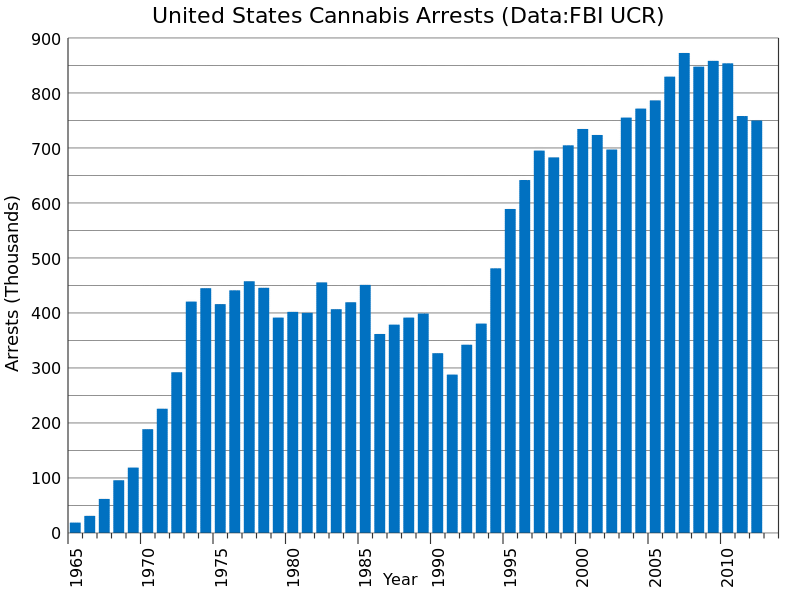
What Accounts for the Timing of Pot's Popularity?
The first literary interest in marijuana was by "beat" authors . As the first whites to use it and write about it approvingly, they were clearly an important influence on the emergent “counterculture” that developed when Baby Boomers born right after World War Two began coming of age in the Sixties. Drug experimentation and use soon became one of their hallmarks. Because they were so new and unfamiliar to boomers' parents, the drugs their children were trying: marijuana, LSD, and other “psychedelics,” were all the more frightening, a circumstance that clearly played a key role in Richard Nixon's 1968 political comeback, which in turn, enabled his dubious legacy: Watergate, diplomatic recognition of China, extension of the Viet Nam war to Laos and Cambodia, and the “War on Drugs."
Just as the 1914 Harrison Act was bereft of science that could justify its assumptions about “addiction,” there have never been pharmacolgic studies that would support the assumptions by which the Controlled Substances Act's Schedule 1, gives medically untrained lawyers (US Attorneys General) the power to prohibit drugs they literally can't understand for what amount to moral or religious reasons.
Anyone with the necessary medical knowledge should be able to recognize there now exists an enormous amount of medical literature refuting the CSA's Schedule 1 assertion that cannabis and other listed agents lack “redeeming” medical benefits. That assertion was absurd in 1970 and is now ridiculously out-of date. A critical question then becomes: why is such an absurd, obsolete assumption still the basis of a UN treaty that subjects any international traveler to arrest for mere "possession?"
Whether we are at more risk from an uncontrolled oil rig in the Gulf of Mexico or equally uncontrollable political instability on dry land may be a moot point.
Doctor Tom
Posted by tjeffo at 05:59 PM | Comments (0)
May 01, 2010
Parsing Mexico, 2
Although I’d spent five years in El Paso, one in an Army dispensary at Fort Bliss and the next four across the highway as a surgical resident at William Beaumont Hospital, I hadn’t been back there since August, 1963. Thus I’d found it difficult to reconcile descriptions of violence and mass murder now emanating from El Paso with the peaceful memories I still have of that interval in my life. One source that's helped has been Charles Bowden, an author I’ve yet to read in detail, but, thanks to Google, one who has already filled in several blanks in my understanding of how crime and corruption have changed that part of the border. it's important to note that Bowden probably has more than a nodding acquaintance with drugs, but he's clearly not a reform activist.I didn’t visit Mexico again until 1975 when we spent a week in Mazatlan on vacation from a burgeoning civilian practice. There followed, at intervals, similar weeks in Cabo San Lucas and Puerto Vallarta: the last in the mid-Nineties. By that time we’d settled on Puerto Vallarta as a favorite destination, partly because it was so easily reached on a Alaska Airlines. Perhaps providentially, a growing interest in drug policy had radically changed our travel destinations from 1995 on.
Another thing I recall from our visits to Mexico is how surprised I was to learn of the relative value of its petroleum reserves, a hot topic of conversation in the Eighties. What Bowden’s essays also brought home is that same industry’s relative decline because of aging infrastructure and depleted reserves, not to mention the growing global demand. In other words, Mexican and US petroleum are in the same quandary. Quite apart from global warming, there's a looming oil crisis. The only questions are when, and how violently it will become manifest. Ditto water, for that matter.
All of which helps focus on the factors mentioned in yesterday’s entry. Although "foreign," Mexico and the Gulf are near neighbors, yet we seem to have trouble thinking about their current problems; perhaps because there are no easy solutions. However those problems are approaching crisis levels, thanks to prolonged neglect (denial).
I haven’t even mentioned “marijuana,” a contrived name for a product long associated with Mexico, but one that didn’t begin to become an important economic engine in both nations until it’s anxiolytic properties were discovered by American "kids" over forty years ago.
Just how that happened and the socio-economic significance of pot's illegal market will be topics for another day.
Doctor Tom
Posted by tjeffo at 08:10 PM | Comments (0)
April 30, 2010
Parsing Mexico; initial thoughts
Within the past several days, Arizona’s passage of a state immigration law that merely reinforces several provisions of existing federal law has captured center stage at a time when two other contentious issues: an oil rig disaster just off New Orleans and a political shift that will affect coming Florida elections aren’t fading. The two elements that all three controversies have in common are Mexico, our immediate southern neighbor, and the illegal cross border drug trade that’s been growing since Nixon’s election over forty years ago but has never been honestly addressed and is now being avoided more carefully than ever.Another key element left out of all discussions is that the four biggest sources of revenue for Mexico’s struggling economy have become illegal drugs, illegal immigration, petroleum, and tourism. That the first two are being increasingly curtailed by the US and the last two are declining is both a major conundrum and a reason that the two nations struggle to find common ground.
As must be clear to all thoughtful parties by now, the current situation is threatening political stability in Mexico and anarchy there must surely affect political stability here.
More later, as time permits.
Doctor Tom
Posted by tjeffo at 04:21 PM | Comments (0)
April 25, 2010
Annals of Duplicity
The first item in the current Issue of the New England Journal of Medicine is a completely one-sided Perspective on 'Medical Marijuana” written by two legal scholars with unspecified connections to the University of Maryland Law School.At first glance such prominent consideration of a controversial topic in what many consider the nation's premier medical journal might seem to auger well for "reform;" especially in light of the opportunity Californians will have a little over six months from now to vote for full “legalization.”
Sadly, my now-extensive clinical experience with admitted users of the forbidden herb leads to a very different conclusion: the piece is subtle confirmation of two related facts: first, those with a vested interest in protecting the drug war from honest scrutiny are finally beginning to realize that the steadily expanding illegal “marijuana” market they have been so blind to for forty years is finally big enough to threaten their policy. Nevertheless, because they still have the law on their side and enough support from the usual sycophants to believe their “war” is still salvageable, many supporters are not ready to quit. In fact, total collapse of the world's drug policy may have become so unthinkable as to render its failure literally “too big to admit.”
The NEJM Perspective does represent some good news, but only by implication, and it's accompanied by a daunting implied challenge. Although the authors (and publishers) have unwittingly facilitated exposure of several intrinsic drug war errors and various ways its supporters have been distorting evidence in its defense, the ultimate political challenge is to force Congress to admit defeat by repealing the CSA. Thus the major value of poorly coordinated state laws is that they permit the illegal market that has developed under the auspices of federal policy to be studied.
However well intended they may have been, recent recommendations by both the American College of Physicians and the AMA are of little value because they embrace the same restrictions on "research" as those insisted upon by the (medically ignorant) authors of federal drug policy.
Future entires will deal with the many inconsistencies brought to light by the NEJM; whether the various parties "get it" or not remains an open question, but the overwhelming evidence is that someone is lying.
Doctor Tom
Posted by tjeffo at 09:22 PM | Comments (0)
April 20, 2010
Blindsided by a Volcano
As this is written, it's still too early to tell whether the eruption of an Icelandic volcano with an unpronounceable name is merely a warning of our extreme vulnerability to forces beyond human control or if it actually marks the beginning of the end of the world as we know it. It's still early in my day on the West coast, but none of the “mainstream” news sources on the internet are considering the worst-case scenario that's been implicit in the eruption of Eyjafjallajokull since it began a few days ago: we may all soon be trapped on a contentious, overcrowded planet where the most universal rule of all, the power of wealth, no longer applies and we are the only species critically dependent on an economy for survival.The supreme irony is that we were recently treated to an imaginative TV series based on the premise that somehow, all humans could disappear at once. I found it mildly interesting, but because it offered no realistic explanation of how that might happen and I've been preoccupied with other matters, I lost interest fairly quickly.
Now we have a chilling example; a phenomenon with the potential to produce, within a fairly short time, a meltdown of the global economy and the greatest challenge to human existence our species has ever faced.
Just think about it; how quickly and smoothly could we adapt to a world without money? We may soon find out.
Doctor Tom
Posted by tjeffo at 03:52 PM | Comments (0)
April 19, 2010
Global Interdependence (and the need to admit error)
The eruption of a volcano in Iceland and its unprecedented impact on both air travel and the global economy call attention to a point I've recently become aware of and blogged about only yesterday. Science can be a two-edged sword. Not only is it showering us with previously undreamed of wealth, it has allowed our numbers to grow almost exponentially and thus created risks we are often unprepared for. The hazards posed to jet engines by volcanic ash, weren't even discovered until incidents in the Eighties called them to the attention of aviation safety experts. Others involved the near-miraculous survival of commercial aircraft despite ruined engines, which immediately raises questions about how many earlier crashes might have been caused when the similar rare phenomena weren't recognized.The most famous such event occurred in Southeast Asia where volcanic eruptions are more common and airspace less densely traveled. The present one reverses both characteristics and emphasizes how little is known about key details of the hazard, to say nothing about the ripple effect of mass cancellations; not only on air travel, but on commerce in general. That those effects could suddenly threaten the survival of solvent businesses in a global economy suddenly made fragile by an unexpected increase in debt should also be sobering.
For me, it also emphasizes how vulnerable we have all been made by our species' tendency to exploit new technologies for the wealth they produce without fully considering what additional risks might be involved. Rather than ban all air travel, it clearly makes more sense to examine past mistakes and try to learn from them.
It's especially difficult to correct mistakes we still can't admit: the drug war, for example.
Doctor Tom
Posted by tjeffo at 04:01 PM | Comments (0)
April 18, 2010
A Shift in Emphasis
Yesterday I attended the Hemp Expo at San Francisco's venerable Cow Palace. More properly it was in Daly City, the next town south on the Peninsula separating “The City,” as most Bay Area residents still call it, from San Jose, upstart home of the computer industry and more populous than The City for many years. Change isn't always recognized when it occurs.That could be a metaphor for things learned at the Expo, some of which confirmed impressions I've been gathering from my interviews of pot users since 2001; others more recent. The most important go a big step beyond my most recent insights, namely the enormous size of the illegal “marijuana” market and its gradual expansion to critical mass under the very noses of the DEA and NIDA, both before and after the creation of both agencies in the mid Seventies. Also why they've been so blind to that market growth and what it signals: their ultimate down-grading and/or absorption by the federal bureaucracy in the relatively near future.
Almost no one believes the drug war has ever worked as originally intended; someone merely suggesting that (John Walters is a good example) risks being considered ridiculously out of touch. Indeed, few of the policy's most ardent defenders make such claims any more. Their arguments in favor of retaining it are increasingly defensive and lean heavily on necessity. For example “we know from the scourge of illegal drugs and the damage caused by alcohol and tobacco what terrible things would happen following legalization.” That such irrational claims still resonate with enough with the voting public to sustain a failing policy is, by itself, an indication of our national problem. It also tends to validate what has become my main thesis: humans weren't an existential threat to their own welfare until the discovery of empirical Science in Europe about five hundred years ago. The rapid success of Science, progressively compounded by the new technologies it produces, has allowed exploitation of “nature” in ways that were unpredictable just a few years before their appearance. A good example is how the Twentieth Century acceleration of both communication and transportation technology has helped reshape the global economy. The century also saw a four-fold increase in the Earth's human population despite two historically lethal “world” wars and the 1918 Influenza Pandemic.
Even more ominously, the same scientific “progress” may have uncovered an evolutionary design flaw lurking within our otherwise marvelous brains. The window on history allowing that startling deduction has been the war on drugs. More specifically, it's been the failure of the federal government's “marijuana” policy as elucidated by a study of the policy's victims made possible after California passed Proposition 215 in 1996, thus marking the nation's first successful voter rebellion against a questionable policy. To a degree I still have difficulty believing, responses to the initiative by both proponents and opponents, have helped reveal the serious brain flaw alluded to above and previously described by neurologist Paul MacLean. I feel some sense of urgency in describing it as coherently as possible because I've also become aware of how much denial is abroad in the world. Also that our biggest problem is not the war on drugs, which is simply a convenient example of the problem.
There are multiple other more urgent and serious problems facing us. In the short term, the most dangerous may be the planet's dangerously swollen human population, driven by their unruly emotions into making making terrible decisions like 9/11, even as others cling angrily to an unsustainable status quo.
Doctor Tom
Posted by tjeffo at 08:05 PM | Comments (0)
April 14, 2010
Debunking Anslinger
The evidence Harry Anslinger presented on behalf of his Marijuana Tax Act in 1937 was such gross exaggeration of a few sensational cases and he himself so obviously lacking in appropriate training and experience, that current “marijuana” policy can only be seen as a daring fraud sustained well beyond any reasonable belief in its validity or a shocking example of government duplicity. There’s simply no middle ground; the policy’s fraudulent nature can no longer be hidden and “marijuana” possession is still punished by arrest at virtually every US or international port of entry.On a personal level, I still remember Anslinger as a pompously self-important bureaucrat from a government training film screened as part of Public Health during my third-year in medical school (1956), thus I favor the first explanation. Seated behind a huge desk, unfailingly referred to in the voice-over as “the honorable” Harry Anslinger, he menacingly warned of the dangers to physicians and nurses resulting from their access to "narcotics" and promised swift punishment to any caught abusing those privileges.
Despite that improbable air of omnipotence, Anslinger could not possibly have anticipated the array of arguments and counter augmentations that would be required to support his lie once he left office and "kids" began to discover the appeal of "reefer" in the mid Sixties. Starting with Nixon's "war" on drugs and extending through each subsequent presidency, plus all their drug czars, both the policy's budget and the needless human damage it produces have been forced to keep pace with its hyperbole.
In reality, the policy Anslinger is remembered for is a sad commentary on human nature, a judgment now well supported by history. The drug war should eventually be remembered among the worst repressions of history: the Inquisition, American Chattel Slavery, and the Holocaust, to mention but a few.
When I first appreciated what pot smokers could tell me, I became naively optimistic that simply repeating their histories to the "movement" would begin to turn US drug policy around. Little did I realize how quickly the same sectarian divisions that afflict all human organizations would surface. I now realize that “truth” has as many variants as colors have hues; thus every pot smoker (not to mention those who have never been high) has their own definition of “medical” vs “recreational” use.
What it adds up to is simply another variant of “truth:” In addition to Al Gore’s “inconvenient” variety. I’m thus forced to be patient with the “incremental" variant. The good news is that we can be reasonably sure that the thread-bare nature of federal dogma is now so obvious that pot prohibition shouldn’t be the law of the land for very much longer.
I hope to have more to say about this a few days from now when I'll be discussing how badly the drug war has muddled the complex pharmacology of the marijuana “high,” and what their ignorance reveals about their policy.
Doctor Tom
Posted by tjeffo at 05:25 PM | Comments (0)
April 11, 2010
The Marijuana “High:” therapy or a criminal act?
Our long-term study of Californians hoping to have their use of marijuana recognized as "medical" under the terms of a disputed state initiative may be as significant for what it reveals about bureaucracies as for the light it sheds on pot use. Whatever demand existed in 1937, the actual market for inhaled cannabis (“reefer”) must have been very small, based on the percentage of applicants who were born before the Baby Boom began in 1946 (3.92%). Probably of equal significance, their average age at initiation was significantly higher: over 30 for those born before 1935 and over twenty-five for those born between 1936 and 1945. In fact, the two most important bits of information from our study may be demographic evidence suggesting why the drug war has failed to discourage teen aged “marijuana” initiation, as well as troubling evidence of the lengths government bureaucracies will go to avoid owning up to big mistakes.One example of the latter: the importance of the Baby Boom to current American history is well recognized but that era is clearly being seen very differently by drug policy enforcers and individual boomers who might have sampled “drugs of abuse” as adolescents. To enforcers the era was an evil to be denounced, rather than an important historical event to be studied or understood. Also, it doesn’t require extraordinary powers of deduction to realize that the Boomers themselves were not only younger than the “reefer” smokers who preceded them, they were a lot more numerous and could well have shared generational experiences that shaped their drug use and other behaviors very differently (exactly what happened). In the same vein, the study also demonstrates how far government bureaucracies will go to resist suggestions their policy may be failing, let alone that they should search for ways to correct it.
Ironically, a Rand study published in November 2002 had reached conclusions very similar to ours but has never been linked to it by others. Nor did it provoke the discussion it should have when first published. Finally, in a brief reassessment published in 2003, the authors actually strengthened their criticism of the "Gateway" hypothesis but explicitly disavowed any support for marijuana “legalization*”
Later this week, I hope to spell out how a clinical dissection of the marijuana “high” as a poorly understood therapeutic and cultural phenomenon that has been vilified for forty years can begin to resolve current contradictions and hopefully, facilitate a more rational discussion.
Doctor Tom
* "Conclusions Marijuana gateway effects may exist. Our results demonstrate, however, that the phenomena used to motivate belief in such an effect are consistent with an alternative simple, plausible common-factor model. No gateway effect is required to explain them. The common-factor model has implications for evaluating marijuana control policies that differ significantly from those supported by the gateway model...However, the study does not argue that marijuana should be legalized or decriminalized."
Go Figure...
Posted by tjeffo at 08:01 PM | Comments (0)
April 06, 2010
Convincing Evidence of Federal Ignorance
The science of Pharmacology was relatively undeveloped when the Marijuana Tax Act was introduced by Harry Anslinger in 1937, thus the phenomenon of getting “high” on “reefer” was relatively unknown and easily demonized. Not only was repetitive (chronic) use of cannabis by inhalation relatively unknown, the public he was misinforming about its dangers had no basis for disbelief and the federal policy he was enforcing had arrogated its authority on the basis of overblown fears of "addiction."Not much has changed since 1937. As MTF and SAMSHA’s repetitive studies of adolescent drug initiation have confirmed, about half of of all American teens have been trying to get high by inhaling “marijuana” since 1975, thus also confirming that despite rigorous enforcement and ever-increasing felony arrests, trying marijuana remains an adolescent rite of passage on a par with trying alcohol and cigarettes. My data also confirm that not everyone who tries marijuana is able to get high the first time (some required three or four attempts). Yet everyone seeking a recommendation eventually succeeded and now expects to get high each time because, although never defined in clinical terms before, the "high" is clearly an essential element in the self-medication process.
As is evident from the current drug czar's most recent statements, federal opposition to any use whatsoever may be softening. Moreover, most of the millions of living Americans who have succeeded in getting high on "weed" since 1965 know from their own experience that it's not a phenomenon that could possibly be understood by the (approximately half) of other citizens whose drug initiations had included alcohol intoxication and the "head rush" of a cigarette, but excluded the marijuana high.
That long history of federal opposition to pot use, along with the opportunity provided by Proposition 215 to interview thousands of chronic users has provided me with enough evidence to be confident that dedicated defenders of the drug war are either woefully ignorant of cannabis basics or extremely dishonest.
One of the more convincing demonstrations of that ignorance is the complex history of Marinol, developed at considerable federal expense, only after oncologists began suggesting that severely nauseated chemotherapy patients try marijuana. That revelation is further strengthened by my low-tech clinical research among self-medicating pot users revealing some well-known differences between the effects of edible and inhaled cannabinoids that have never been elucidated or seriously investigated by either the Pharmaceutical Industry or academic pharmacologists.
Given the great potential benefits of legal cannabis, the past forty years of enforced ignorance in support of unscientific nonsense was a high price to pay; one further compounded by millions of destructive felony arrests over the same interval.
Doctor Tom
Posted by tjeffo at 04:22 PM | Comments (0)
April 03, 2010
Getting it (All) Wrong
The single most important fact revealed by the lonely study of cannabis applicants I’ve been engaged in for over eight years is a no brainer: today’s enormous demand for “marijuana” began rather abruptly when the Baby Boomers who started appearing suddenly after World War Two began coming of age in the Sixties.The factual basis for that statement is just as obvious: the basic demographics every “pot doc” dealing with California’s slowly emerging applicant population should have been collecting; their dates of birth and the age at which they first tried to get “high” by inhaling cannabis. For two such basic items to have not been gathered (or deliberately ignored) by the hundreds (thousands?) of “pot docs” now writing recommendations for a growing applicant population is painfully apparent to me from their silence. Nor have the self-appointed medically untrained gurus presuming to speak for various reform organizations deigned to comment. Their silence on questions I've raised about marijuana’s sudden popularity in the Sixties has been almost as deafening as that of their arch rivals in the federal government.
In fact,it was that stubborn silence on the part of both parties that led me to understand that denial is one of our species’ most characteristic flaws. Like so many other easily overlooked entities: dishonest advertising, rampant obesity, the increasing incidence of autism and a host of others; once one becomes aware of them, they are nearly impossible to ignore.
To return to the Baby Boom, I just happened to catch Tom Brokaw’s special last evening and was even more disappointed than expected; but hardly surprised. Obviously basking in the success of his praise for the “Greatest Generation” and convinced that he has just become a generational expert, Brokaw comes across as knowingly judgmental while completely missing several important points. Even the Daily News TV critic caught his deficiencies.
Hopefully, I’ll have time to return to the Baby Boom in coming months as California prepares to vote on the most important national issue in the coming November election.
Doctor Tom
Posted by tjeffo at 03:01 PM | Comments (0)
April 01, 2010
California’s Legalization Initiative in Historical Context
As the last quarter of the Eighteenth Century began in 1776, an improbably successful rebellion was launched on a flourish of rhetoric promising government based on equal treatment of all citizens. The ensuing Revolutionary War not only led to a new nation that soon attracted freedom-seeking immigrants from all over the world, it also marked the beginning of the end of absolute political power based on heredity at a time when the flowering of scientific technology was about to produce a cornucopia of agricultural production and consumer goods that eventually became known as the Industrial Revolution.Unfortunately, the Constitution adopted just eleven years following America’s Declaration of Independence betrayed its lofty ideals by secretly protecting the institution of chattel slavery, a decision that would critically shape the new nation’s early development and eventually lead to a corrosive Civil War. Slavery was ended, but American federal power was enhanced to a degree that soon encouraged imperialist expansion based on military power. In essence, the nation that represented the planet’s first potentially viable attempt at Democracy has instead played a pivotal role in enabling its present volatile state of overpopulation, unsustainable consumption of resources, and violent political instability.
Within that context, America’s war on drugs is also UN policy. Although not a prime cause of our species' current malaise, it can easily be seen as both metaphorical and contributory. In a narrower context, the coming ballot initiative to legalize cannabis in America’s most populous and progressive state can also be seen as an important indicator. Simply stated, a global policy of arresting and incarcerating people for self medicating with “marijuana” betokens a degree of hypocrisy, ignorance, and denial incompatible with long term solution of our species' most pressing problems.
Doctor Tom
Posted by tjeffo at 04:54 PM | Comments (0)
March 29, 2010
A Line in the Sand
On March 4, three weeks to the day before an announcement that California’s marijuana legalization initiative had qualified for the November ballot, Gil Kerlikowske, former Seattle Police chief and the Obama administrations low-profile drug czar, spoke to the California Police Chiefs in San Jose where he spelled out firm federal opposition to any further liberalization of medical use and to any effort at legalization. It was traditional reefer madness; not as over the top as John Walters’ flagrant nonsense, but bad enough in its own right to reflect negatively on the Obama Administration’s reputation for honesty.Within the following week, several angry reform responses took issue with both Kerlikowske’s facts and logic, which were simply an updated rehash of familiar slanted arguments cherry picked from recent NIDA sponsored literature. Unfortunately, they also omitted any mention of my data showing that properly taken applicant histories reveal that the vast majority were born after the Baby Boom started and that today’s huge “recreational” market didn’t begin until the mid-Sixties, a critical finding steadfastly ignored by both reform and ONDCP .
Thus the indications are that the pre-November “debate” will be an unenlightening rehash of 1996 arguments; however, given California’s robust pot market and the sagging economy, it’s quite likely the initiative will pass anyway. If so, it will present its opponents in both state and federal government with a new set of problems (and perhaps threaten dispensary profits).
In any event, it will be interesting.
Doctor Tom
Posted by tjeffo at 03:07 PM | Comments (0)
March 27, 2010
How California’s Legalization Initiative Changes the Equation
Even though it’s been known for quite some time that a marijuana legalization initiative might qualify for the November ballot in California, it wasn’t until Thursday’s announcement that I could focus my thoughts enough to decide on a response. Now that the initiative is reality, it’s interesting that not only did I come up with a response, I can also explain why it’s positive, start making plans to implement it, and list reasons why they may or may not succeed.What the reality of the initiative did was reveal the prompt negative responses of all three California gubernatorial candidates. That, in turn, confirmed for me there's still a huge gulf between those with a vested interest in the drug war as policy and those dedicated to “reforming” it. Thus do the early responses of the three most likely candidates confirm that senior politicians in both major parties remain clueless about both the appeal of marijuana for large numbers of Americans and the size of its illegal market.
It will be my privilege to explain the significance of those relatively simple concepts over the coming months in a setting that will be increasingly difficult for all interested parties to ignore.
As Bill Clinton (or James Carville) famously reminded us in 1992., simple ideas are more likely to be understood. If we can't get it in the next eight months, there's always another election and pot is unlikely to go away.
Doctor Tom
Posted by tjeffo at 07:36 PM | Comments (0)
March 26, 2010
The Other Shoe Drops
The announcement, in yesterday’s San Francisco Chronicle, that an initiative calling for the “legalization” of marijuana had qualified for the November ballot must have confirmed the worst fears kindled in drug war supporters almost fourteen years ago by the unexpected passage of Proposition 215.What struck me most about the Chronicle story was the degree to which it misinterpreted important related events over that same interval, many of which had transpired right here in the Bay Area. However, my own experience had prepared me for the confusion by revealing that none of the interested parties were seeing reality through the same prism and the most authoritarian voices were often the most confused. In that respect I had been well prepared for the reactions reported locally the Chronicle and nationally in the New York Times, both of which reflected an ambient confusion, although with somewhat different emphasis.
My own crowded schedule precludes more than passing mention of what is really a landmark event, one unlikely to turn out exactly as predicted by the experts. As for November: if the initiative passes, some large helpings of crow will be in order soon afterward and some rapid adjustments will have to be made, both in Sacramento and in Washington.
Another development seems inevitable: whatever happens this time around, eventual nationwide legalization of Marijuana will happen; the only remaining questions are how messy the process will be and how much avoidable injury will de done by the self-appointed experts on both sides.
Our species has always had great trouble doing the right thing; especially when it comes to our most important decisions. Our experience with "marijuana" is simply one more example.
Doctor Tom
Posted by tjeffo at 03:39 PM | Comments (0)
March 23, 2010
Cognitive Dissonance and the Debate over Medical Care
George Santayana, an American scholar born to Spanish parents, but abandoned by his father at 5 and raised in the US for the first half of his life, is best known for observing that, “Those who do not remember the past are condemned to repeat it,” which probably explains why last Sunday’s Congressional debate over the federal government’s role in health care was so reminiscent of an earlier division that afflicted our fledgling American experiment in Democracy and ultimately plunged us into Civil War. So bitter was the antebellum debate over slavery, and so violent were the feelings it generated among elected representatives that in 1856, a Congressman from South Carolina savagely attacked a Senator from Massachusetts in the Senate chamber with a cane brutally enough to disable the older man for three years. Amazingly, although expelled from Congress, Brooks was never charged with a crime and was defiantly re-elected by his home state. Ironically, he soon died of “croup” before he could finish his term.Although their names have undergone the political equivalent of magnetic pole reversal, modern Democrats and Republicans exhibit the same powerful emotions as those displayed by supporters of Sumner and Brooks. Today’s Red State, Tea Bag, Republicans, clearly no longer the "Party of Lincoln," now have a different agenda. They are fiercely supportive of the right to life but insist medical care is far too expensive to be extended to the surviving fetuses they hope will be saved from abortion by a Supreme Court chosen for that purpose. By the same token. the Catholic justices on the Court can apparently be counted on to support the expanded police powers that have produced the world’s largest prison system. How else could we punish criminals who dare to self-medicate with illegal drugs like "marijuana?"
Doctor Tom
Posted by tjeffo at 04:23 PM | Comments (0)
March 13, 2010
The (slow) March of Time
Fred Gardner is a journalist and author from Alameda who has long been helpful in educating me on the politics of cannabis and its medical uses. I recently had occasion to re-read a Gardner column from six years ago in which he generously published findings I was preparing to present to a national meeting of reformers on the East Coast. I was struck by two things: how well my then-new findings have been confirmed by the thousands of additional interviews I’ve done since it was written, and the degree to which they are still ignored by those with agendas on both sides of the “legalization” issue.Some things never change, or more properly, like tectonic plates inching past one another, they change so slowly that when the earthquake finally happens, it’s a bg surprise.
Fred’s other item, the one on asparagus, has even greater relevance today because we know air transportation plays a greater role in CO2 release than expected, thus it’s likely the shift in asparagus production motivated by the US desire to reduce cocaine availability has come at additional unexpected costs: not only are American farmers and consumers being hurt; so also is the global environment.
Meanwhile, the drug war continues supporting the price of cocaine and Hillary just returned from a trip to Latin America in which she admitted the failure of US drug policy but urged further intensification of the same old failing tactics.
Doctor Tom
Posted by tjeffo at 07:39 PM | Comments (0)
March 07, 2010
Senior Citizens: the Key to “Legalization”
Despite the refusal of conventional media and spineless politicians (is there any other kind?) to face reality, I’ve been predicting that a sea change in public opinion on cannabis prohibition should begin rather abruptly in 2011 and become increasingly evident with each passing year. That forecast was based primarily on the demographics of the population of pot applicants I’ve been studying for over eight years; 96% of whom were born during or after 1946, which just happens to have been the first year of the Baby Boom. With at least half of all “kids” (adolescents) surveyed since 1975 admitting that they’d tried “weed” by the age 18; also given the consumer loyalty documented among my applicants, it’s very clear that when the first wave of Baby Boomers becomes eligible for Medicare, many of them will be seeking to renew the recommendations they already have. The critical difference is that they won't be easily written off as misguided "druggies;" rather they will become the senior citizens politicians ignore at their perilAn additional (anecdotal) finding I haven’t tried to quantify statistically, but have found remarkably consistent, is that seniors of my own generation (the deluded "moral majority" that elected Nixon in 1968) who never tried pot themselves are extremely resistant to ever using it, even after incurring physical conditions it’s known to palliate. On the other hand, people who tried it during their teens are far more open to its medical use, whether they'd used it in the interim or not. In other words, getting high as an adolescent seems to confer lifetime permission for later medical use, should the need arise.
Quite by accident, I stumbled across a non-medical journal with a vested interest in the health of seniors and discovered that it had done an impressive survey in 2005 that tended to confirm the implications of my data even then. It’s thus even more clear to me that as pot-savvy seniors gradually replace their fathers and grandfathers in the electorate, the politicians they choose will have to reflect their views; that’s particularly true if the crazies now running the American asylum get their fondest wish and defeat Obama’s (not-so-great) health care initiative.
Entirely in keeping with the disconnect that seems to afflict those in authority, the forces of prohibition have looked at the same data and come up with an entirely different interpretation.
We shouldn't have long to wait for an answer; I predict that by 2016 (perhaps even before), there will be a viable cannabis legalization bill before Congress.
Doctor Tom
Posted by tjeffo at 06:21 PM | Comments (0)
March 03, 2010
“Marijuana” and dashed hopes
Just why Harry Anslinger selected a relatively obscure Mexican slang term for demonizing inhaled cannabis in 1937 remains just as uncertain as solid evidence of why he did so remains scarce; nevertheless, subsequent developments make it clear that whatever market for “reefer” might have existed in 1937 must have been small and remained that way until the mid-Sixties; when it began growing to its present size, best described as enormous, but unmeasurable.In any event, ignorance and carelessness are painfully obvious in the Marijuana Tax Act’s legislative history; not to mention the incoherence and adverse social impact of the Controlled Substances Act by which the Nixon Administration expanded the MTA in 1970. That such “thinking” remains at the heart of official policy in both the US and the UN is solid evidence that current world leadership is sadly lacking; even as our species struggles with unprecedented levels of pollution, overpopulation, climate change, and depletion of critical resources.
Most revealing of all may be the reluctance of those in authority to even acknowledge the obvious, a trait known as denial. Cartoonist Walt Kelly may have said it best when he observed through his character Pogo that “we have met the enemy and he is us.”
How these gloomy observations relate to my ongoing study of marijuana use is becoming clearer to me by the day; even as any hope they will provoke a degree of recognition in people with the power to influence policy fades. President Obama's victory inspired many to believe the "change" he claimed to represent would favor their particular issues; none more than myself. Indeed, he is a poster boy for my typical pot smoker: an academically gifted bi-racial outcast raised by a single mother whose only known contact with his biological father had been a two hour meeting at an airport. He'd also acknowledged he'd once been high on weed, and tried other illegal drugs. Finally, he's known to have an intractable cigarette habit. What better American President could I have hoped for?
Alas, that hope is running out; he seems far too nice a guy to do all the things I want him to do between now and 2012: find some advisers with balls, fire the entire DEA, and take on opposition yahoos directly for their obvious stupidity instead of acting like a bipartisan wuss.
Doctor Tom
Posted by tjeffo at 04:43 PM | Comments (0)
February 19, 2010
Good News, Bad News
I was pleasantly surprised by a headline above the fold of this morning’s print edition of the SF Chronicle (how long can it survive? I’m always forced to wonder) reporting that “Clinical trials show medical benefits of pot.” That news wasn’t news to me, but the long-delayed recognition of pot’s efficacy in MS was gratifying, particularly because I have painful memories of sitting through two Larry King specials devoted to new developments in MS during which neither the words “marijuana” nor “cannabis” were even mentioned. I found the denial infuriating because I knew how rigorously the producers would have had to either screen or censor their not-quite celebrity guests to maintain such drug war purity.So much for the good news; the bad news was that most of the money made available way back in 1999 has been spent and a program that is finally producing results is in danger of being starved financially.
Of course, it would never occur to the “bona fide” researchers in Academia or the wannabe scientific experts from ASA and NORML that a lot of non-criminals have been breaking America’s stupid drug laws for decades to treat not only multiple sclerosis, but a lot of other conditions as well. As a matter of fact, the people who have been applying for medical legitimacy under the provisions of California's Proposition 215 for over thirteen years are a valuable resource that's been shamefully neglected by self-appointed experts in both Academia and “reform” for far too long.
What might have opened their eyes a bit sooner could have been a few more pot docs willing to take decent medical histories and publish their results.
Doctor Tom
Posted by tjeffo at 03:28 AM | Comments (0)
February 15, 2010
Edibles and the “Body High”
That there are considerable differences between smoked and orally ingested cannabis is emphasized by use of the term “body high” to describe the effects of “edibles.” That federal policy makers still don’t understand either those differences or their physiologic bases is made clear from their failure to discuss them and from their subsidization of Marinol.Whatever its basis, the general silence on those issues adds up to an indictment of both American drug policy and the intellectual honesty of our species as well as a suggestion that our tendency to deny unpleasant reality may be a serious human weakness.
To start with basic anatomy and physiology: taking "drugs" into the body (ingestion) is possible through a variety of mechanisms. When they can be volatilized by heating and then inhaled as vapor (“smoked”) the lung becomes an organ of ingestion. Since pulmonary venous blood drains directly into the heart, there's no faster way for cannabinoids to reach the brain. That’s also true of the nicotine in cigarettes and cocaine when it was processed into “crack” after ether extraction proved so unsafe.
Unlike drugs ingested by smoking, those we swallow must be digested in the gut and absorbed into the hepatic portal circulation thus delaying their arrival at the brain and exposing them to modification by the liver before they get there. It's slowest of all when the stomach is full and also explains why the effects of edible pot can’t be readily titrated.
There are other differences, all added by the liver, which not only receives the lion's share of pot’s pharmacologically active ingredients after an edible is consumed, but also adds three of its own, presumably by the same process of molecular deconstruction that characterizes its major function in other animals.
1) Pot’s duration of action is extended to three hours or longer after oral ingestion.
2) A degree of muscle relaxation that seems significantly greater than after smoking is noted by nearly all. Intense enough to interfere with most physical activity, it's the most common reason cited for avoiding edibles.
3) The nocioceptive (pain relieving) properties of smoked pot are intensified; an observation made most commonly by those with neuropathic pain (pain of nerve origin).
That these differences have not been addressed by either Big Pharma or Academia becomes readily understandable within the current setting of criminalization in which all “legal” cannabis intended for research must first be approved by the DEA and can then only be obtained from the federal marijuana farm in Mississippi.
Doctor Tom
Posted by tjeffo at 06:47 PM | Comments (0)
February 14, 2010
The Marijuana High: what policy wonks still don’t know
Because the population I’ve been studying since late 2001 consists entirely of Californians seeking a doctor’s approval to use pot under the terms of Proposition 215, all have experienced the marijuana “high;” itself a unique phenomenon erroneously considered by those who never experienced it as the equivalent of alcohol intoxicationAs every experienced pot smoker knows, nothing could be further from the truth; although getting high and getting drunk are the expected effects of both drugs, they are very different. Both are also very common events. With the single exception of seeking a “head rush from a cigarette, getting high on “weed” and drunk on “booze,” at well under the legal age- have been rites of passage for over half of all Americans since the University of Michigan (and later the federal government) began doing their surveys of youth in the Seventies. The cannabis applicants I’ve been studying do report trying all three at about the same average ages and well before trying any other illegal agents.
Their drug initiation patterns and other data also confirm that federal drug policy officials, their critics in "reform," and most academic drug policy experts have not developed an accurate picture of human marijuana use; initially because of imposed ignorance before 1997; more recently it seems to be denial. For over 13 years Proposition 215 has been allowing something the DEA and NIDA had successfully blocked from their beginnings in 1973 and 1975 respectively: unfettered medical access to a large population of illegal drug users. That the drug was marijuana, has been especially valuable because of the (unsuspected) role it has been playing in moderating the use of more problematic agents, literally since before Nixon’s election in 1968.
Perhaps the best way to illustrate still-prevalent ignorance is to discuss the marijuana high in terms of its clinical pharmacology, rather than in the obligatory rhetoric insisted upon ever since Nixon foreclosed unbiased clinical research by rejecting the Shafer Commission's plea in 1972.
The Inhaled High
Getting high begins when the first toke is almost immediately followed by a subjective feeling described by 80% of those surveyed as “relaxation.” The immediacy with which it is experienced confirms that whatever was in the smoke had an immediate effect on the brain, which is interesting, because at least half of all applicants report they failed to get high the first time they tried and many had to try several times before they were successful. Once successful however, a high is readily produced whenever one lights up.
More tokes are taken in relatively close succession until inevitably, one fails to enhance the high. This is important because it signals a refractory period during which additional tokes will simply be a waste of money. In essence the refractory period is also a signal the user is as high as it’s possible to get on that particular strain at that tme. Since both users and strains can vary considerably, it should not be surprising that one user may get high sooner than another, or that intensity may vary. The dominant pharmacologic effect is anxiolytic; onset is rapid because the drug is smoked; dosage can be precisely titrated for the same reason. Finally, the high is evanescent; it’s over in about an hour. Another very important consideration is that the good feeling that came with the high can linger for another hour or more, depending on circumstances.
For some users, the termination of the high is an opportunity to light up again; but only if certain conditions exist: they must not be under hostile observation, they must be able to afford it, and they must be comfortable while high in the presence of “straights.” Since the normal response is the famous “paranoid’ reaction (an unpleasant feeling that straights know one is high and disapprove) how to overcome it to the point of being comfortable has to be learned. Thus some users are able to get high repeatedly throughout the day; however the refractory period guarantees that the effect is not cumulative, as it usually is with alcohol. Other than mild ataxia (a cerebellar effect) and a tendency to become hyperfocused on interesting phenomena, cognition is not impaired and is often enhanced.
As most pot users have discovered, the high produced by edibles is strikingly different than the one produced by inhalation. There are good reasons for that difference, but they haven’t been elucidated pharmacologically because “marijuana” is illegal. However 215 has allowed the differences to be recognized clinically and described in some detail. I’ll deal with the “body high” produced by edibles in another entry.
Doctor Tom
Posted by tjeffo at 06:03 PM | Comments (0)
February 13, 2010
The High Cost of Imposed Ignorance
In March, 1972, when President Richard Nixon summarily rejected the reasonable, but timid recommendation of the Shafer Commission to decriminalize marijuana add investigate its potential medical benefits, the federal government still lacked the agencies he would later create to carry out his “war on drugs.” Thus passed the last slim chance to restrain the wave of arrests already under way as the nation’s police forces struggled to suppress the criminal market that had been created thirty-five years earlier by Harry Anslinger’s baseless Marijuana Tax Act.Instead, that illegal market has continued growing steadily to its present enormous, but difficult-to-measure size, protected by the same ignorance and denial that has characterized “marijuana” law enforcement since 1937. Added to the current cost of the violence on our border with Mexico must be the lives destroyed by criminal prosecution of people for the “crime” of self-medicating with a safe, effective medicine; to say nothing of the mortality and morbidity incurred by those driven use its legal, but deadly alternatives: alcohol and tobacco. In retrospect, such costs are attributable to both Nixon’s rejection of the Shafer Commission’s plea and the compliant American media that allowed him to get away with it. Ironically, it would be the same media that would later drive Nixon from office for the relatively trivial Watergate affair, and is still in denial about both the size of the marijuana market and the enormous human cost of their own denial.
Indeed, the efforts of our species to implement a drug policy the UN adopted well before Nixon’s first term amply qualify as “insanity,” as defined by no less authority than Albert Einstein. In retrospect, what has been missed by those insisting on the necessity of marijuana suppression since the CSA became law has been any recognition of the sudden increase in the popularity of inhaled cannabis in the mid-Sixties, let alone questions about why "marijuana" became so popular when it did and is now the most sought-after illegal commodity on the planet.
Even more disturbing than the present grotesque failure of government, the media, or Academia to raise such questions is the world-wide denial that sustains our ignorance. When I first began blogging about what I've learned from the opportunity Proposition 215 offered for studying the behavior of pot smokers, I didn't realize the degree to which it would confirm the eminently sensible suspicions of Paul Maclean, which suggest there is an evolutionary basis for our paradoxical behavior as a species.
If he's right, our prognosis for a rational recovery is grave indeed, because it would have to be a first; our best hope may be that the non-violence of Ghandi, as encouraged by Einstein, might continue to find root as it did with MLK.
Doctor Tom
Posted by tjeffo at 12:52 PM | Comments (0)
February 11, 2010
More Background
In the last entry I referred to a temporal connection between Adolph Hitler’s consolidation of power in Germany and the passage of Harry Anslinger’s Marijuana Tax Act in 1937. Such connections were what talented science historian James Burke converted into books, a series of Scientific American columns and TV series on both sides of he Atlantic. With appropriate apologies to him, the following will mention similar links between Hitler’s and Anslinger’s two permanent legacies: World War Two and the War on Drugs.Neither war was the exclusive contribution of either culprit to world history. What they did share, other than being born just three years apart, was a rise from obscurity through combinations of luck, chutzpah, and intellectual dishonesty, plus the ability to seize unexpected opportunities to make a mark on history. Unfortunately for us, both succeeded.
Born in 1889, Hitler had an unhappy adversarial relationship with an elderly, strict father who died suddenly when he was ten. Orphaned four years later by his mother’s death from breast cancer, he was then a bohemian art student; also homeless for a while. Lucky to even survive daring service in World War One, his rhetorical gifts propelled him into a position of leadership in the Nazi party. Ten years after a hare-brained putsch in 1923, that he was also lucky to survive, he suddenly found himself positioned to assert complete control over a nation that shared his resentments and would follow his assertive leadership while also tolerating his virulent antisemitism.
Born on this side of the Atlantic just three years after Hitler, Harry Anslinger, had also learned fluent German (from Swiss-German immigrant parents). Towards the end of World War One, his language ability landed him a job with the Armistice Commission in Europe; he would not leave federal service until retiring on his seventieth birthday and then served as the First UN Commissioner of "Narcotics," a position from which he promoted America's drug policy into its global clone.
His big career break came in 1930 when his wife’s uncle, Andrew Mellon, then Secretary of the Treasury, elevated him from a mid level job in the Treasury's Prohibition unit (doomed to elimination following Reform) to serve as the first Director of the newly formed Federal Bureau of Narcotics, a position from which he quickly arrogated the same degree of control of American drug policy as Hitler had the seized over the German nation.
From 1937 on, the comparison becomes less immediate, primarily because Hitler’s 1939 gamble of World War Two entailed far greater personal risk than Anslinger’s Marijuana Tax Act. Thus the delayed metaphorical war Anslinger enabled required help from yet another insecure wannabe warrior named Richard Milhous Nixon. The biographers of both men make clear that they each shared Hitler’s instinct for racial prejudice, if not its virulence.
The Asnlinger-Nixon drug war is still being fought. Despite medical marijuana’s implicit threat to its existence, it shows no sign of ending soon. Often overlooked is that it's waged by the whole world through national police forces against “enemies” who are simply trying to self-medicate. Because illegal drugs are, by and large, safer and more effective than their legal alternatives, the damage being inflicted is both enormous and almost impossible to quantify.
Finally, what seems to render global drug policy most impervious to rational criticism is humanity’s amazing tolerance for its obvious stupidity and failures through the phenomenon of denial. A cognitive species unable to face reality would seem to have limited prospects of solving its most pressing problems.
The smoking gun that could ultimately challenge that denial is the enormous success of illegal marijuana over the forty years that the world has been attempting to suppress its use. I plan to outline that success, and the reasons behind it, in the next entry.
Doctor Tom
Posted by tjeffo at 07:05 PM | Comments (0)
February 10, 2010
Essential Background
The Nazism that led Germany to almost destroy itself as a nation in twelve short years and the American drug war I compared it to in the last entry were both institutionalized repressions carried out by central governments. The speed at which they took place is the major difference between them; Hitler’s rapid acquisition of power between 1933 and 1935 allowed him to marshal the German people behind his impossible dream (lebensraum) of world conquest quickly enough to enable the invasion of Poland on September 1, 1939.Constitutional restraints keep any American President from consolidating power nearly that quickly; however the CSA, Nixon’s radical enhancement of the power of America’s poorly conceived drug policy, has commanded unquestioning support from all three branches of our federal government since 1970, despite its well recognized role in the expansion of our prison population during that same interval.
The drug war’s particular impossible dream was soon defined as a “drug free” society. In both Germany and the US, the pursuit of officially designated national dreams led to the identification and punishment of internal enemies as scape-goats that would justify the use of extraordinary powers, allegedly to protect ordinary citizens from contamination. The American counterparts of Germany’s, Jews have been “druggies,” a concept clearly recognized by Richard Lawrence Miller in Drug Warriors and their Prey (1996) and emphasized in Nazi Justiz, his companion study of Hitler’s astute consolidation of power through Germany's vulnerable courts.
Bogus science also played a key role in both repressions; Nazi theory relied on the discredited ideas of Eugenics. In America, fear of addiction was a seed planted by the Harrison Act of 1914, nurtured by Harry Anslnger in 1937, and brought to unholy fruition by Nixon’s CSA in 1970. Ironically, the concept of “addiction” has remained stubbornly elusive, even as a behavior, and never been defined by Pathology as disease, despite the claims of drug war bureaucrats.
Not only is American drug policy burdened by its questionable biological assumptions, it clings stubbornly to the erroneous economic beliefs of prohibition that should have been decisively repudiated by Repeal in 1933. In brief, Prohibition (the Eighteenth Amendment) relied on respect for the law to prevent the criminal arbitrage that doomed it as policy. Within the relatively rapid span of 14 years, the Eighteenth Amendment had taken its place on the scrap heap of history, a process undoubtedly accelerated by the Great Depression. Unfortunately, survival of its belief that prohibition is reasonable public policy had already been guaranteed in 1930 when the FBN was created and placed under the control of a medically ignorant bureaucrat firmly committed to the idea that addiction is a police problem
Given Anslinger’s family connections, bureaucratic skills, and and intellectual dishonesty, things could only have become worse from there. Worse they became, in remarkably close parallel with Hitler’s success, when the MTA became law in 1937.
Doctor Tom
Posted by tjeffo at 05:00 PM | Comments (0)
February 08, 2010
Getting it Wrong
Both the American drug war and Nazism under Hitler between 1933 and 1945 are extreme examples of anomalous human thinking. What they also have in common is that they demonstrate what can happen when circumstances combine to empower an entire government, or in the case of the drug war, a large branch of government, with a dangerous degree of autonomy and the freedom to pursue mistaken ideas. In essence, i just compared America's war on drugs, to Nazism, a universally despised system widely recognized as the ultimate of evil. That notion, at first glance, might seem shocking to some.Actually, the combination of essential elements exhibited by both phenomena isn't all that rare. Once one is able to consider them as straightforward examples of human behavior, similar situations can be see toabound. A convenient one, also American, is the system of chattel slavery that ultimately evolved in the Antebellum South. Over less than 3 centuries, slavery had become an inhumane system that gave ignorant overseers and slave traders almost complete authority over a group of humans defined solely by the color of their skin. Slaves were not recognized by federal or state law as human; almost no legal penalties were imposed on an owner who allowed his slaves to be punished excessively; even murdered.
Another characteristic often shared by such repressive systems is tolerance by the rest of society, a process often facilitated by circumstances that keep victims out of sight within institutions such as prisons or mental hospitals where ordinary rules do not apply and budget constraints and overcrowding can encourage a degree of callousness in the staff. Again, the most convenient example I can think of is the systematized barbarity of the modern American Prison system.
As it happens, I think I’ve also discovered the “smoking gun” needed to convince a majority of rational people that the drug war is as big a mistake as I’m claiming. What gives me some hope is that there are numerous examples in human history of critical insights that, almost by themselves, made sense out of what had actually been a random hodgepodge of mistaken ideas. Darwin’s intuition of a rational order driving what we now call Evolution (he didn’t call it that immediately) remains the best example I can think of. A smaller one, but one leading to dramatic reversal in a destructive practice was Silent Spring by Rachel Carson.
I’m painfully aware of how much I’m asking of readers who haven’t been conditioned, as I have, by years of realizing just how insane our drug policy had become without being able to articulate that conviction convincingly. The missing element was a concrete example that could pull enough grotesque drug war elements together into a convincing package. I now think I have such an example which, like so many other such phenomena, has been hiding in plain sight all along. All that was required was a proper focus.
That's enough for one day; the unveiling will come later.
Doctor Tom
Posted by tjeffo at 03:46 PM | Comments (0)
February 02, 2010
Annals of Supreme Hypocrisy
The first 'self-evident' truth asserted in America's revolutionary manifesto is that “all men are created equal;” yet when our founders, Jefferson among them, drafted a Constitution eleven years later in Philadelphia, that notion was cynically betrayed by their decision to embrace chattel slavery so seamlessly that neither word appeared in the document itself; nor was the institution of slavery addressed by the Bill of Rights appended before ratification. Instead, the onus of being a black slave was expanded judicially in 1857 when the Chief Justice of the Supreme Court explained that because they had been permanently excluded from citizenship by the Constitution, slaves could not sue for rights they didn't possess.That reasoning so enraged abolitionist John Brown that his attack on a federal arsenal became the proximate cause of a bloody Civil War, one of the results of which was emancipation of all slaves. However, even that benefit was soon reduced by another terrible Supreme Court decision, namely that "separate" is the equivalent of "equal;" a notion that would allow a policy of Segregation supported by domestic terrorism to endure in the postwar South for almost sixty years before a Court presided over by an unlikely "maverick" finally agreed to uphold both the Thirteenth and Fourteenth Amendments.
In that context, I don't think it either unreasonable or impolite for a nominally black President to publicly rebuke the Court’s current 5-4 Catholic male majority for putting his Office on auction to American Corporations. He's certainly read enough history to know it's not that long since other Americans were bidding on his father's ancestors or hanging them from trees; both activities cleared at the federal level by this Court’s predecessors.
For any who think I also hold the Court responsible for their uninformed meddling in the practice of Medicine and subsequent foolish endorsement of the war on drugs, the answer is a resounding YES!
I see Justice Alito's response as remarkably uncool and revealing; I also doubt that any of his trial judge colleagues would allow it in their court rooms.
Doctor Tom
Posted by tjeffo at 07:50 AM | Comments (0)
January 31, 2010
Apocalypse Soon?
An article written by two experts on climate and atmospheric science in the January print edition of Scientific American revisited the idea of Nuclear Winter by warning that even a “limited” exchange between two recent nuclear powers like India and Pakistan has the potential of reducing the global food supply enough to threaten a sixth of the world’s humans with starvation. I was suitably impressed after reading it, primarily because I’d already given considerable thought to the same issue; however, I was completely unprepared for (and disappointed by) the vacuous comments following the article in the on-line edition. If they are representative of the current readership of Scientific American, our species may in even more trouble than I'd feared.Doctor Tom
Posted by tjeffo at 07:45 PM | Comments (0)
January 28, 2010
History and the Brain
We humans are not only the most recently evolved mammals, we are also the most dependent on our brains for survival; not that there aren’t several other critical attributes; upright posture, for example. Recent fossil discoveries have provided evidence that considerable primate evolution must have preceded the eventual migration– first of Neanderthals, and later of our own ancestors- out of Africa.In many respects, the realization that we had evolved began with Charles Lyell, and other geologists, whose writings were well known to Darwin and without which, his critical observations could not have taken root. Indeed, so important has been the impact of Science on human behavior that, In many respects, the whole span of human history predating the Industrial Revolution can be seen as but a prelude to the present day, one in which record numbers of humans are locked in a struggle for mastery of the planet with weapons inventories that are deadlier than ever; made more so because a substantial fraction of one camp is so willing to commit suicide to deliver them.
Not only has the past been prologue, its cognitive errors and false assumptions have shaped the present in ways that were not- and probably could not could not have been- anticipated by our ancestors. Only recently have we acquired satisfactory descriptive terms for the responsible cognitive phenomena. Because they might not be understood as intended, I'll use capitals and italics: Cognitive Dissonance is a mental quirk allowing the simultaneous embrace of mutually contradictory ideas. Denial is our all-too-common refusal to recognize when a dangerous degree of Cognitive Dissonance has developed. Finally, Path Dependence postulates that to the degree any system undergoes directional change, substantial alteration becomes increasingly difficult. Thus the more profound a logical mistake and the longer it was believed within an organization (or body politic), the less likely its amicable correction.
The final realization needed for an understanding of the modern human dilemma is that our brains had been set up long ago for it by the separate evolution of the emotional and cognitive centers residing within each of us. However, It wasn’t until Science gave us the ability to reproduce to a dangerous degree while still continuing to compete in the same old ways that the situation became truly desperate.
For those still cherishing the myth of an all powerful creator, whatever happens becomes His Will, and thus nothing to get too excited about.
Doctor Tom
Posted by tjeffo at 06:01 PM | Comments (0)
January 24, 2010
Collective Lunacy; as reflected by two recent judicial exercises
I must admit that even though I was perceptive enough to warn about a new curia after the Roberts Court first tipped its hand in the Bong Hits for Jesus case, I was also blindsided by the audacity of the “free speech” monstrosity just concocted by what is emerging as the fascist gang of five on our highest court. While all three branches of the government devised so hopefully by our sainted founders in 1787 have been hopelessly corrupted over two-plus centuries of national existence, the dubious honor of being the most grotesquely inappropriate should probably go to the Supreme Court, precisely because it usually receives the least attention; a circumstance that only highlights its clinkers and failures. Think Dred Scott and Plessey, followed by its failure to deal with the consequences of either for nearly a century after the Civil War. Hardly a vindication of Jefferson’s famous 1776 rhetoric, which can now be seen as just as hypocritical as his personal failings.Typical of global media inattention to the foibles and anomalies of our species is the current lack of American interest in what is undoubtedly our Supreme Court’s most glaring current anomaly: its recent radical alteration in composition. Not only have those changes been both radical and swift, the idea that they wouldn't necessarily impact its decisions would be laughable were its implications not so tragic.
As if to prove every cloud has a silver lining, the recent unanimous Kelly decision by the California Supremes struck down the numerical plant limits slipped into SB 420 by the police lobby at the last minute; however true to its craven refusal to take on drug war lunacy, the Court left considerable wiggle room for local prosecutors to argue over “reasonable” limits.
What's more liable to prove an effective restraint on wasteful state prosecutions is a lack of tax revenues attending the "financial crisis" we are still reluctant to call a Depression.
Prozac anyone? Or would you prefer pot?
Doctor Tom
Posted by tjeffo at 07:43 PM | Comments (0)
January 23, 2010
Delayed Corrections of Past Errors; how humans became a smart species with a grim future
One of human cognition's most neglected areas is our tendency to overlook a relatively simple concept: most progress in human knowledge can be seen as new information (partially) correcting widely believed errors of the past, some of which had achieved great credibility. The best known example may be when Galileo’s observations through a primitive telescope corrected the then-accepted notion of a geocentric universe. For me, the most important part of that story is the one most often omitted: that the orthodoxy that induced Urban VIII to punish Galileo for heresy still dominates human affairs; even as the existence of our species is threatened by its stubborn preference for myth over the more plausible explanations of empirical science.There are many reasons why; one is that our highly evolved brains can't keep pace with our rapidly evolving culture. In Darwinian terms, our need to compete still trumps our ability to cooperate for our own good; thus “success” becomes vanquishing contrary ideas, even when it means preferring the siren songs of a Hitler, a Pope, or an Ayatollah over hard-headed (but uncertain) scientific reality, a process greatly enhanced by scientific ignorance. Is there any better explanation for the gutting of that most sacrosanct of all Constitutional Amendments by a gaggle of Catholic jurists added to the court by Republican presidents intent on reversing Roe v Wade?
Another reason is our well-demonstrated preference for denial; a tendency facilitated by our relatively brief life-span compared to the almost impossible-to-grasp concepts of infinity with which modern cosmologists must wrestle. In that context, it’s easy to understand why our concepts of the "future" are so truncated.
As I’ve often been moved to explain in the past, these existential warnings were not on my radar in 2001; they are a natural consequence of having to understand how the American federal bureaucracy could have been led so far astray from a more readily understandable explanation of the juvenile pot use that caught our national attention in the Sixties. That realization eventually led to others: competition, greed, and denial play critical roles in most human interactions. In fact, without them, today’s huge, technology-dependent global economy could not have evolved into an engine capable of sustaining, however imperfectly, a human population of between six and seven billion.
A key interjection at this point is that the failure of Communism demonstrated the importance of consumer rewards in balancing the drudgery and repression intrinsic to planned economies; however Capitalism has its own problems. One is that population growth has been a continuing requirement for “success.” In other words, is prosperity even possible in a shrinking economy? We have yet to find out.
At the same time, the most troubling problem facing the world's economy may be its dependence, since the Industrial Revolution began, on population growth and competition, both of which were also greatly facilitated by scientific technology. Unfortunately, the most recent scientific discoveries now suggest that exploitation of the Earth’s resources may have been overdone to a point that forces us to conserve and recycle more efficiently even as we must also consider replacing major energy sources; all without any assurance that they could be accomplished soon enough or, as importantly, that political stability could be maintained during whatever interval proves necessary.
Given current levels of global strife, the track record of international decision making, and currently favored methods for conflict resolution, the smart money would have to bet against "success."
Doctor Tom
Posted by tjeffo at 06:13 PM | Comments (0)
January 20, 2010
Suspicions Confirmed
Today’s NYT carries two stories that, to an uncanny degree, confirm two growing suspicions about our species: the first is that we are more easily misled than we realize; the second is that there are far too many of us for our own good.The first such item concerned Medical Marijuana; in its brief first paragraph, its author added two and two and proudly came up with five: “there is no good scientific evidence that legalizing marijuana’s use provides any benefits over current therapies.” In the course of the article, there's even more; two short paragraphs later he states, “Marijuana is the only major drug for which the federal government controls the only legal research supply and for which the government requires a special scientific review.” (Duh!)
The rest of the article compounds that fuzzy logic by zeroing in on the argument currently favored by marijuana opponents: that because it must be smoked, it simply can’t be "medicine."
Actually, “smoking” is a form of drug delivery that is both very complex and efficient; there's already abundant evidence that smoking herbal cannabis (“marijuana”) over prolonged intervals is safer than previously supposed; perhaps even safer than not smoking at all.
Harris further contradicts himself by describing Marinol a federally sponsored “edible” that results in significantly different effects than either smoking or ingestion of the still-illegal oral preparations sold in "dispensaries."
Finally; with respect to Mr. Harris’s misleading article, the failure of both federal experts and their counterparts in Academia to even notice such obvious discrepancies is powerful evidence that our clever species is so driven by greed and fear that it is easily intimidated by brazen fascists.
That’s my seque into the second Times article, documenting the not-so-surprising victory of a Massachusetts version of Joe the Plumber over the lackluster candidate for what was assumed to be a safe seat. There are so many familiar historical parallels, ranging from Hitler in 1933 to Dubya in 2000, that recounting even the best-known would be boring.
Color me discouraged; more on the key differences between eating and smoking pot as tme permits...
Doctor Tom
Posted by tjeffo at 07:05 PM | Comments (0)
January 17, 2010
Questions Raised by Two Books Worth Reading
In April 2008, I reviewed Douglas Valentine’s Strength of the Wolf, a well researched study of Harry Anslinger’s FBN, as revealed through a host of interviews with veterans of that agency, many of whom had transferred to the CIA between Anslinger’s Kennedy-endorsed elevation to the UN as its first High Commissioner of Narcotics in i962, and his unrepentant departure from public life in 1970.Once piqued, Valentine’s interest in the FBN generated a second book, the Strength of the Pack, in which he takes a closer and more contemporary look at the evolution of American drug policy since 1968, the same year Richard Nixon alertly convinced America’s clueless “moral majority” to choose him over the luckless Hubert Humphrey. It was an election close enough to rival the only two occasions when naked power politics and the archaic Electoral College system combined to thrust the Presidential candidate with the fewest popular votes into the White House.
The immediate price of Rutherford B. Hayes 1886 "victory" was abrupt termination of Reconstruction and eventual imposition of segregation (through Jim Crow). The most obvious costs to date of the Bush versus Gore fiasco in 2000 have been two ruinous wars, a badly fractured global economy, and eight years of inactivity on climate change.
Although Valentine seems to harbor some belief that an "honest" drug war could “keep drugs off the street,” he is under no illusions that either the CIA or the DEA, as the FBN's successor agency, has ever fought it honestly. Far from it; he understands the two have had a common interest in using America's drug policy as smokescreen for their bureaucratic power plays; also that both have found it essential to employ narco traffickers as informants, a practice that inevitably leads to granting "drug criminals" a degree of immunity. What he also makes clear is that the Cold War gave the CIA an upper hand over other federal agencies following World War Two, an advantage it has not yet been forced to surrender.
Less clear to me is whether he understands the essential dishonesty of a national drug policy that has been systematically betraying everything America claims to stand for since 1914.
Another worthwhile book, somewhat older in terms of its publication date, but displaying a deeper understanding of the essential fecklessness of America's drug policy, is Drug Warriors and their Prey, by Richard Lawrence Miller. Like Valentine and other non-academic historians who have been more forthright in criticism of popular ideas than their brethren in Academia, Miller has had to achieve a degree of commercial success in order to march to his own drummer.
Also like Valentine, Miller seems have discovered drug policy through interest in a related phenomenon: in his case, it was Hitler's lightning takeover of German political power in the Thirties by taking advantage of that nation's underdeveloped legal system. Of considerable interest to me is that an endorsement of Miller's logic, similar to that offered by gun lobbyists, has yet to be offered on behalf of either Blacks or drug users, both of whom seem to be playing designated roles as scapegoats in modern society.
Segue to the rapidly deteriorating situation in Haiti which is growing worse by the hour and was also eminently predictable a week ago: from the ineptitude of those claiming to be "in charge," and the desperation of humans trapped in a pestilential hell-hole in which the dangers of starvation and disease are increasing by the day.
Will the watching world tumble to what's at stake here? Or will it (as usual) just avert its eyes and focus on more trivial issues?
Doctor Tom
Posted by tjeffo at 06:58 PM | Comments (0)
January 14, 2010
Haitian Agony: a Reproach and a Warning
It’s difficult to understand how anyone could remain unaffected by the grisly details of the human tragedy now being recorded on the world’s television screens. Haiti is the western half of the island where Columbus landed in 1492 and promptly claimed for Spain as Hispaniola. It was also the first place in the Americas where African slaves were brought to replace the original inhabitants after a near-depopulation suffered under Spanish rule.Over the next three centuries, Spanish, French, and British colonial interests vied with Caribbean pirates for control of the western half of the island (Saint-Dominique) then ruled by France. Shortly after the revolutionary government of France granted a disputed degree of freedom to “mulattos” (some of whom had fought against the British during the American Revolution), the first, and only successful, slave rebellion in the new world began in 1791 and ended with creation of the Republic of Haiti in 1804
That successful rebellion had far-reaching consequences; one of which was French loss of interest in the New World and the Louisiana Purchase which, in turn, led to Lewis and Clark’s expedition. Together, they lent great impetus to westward expansion of the United States towards its “Manifest Destiny,” the capstone of which was our war with Mexico over Texas.
At the same time, the Haitian revolution served as both a grim warning to those dedicated to preserving American chattel slavery and a major reason for their refusal to consider any moderation in its practice. Although Lincoln insisted in his first Inaugural that the Civil War was only to preserve the Union, it became more apparent in his second that he saw slavery was the real issue. Ironically, a disgruntled Southern loyalist, upon hearing that speech, was moved to take action soon afterward.
That history is the main reason I regard our long-continued neglect of Haiti a disgrace and its current misery a dire warning of what might happen if we continue to ignore the emotional basis of human behavior and fail to realize that denial and repression aren’t sustainable as answers to the grave problems humanity now faces.
Doctor Tom
Posted by tjeffo at 06:47 PM | Comments (0)
January 13, 2010
Another “Victory” over Mexican Drug Cartels?
Hours ago, the Mexican government announced its fourth “victory” over the dreaded drug cartels in recent weeks: the arrest, in the Baja California city of La Paz, of Teodoro García Simental, an upper echelon cartel leader with a particularly grisly reputation for beheading cartel enemies; even dissolving some of them in acid.Given that the real reason for the violence is the enormous popularity of marijuana north of the border, I’m still left with one question: how long will it take for Americans to wake up to the fact that whether it’s cocaine from Colombia or marijuana from Mexico, the driving force behind drug violence in both countries is the stubborn insistence of Yanqui policy makers that a policy of prohibition can be made to work?
Doctor Tom
Posted by tjeffo at 03:26 AM | Comments (0)
January 12, 2010
Good News, Bad News, and an Interesting Future Confrontation
The good news is that New Jersey appears about to become the fourteenth state with a medical marijuana law; the bad news is that its sponsors have promised it will be restrictive enough to avoid the “excesses” of California’s Proposition 215, all of which begs a few questions: do they really think they would have succeeded if 215 had been rejected by California voters? Haven’t 12 other states around the nation been passing similar laws at the rate of about one a year since 1996? What is it about “momentum” that they don’t understand? How does one put toothpaste back in the tube?Just how Jersey’s restrictive law will evolve under a hostile governor will be interesting. The match-up will be between the market for a safe, effective anxiolytic drug with a well-established, albeit illegal, infrastructure; one that grows by appealing to troubled adolescents in an age of anxiety. It will be opposed by clueless bureaucrats, still relying on the powers of arrest and prosecution in an era of diminishing tax revenues.
My money is on the safe therapeutic agent.
Doctor Tom
Posted by tjeffo at 06:26 PM | Comments (0)
January 11, 2010
Worse than I Expected
Yesterday I mentioned the National Geographic Channel's Border Wars documentary and expressed some hope for a realistic look at two of our modern follies: trying to seal our Mexican border against poor people and drugs. Judging from the "preliminary" episode, which will apparently air again tonight, right before the "first" episode (!) the series will be another uncomprehending, and incomprehensible, exercise in patriotic puffery.Rather than trying to supply some context by explaining how the "wars" began and have evolved, the script thrusts us right into battle as we ride along with intrepid Border Patrol Agents in high tech vehicles and Blackhawk helicopters playing cat and mouse games with desperate smugglers and coyotes attempting to deliver drugs and pathetically poor aliens across the Arizona border.
There's no doubting the sincerity of the agents' emotions or that the dangers they face are real; however, we get no perspective from their decperately poor quarry. The truth is that all are being filmed for our entertainment; mere pawns in the money and power games now dominating human existence. The series looks like it will end up as just another tawdry example of "Reality TV."
There is no mention of the fact that back in the Fifties, we had tried to address the illegal immigrant problem with a Bracero (guest worker) program, or that, by the time the program was discontinued in 1964, American teens had yet to discover the anxiolytic appeal of "marijuana," thus there was hardly any demand for "pot" North of the Border.
Forty-five years later, the current plight of our species becomes a bit more understandable; but only to those who remember the past.
Doctor Tom
Posted by tjeffo at 04:20 PM | Comments (0)
January 10, 2010
Drug War Lies Exposed by Applicant Initiation Patterns:1
Schedule One was created by the Controlled Substances Act of 1970 to designate certain drugs considered so far beyond the pale that mere possession of a detectable amount without special government permission became grounds for arrest. That the criteria for listing those agents are ridiculously unscientific can be inferred simply from reading them; that they would not be applied fairly can be inferred from the fact that the CSA gives ultimate authority over the list to a Cabinet officer who must be a lawyer: the US Attorney General.It also goes without saying that the CSA was written at the behest of the only US President (also a lawyer) forced to resign because of his own dishonesty even before the bureaucratic enforcement mechanism for what amounted to an entirely new policy had been created. Indeed, one of Nixon's last Executive Orders created the DEA, which can be considered the successor of Harry Anslinger's infamous FBN.
Not that I have a problem with lawyers per se, my problem is with them practicing Medicine, a profession in which they were not trained, but tend automatically to assume their lack of depth and clinical experience can be made up for by a quick top-down study. Nor do I have a problem with relatively honest plaintiff's attorneys; my own experience has convinced me that diligent physicians who communicate with their patients have much less to fear from tort (malpractice) attorneys than from federal bureaucrats possessing both the power of arrest and the ability to hide their errors and misdeeds.
In fact, if one traces modern US drug policy back to its origins in the 1914 Harrison Act, one learns that the only prime mover of that unfortunate legislation who was a physician was Hamilton Wright, a little-known wannabe-bureaucrat in the (TR) Roosevelt Administration who helped set it in motion and whose 1917 obituary can be read here. An interesting footnote to Wright's truncated career, noted in the obituary: his one claim to fame as a researcher had been to mistakenly identify a vitamin deficiency as an infection.
Once in place, validated by the Holmes-Brandeis Court and rooted in fear of the (still-undefined) phenomenon of "addiction," the false central theses of Harrison have remained under the control of judges, legislators, and police bureaucrats who have consistently used their greater political clout to cow Medicine into complicit silence in much the same way temporal and religious authorities have used similar power to control. access to the benefits of Science from the time of Galileo and Newton onward.
By the way, the false central idea of US drug policy is not that certain drugs ("of abuse") are dangerous and potentially harmful; it's that those harms are best defined by medically ignorant functionaries and mitigated ("controlled") by prohibition laws that inevitably create lucrative criminal markets.
By a fortunate coincidence, my early questioning of cannabis applicants asked about their initiations of several "drugs of abuse." The aggregated answers, which do show that chronic pot users tried more than their share is offset by data showing that as pot smoking became an established practice, its practitioners have been progressively less likely to try heroin or use more dangerous drugs repetitively. In other words, the devil is in the details; as usual. A graphic lesson in the futility of prohibition as policy will air tonight on the National Geographic Channel; I'm curious to see how far it will go in actually verbalizing the folly of prohibition, but I'm not expecting miracles.
Doctor Tom
Posted by tjeffo at 06:44 PM | Comments (0)
January 07, 2010
How Two Losing Wars Might End
Two discrete drug wars are being waged along our border with Mexico; one, the futile American “war” on drugs, is relatively bloodless, but it’s the underlying cause of the other, which is setting new records for bloodshed: the one involving rival Mexican cartels and hapless Mexican government forces over control of the increasingly lucrative smuggling corridors through which low grade Mexican weed is delivered to our still-growing domestic market. Improbable as it might have seemed at the height of the crack epidemic in the Eighties, weed now leads all other illegal drugs in return on investment. If there’s a better measure of drug war futility, I have yet to hear of it.Another failing American war, the one on terror, almost completely displaced both Mexico and pot from the front pages over the Holidays, but at least one detailed analysis cited drug war futility and its links to both Mexican violence and America’s hunger for marijuana. Somewhat ironically, it appeared in the conservative Wall Street Journal, and although it didn’t cite the medical benefits of pot, now being reduced by its illegality, it did give an accurate description of how profits from illegal markets encourage violence and lure disposable low-level players into violent distribution networks (just like Prohibition in Capone's Chicago).
Lest anyone think “legalization” of any illegal drug will happen overnight, the only legislative body on Earth with the power to do that is the Congress of the United States; on the other hand, 2011 will mark the first year of pot-smoking baby boomers' Medicare eligibility. If there are as many of them as I suspect, Congress should finally start getting the message. It also makes it likely that "marijuana" will be the first "drug of abuse" to be legalized; not because it is "soft," but because it is an effective palliative medication for so many of its users.
Who knows? Another benefit of legal pot might even be a reduced Medicare budget as pot smoking geezers gain access to cheaper and more effective medicines than the ones offered by the Big Pharma cartel.
Doctor Tom
Posted by tjeffo at 06:04 PM | Comments (0)
January 03, 2010
A Change in Drection
The global drug war’s failure is a phenomenon that can be explained either in starkly simple terms or in the complex detail favored by historians. The simple explanation is that lessons that should have been learned from the failure of America’s Prohibition Amendment between 1920 and 1933 have yet to be applied to the world’s massively failing drug war.Why that is so still eludes me. That it’s a form of denial has long been clear, but what is most troubling is that once one is alerted to how commonly the same mechanism has been, and is being used to avoid dealing with other unpleasant global realities, the danger posed to our species simply can’t be avoided. But it is. I have now concluded my best option is to resume the narrative of pot prohibition’s failure, but in greater detail and longer installments appropriate to its historical complexity. What follows here is the brief overview.
In 1920, America unwittingly launched two apparently separate prohibition policies, each of which was bound to end in failure, but ironically, the lessons of the first still haven’t been applied to the second; indeed, official rhetoric holds that drug prohibition remains an essential national and global policy. The reasons for that denial, and some way around it, would seem to be of great importance to the entire species, for they clearly relate to the function of our defining organ, the brain.
The next entry, which may be some time coming, will try to deal with some of the complexities that have been hiding the truth about cannabis and its (unsuccessful) prohibition from both the public at large and those who should be most interested.
Doctor Tom
Posted by tjeffo at 06:24 PM | Comments (0)
December 25, 2009
The Silent Crescendo of Denial
Two of the more important lessons I’ve learned through taking histories from cannabis applicants have little directly to do with pot pharmacology; rather, they relate to overall human behavior. The first is that fathers are far more important to the self-esteem of their children than is commonly realized; the second is that humans are so averse to admitting mistakes they will carry denial to ridiculous lengths to avoid any admission that they might have been wrong.To start with what are, for me at least, the most recent and obvious examples of pernicious denial on a global scale: last week, both the US and Mexican governments trumpeted the death of drug lord Arturo Beltran Leyva in a gun battle with the Mexican military as an important "victory” in the drug war. However, I saw it as just the opposite: an indication that America’s drug policy has been an even bigger failure than our disastrous attempt to "prohibit" alcohol between 1920 and 1933; it shouldn't be that difficult to understand that there’s essentially no difference between Leyva’s killing in 2009 and the Saint Valentine’s Day massacre of the Bugs Moran gang in 1929; yet there were no op-eds or editorials making that point immediately after the "victory" was announced.
Even more astonishing, from my point of view: after the family of the Mexican Marine who was both the official "hero" and the only “good guy” killed in the shoot-out was brutally murdered in an obvious act of revenge, I could find no editorial mention of drug war futility. It’s a subject that seems to have become such a global sacred cow that it’s now safely above criticism.
How does one fix a problem one can't acknowledge? Can this species be saved from itself?
Doctor Tom
Posted by tjeffo at 12:40 AM | Comments (0)
December 20, 2009
Message from Copenhagen: Let them eat cake.
The failure of one hundred ninety-odd sovereign nations meeting in Copenhagen to deal effectively with the climate crisis last week should not have been surprising, given the ambient disagreement over whether Planet Earth even has a climate problem. The US, although flat broke at the moment (blame it on Obama!), is still arguably among the more advanced and powerful nations “on the planet,” yet one does not have to look far to find “climate deniers;” they are even more common this year than Holocaust deniers and 9/11 deniers were in the past. In general they tend to be like those other naysayers: conservative religious fundamentalists who view coercion as the preferred solution to human problems. Beyond that, the main reason for the rest of us to worry about our future may be that a majority of scientists are climate change worriers.Of course, scientists also have problems of their own, one of which is bickering over details; but fundamentalist non-scientists are used to that. Aren’t those pointy-headed scientists also notorious for flip-flopping?
Given the track record of the modern world for aggressive commercial and military exploitation of the latest scientific discoveries while also restricting their benefits on the basis of ability to pay, the prospects of finding a climate solution that won’t also leave a significant fraction of living humans scrambling to survive appear dim. All of which reminds me: denial has become as common as it is because we humans have never liked being bummed out by bad news.
Doctor Tom
Posted by tjeffo at 08:22 PM | Comments (0)
December 19, 2009
The Ubiquity of Denial
My experience with cannabis users convinces me that denial is not only a serious human cognitive flaw, but has become so pervasive and widespread that it can prevent our species from recognizing its serious problems until they are almost beyond solving. Thus we now find ourselves unable to deal effectively with a panoply of unprecedented disasters looming on the global horizon. It's precisely because a large fraction of living humans is either incapable of understanding them or acknowledging their existence. Lest anyone think the frailties of cannabis users are what led me to those conclusions, I hasten to point out that it was the overwhelming dishonesty of both America's drug war bureaucracy and the multiple national and global institutions it has intimidated so successfully. Individual pot smokers are refreshingly honest when treated with respect and the same degree understanding accorded to other patients.Three current items in the news illustrate our national veracity problems as abetted by the essential contributory role of denial; two relate to medical marijuana, the controversial subject I've become most familiar with; however, there are innumerable others in the news on any given day.
With respect to pot prohibition: although Wisconsin will likely be joining the growing list of states allowing medical use of "marijuana," one looks in vain for any admission from the federal government that its rigidly enforced policy has been a counterproductive failure. Another example in the news is the most recent horror story about Mexican cartels. As for the attendant denial, one is equally hard pressed to find any hint from either the Mexican Government or the UN drug enforcement bureaucracy that their efforts are expensive failures. Ironically, as I was composing this entry last evening, I watched a DEA functionary named Strang try to convince a skeptical Michael Ware on CNN that Leyva's death was a "victory" for both the US and Mexico!
Finally, another report heard on NPR Friday morning while on my way to Oakland predicted the inevitable failure of the Copenhagen climate change summit, while an update on its immediate aftermath that same evening showed improbable video images of an exhausted American President trying to spin it as a partial victory before heading back to a Washington DC being buffeted by a huge snowstorm produced by an unseasonably warm Atlantic Ocean.
Oh, yes, I almost forgot: while driving back from Oakland Friday evening, I spent 5 minutes, or the duration of my tolerance, listening to a Right Wing jackass braying on AM radio (the Bay Area variety is as virulent as any other). He was bemoaning the "fraud" in Copenhagen and implying that it was just a Democratic Party conspiracy to give away American tax dollars.
Doctor Tom
Posted by tjeffo at 03:41 PM | Comments (0)
December 17, 2009
Mexican Standoffs
In a more rational world, California’s hotly disputed Proposition 215 might have been seen as an opportunity to settle what had become a protracted argument between the US federal government and supporters of drug policy reform: does cannabis (“marijuana”) have “legitimate” medical use? That essentially no agreement has been possible in the thirteen years since the initiative’s passage is but one of multiple ironies as we approach the anniversary of some of the initiative's early landmarks.Another is that the Mexican Border has become the scene of an increasingly bloody turf war between criminal cartels competing to smuggle low grade Mexican marijuana into the United States. In striking parallel, news and opinion articles describing the burgeoning market for “medical” cannabis (“marijuana”) have been keeping pace with lurid descriptions of the increasing violence at the border. As if that weren't irony enough, there is an incongruous reluctance on the part of mainstream media to even notice the obvious connections between those phenomena; it's as if they were occurring in parallel universes rather than neighboring countries with a mutual history as long as the border between them.
In the meantime, delegates to the long awaited Conference on climate change in Copenhagen will undoubtedly agree to meet again, despite the opinion of many that climate change is a chimera and of others that the current effort has already collapsed.
Such widespread cognitive dissonance in a dangerously swollen human population that has already escaped several self-induced disasters and could not have grown to its present size without its recently developed capacity for spectacular scientific achievements should probably give us pause; at least long enough to ask: how much longer will it be possible to engage in fundamentally irrational denial, now that we are so imperiled by our own cleverness?
Doctor Tom
Posted by tjeffo at 05:17 PM | Comments (0)
December 15, 2009
California’s Booming Recommendation Industry
Although it's been more than thirteen years since California passed Proposition 215, there’s still a tendency to call the doctor’s statement patients require to use cannabis legally a “prescription,” rather than a “recommendation.” That the distinction was important is seen by the fate of Arizona’s Proposition 200, which has been in limbo for thirteen years, despite having received an even greater majority than Proposition 215 the same year.Just as President Nixon’s 1972 rejection of the Shafer Commission's recommendation was the key to enabling today's booming illegal cannabis (“marijuana”) market to go forward, so was Drug Czar McCaffrey’s 1996 threat against physicians who dared to discuss its use with patients (applicants?) the key to creation of a new medical specialty of cannabis consultant, or “pot doc.” I do not claim to have been among the very first of such specialists, but I may have been one of the first to meet applicants at cannabis retail outlets, then known as “pot clubs” but now referred under the more medically respectable rubric of “dispensary.”
To return to the question of how the required physician's statement should be referred to, Arizona's experience suggests that terminology is crucial, a notion clearly anticipated in the pre-election analysis of California's initiative. Be that as it may, one of the consequences of General McCaffrey's 1996 threat was to scare most practicing physicians away from the recommendation process, thus leaving it to a relatively small number of activists, the most prominent of whom was the late Tod Mikuriya, a psychiatrist who had been championing its use since a brief stint at the NIMH in the late Sixties.
Tod was off and running as soon as the Ninth Circuit blocked McCaffrey's threat with an injunction. Therapeutic use of cannabis had been his passion for much of his professional life, thus he was already well prepared intellectually to hold clinics, evaluate applicants, and sign recommendations in multiple locations; thus provoking a blizzard of complaints from law enforcement to the Medical Board. They were accompanied by demands that the MBC conduct an investigation of Mikuriya. Although it was reluctant at first because complaints against physicians traditionally emanate from patients or their families, their delay did not signify approval of Mikuriya's practice; only that entrenched bureaucracies move slowly in dealing with unusual new problems.
Although the MBC's eventual solution was tardy, it was also grossly unfair, and obscenely hypocritical: an "investigation" that blighted what would prove to be the last few years of Doctor Mikuriya's life. However, it failed completely at its intended effect, which was clearly to frighten the other California physicians licensed by the MBC out of the recommendation business.
Quite the contrary; even as the daily press and TV were becoming glutted with articles and documentaries trumpeting the increased visibility of the medical marijuana industry and bemoaning the ease with which "patients" could obtain the required doctors' "recommendation," they neglected key questions they should have been asking: who are these doctors and what have they been learning from their encounters with people that have been punished with increasing severity by the drug war for the past four decades?
The alarming answers to those questions, if pursued logically, would lead directly to the same conclusions I have been both forced to consider and hinting at with increasing specificity for five years: our species has been pursuing a progressive course of delusional thinking from which there seems very little prospect of escape in time to avoid some catastrophic consequences.
Even as a small minority is now attempting to address the problems we face as a species, the great majority is either denying their existence or proposing partial solutions that would benefit only a limited percentage of the global population, while allowing the rest to survive as best they could.
Our underlying problems, greatly exacerbated by technology since the emergence of Empirical Science, have been overpopulation of the planet and unwise exploitation of its resources; unfortunately, our need to deny them seems to exactly parallel their severity.
Doctor Tom
Posted by tjeffo at 04:03 AM | Comments (0)
December 12, 2009
Annals of Denial
Denial is something we humans have become experts at. One of its most distinctive features is stubborn refusal to acknowledge an error long after it has become obvious to all except those with a vested interest in the status quo. A classic example from History is the Roman Catholic Hierarchy’s treatment of Galileo: after finally subjecting him to house arrest for heresy in the 17th Century, the Catholic Church didn’t get around to acknowledging its error until 1992, long after Science had radically influenced the world in ways the Church still has trouble accepting. One hopes it won’t take the federal government 360 years to take cannabis off Schedule 1, a move that would be unacceptable at any time to a DEA that would face drastic reduction in size and prestige if cannabis were merely legalized, and complete dissolution if all US drug prohibitions were to end for any reason.Given those considerations, it's likely the drug enforcement bureaucracy created nearly four decades ago following Nixon's unexpected election is being stressed in ways that could not have been anticipated before the unexpected size and vigor of California’s medical gray market were revealed, however erratically, over the last thirteen years that Proposition 215 has been (disputed) state law. Even so, denial is still the order of the day as evidenced by the failure of both my “pot doc” colleagues and mainstream media to ask two obvious questions: how did "weed" become so popular? and why was the steady growth of its illegal market missed completely by those with a vested interest in tracking it?
Instead of dealing with such fundamental issues, dueling opinion pieces still focus on “medical” versus “recreational" arguments, even as news items report the inability of law enforcement to keep track of new retail outlets, let alone shut them down; not to mention the bloody disputes that market is inspiring South of the Border
There have also been significant shifts within the gray market itself that have yet to be seriously discussed. Once its economic potential was demonstrated, primarily in in the Bay Area and Emerald Triangle between 1997 and 2003, it began erratically spreading southward to larger population centers as hundreds of entrepreneurs scrambled to cash in on pot's popularity.
Although my ad-hoc studies of applicants seeking to use pot legally suggested that the distinction between "recreational" and "medical" cannabis is blurred and the modern market didn't begin growing until the first baby boomers started unwittingly medicating various symptoms of adolescent angst with "reefer," the rather profound implications of those observations have been studiously ignored by nearly everyone.
That neither government nor reform sources have opted to address the implications of the data I've been gathering through systematic clinical encounters with a large sample of the huge illegal market created by Nixon only supports my belief that those aggregated histories provide the best evidence yet about how and why today's market has evolved.
That's not to say the story of that evolution is at all complete; my data can't address its inaccessible components: those who still use cannabis without bothering to apply for a recommendation, those who tried it and then gave it up after a variable period of repetitive use, and those who simply tried it a few times and moved on.
On the other hand, just as imitation is the most sincere form of flattery, it may be that inappropriate silence be the most convincing evidence of earlier mistaken beliefs.
Doctor Tom
Posted by tjeffo at 03:34 PM | Comments (0)
December 08, 2009
A Quick Follow-Up & a Sign of Progress
My issue of the need for a lawyer seems to have been resolved; I have decided to take my chances with the judge and simply argue that he is free hear whatever rebuttal witnesses the prosecution wishes to call.In the course of composing the recent spate of blog entries, I happened to notice an interesting change in the Google Ads with which it’s been festooned: when they first started, most were for drug treatment and rehab facilities, a point that annoyed me no end, because I certainly don’t agree with the basic predicates of what I’ve come to regard as a Treatment Industry.
However, lately (I don't know just when) the selection of ads has changed radically: most are now aimed at the thriving Medical Cannabis Industry, a development that would worry me greatly if I worked for the DEA.
Doctor Tom
Posted by tjeffo at 03:59 PM | Comments (0)
December 07, 2009
Worse Than I Imagined
Over the eight years I've been interviewing cannabis users, I've heard many second and third hand accounts of the unfairness and incompetence of the criminal justice system in its dealings with those suspected or accused of violating California's marijuana laws. My own experience in that area had certainly been frustrating, but also mercifully limited; I'd testified briefly at the disgraceful federal "trial" of Dustin Costa in Fresno three years ago, also at one Superior Court (state) trial in Woodland, near Sacramento.Last Thursday, my trial experience was expanded in a way I could not have anticipated and am still finding difficult to accept. I traveled to San Jose to testify on behalf of a patient I'd first seen in April, 2002. I remember him particularly well because his history had been one of the first to suggest that cannabis has been used to treat anxiety for years. I'd seen him every year through 2007 for the required "renewals;" during that interval, he'd retired from his city government job in another Bay Area county. I later learned (from his attorney) that he'd been incarcerated for most of 2008 on cultivation charges because bail was originally set at a punitive $100,000. Ironically, he been in Elmwood, same jail where I'd examined another patient.
His attorney had called to ask if I would testify at his trial. I quickly agreed and have since waited out six months of the usual delays for it to actually begin. It's a court (non jury) trial that began with direct testimony intended to establish my eight years of clinical experience with over five thousand individual cannabis applicants. I had also entered a printed copy of the peer reviewed paper published in 2007 into evidence and given one to the prosecutor, who surprised everyone by interrupting my testimony with about five minutes to go with a request that the judge order me to supply all the raw data from that study. I had only about three minutes to point out that because the database is unique, and is in electronic form, his request would involve safeguarding the highly sensitive medical information of thousands of patients. If it were possible at all, it would be time consuming and expensive. It's probably just as well that didn't have time to add that, under the circumstances, his request both absurd and a confession of incredible arrogance.
On Saturday my patient's lawyer called to report that after meeting with both attorneys on Friday, the judge had decided to scale down the prosecution's request to three hundred or so redacted records selected from several different years of the study. I immediately decided that I would resist any such an order and was told I'd have to engage my own lawyer because his representation of my patient creates a conflict of interest
Such is the arcane state of medical marijuana prosecution in the Bay Area, renowned for its "liberal" attitude towards an initiative that's had the force of law for the past thirteen years. I went to court to testify pro bono as a good Samaritan and now must find my own lawyer.
Doctor Tom
Posted by tjeffo at 06:08 AM | Comments (0)
December 05, 2009
Mystery Explained
Although there's considerable discrepancy between the Obama Administration’s widely reported statements that federal raids on pot clubs in states with medical marijuana laws would cease and the occurrence of such raids, there’s been no explanation that I was aware of until interest generated by a somewhat different issue prompted me to Google “prosecutions of medical marijuana violations.” Prominent among the first hits was a recent Justice Department memo from a Deputy Attorney General showing how the federal Bureaucracy hedges its bets; notice the ambiguous escape hatch: "sales to minors," bulleted on the second page.That's apparently more than enough ambiguity for the DEA to justify any raid it opts to carry out by referring to a federal law that defines 21 as the "legal" age for alcohol for the entire country. Never mind that annual federal statistics confirm that 80-90% of American teens routinely defy that law without being prosecuted as felons; also notice when the states' prerogatives were once again usurped by the feds, It was probably no accident that it was in 1984, on the "Just say no" watch of Nancy Reagan and the Gipper; both of whom expressed inflexible views on a number of social issues.
The final abuse of common sense is that there's abundant evidence that cannabis discourages excessive use of alcohol, particularly by the same youthful demographic that is most at risk from intemperate use of alcohol and operating motor vehicles. Go Figure.
Doctor Tom
Posted by tjeffo at 08:58 PM | Comments (0)
Annals of Coincidence
Although several other mammalian species seem to possess a capacity for cognition similar to ours by entertaining abstract ideas, accumulating knowledge, and thinking ahead, none can compare with how well humans do all those things and much more. Our highly evolved brains are clearly our principal survival organs in the fierce, take-no-prisoners struggle for survival first intuited by the youthful Charles Darwin during a brief stopover in the Galapagos almost two centuries ago and then refined by three decades of obsessive thought before publication. As important as his theory of Evolution has been to our modern understanding of "nature," it is but one of several components of the cultural explosion that began with Gallileo late in the Sixteenth Century and has been accelerating ever since. As it is, billions of the humans who owe their very existence to Science are only vaguely aware of that debt as they struggle for survival in the global economy. Ironically, that same ignorance not only adds to our noxious impact on planetary ecology, it is shared by a substantial fraction of working scientists. Even Albert Einstein seems to have nurtured a belief in "god."How, one may well ask, does a retired chest surgeon who has spent the last 8 years taking histories from pot smokers dare claim such expertise? The answer, which now makes perfect sense to me, is that the opportunity to take medical histories from people regarded as criminals was a classic "natural experiment" requiring only the willingness to ask pertinent questions of its unwitting subjects. My own willingness to take advantage of that opportunity was more a function of past experience than of intelligence in that my very existence, like that of all others, depended on a long series of events I am unaware of and over which I had no control. Even starting with our birth, our survival of infancy and childhood is by no means guaranteed and the critical choices shaping our lives are far more path dependent than most realize.
To narrow the focus a bit, one of the more logical and erudite practitioners of "neuroscience," (a rubric incautiously applied to some blatantly unscientific nonsense) is William Calvin, an author I discovered in the late Eighties and have since had time to read only sporadically, but always with considerable profit. Little did I realize when I first read Calvin's informed speculations on the seemingly unrelated subjects of language, climate change, and the geology of the Grand Canyon that I would someday develop a heightened interest in the same phenomena, or that the link would be an opportunity to gather information of apparently little interest to few others.
Doctor Tom
Posted by tjeffo at 04:45 PM | Comments (0)
November 29, 2009
Improbable Changes, Grim Prognoses
From its beginning in 2005, this blog has been focused on various aspects of “medical marijuana” as a political campaign against America’s war on drugs. The relatively small, disputed, gray market that began evolving in scattered parts of California after 1997 had just sustained what many saw as a crippling blow in June: the US Supreme Court ruled against it in a decision that effectively allowed Californians to be prosecuted in federal court for following a state law both state and federal Supreme Courts had upheld; local California police were lobbying vigorously against business licenses for new cannabis retail outlets, and also cooperating in a spate of DEA raids.Improbably, just over four-and-a-half years later, the disputed medical gray market has become a thriving multi-billion dollar industry, not only in California, but in a growing number of other states. One medical organization after another has expressed, albeit timidly, support for the concept of medical use. Although the DEA and NIDA retain their Congressional backing and state law enforcement agencies still openly support the drug war as policy, funding for its principle weapons: arrest, prosecution, and imprisonment, is increasingly limited by a sinking economy.
For the first time ever, it appears that pot’s days on Schedule One may actually be numbered, although in ways that hadn’t been predicted. Indeed, given the parallel incongruity of drug war developments with pressing global events, the most important question may be whether that happens before a nuclear strike by a rogue nation, the first unequivocal evidence of coastal inundation, or planetary shortages of oil, water, and food.
Their common denominator is human error; the burning question may now be one of the time remaining for their correction.
Doctor Tom
Posted by tjeffo at 06:52 PM | Comments (0)
November 25, 2009
A Blast from the Past
It’s been over five years since I analyzed data from about 625 selected cannabis applicants for presentation at a national conference of Medical Marijuana “reformers” in Virginia. Although the total applicant population has since become a registry of nearly fifty-five hundred individuals and much detail has been added, the general findings exhibited by that first group have remained remarkably consistent. I recently came across a column by Fred Gardner published just before that conference, which I also remember clearly because it was there that I received the first unmistakable signals of displeasure from presumed colleagues; for reasons they are still reluctant to discuss and I no longer bother to ask about.Fred's column isn’t very long; slightly over 1000 words and just a click away. Because findings related to the role played by biologic fathers have also stood up remarkably well and weren’t emphasized in the subsequent peer-reviewed report, I’m pasting the relevant text here. It suggests that, even in their physical absence, the very idea of the biologic father is important to the emotional well being of their progeny; also that their physical presence may be far from benign.
Finally; more recent analysis, facilitated by the larger population and its enhanced comparison of birth cohorts, could, when published, eventually bring about the demise of the invidious "Gateway Theory."
"Looking for environmental factors that might explain such high rates of illicit drug use, I began taking increasingly detailed family histories. It soon emerged that there was a common pattern: the biologic father had not played a positive, supportive role in their lives between pre-school and the sixth grade — roughly ages four through 12.
The most common reasons were:
— an unknown father
— early (before 7) death or divorce
— an alcoholic/workaholic father
— a stern, punitive father.
There are other, less common scenarios involving an invalid or an elderly father, or a recent immigrant who cannot communicate in English.
Many of my patients reported early self-esteem problems which were made worse by the following: — any learning or reading disability
— being in a racial minority
— being teased ( for any reason)
— frequent moves and attendant school changes.
Quite a few of the younger ones were evaluated for/identified with ADD; many of the older ones would probably have qualified. The bottom line is that most of the people who use cannabis regularly and were forced to come to buyers' clubs for their "recommendations" — either because they don't have a doctor, or their own doctor wouldn't discuss it with them — were/are using seeking to control an emotional "disorder" rooted in low self-esteem.
Cannabis was clearly only one of several agents they'd tried — along with alcohol and tobacco. Any of these agents may be able to control the underlying emotional disorder for a while, but pot is — for them, at least — the safest and least harmful, especially over the long haul. "Initiating" heroin seems an unquestionable indicator that the underlying emotional disturbance is severe. Those who tried heroin also tried cocaine and mushrooms at rates over 90%, and had the highest rates of problem drinking... There's some preliminary data that access to cannabis predisposes against addiction to heroin. It appears that most adolescent drug use may be motivated by the same basic causative factor: low self-esteem in its many guises."
Doctor Tom
Posted by tjeffo at 06:18 PM | Comments (0)
November 24, 2009
The “Pot Doc” as (New) Medical Specialist
Although now nearly forgotten, both California and Arizona passed “Medical Marijuana” initiatives in 1996. Unfortunately, Arizona’s was nullified on a technicality that had been avoided when California’s authors referred to physician approval as a “recommendation,” while Arizona’s Proposition 200 carelessly used “prescription.” Because prescribing a federally illegal drug is a legal no-no, Arizona has been without a medical marijuana law for thirteen years, while its neighbors in Nevada, Colorado, and New Mexico were busy passing more acceptable versions.On December 30, 1996, two days before California’s new law was to go into effect, Clinton’s drug czar, went on national TV to threaten the license of any California doctor daring to even discuss use of cannabis with a patient, a bureaucratic arrogation of power that was soon blocked by a Ninth Circuit injunction, thus granting Proposition 215 a two year reprieve.
What McCaffrey’s threat did do was guarantee that physicians without their own personal reasons for favoring cannabis as a therapeutic agent would be discouraged from signing pot recommendations; except perhaps for very special patients. It probably also served to discourage all but the most desperate patients from seeking them. Remember that the initiative effectively required all participants to start from scratch in the face of what quickly turned out to be hostile police scrutiny in most parts of the state.
Because I hadn’t been a “head” myself before learning to despise the drug war as policy, I was blissfully unaware of those details when I was recruited by an Oakland club owner seeking a physician to screen his would-be customers in November 2001, after the initiative had been in effect for nearly five years.
The owner who recruited me is now serving five years in a federal prison on a negotiated plea bargain; he is an honorable man who turned out to be as naive as a “club” owner as I had been as a brand new pot doc. Those details, except for the role played by our mutual naivete, are a story for another day. He, like me, hadn't been a “head” in his youth; thus his naivete led him to place too much trust in his compliance with the letter of the new law, while mine was focusing me on curiosity about pot's appeal for my applicants (patients).
When I was led to understand it had been the anxiolytic potency of inhaled cannabinoids, I couldn’t wait to tell my reform colleagues, and was shocked by their summary rejection of that hypothesis in 2004. It would take me a while longer to understand they were/are unwilling to cop to their own emotional reasons for becoming heads; in other words, they see chronic pain as somehow more manly than anxiety in its various forms.
What I have also learned, albeit more gradually over the past five years, is that when one has the relative luxuries of a well-tuned interview and enough time to administer it properly, it becomes more than a useful tool for extracting information, it's also useful in educating patients about their own pot use. Although the principles behind a given solution may be similar, no two scenarios are exactly alike; thus as my own experience in my new specialty has increased, so has my confidence in the advice I’m able to offer. In that respect, the follow-up mandated by the ad-hoc “renewal” requirement that was added after passage of the initiative has also been helpful.
Doctor Tom
Posted by tjeffo at 05:40 PM | Comments (0)
November 23, 2009
A Disputed Idea’s Erratic Progress
Earlier this month, a news item that- twelve years ago- would have been literally inconceivable, created barely a ripple of interest when an AMA committee timidly endorsed the idea that cannabis (“marijuana”) may have some medicinal value and recommended that “research” be done. This was the same idea Richard Nixon had summarily rejected when it was presented to him in March 1972 by his own blue ribbon committee. Although he was soon driven from the Oval Office by Watergate, Nixon’s rejection, nearly unnoticed by the press at the time, has allowed the “war” on drugs to evolve from its genesis in the 1970 Controlled Substances Act into a policy that would eventually quadruple America’s prison population, produce over twelve million felony marijuana arrests, and provide price support for several other illegal agents then barely known to Americans by name, or even discovered.Thirteen years ago, the dispute over pot’s medical value produced a victorious California initiative, despite near-unanimous opposition from state and federal officials, 57 of 58 DAs and all its law enforcement organizations. By the end of 2001, after a threat from the federal drug czar that would have stymied implementation was stayed by the Ninth Circuit, the idea had overcome law enforcement hostility to the extent that there was a customer base for cannabis products estimated at about 20,000, mostly in the Bay Area.
By the second half of 2003, an unexplained increase in the number of Californians with the required recommendations from “pot docs,” had fueled a corresponding increase in retail outlets openly selling cannabis products. That number has continued to grow, especially in the LA basin and previously pot free locales, despite organized campaigns by local law enforcement agencies against business licenses for “clubs” (now known as “dispensaries”) DEA raids (often with local police help) and- despite a Raich Decision in 2005 that has generated increased federal prosecution of growers and distributors despite their apparent compliance with state law.
Last week in LA, as counterpoint to the timid AMA endorsement emanating from Houston, an improbable and very public battle between LA's City Council and its District Attorney points up the political confusion that is still being generated by the notion Nixon summarily rejected over 37 years ago.
Despite the now-sustained interest in "marijuana" California's initiative is producing, two related questions are almost never asked by "experts" on both sides of the issue: just how big is pot's illegal market and why is "weed" still so popular after all these years?
Doctor Tom
Posted by tjeffo at 05:05 PM | Comments (0)
November 19, 2009
Help from an Unexpected Quarter
Although it’s long been clear to me that genetics play an important role in human behavior, I hadn’t expected much help from that quarter because I regarded my investigation as an opportunistic chance to study drug use as a reflection of “nurture,” rather than “nature.” Wrong. An article by David Dobbs in this month’s Atlantic focuses on an easily recognizable sub-set of the population I’d also become involved with through their illegal self-medication with cannabinoids. To my surprise, I hadn’t finished the first paragraph before I could have supplied the names of at least two famously troubled children whose behavior had been indistinguishable from those Dobbs’ article is about: one for her controversial death at the age of four, the other from a detailed case report I’d first heard presented at a national meeting of cannabis reformers in 2004.Although the initial focal point of his article is a celebrated researcher at the University of Leiden in the Netherlands, Dobbs makes clear that support for the controversial notion summarized by the catch phrase “orchid children” comes from many respected academics in several nations. The basic notion seems to be that gene variants already known to be associated with serotonin transport are not only associated with early development of problematic behavior in toddlers and pre-school children, but there is solid evidence that improving the way mothers deal with those children can modify their problematic behavior in positive ways. Beyond that, and even more exciting: the same heredity that impels similar troubled behavior, when properly nourished at home, may unlock expressions of unusual talent.
What my own work has suggested to me is that when vulnerable adolescents have been fortunate enough to begin self-medicating with a drug that, although illegal, allows them to control certain destructive impulses, a vulnerable few will blossom as “orchids,” while the majority who represent the more common (and hardy) “dandelions,” also benefit from the protection cannabis confers against excessive use of its two legal alternatives which, sadly, an ignorant policy still prefers.
Perhaps we can wake up in time to save ourselves.
Doctor Tom
Posted by tjeffo at 06:04 PM | Comments (0)
November 18, 2009
Different Responses To Similar Information
We live in a constantly changing world ; one in which taking things for granted can have disastrous consequences, as was dramatically demonstrated in Minneapolis on August 1, 2007 when a relatively modern bridge collapsed during rush hour, killing 13, injuring over fifty, and shutting down a vital traffic artery for 18 months. In the aftermath, it was revealed that the bridge, in company with many others that are routinely inspected at intervals, had been known to have serious problems for years, but for one reason or another, hadn’t been either retrofitted or replaced, a non-decision that implicitly assumed there would be time to do one or the other before a collapse. We also know there are many similar bridges in daily use. The term commonly used for such avoidance is “calculated risk.”A different type of calculated risk is involved in the recommendation announced on Monday by the U. S. Preventive Services Task Force, an official- but little known government agency, recommended changing long-accepted guidelines for performing routine mammography, a decision that, when implemented, would affect not only a large number of women, but the reimbursement of large numbers of health care providers.
The response was predictably rapid and intense. Given my interest in another controversial Public Health issue, I can't help comparing the open "debate" over mammography, which is legal, to the non-debate that frustrates users of "medical marijuana" (cannabis) my study clearly shows to be treating themselves safely and effectively for conditions that are otherwise far more damaging to both them and society when treated with pot's legal alternatives: alcohol and tobacco.
In fact, given the amazing responses, in California and elsewhere, in terms of the gray markets created by medical cannabis laws, one could reasonably claim that the adverse Public Health consequences of keeping cannabis illegal may be much greater than is presently either realized or imagined.
Doctor Tom
Posted by tjeffo at 04:25 PM | Comments (0)
November 14, 2009
Credibility and Cognitive Dissonance; testing the limits
Over the past several months, even as officials in the Obama administration were announcing there would be fewer raids on cannabis dispensaries, the LA City Council was preparing to crack down on them; thus it appeared that the level of cognitive dissonance might, after thirteen years, finally be reaching a level that could not be sustained. In the background, the usual glut of conflicting claims and counterclaims could be found in the media and on the internet. However. I also remembered feeling the same degree of frustration on several other occasions, especially after starting to publicize the admittedly unexpected findings of a study of the applicant population to an obviously indifferent world.I’m now glad I have discussed them here in a generally careful, (albeit tedious) style, because I understood, almost from the beginning, that objective and reasonably complete medical records might be my best defense if the Medical Board of California (MBC) should ever elect to punish me for "recommending" the use of marijuana on behalf of thousands of patients.
In that same connection, it’s long been clear that “pot docs” had little to fear from zealous DAs, or even from the DEA itself; our greatest threat has always been from California’s medical licensing authority. I had watched in horror in 2004 as the MBC persecuted (there is no other word) the late Dr. Tod Mikuriya and then twisted the knife by making him foot the bill for their grossly unfair “investigation.”
I'm also glad I had chosen to attend an MBC quarterly meeting in 2005 and formally provided them with timely notice of the study I had become engaged in, but hadn’t yet published in peer-reviewed literature.
To cut to the chase, a new regulatory watershed may just have been reached; first there were rumors that Hany Assad MD had lost his license; then, those rumors were confirmed on Friday evening, when a Google search turned up Fred Gardner’s meticulous description in CounterPunch. Just as important from my perspective, was the text of the actual decision posted on a spiteful, anonymous site mocking not only Assad, but other pot docs who had chosen to defend him and Dr. Alfonso Jimenez, a peripatetic Hawaii/San Diego osteopath recently unfrocked by the Board of Osteopathy. The same anonymous source posted a similar attempt to smear Dr David Bearman, a Santa Barbara physician who’d testified on Jimenez’s behalf and Phil Denney MD a veteran pot doc, the current president of Mikuriya’s old organization , and a witness for Assad.
Typical of many authoritarian abuses of bureaucratic power, the cases brought by the MBC against both Drs. Mikuriya and Assad relied on the unsupported judgment of professionally incompetent judges to define reality in ways that are clearly at odds with both Science and competent professional observation, in this case my findings, which weren't available in time for Mikuriya's defense and weren't cited in Assad's. Over the past four years, the study's findings have been published or cited in a variety of locations.
To summarize only the most important points: the charges brought against "pot docs" by the MBC were based on invalid assumptions mede by the MBC and accepted by thr physicians it was prosecuting. For example, the key issue in the "medical marijuana" controversy is arguably the safety and efficacy of an herbal remedy that had been rendered illegal by legislative fiat in 1937 and remained relatively unknown to the public for another thirty years before becoming explosively popular with youthful initiates in the mid-Sixties.
In an interesting parallel, the current medical gray market that began developing thirteen years ago under the aegis of California's disputed initiative, has grown erratically, but its product is now surprisingly popular for reasons that have yet to be either questioned or examined (except in this blog).
I now think the available records would provide me with a powerful defense should the MBC choose to "investigate" my practice as cannabis specialist/investigator recommending its use within the intention of the initiative, in a manner consistent with data accumulated under its protection, from the user population encouraged by the amnesty implied by its passage to provide it. I have been advising all applicants of what I've learned and urge them to manage their own use accordingly.
In Science, the proper response to unexpected new data is not to reject them out of hand, but to consider them in light of what had been known from earlier studies. Unfortunately, the historical record with respect to cannabis fails to reveal that any unbiased studies of its inhaled form were ever done prior to 1937, or in the wake of the CSA in 1970, despite a specific official recommendation to do so in 1972.
Doctor Tom
Posted by tjeffo at 06:58 PM | Comments (0)
November 12, 2009
Good News, Bad News
An item in yesterday’s LA Times caused me a bit of surprise; the good news was that the AMA finally saw fit to endorse reclassification of “marijuana” thirty years after a federal Administrative Law judge working for the DEA had formally declared pot to be both safe and effective (before being summarily overruled by his administrative superior). The bad news is that a careful reading of the whole article shows how far the AMA remains behind the reality curve by clinging to the notion that “recreational” use can be accurately differentiated from medical use through casual observation by the medically untrained, and by implication, that it warrants arrest.It’s difficult to fault the AMA for that belief, however; my own acquaintance with the usual suspects listed as applauding their decision confirms that they all share both the AMA's poor judgment and the lack of clinical experience required to have arrived at it.
Ironically, in defending their recommendation, the AMA also invoked the prescient 1937 warning of Dr. William Woodward to the effect that future research might show that cannabis offers considerable medical benefits, thus the Congressional Committee then discussing a bill that would preclude such research should think twice before recommending it.
The official record shows that the good doctor was then scolded by the committee chairman for his impertinence.
Doctor Tom
Posted by tjeffo at 07:21 PM | Comments (0)
November 11, 2009
How Should a Victorious Candidate lose a War?
In recent weeks, several of the issues I’ve struggled with since starting this blog have come together in ways that are both new and internally consistent with the different view of human nature forced on me since I started treating cannabis applicants like patients and research subjects in 2001. For one thing, I’ve had to seek answers in several disparate disciplines, something that shouldn’t be surprising because the drugs we humans self-medicate with reflect the same cognitive conflicts driving all our behaviors. In that respect, my education, training, and past experience were very helpful in some areas and left me at a disadvantage in others.Before considering those areas in detail, (and future entries) I’d like to advance one of the key concepts that just came into focus: whether he realizes it or not, our rookie President is now struggling with a problem faced by several other national leaders since the end of World War Two: how does one lose a war gracefully; especially when the enemy won’t agree to a cease fire?
Starting with Viet Nam, several solutions have been tried unsuccessfully; Lyndon Johnson turned his back on the Democratic nomination in 1968, thus giving Richard Nixon a close victory. Nixon compounded the losing war in Viet Nam by attempting to shift the onus of defeat to the corrupt regime we’d agreed to prop up under Eisenhower and continued supporting under Kennedy. Unfortunately, Nixon also opted to punish his political enemies with what has ballooned into a global “War on Drugs,” in which surrender is also unthinkable to those charged with "winning" it.
Currently, Obama is pondering his limited options in two other losing wars in which the risks were seriously underestimated and “victory” was not defined by those who started them, exactly the same problems faced by Eisenhower, Kennedy, Johnson, and Nixon in Viet Nam and Bush-Cheney in Iraq and Afghanistan.
Doctor Tom
Posted by tjeffo at 06:12 PM | Comments (0)
November 09, 2009
I Told You So...
Every once in a while, it's nice to savor a small triumph, especially when one has pretty good evidence their main message isn't being received as well as they had hoped. Such was the case yesterday when I learned that Obama's new drug czar couldn't explain when, let alone why, pot had became so popular, something I'd have thought any drug czar would know. Hoping to rub it in a bit, I searched the archives and quickly found an item I'd posted three years ago:October 27, 2006
Children of the Sixties; behind pot’s appeal to youth...
Analysis of the interviews of California pot applicants I’ve been conducting over the past five years (and, hopefully, soon to be reported in detail) confirms that pot smoking, as a youthful phenomenon, is comparatively recent, one which didn’t begin on a large scale until the mid Sixties, when youthful baby boomers who had fallen under the influence of Fifties "Beat" writers began using it. What happened next (and largely out of sight) was the rapid expansion of an illegal cottage industry until it had literally saturated most American high schools with marijuana, an event that took several years to become complete nationally. It was most overt from the start on both coasts, where pot was associated with several events that still resonate powerfully: Monterey Pop, the Haight Ashbury, the Summer of Love, Woodstock, Altamont, psychedelic drugs, Bill Graham’s Winterland & Fillmore East, and the Stonewall riots. In the Seventies came Kent State, the premature drug-related deaths of several Rock icons, and a somewhat muted spill-over of anti-war protests and social unrest from the Sixties.
The tumultuous era ended with Watergate.”
Even as I was completing that task, I came across an interesting reference to an article relating PTSD and cannabinoids that had been published in Time last week. It seems that the PTSD like behavior of rodents conditioned to fear the dark could be improved by a THC agonist injected directly into their brains. Wow! Imagine that! If only those researchers had read my blog of November 17, 2006, they'd have had clinical confirmation from a human study; Time (pun intended) to go back to the archives; all of which brings up another point about the the CSA: by arbitrarily defining certain drugs as too dangerous and habit forming to be permitted, the framers of the CSA were unwittingly creating a natural experiment with the potential to shed important light of human behavior years into the future.
Not only did Proposition 215 permit the unwarranted assumptions made about each drug by the framers of the CSA to be tested; they also made their central idea- that prohibition works- to be tested as well.
Doctor Tom
Posted by tjeffo at 11:38 PM | Comments (0)
November 08, 2009
A Revealing Interview with Obama’s Drug Czar
On Tuesday, November 3, Rebecca Roberts of NPR conducted a thirty-minute soft-ball interview of current drug czar, Gil Kerlikowske, on Talk of the Nation. Kerlikowske, who has maintained a far lower profile than John Walters, his stridently uninformed predecessor, revealed that he is just as ignorant of many key details of marijuana use; thus I wouldn't look for much change in current federal “prohibition lite” (fewer DEA raids). What will be most interesting in the near future will be the official excuses offered for those that are carried out (you can bet there will be some).Roberts’ interview, despite her failure to ask several painfully obvious questions, wasn't altogether useless, precisely because her subject was so much more affable than John Walters would ever have been. Thus Kerlikowske unwittingly revealed what he doesn’t know rather than simply repeating tedious drug war propaganda everyone has learned to tune out. A quick example was provided by a call from a female listener ("Kris") about 25 minutes into the program.
From the transcript:ROBERTS: Let's hear from Kris(ph) in Lincolnton, Georgia. Kris, welcome to TALK OF THE NATION. KRIS (Caller): Thank you. I was wondering - I'm 62 years old, and when I was in high school, I didn't even know what marijuana was. And I'm wondering why is it so rampant now, and it never used to be?
ROBERTS: You're listening to TALK OF THE NATION from NPR News.
Mr. KERLIKOWSKE: Well, I wish I had a good answer for that, Rachel. I am - I actually just about two years younger than you are, and so I'm afraid I would put myself in exactly the same mindset. But I think that marijuana is popularized on television shows. It is popularized in media. There is only one antidrug media message out there, and that's the one that the Office of the National Drug Control Policy actually funds, and that - the antidrug.com. There's an awful lot of information about drugs, and it's put forward in a very matter-of-fact and straightforward way that's very helpful to people. So I would tell you that there's more information available there.
My analysis: this is right in line with what I've come to recognize as the Generational Ignorance to which all humans seem prone: we tend to be blind to the social conditions that existed as few as fifteen years before we were born, primarily because our childhood memories are far more emotional than intellectual. Abstract thought doesn't begin in most children until around the age of twelve and is usually focused on local conditions in school and at home at first, although that may vary considerably, depending on intelligence and many other complex variables. In any event, both Kris and Kerlikowske were leading edge Baby Boomers who came of age in the early Sixties when pot first began appearing in American High Schools. I've consistently encountered the same ignorance among the pot smokers I've been interviewing for past eight years. When I tell them there was NO POT in American High Schools during my high school days ('45- '49). In fact, appreciation of that generational ignorance is key to any understanding of the genesis of today's enormous pot market; beyond that, the appeal pot had for boomer teens is critical to understanding its sudden surge in popularity from 1966 on, a surge that was clearly badly missed by the First Nixon Administration as it was hastily rewriting our drug laws without any scientific or medical inpupt at exactly the same time.
Since I know from painful experience that a number of "reform" luninaries share the same ignorance, I shouldn't be surprised when the drug czar admits he's just as ignorant of essential reality as the leadership of NORML and MPP (and, I suspect, as the Gang of Four, who are all of similar age).
Doctor Tom
Posted by tjeffo at 07:43 PM | Comments (0)
November 06, 2009
American Drug Policy; what ever happened to Skepticism?
I’ve long subscribed to Scientific American and often read its monthly columns, not because I necessarily agree with the columnists, but because they often make me think. One such is Michael Shermer, an academic from Southern California whose column is known simply as Skeptic. Shermer has literally made a career of skepticism, not only has he written extensively about it, he's also founded an organization dedicated to it, and publishes a magazine focused on it.I recently caught up with his July column, and became intrigued with the esoteric concept of the Null Hypothesis, which, upon first reading, seemed to have some promise as a model for what had become a personal holy grail: the perfect argument for dispatching the drug policy monster once and for all in a way that would leave little doubt about its fundamentally evil and irrational nature.
After considerable time spent going back and forth between various Null Hypothesis explanations summoned by Google, I realized that holy grail, if it exists at all, is still out there waiting to be discovered and that Michael Shermer will probably always have work trying to explain the nature of truth to skeptics of all stripes.
On the other hand, the short essays I'd just posted do reveal how deeply rooted our drug policy is in two deceptive laws which, when taken together, reveal how faithfully it reflects the ambient ignorance of two bygone eras. That raises an important question: how could such limited views of drug use and addiction have remained almost unchanged over so long an interval?
The answer is that drug policy "science" was easily discouraged during the Anslinger era when Pharmacology was relatively primitive. Following Harry's departure, it was replaced by Nixon's CSA, which gave rise to two in-house agencies, the DEA and NIDA, that have protected their policy from scrutiny far more successfully than their policy has protected civilization from the evils of the global criminal drug markets it has sponsored.
In that respect, they have been aided to no small degree by an essential human weakness: that of denial. I expect that over the next few days we will see plenty of denial as our government and news agencies attempt to minimize and confine the obvious PTSD that is now afflicting an increasing percentage of our military, which, in turn, is being assiduously drug tested to detect the agent my study has revealed to be most effective in treating it.
Doctor Tom
Posted by tjeffo at 05:43 AM | Comments (0)
November 02, 2009
A Belated Assertion of Priority
Several recent entries reviewed the creation of federal marijuana prohibition (a.k.a. the Marijuana Tax Act of 1937) out of whole cloth via a deceptive transfer tax, the same mechanism that had been used 23 years earlier to launch its equally dishonest prototype, the Harrison Narcotic Act. Fifteen years after passage of the MTA, when Harry Anslinger, the man most responsible for that abomination, was approaching senility, he was allowed to end his career as the first-ever UN High Commissioner of Narcotics; thus his never-validated slander of a useful plant suddenly became (and remains today) global policy by default. In the same vein, the Supreme Court’s 1969 invalidation of Timothy Leary’s 1965 pot conviction proved another bit of execrable timing because it provided the Nixon Administration with an excuse to rewrite existing drug laws and thus arrogate enormous additional powers to the policy. Beyond the highly fanciful reasons used to justify Schedule One, the CSA’s inclusion of cannabis and several other potentially useful agents like LSD on the same list has blocked any study of them as therapeutic agents. Even worse, the CSA provided a simplified mechanism by which a scientific ignoramus like the average Attorney General (think John Ashcroft or his successor) is free to add additional agents to Schedule One without any need for legislative, let alone scientific, approval.Ironically, just as ratification of the Single Convention treaty was taking place in the mid-Sixties, American and British baby boomers were discovering the unique appeal of “reefer” as an inhaled anxiolytic, a phenomenon that would not be identified and documented by my clinical research for another thirty years. Finally, and perhaps most ironic from my point of view: Nixon’s rejection of any study of pot’s medical potential, as recommended by his own select committee in 1972, meant that my opportunistic study of pot use by Proposition 215 applicants in California would become the first such study ever published in "peer-reviewed" literature.
Doctor Tom
Posted by tjeffo at 04:21 PM | Comments (0)
October 31, 2009
Some Different Perspectives on a Failing Policy
The most recent entry recounted how the fanciful, scientifically ridiculous assertions of a medically uneducated bureaucrat named Harry Anslinger became the Marijuana Tax Act in 1937; also how, following World War Two, the same law essentially became global policy after he was named the first UN Commissioner of Narcotics. Ironically; in 1969, after the Supreme Court ruled that the MTA was unconstitutional for reasons completely unrelated to its scientific shortcomings, it was rewritten as the CSA, thus endowing it with far more sweeping powers.Even more ironically, ever since an inattentive press allowed President Nixon to bury the unexpected recommendation of his own special committee to study pot's potential medical benefits in March 1972, drug war apologists have routinely cited the completely unsubstantiated Congressional "Findings and Declarations", originally intended only to claim the new Constitutional basis required by the CSA, as absolutely inviolable reasons why there could be no revision of what has always been a failing policy of dubious Constitutional legitimacy.
As is now also painfully obvious: thirteen years after California’s medical marijuana law passed easily despite the protests of the federal government, there has been no diminution in stubborn federal opposition to voter intent. Despite recent conflicting signals from the Obama Administration, DEA raids have continued, albeit at a reduced rate, while the Agency's supporters have continued to urge their continuation. Almost a full year since his election, as President Obama's Administration struggles with Health Care reform, it will almost certainly remain refractory to any serious consideration of cannabis legalization; nor is it possible to imagine any Congressional retreat from our war on drugs in the near future.
That is particularly unfortunate because our study suggests that in a more rational environment, legal cannabis might be a big winner. Despite its undeniable limitations as a criminal or gray market product, pot has been consistently safe and effective in treating the anxiety disorders and related symptoms of its chronic users, while clearly reducing both their medical costs and the damage done to to their health by alcohol, tobacco, and other illegal drugs; benefits that have been unrecognized for years.
The possibility that legalization could enhance those effects while conserving much of the tax money now wasted on enforcement and incarceration, is nothing short of mind-boggling, not to mention the additional possibility of converting what are now criminal receipts into legitimate profits and tax revenues.
Unfortunately, the most basic requirement of an "evidence-based policy" is a willingness to look at the available evidence, rather than rejecting it out of hand, simply because it isn't consistent with the ad-hoc assertions of a failing policy that has always been based on ideology and false assumptions.
There is a glimmer of hope: hearings are being conducted in Sacramento, but the problem at the state level is that most of the reform organizations with a seat at the table are backing federal policy by agreeing that legal use should be restricted to those over 21. Perhaps the only finding solidly established by federally sponsored research over the past thirty-four years is that kids begin trying drugs in Junior High School and most adults will have tried all the drugs they will ever use well before the age of twenty-five.
Finally, the ability of California's pot smokers to support the impressive growth of their gray market has been well demonstrated. Remembering that at least half of all Americans born since the Baby Boom have been trying pot during adolescence, do we have an accurate idea of how many are still using it?
Doctor Tom
Posted by tjeffo at 11:30 AM | Comments (0)
October 25, 2009
Pot Prohibition’s Ultimate Absurdity
On several occasions, this blog has asked the same rhetorical question: how could a policy as ludicrous and destructive as marijuana prohibition have been endorsed by the whole world? The answer turns out to be critically important, embarrassing, and even more absurd than the policy itself.In 1937, the “reefer madness” fantasy of a single uneducated bureaucrat named Harry Jacob Anslinger, with a big assist from the Hearst Newspaper chain, became the basis of a deceptive tax law that had the net effect of subjecting all the products of the hemp plant to criminal prohibition. The excuse used to justify that legislative sleight-of-hand was both highly imaginative and totally bereft of pharmacological validation, even by the comparatively primitive standards of 1937. Most notably missing was any clinical research on the effects of either inhaled or orally ingested cannabis on humans; nor were there any economic or demographic data on the use of what was then a legal product listed in the US Pharmacopeia.
The subsequent history of the Marijuana Tax Act and the drug war it eventually gave rise to is that neither was ever subjected to any more official scrutiny than the MTA received in 1937. Thus, billions of words of empty rhetoric, millions of felony arrests, and thousands (perhaps hundreds of thousands) of avoidable deaths are traceable to Anslinger's imagination and Hearst's propaganda, as they have been interpreted and enforced by the US Federal Government over the next seventy two years.
Following passage of the MTA in 1937, several states were persuaded to pass matching legislation, most notably in the South, where excessive penalties for illegal drug possession became legendary, especially in the case of minorities. Nevertheless, overall "marijuana" arrests remained so infrequent that no statistics were kept, a situation that persisted beyond Anslinger's retirement in the early Sixties, just after JFK's election. He was next appointed the first UN High Commissioner of "Narcotics," a position from which he promoted the Single Convention Treaty, which, upon ratification, had the effect of making his deceptive MTA, still bereft of clinical and pharmacological support, the basis of a policy binding on all UN member nations.
But the travesty didn't end there; indeed, the worst was yet to come: the election of Richard Nixon, a calamitous event, inspired at least partially by adult fears provoked by a youthful, cannabis-influenced Counterculture.
In the mid Sixties, what had started as a flurry of interest provoked by a literary genre critical of US culture and publicly extolling use of marijuana and several new psychedelic agents, resonated enough with the first Baby Boomers to encourage many of them to try marijuana. In 1965, Timothy Leary, an associate of many Beat authors, was arrested for marijuana possession at the Mexican Border and sentenced to 30 years in prison, a verdict that was finally overturned by the Supreme Court, which declared the MTA unconstitutional; not for lack of scientific validity, but because it required self-incrimination. The almost immediate response of the Nixon Administration and Congress was the Controlled Substances Act of 1970, essentially rolling all existing drug prohibitions into a single omnibus package; still without benefit of any research that would support its multiple erroneous assertions.
Even as the CSA was setting the stage for what would soon become infamous as the War on Drugs, a long overdue and non-binding review of 1972 evidence, by a committee Nixon himself had appointed, reported that cannabis possessed enough therapeutic potential to be decriminalized so as to permit appropriate medical studies. Once again, fate intervened when Nixon personally buried their report immediately after its release in March,1972, an event hardly noticed (and never protested) by the same "mainstream" press that would hound him from office two years later.
The MTA's lack of justification is now painfully obvious; Anslinger's faith in the power of arrest to "control" illegal drugs was never really tested until after the explosion in drug use that characterized the youthful Counterculture. By that time, so much political capital and administrative infrastructure had been invested in the belief that prohibition is a viable policy that admitting its failure is the last thing those responsible for it are likely to do without considerable external pressure.
One thing that might help get the ball rolling would be if the Gang of Four were to be challenged to modify their positions by a few well-known citizens with impeccable reputations for integrity.
Doctor Tom
Posted by tjeffo at 05:00 PM | Comments (0)
The Drug War and Academe
Last week’s discovery that the clinically ignorant representative of a brand new academic discipline would be given an authoritative voice in a forum on the medical use of cannabis was a reminder that most leading drug policy academics are also bereft of clinical experience; yet they exert an important influence by protecting a threadbare policy against exposure of its many failures. Although few in number and relatively unknown to the general public, they are based at reputable universities and have, over time, become critical to the policy's survival.In fact, the drug war probably could not tolerate honest scrutiny of even a third of its failures were it not for the cover provided by key respected academics I've come to think of as the drug war's loyal "Gang of Four."
All have published extensively, often in collaboration, and are accorded considerable respect within the academic community: Mark Kleiman of UCLA, Peter Reuter of Maryland, Jonathan Caulkins of Carnegie Mellon, and Rob MacCoun of UC Berkeley. Their considerable influence is dependent on the skillful substitution of rhetoric for logic thus allowing them to sound sincere and reasonable while carefully avoiding the criticism appropriate for a policy of perennial failure, and lacking any evaluation by reasonable standards. Our drug policy also prevents its victims from being studied clinically or objectively; Instead, their arrests for possession of forbidden agents ("drugs of abuse") automatically labels them as mentally ill, criminals, or worse.
The Gang typically cites the unreliability of data from criminal markets but never admits the obvious: that those markets were created by the policy itself and that all market participants, including law enforcement, have eventually been corrupted by the same excessive profits enabled by the policy. This reticence to criticize drug policy, has been the federal default since Nixon and renders any admission the policy may have been mistaken almost impossible. In that sense, it's path dependence in action; the global default now seems to be that whatever its flaws, the drug war is on a par with the global economy: too important to fail.
That the hard evidence behind my contrary assertions is unique can't be denied; however the fact that it's been collected from admitted drug users makes it vulnerable. That it also contradicts long-held beliefs that have been tacitly endorsed by highly esteemed policy "experts" doesn't help.
Also the fact that applicant demographics and initiation ages, provide a historical context for the expansion of a small criminal market that began to expand rapidly in the mid Sixties is data that can't be denied, but has always been conspicuously absent from official accounts.
Of course, that will be met with claims that my data isn't representative of the whole criminal market, a claim with which I have to agree. In fact, I suspect if that market could be measured, it might prove even bigger than the feds have ever realized; or would dare admit.
Doctor Tom
Posted by tjeffo at 12:49 AM | Comments (0)
October 21, 2009
A Dishonest Forum
in conjunction with the spate of interest in “Medical Marijuana” generated by the Justice Department’s Sunday memo on pot raids, KQED, the Bay Area's NPR station devoted the first hour of Tuesday's Forum to the issue. I wish I could report it was enlightening or helpful, but it was just the opposite. I happened to be on my way to Oakland for a clinic and became so distressed after listening for a few minutes that I had to turn off the radio and wait to download the broadcast for more leisurely (and safer) listening.That demonstrated the panel to be remarkably unqualified; its participants were long on uninformed opinions, but short on actual experience, clinical or otherwise. It was bad enough that a former federal prosecutor and a current police chief were given an opportunity to assert non-existent clinical expertise, but the people who were apparently supposed to balance them were timid and uninformed.
Worst of all, however, was the self appointed "medical" expert, a USC professor in a new and highly suspect discipline who quickly demonstrated that he is just as bereft of pharmaceutical and economic knowledge as he is of intellectual honesty.
That he could compare cannabis to both alcohol and tobacco and claim it is equally dangerous is simply wrong; beyond that, my study of California applicants published two years ago, shows that pot initiates consistently exhibit sharply reduced use of both once their use of cannabis becomes chronic. Dogmatic assertions contrary to published evidence do not deserve much respect, especially when made by an industry shill on behalf of the most lucrative products of the most inflationary segment of the Health Care Industry.
A good case could be made that chronic marijuana use has been a potent force in reducing health care expenses and might be even more helpful to Public Health if the unjustifiable witch hunt against it were to be replaced with a more rational and evidence-based policy.
Doctor Tom
Posted by tjeffo at 10:25 PM | Comments (0)
October 19, 2009
Pot In The News
In a late-breaking item on Sunday,the AP reported that unnamed Justice Department officials had announced the Obama Administration would clarify its guidelines on the DEA’s controversial practice of raiding California marijuana dispensaries. As usual, the story listed all the states with medical marijuana laws without explaining why California has been the only one to experience such raids. As someone who has been following the medical marijuana issue since California's initiative made the ballot in 1996, I've learned to take all such claims with a large grain of salt.Yesterday, even as the AP story was being aired prominently on NPR in the Bay Area , a trusted source e-mailed the actual text of the "official" Justice Department announcement; it emphasized that the CSA is the law of the land and that certain conditions would be sure to trigger "DEA interest." Among them was "sales to minors."
The rat I smelled on Sunday was suddenly a lot more noticeable.
Meanwhile, the detailed Newsweek account of a 2007 DEA raid on someone I'd come to know when he operated a dispensary in San Francisco in 2002 confirmed what I'd come to suspect from various sources: both the DEA and local cops use such raids as opportunities to trash the premises while plundering them. A fraction of seized money may be returned, but the illegal product never is. The victims are usually so happy to escape formal charges that they don't make too much of a fuss and often resume selling, even as they realize that they may be targeted for another official robbery in the future.
Doctor Tom
Posted by tjeffo at 04:11 PM | Comments (0)
October 18, 2009
Continuing Border Woes Confirm Illegal Market is Huge
In September 1958, I began what would become five years of military service in El Paso as a dispensary officer at Fot Bliss, formerly the Army’s anti-aircraft artillery school; then transitioning into anti-aircraft missile systems. After an interesting year at Bliss, I moved across the highway to William Beaumont General Hospital for four years of training in General Surgery, my original goal in joining the Army in the first place. After completing the residency in September ‘63, I left El Paso for Japan. Although I haven’t been back to the Border, my pre-drug war memories are of peaceful cities on opposite sides of the Rio Grande. Both were safe at night; although parts of Juarez were honky-tonkish and could be less so for the belligerently intoxicated, they were generally OK for everyone else. That’s why lurid reports of extreme violence associated with the drug trade are, for me, utterly convincing evidence that American drug policy is contemptibly stupid.That the commodity now generating the most income (thus the most violence) is low grade Mexican weed (“bammer”) is astounding, but should convince anyone with a bit of analytical ability and a modicum of intellectual honesty that America’s illegal marijuana market has become enormous; exactly what one would predict after half of all high school kids have been trying it since the early Seventies, particularly if a substantial fraction of the initiates had remained loyal consumers.
In fact, from the standpoint of a rational public policy, it shouldn't make much difference whether their chronic use is considered "recreational" or "medical," so long as smoking it was demonstrably less risky than cigarettes (and particularly if chronic users reduced their consumption of both cigarettes and alcohol).
What it all adds up to is an illegal pot market far larger than policy wonks dare to admit. If pot remanis illegal, its market should continue growing until the oldest Boomers are about 80 before stabilizing. For me, the only uncertainty is how long current pretenses can be maintained; in other words, how much longer can such a failing, lame-brain policy be taken seriously?
Doctor Tom
Posted by tjeffo at 06:58 PM | Comments (0)
October 16, 2009
Lessons Learned: Historical Context
Any serious attempt to evaluate the impact of America’s “War on Drugs” on the world at large should begin with an appreciation of the depth and complexity of our drug policy’s dishonest federal roots and the degree to which all three branches of American government have been cooperating for nearly a century to shield it from objective scrutiny. That statement isn’t intended as an allegation of conspiracy; rather it's an invitation to think seriously about how substance prohibition, a policy with an unbroken record of failure, both here and abroad, remains the global standard for dealing with the "drug problem."The policy’s original key assertion— that federal agents should be empowered to arrest physicians for the way they were prescribing certain pharmaceuticals— was affirmed by a medically ignorant Supreme Court in the course of interpreting the deceptive 1914 Harrison Narcotic Act at a time when the science of Pharmacology was still in its infancy and there had been very little clinical experience with “addiction.” Harrison was passed in December 1914, the same year lurid special editions on heroin and cocaine had been published in the New York Times ten months earlier. Finally, the federal agents arresting physicians under the new law often didn’t bother to distinguish between those trying to treat "addicts" and those simply profiting from them; thus the new policy had an immediate and chilling effect on legitimate research while giving credence to the false, but resilient belief that addiction is a “disease” for which patients bear criminal responsibility. In a real sense, the underlying injustice has only intensified over the intervening ninety years as a failing and irrational policy has evolved into a major cause of felony arrest that has brcome responsible for increasing human misery every year it is in effect.
Over that same interval, the police powers awarded under Harrison have been increased several times in the absence of any relevant pharmacological or clinical research that would justify their expense or collateral damage. Heavily armed SWAT teams now routinely conduct raids on medical marijuana dispensaries in California while non-medical federal agencies pretend to an expertise on human drug use, a practice already evident when the first director of the FBN attempted to discredit an academic for criticizing his agency's tactics. The FBN's successor agency was later empowered (under the CSA) to block scientific studies of specific drugs; ironically because they were illegal and thus any use for research had been placed under the agency's sole control!
The adverse impact of a failing policy worsened significantly after the largest generation in history began coming of age in the mid-Sixties. As they discovered several newly available psychedelics and acquired a taste for “reefer,” their drug use and other disaffected behaviors frightened their parents into electing a feckless president for whom intensification of America’s policy of criminal prohibition made perfect sense; as may be inferred from his misplaced confidence in Operation Intercept in September, 1969.
Even after his own commission recommended a different approach in the Spring of 1972, Nixon buried their report and proceeded with his drug war. Unfortunately, the ensuing surge in pot arrests was all American police needed to become avid supporters of the intensified policy. A decade later, increased Congressional and public support "just say no" stimulated by a crack "epidemic" helped push our scientifically flabby "Behavioral" Sciences into an orgy of complicit guilt-by-association research in support of the never-validated Gateway theory. In many respects, Gateway became for cannabis prohibition what Eugenics theory had been to Nazi racial doctrine: superficially plausible, but terribly misleading.
The grotesque failure of the "War on Drugs" is certainly not the only such example of collective human cruelty and dishonesty; but it is a convenient example of several of our species' key failings. Ironically, the pattern established since our discovery of the cornucopia of wealth enabled by Science has been one of even more repressive control of their greatly expanded populations by fiercely competitive national governments.
The outcome of the Disaster Movie we are now living through will depend on how quickly well we are able to recognize the problems we have created for ourselves and how efficiently we can deal with them.
Doctor Tom
Posted by tjeffo at 02:04 AM | Comments (0)
October 12, 2009
Lessons Learned in 8 Years as a Pot Doc
What I’ve been privileged to learn from pot smokers has been both fascinating and troubling; this is the beginning of what I hope to continue as a (more or less) organized report.After starting to screen Prop 215 applicants in 2001, the first thing I realized was that I didn’t have a clear idea of what to ask them. I was so naive that I was even surprised none of them were cannabis naive and thus began asking them when they first tried it, etc. It wasn’t too long before I also became curious about their experience with alcohol and tobacco, and later with other drugs.
The pattern that began emerging after about 4 months convinced me to organize a study by developing a menu of questions and spend more time on each interview. That led the club owner to recruit more MDs. I can say unequivocally that he supported everything I did and didn’t protest my reduced output.
In any event, information provided by all patients seen between July and December 2002 was later presented at the 2004 Patients Out of Time Meeting in Charlottesville, VA in May 2004 and eventually reported in a local Bay Area journal devoted to Proposition 215. It was at the Charlottesville meeting meeting that the strong hints of unhappiness with my work that originally surfaced in e-mail discussions became unequivocal. Nothing overt was said, but the signs were as unmistakable as the current absence of any mention of my participation from the P.O.T. website.
As the study continued, it became increasingly clear that my pot doc colleagues were resistant to incorporating similar questions in their histories, a reluctance that continues to this day. They also wouldn’t (and still won’t) engage in discussions of possible self-medication for psychotropic symptoms. I am so offended by that denial that I now avoid their company whenever possible. It was sometime around the end of 2004 that I decided to separate myself from the “movement” and simply do my own research. Somewhat ironically, it was also then that some funding became available for the creation of a database dedicated to the study. Peer-reviewed publication (November 2007) would have been impossible without the database. Equally ironically, its almost unavoidable presence on Pubmed searches involving “marijuana” made its prolonged omission from related reports all the more noticeable; however, I'm now in a position to report that the discussions I'd hoped to provoke are finally beginning to appear.
Managing a large ongoing study in a setting of professional isolation and without funding has been daunting, but it has also provided me with my biggest challenge: understanding the uncanny degree to which recognition of the obvious psychological benefits of inhaled cannabinoids was avoided by just about everyone writing on the subject. As of this writing, that avoidance finally appears to be waning, a development that should please the twenty or so patients I have contact with each week who continue to confirm that inhaled cannabis, despite the limitations imposed by its illegality, is so safe and effective they prefer it over heavily advertised pharmaceuticals.
Doctor Tom
Posted by tjeffo at 04:58 PM | Comments (0)
How I Became a Pot Doc
As mentioned previously, I hadn't learned anything about cannabis during my Forties high school daze because the tiny pot market then in existence was for "hip" insiders and almost completely invisible to straight adolescents. Thus to understand how I would find myself screening pot smokers at an Oakland cannabis club in 2001, one has to start with my reasons for despising the drug war: first, its interference with pain relief for surgical patients, and second, I simply couldn’t understand how a government that had been forced to abandon alcohol prohibition in the Thirties because of its failures could remain blind to the failures of its drug war for exactly the same reasons. In short,it was a growing disgust with the intellectual dishonesty of American drug policy that eventually led me to discover its nearly invisible political opposition in 1995. By pure chance I was then living in the Bay Area and the unexpected passage of Proposition 215 was about to create, albeit in slow motion, a huge new gray market for marijuana, two additional developments no one could have predicted in 1995.As I became more seasoned in the “movement,” I quickly learned that a majority of my fellow activists were pot smokers; that was because its redolent odor filled hotel corridors at every national meeting I ever attended. Even so, I had no way of knowing then that they were really self-medicating in the same fashion as the Prop 215 applicants I would begin interviewing in November, 2001.
I now also realize how irritating my profiles of pot use must have seemed to most of those same activists; here I was, someone they knew to be a novice, suddenly telling them things they didn’t want to hear (and considered unflattering) about an activity they'd long been engaged in. An e-mail from one summed it up neatly: “when I read your stuff, I feel like someone is holding a mirror up to my face-- and I don’t like it.”
One phase of my early policy explorations led me to a small, elite coterie of drug policy academics at leading universities, often in prestigious schools of ”Public Policy.” I soon realized they provided critical intellectual cover for the policy I'd come to despise. Obviously very smart and committed to (at least) an appearance of neutrality, they always took extreme care in their writings to avoid outright condemnation of certain critical items of drug war dogma, the most important of which is the idea that illegal drugs are "bad” because of "addiction." A critical, but unspoken, corollary is that drug control is a moral imperative; thus designated "drugs of abuse" must be controlled to the extent possible.
I realized through that early scrutiny of a policy I hadn’t ever paid enough attention to, that their academic standing was providing important cover for the drug war; also that refuting them would not be easy, if for no other reason than “science,” as it pertains to illegal drugs, has always been tightly controlled by the policy’s official minders.
In that connection, there have been two important historical eras of federal "control" (the word "prohibition" is never used). The first was dominated by Harry Anslinger, the first director of the Federal Bureau of Narcotics, appointed as its first Director by Herbert Hoover in 1930 and ruled by him with an iron hand until he was forced into retirement by JFK in 1962 for reasons that remain uncertain. The obvious comparison is between Anslinger and J. Edgar Hoover who not only ruled a rival federal police agency for a longer interval during the same era (1935-1972), but died in harness.
To get back to Anslinger, he was such an obvious fraud and so unscrupulous in protecting both his agency and its contrived mandate that no serious biography has ever been written, a shortcoming I have attributed to the difficulty of doing so and still presenting his policy in a positive light. In that connection, it is important to remember that most UN member nations maintain agencies like the FBI and CIA, but because the concept that drug prohibition must be a global mandate was so obviously Anslinger's, our American fingerprints would be all over its failures, were they ever to be publicly acknowledged.
Doctor Tom
Posted by tjeffo at 04:51 AM | Comments (0)
October 09, 2009
Age of Anxiety
We live in times best described as paradoxical: never before has our species been more numerous or knowledgeable about its extended environment, yet never before has its future seemed more bleak. We remain at each others’ throats in the same murderous ways as our first powerful civilizations thousands of years ago, yet we are armed with high tech weaponry of unimagined destructive capacity. Even so, our scientists are discovering a cascade of new, uncontrollable forces that have been lurking within our home planet and its solar environment for millions of years, any one of which could render the most powerful weapons in modern arsenals puny by comparison.Although we are historically loathe to blame ourselves for our predicaments, any search for a culprit in our present problems must ultimately lead directly to the age-old question of “free will.” To what extent are we humans responsible for our own problems? The corollary is, of course, what can be done about them? Underlying those questions are two more: are those claiming to have answers sincere? Do they even know what they're talking about?
For the past several years I've been privileged to study a population characterized by their use of a complex herbal remedy in an often unwitting attempt to deal with the same existential uncertainties. That it provides them with benefits far superior to those claimed for their products by our Pharmaceutical Industry, and that the official formulations of US policy on the same issues are nonsense, should be as apparent to most knowledgeable observers as their own craven reluctance to say so.
My apparent temerity is inspired by the degree to which those tacitly supporting US drug policy are unwilling to acknowledge reality. A good example can be found in the recent publication that I hope to tackle in the next entry.
Doctor Tom
Posted by tjeffo at 02:43 PM | Comments (0)
October 04, 2009
Human History as a Disaster Movie
Because it permits us to consider a wide range of possibilities, language has become a critical component of human cognition and behavior. When we compare ourselves to social insects like bees, their cooperative division of the hive's chores into separate tasks is mediated neuro-chemically by pheromones. Unlike the automatic, unquestioning response of drones, human workers use their brains to consider working conditions and a variety of other factors before agreeing to perform repetitive tasks on a schedule. Even so, the highly variable interpretation of similar evidence by individual humans is such that all modern societies must have extensive mechanisms for resolution of the labor disputes and myriad other civil conflicts that characterize our behavior.Human history and its study both originated with the first writing systems. It's now well accepted that we are a single species that originated in Africa and were then widely distributed in a series of migrations that occurred before the last Ice Age. It's thus quite likely that most of the physical characteristics exhibited by different “races” were adaptations to the variety of climates the survivors of those original migrations have had to contend with over the intervening millennia.
Only after empirical Science gave us the tools to do so, have we been able to add significantly to our knowledge of pre-literate humans. The physical and biological sciences have allowed us to study and hypothesize about the evolution of our planet, its solar system, and the universe itself, but because a multitude of religious beliefs had already developed from pre-literate myths based on what appears to be a universal human curiosity about our origins and purpose, the most recent scientific theories are only incompletely accepted by the political and religious interests that have retained control of the "civilized" world since Galileo's early Seventeenth Century challenge to Pope Urban VIII.
The above reference to a "disaster movie," although intended as provocative, is also accurate; particularly as it relates to events since the Industrial Revolution that began about the time 13 British colonies rebelled against the world's dominant power. Their subsequent exploitation of North America has since allowed US population to grow relatively faster than the rest of the world, thus outstripping (for the moment) all other nations in both wealth and military power, even as we forget that the rest of the world is also growing.
At the same time, it was only recently that enough was learned about the 1815 eruption of Mt. Tambora to understand the much greater disaster it would have caused a century or two later. Nor is much concern expressed over the fact that global population growth since 1800 has locked us into a host of similar potential problems, or that our narrow escapes from comparable phenomena suggest such events are neither rare, nor avoidable.
That very lack of concern raises key questions: Is human denial a basic evolutionary flaw? If so, what can be done about it?
Only in the movies are looming disasters inevitably avoided at the last minute. Banking on either divine intervention or some unknown deity's final judgment to deal with the statistical certainty of eventual human catastrophes seems indefensible to this observer.
That's particularly so since I've come to understand that cannabis prohibition has been following a similar course as it has progressed from a set of unproven assumptions into a full scale social catastrophe, one still largely unrecognized by the world at large.
Doctor Tom
Posted by tjeffo at 05:19 PM | Comments (0)
September 28, 2009
Another Take on Legalization
Willie Brown was a poor black youngster in rural Texas before he came to live with an uncle in San Francisco in the early Fifties so he could go to college. Working his way through school, he soon earned a BA from San Francisco State and a law degree from Berkeley. Entering politics, he went on to become one of the most influential members of California's Assembly, which he led as Speaker for a record fifteen years. He was next elected as San Francisco's first black mayor just in time to guide the City to dot com prosperity while gaining national prominence for his charisma and political savvy. He's also had his share of criticism for questionable deals and controversial decisions. Now in his mid seventies, he’s a widely read columnist who is not shy about offering opinions on key issues.He’s also just become the latest (in Sunday’s paper) to weigh in on pot legalization. While it takes courage to disagree with Willie on a political issue in California, I thinks he’s wrong for the vexing reason of juvenile use. Since the most troubled “kids” start trying pot as early as twelve; arresting them nearly 10 years short of an arbitrary limit is simply irrational, yet so long as the age of 21 is enshrined in federal law, you can count on the current bureaucracy to defend it to the death and Congress to go along.
Thus I think it will take some additional factor before Congress is finally persuaded to second guess its tragic four decade blunder.
Doctor Tom
Posted by tjeffo at 02:35 PM | Comments (0)
September 27, 2009
More on Legalization
The theme of the just-concluded 38th annual NORML Convention in San Francisco was “Yes, we cannabis,” clearly expressing the hope our embattled new chief executive will somehow find the time and political capital to support pot “legalization” between bruising battles over medical care, our economic woes, and worsening problems in Afghanistan.On Friday evening, I was a guest at a private dinner traditionally hosted by a wealthy reform supporter; thus I had a few minutes to sound the same cautionary note as in the last blog entry: don't assume the economic strength of the medical gray market is tantamount to political support for legalization. I could tell it wasn’t that well received by all, but felt obligated to deliver it anyway.
Ironically, the same message was delivered by a local columnist in yesterday’s SF Chronicle, but for different reasons. He also considers conferee enthusiasm misplaced and unrealistic; not for lack of support from Washington, but from Fresno. While I may decry the reasons, there’s no denying he's right. As long as "recreational” pot use by adolescents is feared by the general public, they won’t support its “legalization.”
In other words, they have to understand that their offspring are at least as likely to try drugs during adolescence as they were themselves. The unlikely truth, still distorted by forty years of federal propaganda, is that of all the drugs adolescents might try, cannabis is clearly the safest; especially in comparison with the two that are legal: booze and cigarettes.
Doctor Tom
Posted by tjeffo at 01:40 PM | Comments (0)
September 25, 2009
Painted into a Corner?
Since passage of the Marijuana Tax Act in 1937, the American Federal Government has referred exclusively to the herbal remedy then known medically as cannabis and agriculturally as hemp, by the pejorative slang term, “marijuana” in all official documents. That practice has been followed so uniformly it’s now observed not only by supporters of cannabis prohibition, but also an overwhelming majority of those claiming to be neutral, and even a majority of the policy's bitter opponents.The policy itself, still supported as ardently as ever by our federal bureaucracy, is now being implemented under the 13th presidential administration elected since the MTA became law on October 1, 1937. When its Constitutionality was threatened on Fifth Amendment grounds in 1969, the policy was immediately rewritten by the Nixon Administration in more punitive form as the Controlled Substances Act of 1970. Once signed by Nixon, the CSA also became global drug policy retroactively through an international UN treaty promulgated nine years earlier by none other than Harry Anslinger, the troll-like sponsor of the original MTA.
Since 1996, our marijuana policy, now considered a major component of American “Drug Control Policy,” has come under increasing attack from non-government organizations known collectively as the Drug Policy Reform movement. Organizations specifically supporting marijuana “reform,” have the most members and are the most visible (no surprise: more marijuana “crimes” have been treated as felonies in every year year those statistics have been kept) in campaigning for "medical marijuana” legislation, but it would be an mistake to think all successful state laws are equivalent.
Only in California has a powerful medical gray market developed, and that development has been quite erratic. More recently, it has been in concert with the brutal violence of Mexican Drug Cartels now operating along our southern border. Even so, there has been little recognition that the two phenomena are convincing evidence that an enormous illegal market of unknown dimensions has been developing steadily in parallel with our failing drug war for four decades.
Perhaps the most probable, but least appreciated, implication of the pot market's enormous, but unknowable size may be that the only legislative body capable of "legalizing” marijuana is the one least likely to do so: The Congress of the United States.
That's a reality few now looking far a quick change in US policy seem to have considered. In theory, anything can happen, but a quick reversal of US marijuana policy seems very unlikely in the near future.
Doctor Tom
Posted by tjeffo at 11:04 PM | Comments (0)
September 22, 2009
Omens of Change?
The September 13 entry alluded to two reasons for thinking drug war minders may feel threatened as never before by the commercial success of medical marijuana in California. One was the degree to which my study of cannabis applicants has been ignored for two years; the other, a pair of documents that surfaced recently. Before considering them, I’d like to cite a prescient passage from the last pages of Drug Crazy, Mike Gray’s cogent 1998 analysis of America's drug policy published within two years of California's unexpected approval of Proposition 215.Correctly anticipating that the controversy could only be intensified at first, and prudently avoiding any time estimates, Gray wrote: ”The coming engagement promises to be bloody because the outcome of the whole war is at stake. Prohibition, as policy, can only ratchet in one direction. Each failure must be met with more repression. Any step backward calls into question the fundamental assumption that repression is the solution. Ultimately, every available gun will be brought to bear because marijuana is the pawl on the ratchet, the little catch that keeps the drum from unwinding. For sixty years, Harry Anslinger and his successors have put their backs to this wheel, laboring to hoist drug prohibition to the level of a national crusade. But if somebody jiggles that pawl and the drum slips, support for the current policy will plummet like a loose cage in a mineshaft because it cannot sustain a serious evaluation.”
I always considered Mike's pawl analogy particularly apt. Ironically, when I first read it, I had yet to meet him and no idea I might someday do the study he anticipated; or that he'd play key roles in both its completion and publication.
That study relied on the initiative itself to recruit its own subjects, all cooperative users; a circumstance that could not have been anticipated. Analysis of their previously unavailable data exposes the profound ignorance of the drug war bureaucracy and the degree to which American drug policy has based its dogma on false assumptions. For example, while a “gateway" effect was one of several possible interpretations of the data gathered from the first baby boomers to try cannabis, it was revealed as the direct opposite of reality by the histories of younger cohorts.
Another unexpected finding is the precise time-line followed by the modern illegal market, which, in turn, is powerful evidence that its steady growth has been related to the unique ability of inhaled cannabis ("reefer") to relieve certain distressing emotional symptoms of adolescence more safely and reliably than other agents, whether illegal or pharmaceutical.
Finally, the most important implication of the study may be that by pushing vulnerable teens toward more dangerous agents, Nixon's "drug war" has probably been a forty-year disaster. In the face of that possibility, calculated indifference by either side of the policy “debate,” is both astonishing and irresponsible. Most bizarre is the silence of the “reform” movement. Because its principals have not discussed it publicly or privately, I'm forced to conclude it's because they are still convinced their own use is “recreational.”
As for hard-line drug war supporters, two recent moves now suggest how worried they have become; one is an elaborate “Friends of the DEA” report pleading with the Obama Administration to continue raiding dispensaries. Nothing new there. The other is far more ominous; a draft proposal, soon to be considered by the Medical Board of California at its October quarterly meeting in San Diego, for sweeping revisions of its disciplinary procedures.
Even a cursory reading reveals the proposal as a breath-taking attempt to do bureaucratically what Drug Czar McCaffrey was unable do by fiat in the waning days of 1996: nothing less than premeditated murder of the new law by unfrocking the physicians needed to implement it.
How well the public will accept such a naked revision of recent history remains to be seen. Whatever happens, cannabis will almost certainly continue to be a growth industry.
Doctor Tom
Posted by tjeffo at 02:22 AM | Comments (0)
September 18, 2009
Further Evidence of Cluelessness and a Powerful Gray Market
Apropos of the last entry’s contention that the feds are being undone by the commercial strength of the gray market enabled almost 13 years ago by Proposition 215, was this item in the NYT on pot’s growing popularity on the small screen.Just by chance, it was gleaned from today's e-mail, which also led me to another item demonstrating the lack of comprehension of their own specialty my psychiatrist colleagues betray on a daily basis, courtesy of the combined malign influences of the drug war and the DSM. Trevisan is right that the oldest boomers will start turning 65 in 2011, but he fails to appreciate that a significant fraction will be chronic users of marijuana who have been benefiting from their 'behavioral disorder" for decades, or that one of the benefits experienced by most has been a reduction in alcohol consumption to safe levels.
Doctor Tom
Posted by tjeffo at 06:22 PM | Comments (0)
September 13, 2009
Background of a Peer-Reviewed Study 2
The last entry described how I'd become involved in a continuing study of medical marijuana nearly eight years ago. I should emphasize that before I began interviewing applicants as required by California’s then five-year-old-law, I had little idea of what that review process would involve, let alone what it might reveal. I’ve since come to understand that going to High School in the Forties made me different from my "pot doc" colleagues. Although their defiance of the drug czar in the initiative's first year had been crucial to the eventual development of today's state-wide retail distribution network, their acceptance of chronic musculo-skeletal pain as the most common basis for "valid" use of cannabis had obscured pot's historically important anxiolytic function in assuaging the adolescent angst of baby boomers. That difference is perhaps best explained by our different focus: as boomers themselves, my younger colleagues were seeking reasons to justify their contemporaries' current pot use; as a cultural outsider, I was unwittingly trying to understand why the largest adolescent generation in American history had found a relatively unknown illegal drug so attractive.The small gray market that developed slowly in the wake of Proposition 215 became a nucleus of clubs in the Bay Area and a few other locations; from late 2003 on, it entered a growth spurt that attracted attention from local governments, law enforcement, and the media. The Raich decision in June 2005 was soon followed by an increase in both federal raids and local prosecutions. Although intense police lobbying produced a temporary reduction in the number of "dispensaries," a second surge in the medical gray market produced the hundreds of retail outlets now operating in populated parts of the state and generating articles in influential publications that, for the first time, raise doubts about the long term future of America's huge drug war bureaucracy.
In other words, despite the drug war’s best efforts, the commercial success of California's admittedly flawed medical model is forcing many local police agencies to accept the law, albeit grudgingly; and a gray market that barely survived the first few years of Proposition 215 is now robust and continuing to grow, albeit erratically.
I'm often asked by applicants if I think pot will become legal soon. Because I know how deeply entrenched the drug war bureaucracy has become over the past four decades, and how reluctant all politicians will be to admit such a huge national mistake, I don't think the death of our drug policy will be quick or easy; let alone, pretty. However, two circumstances now encourage me to think it may be sooner than I would have guessed, even a few years ago. One is the almost total silence with which my paper has been received in the two years since publication.
The other is a set of documents I just became privy to. they reflect the extreme desperation of the drug war bureaucracy after thirteen years of quasi-legal "Medical Marijuana" in California.
The next entry will look at both as omens of an uncertain future.
Doctor Tom
Posted by tjeffo at 03:49 AM | Comments (0)
September 06, 2009
Background of a Peer-Reviewed Study
After I began screening pot smokers at an Oakland “buyers’ club” in November 2001, it took several months for me to understand that Proposition 215 had created a unique opportunity for studying pot use. By then, it was April, 2002, and I was briefly embarrassed that it had taken me so long to “get it.” May and June were spent deciding which areas of personal history to focus on and what questions to ask about them. It was a busy time because I’d also started seeing patients at 2 other Bay Area locations on alternate Thursdays. Once I started organizing the data in early 2003, I quickly understood that a database would be needed and population demographics might be important.Also in 2003, I began informally discussing my findings with reformers in two e-mail discussion forums I’d participated in for years, and subtle, but unmistakable signs told me that a significant fraction were upset by what they were reading. But it wasn’t until May '04, when I reported on 620 consecutive patients to a reform audience in Virginia that I discovered that at least a few reformers were dismissing my applicants as mere “recreational” users and their body language confirmed that the mild hostility I’d sensed from the e-mail discussion groups had been real, but- significantly- at no point was my data ever challenged, and all attempts to seek out specific objections to its accuracy failed .
Two new developments dominated the news in California after my return from Virginia: the Oakland City Council had gone ahead with its plans to restrict business licenses for pot clubs, and police agencies around the state had begun urging their local governments to restrict or deny them completely. Soon the Oakland club where I’d been working had lost its license and consequently had to renege on its offer of space in their San Francisco branch. I was suddenly without a practice location and office help, but Dustin Costa, a former patient, who was out on bail after being arrested for growing, and was starting to organize the Merced Patient Group as part of his defense, invited me to interview its applicants. That was helping to sustain my practice in June, 2005, when the Raich verdict suddenly changed California’s political climate once again.
For Dustin, the cost of Raich was enormous; in August he was summarily re-arrested on a federal warrant by a posse of California police officers brandishing guns and then taken to the Fresno County jail, where he was held without bond for 15 months. In November, 2006, he was convicted by a federal jury that was kept from hearing any relevant testimony; next, in February, 2007, he was sentenced to fifteen years and packed off to to serve his time in a prison in the Texas Panhandle.
My personal experiences with his ordeal, plus the crudely dishonest federal efforts to subvert Proposition 215, have convinced me that American drug policy is even more cruel, unjust, and stupid than I had imagined or (like most people) want to believe. Thus the reasons why such a travesty is still the world’s drug policy by UN Treaty should be a far more urgent item of interest to our species then is now the case.
In a nutshell, that’s also why I now see denial as the greatest threat to humanity's well being.
Doctor Tom
Posted by tjeffo at 07:17 AM | Comments (0)
September 04, 2009
Cannabis and Insomnia
Michael Jackson’s funeral reminded me that on December 30, 1996 drug czar Barry McCaffrey went on national TV to deliver the federal government’s rejection of California’s medical marijuana initiative. Among other things, he ridiculed the idea that insomnia could possibly be an indication for pot use.The initiative survived his threats against California physicians, but only because the Ninth Circuit of the Supreme Court saw it as a First Amendment violation and issued an injunction. Thus did Proposition 215 narrowly survive and ultimately allow me to gather data explaining why millions of American adolescents have continued trying pot year after year and why so many have continued using it as adults despite the risk of felony arrest and other harsh penalties added during forty years of unrelenting drug war.
As for insomnia being trivial, Michael Jackson, perhaps the most famous (and poignant) insomniac on record, was interred yesterday. His initials are not only shorthand for “marijuana;” they should remind us he might still be alive if it were legal; instead he was given a fatal sequence of legal benzodiazipines to help hm sleep. If his unfortunate physician is ever charged, it won't be because of the the drugs he prescribed, but because of the way they were administered.
Only occasionally in the weeks of uninformed discussion since Jackson's untimely death, was his well-known childhood abuse at the hands of his biological father linked to the obvious symptoms of anxiety he manifested throughout his adult life. While there may be no better illustration of the tragic consequences of dysfunctional parenting during childhood; Jackson is by no means, the only shy celebrity remembered for a troubled childhood, problem drug use, and a premature drug-related death.
I don't know if Michael Jackson ever tried pot, but I'm fairly certain he was subject to too much scrutiny to self-medicate with it. By the time his early success and that string of electrifying music videos made him a huge international icon, he was already trapped by childhood demons and limited to dangerous, but legal drugs for his intractable insomnia.
Have you been paying attention, General McCaffrey?
Doctor Tom
Posted by tjeffo at 03:47 PM | Comments (0)
September 02, 2009
3 More Book Recommendations
A little over a month ago, I listed six books I’d found helpful after becoming seriously opposed to the drug war. All were primarily concerned with policy; three had been written in the early Seventies and three in the mid Nineties. Today I’d like to add three more; all with a focus on the drug culture that began in the Sixties and were written by authors who freely admit their own drug use. That's why I found them so valuable; for one thing, they educated me on several aspects of the counterculture I'd been only vaguely aware of, for another, they will educate readers with open minds by demonstrating the differences between their authors' generally liberal points of view and those of well known drug policy hawks like William Bennett, who still regards "addiction" as evil, but can't understood that he has publicly embraced at least three (ditto Rush Limbaugh, with two to his credit).Another reason for listing these books together is that they appeared at intervals after Nixon’e drug war; thus they also illustrate generational differences similar to those exhibited by the applicants I’ve been interviewing (which adds to my suspicion that the adult humans psyche is far more intensely influenced by childhood experiences than ls commonly realized).
The three books, in order of original publication:
Reefer Madness, by Larry “Ratso” Sloman.
Focused on the late Seventies and early Eighties and well researched, it contains a lot of info on Harry Anslinger and the Marijuana Tax Act. One example is a more nuanced reading of Dr. Woodward's prescient objections to it than I have ever seen; there's also a useful 1998 Afterward by Michael Simmons.
Acid Dreams Extremely well sourced review of the Sixties; more focused on psychedelic drugs than on marijuana per se, but a useful reminder that the two categories should always be considered within the same general context.
The Cannabis Companion by Steve Wishnia.
The most recent, and (by far) best illustrated of the three; also the one with the weakest historical point of view. The author is a formal editor of High Times.
Doctor Tom
Posted by tjeffo at 08:23 PM | Comments (0)
August 24, 2009
A Message from the Gulag
As some may remember, Dustin Costa, out on bail in Merced County after an arrest for growing medical marijuana, and while still defending himself against those charges, was the first Californian arbitrarily arrested, held without bond, and tried in Federal Court for the same offense. His federal arrest took place within weeks of the predictable Raich verdict in 2005. Following a federal trial in Fresno he was given a punitive 15 year prison term to be served in Texas. I’ve remained in close touch with him since his sentencing in February 2007, as he continues to seek a pardon.The following essay, with significant edits by myself, is based on our lengthy correspondence and frequent phone calls.
Can Marijuana Prevent Substance Abuse by Treating Childhood Mood Disorders?
The Gateway Theory, more properly a hypothesis, posits that “soft” drugs like marijuana somehow lead to “harder” ones like heroin. Despite its shaky scientific underpinnings, Gateway’s basic assumptions remain a cornerstone of drug war propaganda, and apparently accepted by a majority of Americans. But what if it could be shown that marijuana, contrary to Gateway beliefs, actually prevents substance abuse problems?
Through its ability to substitute for more harmful agents like alcohol and tobacco, marijuana has long enjoyed anecdotal fame among activists as a “harm reduction” agent; however, what I’m suggesting here goes well beyond that. I’m asking if marijuana could actually prevent substance abuse problems.
Dr. Tom O'Connell's published study of medical marijuana applicants suggests it could, and If replicated by others, might turn the Gateway Theory inside out. According to Dr. O'Connell, the earlier a vulnerable adolescent becomes a repetitive marijuana user, the less likely they are to have problems with alcohol, tobacco, or other drugs, including heroin. Important to an understanding of his study is that until the 1960s, marijuana was relatively unknown to most Americans, especially adolescents; before then very few “kids” had ever tried it. By interviewing thousands of marijuana applicants about their drug and alcohol use, Dr. O'Connell has gathered data on marijuana use during adolescence that have long been obscured by federal policy as it was becoming America’s most popular illegal drug.
Essentially all seeking the “recommendations,” required by California law are experienced users; when considered as ten-year birth cohorts, there were few in the 60- 80 age range. The first numerically large cohort were older Baby Boomers born right after World War II (between 1946 and 1955). When questioned about their initiations of a standard list of illegal agents, and the details of their experiences with alcohol, tobacco and marijuana, they reported trying marijuana for the first time at an average age of 17.6, well after their initiations of alcohol and tobacco. Most importantly,their chronic use of cannabis hadn’t begun until an average age of 22.7. Almost a third (31.16%) of that oldest Boomer cohort later tried heroin, closely agreeing with similar data provided by their contemporaries in the Seventies that generated the Gateway hypothesis.
O'Connell's more longitudinal data show that conclusion was premature; even as it was being cited in support of ‘zero tolerance” during the Eighties. That's because the younger siblings, cousins, and more recently— the children and grandchildren— of the oldest Boomers have continued trying cannabis during adolescence; but with quite different results than predicted by Gateway theorists.
For example, the next cohort (born between 1956 and 1965), first tried marijuana at an average age of 15.8 years. Still a it older than their trials of alcohol and tobacco, but their rate of heroin initiation decreased by a third to 20.8%, thus highlighting a key trend, one that has remained steady throughout four decades of illegal marijuana use: the interval between "trying and buying" (initiation and chronic use), or what O'Connell refers to as the "gap." It has declined steadily since hippie days, in parallel with each cohort's rate of heroin initiation.
According to an article in Time Magazine by John Cloud, prevention of substance abuse is possible through early identification of precursor signs, such as childhood mood disorders, like Attention Deficit Hyperactivity Disorder (ADHD), depression, anxiety, and Post-Traumatic Stress Disorder (PTSD). These are all conditions for which adults often self-medicate with marijuana. In children, these conditions are treated with drugs, and the many of those used been found to have have harmful side effects. The difference with marijuana may be that not only is it safe and effective, but it may also prevent future substance abuse. The late Dr. Tod Mikuriya certainly thought so, and recommended marijuana as a first-line treatment for childhood mood disorders.
I spoke with Dr. O'Connell before sending him this this essay; his comment was: “Basically, we've been on the wrong track for 40 years, but the drug war has become a sacred cow.” I think he's right. There have been problems with the Gateway Theory ever since its introduction, Now, through an emerging picture of substance use patterns, it appears as though the Gateway had it all backwards. Rather than leading the way towards greater harm, marijuana appears to have had a role in preventing hard drug use.
By Dustin Costa
Posted by tjeffo at 11:08 PM | Comments (0)
August 23, 2009
Denial, Depression, and Drugs
As the nation (and the world) slide ever deeper into economic depression, the nearly complete absence of the D word from discussions of the present "financial crisis” (or "economic meltdown,” if you prefer) have struck me as bizarre. But then, my recent preoccupation with the “war" on drugs may have made me more aware than most of the myriad ways by which unpleasant truth is avoided by our species. By far the most common is simply pretending not to notice; a practice known as "denial."Examples abound; a recent front page item in the SF Chronicle, reported on a proposal in the state Senate to reduce California’s prison population by discharging 27,000 sick or elderly and non-violent inmates, a move that could save $525 million/year. It predictably evoked outrage from Republicans, who have traditionally been both more "tough on crime," but opposed to "big government" than Democrats; apparently without realizing that criminals created by tough drug laws must be cared for at public expense.
It was thus ironic when the feature of this week-end's Insight section of the Chronicle turned out to be a comparison of California and Michigan prison systems within the context of an offer (so far declined) from Michigan's governor to make some of her state's surplus prison capacity available to California, a move that could benefit both states.
There are, of course, difficulties in implementing such an offer that would have to be negotiated, not the least of which would be making up for the hardships imposed on families by the greater distances involved, but the opportunity for constructive change should not be dismissed out of hand.
On the subjects of denial and prisons, I can't resist adding that both are big anomalies in the nation that claims to be the "Land of the Free," but leads the world in incarceration (both per capita and in absolute numbers).
Doctor Tom
Posted by tjeffo at 08:44 PM | Comments (0)
August 22, 2009
Still Popular, after all These Years
From California, yet another article on a subject no one seems at all curious about: what has made marijuana so popular forty years after Nixon fired the first shot in his war on drugs by launching Operation Intercept? Are we really that stupid, or is it simply that we don't want to recognize how stupid our nation was when we followed an insecure Trickster's lead into a war that couldn't be won and shouldn't have been fought?However one might answer that question, there can now be little argument with certain facts: we are in the midst of a recession (depression) and yet California, also facing its worst budget crisis ever, is paying through the nose for both its annual campaign against marijuana planting (CAMP) and to fight the forest fires that have been made more likely and more destructive by drought, which in turn, is probably a consequence of the global warming right wingers scoff at, but is also getting worse (at least by temperature measurements) every year.
One is forced to ask: at which point will denial and wishful thinking finally be replaced by a willingness to subject certain old beliefs to critical re-examination?
Doctor Tom
Posted by tjeffo at 06:26 PM | Comments (0)
August 19, 2009
Can This Species be Saved?
To anyone with the capacity for logical analysis, the futility of America’s war on drugs should be obvious; take just two recent developments: first, the emergence of rogue Mexican military personnel as competitors of the drug cartels in the bloody turf war along the Mexican border has now been confirmed by both Wikipedia and CNN.The other is the continued insistence, by American federal agencies most concerned with defending the drug war as policy that “marijuana” (cannabis) has no “redeeming” medical value, even as Californians attempting to comply with a law both their state and federal “supreme” courts have upheld on appeal, continue to be selectively arrested, prosecuted and sentenced.
Each of these situations is, of course, complex, but their glaring incongruity speaks for itself and points up another fact made increasingly obvious by headlines from all over the world: a significant fraction of our species is now behaving more and more like murderous children by killing themselves, each other, and any other life forms that happen to stand between them and their perceived needs of the moment.
Doctor Tom
Posted by tjeffo at 10:46 PM | Comments (0)
August 16, 2009
An Inconvenient Anniversary
Next month will mark the 40th Anniversary of Operation Intercept, a unilateral initiative by the Nixon Administration to “control” the smuggling of illegal drugs, especially marijuana, across the US-Mexican Border. As recounted in Edward Brecher’s unsurpassed contemporary analysis of late Sixties US drug problems published three years later, the operation itself quickly became a fiasco and had to be abandoned in early October.Unfortunately, we seem to have earned nothing from that experience because today— seven US presidents, forty years, and uncounted billions of dollars later— the world remains deeply committed to the same failing policy by UN Treaty.
The denial needed to pretend that such a treaty, and the global drug war it calls for, are both reasonable and possible is still prevalent throughout the world, a circumstance that does not auger well for the ability of our species to deal with its other serious problems: overpopulation, a blighted global economy, progressive desertification, and looming shortages of water, food,, and oil,, to name several of the most obvious.
In that respect, the drug war can be seen as an excellent indicator of both the degree to which we have been trashing our home planet and the likelihood we will wake up in time to effectively mitigate our most predictable self-imposed disasters.
Doctor Tom
Posted by tjeffo at 05:31 PM | Comments (0)
August 13, 2009
Unhealthy Debate
That we live in unsettled times is hardly news, but here in the republic aspiring to leadership of the "free world,” we seem to be setting new records for political agitation: witness the mobs of generally overweight, affluent-appearing, sign-toting, red-faced, over-fifty citizens intent on disrupting “town hall” meetings hosted by Democratic lawmakers in support of their party’s bid to “reform” our admittedly ailing health care by providing coverage for a large fraction of the soaring millions now without any health insurance whatsoever.Forget about fair play, or even ordinary civility in this one, as Iowa’s Senator Charles Grassley demonstrated yesterday when he responded to President Obama’s attempt to praise his “bipartisanship” with an outright lie. What the charade told me is that Grassley, an unreconstructed drug war hawk, was simply running true to form, and Obama still has a lot to learn about day-to-day politics inside the Beltway.
In that respect, he’s a lot like Jimmy Carter, who couldn’t learn the required political skills fast enough to save us from the dozen Reagan-Bush years that followed his earnest, but politically naive presidency. I suspect Obama is also an honorable man, but his lack of appreciation for the benefits of pot and his inability to quit his own deadly tobacco habit are worrisome signs that he’s not as astute as I had hoped. He’s in for even more outrageous GOP nonsense on health care; one real possibility is that Republican hubris will finally become so apparent to the small fraction of genuine swing voters in America that the GOP will be hoisted on their own petards in November.
At least, let’s hope so.
Doctor Tom
Posted by tjeffo at 06:51 PM | Comments (0)
O’Shaughnessy’s Now Online
One of the unsung heroes of the (still) relatively unknown drug policy reform movement is the late Tod Mikuriya MD, a psychiatrist of about my own vintage who once worked for the federal government at the NIMH shortly before the drug war began in earnest following Nixon’s election in 1968. Tod, already very much aware that cannabis is medicine, went on to devote his entire professional career to that cause before succumbing to bile duct cancer in May, 2007.One of Mikuriya’s heroes was Dr. William B. O’Shaughnessy, an Irish physician and polymath who did the first clinical research on cannabis while in India and introduced its use to Western Medicine in 1839. O’Shaughnessy later returned to India where he made significant contributions to telegraphy and communication. He was Knighted by Queen Victoria in 1856.
Mikuriya was one of several authors of Proposition 215; his decisive contribution was the crucial, “any other condition” phrase that has made California’s pot initiative the nation’s most important because it has allowed so many to qualify as medical users. As California’s premier medical cannabis pioneer, Tod also pushed for publication of clinical results and, together with his friend Fred Gardner, helped found the California Cannabis Research Medical Group (CCRMG) and launch O'Shaughnessy's as its medical journal. First published in tabloid form, it was made available to patients through buyers’ clubs, dispensaries and doctors’ offices and later online. Always a shoestring operation, it has soaked up a lot of unpaid labor from its editor, unsung volunteers and contributors. The most recent edition, also the largest and most informative, has just been made available online in pdf format, meaning that activists around the world can see it in the same form its readers in California do.
Doctor Tom
Posted by tjeffo at 03:30 AM | Comments (0)
August 10, 2009
Unintended Consequences
The complex "natural" method by which plants acquire the nitrogen required by animals (including humans) dependent upon them for nutrition involves soil bacteria. It has been estimated that without supplementary fertilization, the human population would be limited to between 3 and 4 billion.Thus an estimated 40% of the world's human population owes its existence to nitrogen fertilizers, without which the calories necessary to sustain them could not be produced. Less well known is the story of their inventor,Fritz Haber the German chemist who discovered the process used to fertilize plant growth by adding free nitrogen to the soil. Haber's story, an amazing sequence of triumphs and tragedies, is less well known than that of his contemporary and friend, Albert Einstein, who was also awarded a Nobel Prize and whose work also led to the development of weapons of mass destruction. Einstein's legacy was nuclear weapons; Haber, who invented both chlorine gas and Xyklon B, left us chemical warfare.
However, the supreme irony may be that Haber's discovery of nitrogen fertilization, which also prevented the Malthusian warning of widespread famine from being realized, may be his most deadly legacy. By enabling the human population to grow beyond its "natural" limits, the increased agricultural production enabled by nitrogen fertilization has allowed us to pursue energy consumption to a point that may "control" the human population through a combination of the dire consequences now being debated (but not effectively addressed) by our species.
If that should happen, let us hope that the survivors will be chastened enough by their experience to learn from it, and diminished enough in numbers to do so.
Doctor Tom
Posted by tjeffo at 05:17 PM | Comments (0)
August 09, 2009
Mystery Explained
In an earlier entry I called attention to the outrageous treatment of a straight-arrow Morro Bay dispensary operator named Charlie Lynch whose life was turned upside down by a DEA raid and federal prosecution carried out while the feckless Dubya was still disgracing the Oval Office, but whose sentence was to be imposed under Obama shortly after Eric Holder had "confirmed" there would be a new approach to Medical Marijuana on his watch.But apparently common sense and justice cannot be retroactive, even under "change you can believe in." Holder's Justice Department turned down a judge who was obviously seeking some leeway and had already demonstrated uncommon courage by imposing a comparatively light sentence.
However, given the extraordinary medical circumstances in this particular case, just the raid and prosecution were abominations. That they were instigated by a remorseless and arrogant sheriff was recently made abundantly clear when he was interviewed by John Stossel. What's now also clear is that we have some truly evil people in California law enforcement.
Doctor Tom
Posted by tjeffo at 02:06 AM | Comments (0)
August 06, 2009
The Belly of the Beast (Personal)
Yesterday I had an experience I won't soon forget; one I have been unwittingly prepping for since opposition to America’s war on drugs became a personal cause in late 1995. I was brought to a new level of understanding of the phenomena I’ve been studying for fourteen years by visiting the Elmwood Correctional Facility, a division of the Santa Clara County Jail. The opportunity itself was unusual, perhaps even unique; it came about when a judge issued a court order to perform a medical evaluation on an incarcerated marijuana user for the purpose of assisting his personal attorney (not a public defender) with his defense. I now realize that a number of unusual circumstances had to combine for that to happen, but rather than confuse this account with tedious detail, I’ll go right to the visit itself, because it demonstrated unequivocally that not only is our criminal justice system a travesty, its continuing reciprocity with the drug war is trapping us in a pattern of institutionalized cruelty that will be difficult to undo.The Elmwood facility is in Milpitas, only a few miles from several of Silicon Valley’s premier companies, something I discovered by getting lost long enough to discover unmistakable signs of economic blight, even there: new properties with empty parking lots sporting ‘For Sale” or For Rent” signs.
Elmwood turned out to be a sprawling, forbidding complex of two story buildings surrounded by an enclosed chicken wire run that gives away its mission. Separate men’s and women’s divisions had their own parking lots. The men’s was much larger, as was its entrance complex, bristling with signs reminding visitors of a list of forbidden items & behaviors, also that anyone entering is subject to search.
The staff were armed and uniformed in quasi-military blue uniforms with combat boots and baseball caps. They were, with few exceptions, remote and unfriendly. Once inside, its low security level was apparent because prisoners, unmistakable in their wide striped uniforms were not escorted. Visitors wore large numbered plastic ID badges that are returned upon leaving. What struck me immediately was the oppressive mood inspired by the sprawling facility’s sheer size, drab architecture and narrow windows. Also how much it must cost to operate, even for a rich county like Santa Clara (Pop. 1682585 in 2000), Hard information about the county's jails is surprisingly hard to come by at its website, probably the best overview is supplied by a self-serving video narrated by a uniformed officer that revealed it's the fourth largest in California (fourteenth in US) and how hard they must struggle with overcrowding.
The most important emotional revelation from my visit (which I’ll return to in future posts) was also unexpected: the degree to which I was made to feel the same humiliation and dehumanization prisoners must experience and which have become so much a part of our system of criminal “justice;” also, the degree for which our patently absurd "drug control" policy bears responsibility.
What was brought home to me yesterday is that although I had interviewed many people who had spent time in jail for marijuana offenses and had participated vicariously in Dustin Costa’s imprisonment in the Fresno County Jail, (I now receive phone calls from his Texas prison a couple of times a week), nothing had prepared me for the feeling of being inside such a place, even one as comparatively “easy” as Elmwood.
That we routinely incarcerate young men who have been victimized by their upbringing and are "guilty" only of treating their troubled emotions with an effective medicine proved even more depressing than I could have imagined.
Doctor Tom
Posted by tjeffo at 07:06 PM | Comments (0)
July 29, 2009
Follow-up to Book List
While researching the book list I posted yesterday, I came across the review of Drug Crazy I’d written for Amazon.com just over eleven years ago. It’s posted below with a few minor edits and my current e-mail address. I also learned from Mike himself that it can be read on-line at Libertary.comDrug Crazy has special significance for me because while still caught up in the thrill of discovering the drug policy reform movement, I’d decided I was uniquely qualified to write a modern history of the drug war and had actually started doing so. Mike’s book (which I read in galleys) shocked me into reality; especially when I realized he’d had a six year head-start and had not only done all the research, but also the job I was beginning to dread: editing an amophous mass of information into a coherent, readable book. Drug Crazy can still be read with profit because to date, no one has written a better overview of the folly our endangered world still remains improbably committed to enforcing.
Doctor Tom
A long-overdue indictment of a lunatic national policy., June 2, 1998
Tom O’Connell tjeffo@comcast.net (San Mateo, CA, USA) Book Review : Drug Crazy by Mike Gray (Random House, N.Y.- June, 1998)
America's War on Drugs, declared originally by Richard Nixon and waged with varying degrees of enthusiasm by every President since, has become a nearly invulnerable monster, thriving on its own failures and seemingly capable of destroying anyone reckless enough to speak out against it. Its simplistic central premise- drugs pose unthinkable dangers to our children, and therefore must be prohibited- has helped elect legions of politicians who then cite the latest drug scare as reason for tougher crack-downs, harsher laws, and more prisons. So completely has this idea of "illicit drugs" become society's default setting, and so beholden are politicians and others to it, the policy itself receives no critical scrutiny from government and little from academics dependent of federal funding. "Legalization" is a deadly brickbat hurled indiscriminately at all critics without thought that in a society based on capitalism, it is the illegal markets which are abnormal.
Although several scholarly, historically accurate books have pointed out shortcomings of this policy since the late Sixties, not one author has effectively attacked drug prohibition as a policy based on a completely false premise, incapable of preventing substance abuse problems; indeed, certain to make them worse. None, that is, until Mike Gray. A professional from the film world, Gray may have written the book no one else has yet been able to: a concise, readable, historically accurate, and well documented indictment of our drug policy. Very few reading his book all the way through will see the drug war the same way they did before. A major question then becomes: how many people will read it? Will it sink without a trace, overlooked like so many earlier criticisms of official policy- or will it be discovered by a public growing increasingly disillusioned by a perennial policy failure which is jamming prisons, impoverishing schools and colleges and effectively canceling many Constitutional guarantees of personal freedom? Read by enough people, "Drug Crazy" could do for drug reform what "Silent Spring" did for the environment in 1962.
Like the film maker he is, Gray opens with a tight close up: Chicago police on a drug stake-out. The view quickly expands to the futility of enforcement against Chicago's massive illegal market. first from the perspectives of an elite narcotics detective and then through the eyes of a dedicated public defender. A comparison with Chicago seventy years ago during Prohibition reveals that police and the courts were equally unable to suppress the illegal liquor industry for exactly the same reasons: the overwhelming size and wealth of the criminal market created by prohibition. This beginning leaves the reader intrigued and eager to learn more; he's not disappointed.
The rest of the book traces the history of our drug crusade from its idealistic populist origins in 1901 when McKinley`s assassination thrust a youthful TR into the White House. The 1914 Harrison Act, purportedly a regulatory and tax law, was transformed by enforcement practice into federal drug prohibition with the assistance of the Supreme Court. Drug prohibition not only survived the demise of Prohibition, but emerged with its bogus mandate strengthened.
Thirty years of determined and unscrupulous management by Harry Anslinger, the J. Edgar Hoover of the Federal Bureau of Narcotics, shaped drug prohibition into what would eventually become a punitive global policy. Anslinger was dismissed by JFK in 1960, but not before politicians had discovered the power of the drug menace to garner both votes and media attention.
Illegal drug markets have since thrived on the free advertising of their products which inevitably accompanies intense press coverage of the futile suppression effort and dire official warnings over the latest drug scare. This expansion was accelerated when Nixon declared the drug war in 1972. Gray covers that expansion beyond our borders Colombia ("River of Money"), Mexico (Montezuma's Revenge"), and at home ("Reefer Madness"). He also describes how some European countries have blunted the most destructive effects of our policy forced on them by the UN Single Convention Treaty ("Lessons from the Old Country").
In his final chapter, Gray opines that the push to legitimize marijuana for medical use may have exposed a chink in the heretofore impregnable armor of drug prohibition. Beyond that, he believes that the policy, having thrived on relentless intensification, can't allow relaxation without risking the sort of scrutiny which might reveal its intrinsic lack of substance, therefore, any change must come from outside government. He doesn't offer a detailed recipe for a regulatory policy to replace drug prohibition; rather he suggests that it will be very similar to that which replaced alcohol Prohibition after Repeal in 1933- a collection of state based programs, sensitive to local needs and beliefs.
There is a desperate need for this book to be read and discussed by hundreds of thousands of thinking citizens. The pied piper of drug prohibition has beguiled our politicians and led us dangerously close to the edge of an abyss. Mike Gray's warning has hopefully come just in time and could itself be a major factor in initiating needed change of direction toward sanity. Thomas J. O'Connell, MD
Posted by tjeffo at 06:53 PM | Comments (0)
July 28, 2009
An Unexpected Request
"The other morning I received an unexpected "thank-you" e-mail of the kind that can suddenly brighten an otherwise drab day. It ended with a request for something I've long been considering, but never quite got around to: put up a list of books I think all serious drug policy reformers should read:"I was also wondering what recommendations you would have regarding literature on cannabis (I'm already reading your blog). As a student of the social sciences I am more inclined towards books on law, policy, history, psychology, etc. although I do have a casual interest in the medical/scientific side as well. I am formulating a "reading list" for myself. Can you think of any must-have titles for that list? I respect your opinion very highly, and I appreciate the input... My answer: There were several early Seventies books that took on the drug war, shortly after its inception:
The Drug Hang-up by Rufus King, a lawyer, was one of the first to see through Harry Anslinger and earn his enmity. A classic; it can be read online at: http://www.druglibrary.org/special/king/dhu/dhumenu.htm
Consumers' Union Report on Licit & Illicit Drugs, Brecher. ditto: http://www.druglibrary.org/Schaffer/LIBRARY/studies/cu/cumenu.htm
High in America; Patrick Anderson ditto. http://www.druglibrary.org/special/anderson/highinamerica.htm The inspiration for Anderson's 1981 chronicle of the foundation of NORML begins with the author's attendance at a party mourning Nixon's 1972 election.
Agency of Fear; Ed Jay Epetein 1978; Story of the Nixon Administration's push for its own federal police force (which became the DEA) online at: http://www.mega.nu:8080/ampp/epstein/index.html
Three mid- Nineties books very worth reading:
Smoke & Mirrors, by Dan Baum. 1996. Excellent update of Epstein, with greater focus on the politics of pot prohibition.
Drug Warriors & their Prey Richard L. Miller Compares drug war to Nazi techniques.
Drug Crazy: Mike Gray 1998 Very accurate and succinct overview of war on drugs just as 215 was going into effect. Last chapter is especially prescient on how medical MJ has potential to end prohibition.
Doctor Tom
Posted by tjeffo at 04:56 AM | Comments (0)
July 26, 2009
Knowledge vs Belief 3 (Personal)
Saturday's entry promised to explain how current media interest in the medical marijuana controversy suggests that the drug policy reform movement may be close to its original goal of marijuana legalization. That seems likely even though the policy's supporters and opponents are still unable to discuss its essential features, a situation I have come to see as indicative of a pervasive human cognitive fiaw. To state it as directly as I can: the same preference for denial that has allowed the UN to impose a grotesquely unscientific, destructive, and failing drug policy is reflected in our species' obvious reluctance to take decisive action against the plausible threat of accelerated climate change.In each case, the problem can be seen as an irrational preference for an institutionalized behavior in the face of abundant credible evidence that such behavior has been damaging to the environment, grossly unjust to human populations, or both.
An Example of Drug Policy Denial
Friday morning, on my way to Oakland, I happened to catch the last half-hour of a discussion of medical marijuana on the local NPR station. I soon became so distressed at its content in that setting that I was forced to turn it off. Fortunately, the broadcast was available online, so I was later able to listen to it in a more settled state of mind. That experience confirmed I had been right to turn it off; also that the composition of the panel itself is another subtle clue that, barring some unforeseen national emergency, we are headed toward marijuana legalization.
What the less distracted hearing revealed is that although the discussion was superficially congenial, each participant was taking such a decidedly different position on key issues, there was essentially no discussion at all because none made an honest attempt to recognize or explore their differences. The only consensus reached was actually a cop-out: that a large, but unknown fraction of applicants for a doctor's recommendation are “recreational users” who must be cheating. No participant mentioned federal opposition to legalization, which despite the lack of a federal presence on their panel, had just been been reasserted within California by none other than the new drug czar who, along with the new AG, and new President have been sending their own mixed messages on medical marijuana since taking office.
When I belatedly realized I couldn’t recall a similar panel discussion of medical use without at least one representative from law enforcement, I grasped the extent to which the drug czar’s role and voice have been diminished by the Obama Administration. It also became clear that, on Friday, the default "official" policy representative had been academic Mark Kleiman from UCLA's school of Public Policy. He is one of an elite coterie of such specialists tenured at our most prestigious graduate schools. Although few in number, they have played an essential role in validating American drug policy by failing to criticize it as it deserves. When one considers the over-the-top bombast of John Walters, one has to be impressed at the rhetorical and literary skill required of an academic drug policy critic who has to come across as thoughtful and intelligent, but can't afford to be seen as too disdainful of ONDCP. It didn't surprise me that Professor Kleiman had little to say on Friday.
Doctor Tom
Posted by tjeffo at 09:47 PM | Comments (0)
July 25, 2009
Knowledge vs Belief 2 (Personal)
The crescendo of media attention being lavished on medical marijuana confirms it was a good ploy for attacking America’s obscene drug war, even as the arguments of various “experts” now holding center stage can only hint at the eventual end-game. What definitely couldn’t have been predicted back in 1996 when California voters passed Proposition 215 to the consternation of the federal establishment and its law-enforcement toadies, was the improbable evolution of the initiative, or how its course would be impacted by the “election” of an unqualified candidate like G. W. Bush and that his eight inept years in power would force the election America’s first nominally black President.I now expect that the various complex elements of the drug war, like similar chapters in human history, will be parsed, picked over, and misrepresented for decades, perhaps even centuries, unless some cataclysmic natural disaster suddenly erases a majority of our species or we wither away progressively from the accumulated injuries we are now inflicting on the planetary ecology.
To return to a more mundane level, one of this bog’s themes has long been that both sides in the medical marijuana argument have been relatively clueless. Since I’d been influenced by my own previous education and experience, I shared many of the same misconceptions of my era until chance led me to become an enthusiastic recruit in the drug policy reform movement in October 1995.
At the time I was unaware that a medical marijuana initiative was being prepared for the ‘96 ballot, let alone that it would pass and I would ultimately be recruited to screen applicants. From there, once I tumbled to the opportunity I'd been handed to conduct an opportunistic study of illegal drug use, it seemed entirely logical to do so. When I suspected the validity of its unexpected findings, I couldn’t wait to report them to presumed allies in the reform movement. What I would gradually discover in a series of unwelcome insights, was that the claimed default presumption of most human organizations: that individual humans are “naturally” honest, and sincerely, aspire to get along with their fellow beings, is seriously flawed. Further, that unless we find a way to correct that assumption, we are in for big problems.
In fact, we may have already progressed sufficiently along the path of self-destruction to render recovery from the combined effects of our current energy consumption, water pollution, and accelerated climate change doubtful, at best.
The next entry will return to the recent spate of media interest in medical marijuana and attempt to show how far behind the curve of current reality both its (probably successful) sponsors and (probably unsuccessful) adversaries are lagging, and, eventually, how that relates to the glum assessment offered above.
Doctor Tom
Posted by tjeffo at 08:25 PM | Comments (0)
July 23, 2009
Knowledge vs Belief 1 (Personal)
That we live in perilous times is being underscored ever more clearly by scientific “progress” in ways most have trouble imagining. Even as the discoveries of Science were adding to the convenience of everyday life, they were revolutionizing commerce in ways that many are now finding increasingly difficult to adjust to. Those same advances have also been allowing knowledgeable specialists to uncover details of past planetary and galactic events with significant implications for traditional religious beliefs, while also suggesting that planetary life may be facing additional mass extinctions that would include us. Closer to the present, the current political squabble over CO2 emissions and climate change reflect how thoughtlessly our species has been both proliferating and consuming the planet’s resources as if there were no tomorrow.To put it somewhat simplistically, the impact of Science on humanity may have moved so far beyond the ability of our species to either comprehend or "control” that our existence is now seriously threatened by our cleverness. For any who might wonder why a "pot doc" of my age and background would have the temerity to discuss such profound issues, I would simply say that my study has given me a window on human thought and our highly evolved brains are the organs most responsible for our present predicament. For those who consider that a confession of Atheism, I would further submit that Atheism is a religious belief just as deserving of protection under our Constitution as any other.
I would further submit that we have reached a point in human cultural evolution that is unique in that we finally know enough to behave more rationally as a species; thus the most compelling issue we now face is the irrationality of our own mass behavior.
Our primary problem, I would suggest, is that the emotional centers which had been evolving as intrinsic parts of our brains have long been in conflict with its more recently developing rational centers. The consequences of that conflict didn't begin to threaten survival until our knowledge of the environment (universe, cosmos) was suddenly accelerated by the discovery of empirical science, and then only because a peculiar set of circumstances had contrived to render science subordinate to its less rational competition, both within the brain and on the planet.
That seems like quite enough heresy for today; I must now get back to the increasingly challenging task of my own survival in the greedy and dishonest American economy.
Doctor Tom
Posted by tjeffo at 05:44 PM | Comments (0)
July 22, 2009
Groping for Insight
Marijuana’s appeal and the remarkable resilience of its modern market, even in uncertain financial times, are very much in the news. Last week, pot was featured in articles in the still-proud New York Times Magazine and the Insight section of the struggling San Francisco Chronicle. Both reported a melange of opinions from the usual "experts," which tempted me to compare a few of them to what I've learned during seven years spent interviewing self-medicating pot smokers seeking my agreement that their use is "medical."That experience allows me to point out how key comments by those experts unwittingly reveal their own ignorance. One such was NIDA Director Nora Volkow’s comparison of whiskey and beer in trying to make a rhetorical point; the potency of alcohol has nothing to do with that of marijuana and the effects of each drug on cognition are so different as to invalidate any comparison. Smoking pot allows a rapid, accurate titration of its potency, thus protecting users against overdose, while oral preparations do not. Volkow’s ignorance, although shocking, is understandable: prevention of any research that might be favorable to pot use is the mission of her agency by Act of Congress. That also explains her ignorance of another easily demonstrable finding: that pot smokers’ alcohol consumption and use of other problematic agents were consistently diminished whenever they began self-medicating with inhaled cannabis.
Bruce Mirken of the Marijuana Policy Project provided an example of unwitting expert ignorance by the other side with his characterization of the recent surge in LA pot dispensaries as “an absolute freaking disaster" in the Insight article. What was actually revealed was Mirken's displeasure at learning that his cherished beliefs about “medical” and “recreational” use weren’t reflected by the behavior of the pot users he claims to represent, while his follow up statement shows that he has yet to understand that in the modern world, the markets for all popular products, are subject to manipulation by criminals.
Doctor Tom
Posted by tjeffo at 04:53 PM | Comments (0)
July 12, 2009
Sounds of Silence
Several important implications can be drawn from our study of medical marijuana applicants. One is that prior to the Sixties, American youth had shown remarkably little interest in inhaled cannabis, which is interesting because “reefer” had been banned as "marijuana" at the behest of Harry Anslinger in 1937, allegedly because it led to homicidal mania in at least some adolescents. Another implication is that inhaled marijuana hadn’t become well known to adolescents until after many hundreds of thousands had tried it within the span of few years in the mid-Sixties, but once that happened, its market began growing steadily to soon transform it into the most popular of all “drugs of abuse;” indeed, the only one ever to approach alcohol and tobacco in number of adolescent initiates year after year.Another implication of the study is that once “reefer” had been discovered by leading-edge Baby Boomers, its steadily growing market had been sustained by millions more "kids" who continued to try it by getting “high” between the ages of 12 and and 18, as faithfully documented by annual MTF studies since 1975.
By way of ironic coincidence, the phenomenon of anxiolysis had been articulated and the first effective anxiolytics were being discovered, patented, and aggressively marketed by the Pharmaceutical Industry as Miltown,Thorazine and Valium.
The ultimate result was that Nixon’s drug war against marijuana users became easy to sell to the "silent majority" that elected him, thanks largely to a generation gap exacerbated by the Baby Boom, an unpopular war, and the behavioral indiscretions of idealistic pot-smoking “hippies.” Despite its multiple failures, the drug war still retains a measure of undeserved credibility, precisely because of pot’s continued popularity in junior Highs and High Schools.
The quasi-religious restraints of drug war doctrine seem to have prevented anyone in a position of responsibility from asking some very obvious questions: why did pot suddenly become so popular in the first place? Why has that popularity been so stubbornly maintained? Why is it the only "drug of abuse” to have developed its own legalization lobby?
That those questions haven’t been asked throughout the first four decades of a failing drug war is a matter of record; that they are still neither asked nor even discussed 18 months after publication of a widely read profile of pot users confirms that humans have a penchant for denial.
Another facet of drug initiation and use brought up by our study is the possible role of biological fathers in producing anxiety syndromes in their children, a prominent example of which is currently in the news. As I’ve noted earlier, those syndromes shouldn’t be confused with diseases because they lack characteristic anatomical and chemical features, but they are real, nevertheless. That so many are clearly expressions of “anxiety” and have responded well to self-medication with cannabis should not be ignored (but it is).
One is forced to wonder when, or even if, the world will finally wake up. Will it be before or after wishful thinking and “green” propaganda fail to prevent runaway climate change and widespread coastal inundation?
Doctor Tom
Posted by tjeffo at 07:13 PM | Comments (0)
July 05, 2009
History Lessons (Personal)
Once I discovered that the major attraction of the “high” produced by inhaling, but not by eating, herbal cannabis is a rather predictable user-controlled anxiolytic state, I was in a position to understand why it had become so popular with “leading edge” baby boomers who began trying it in large numbers in the mid-Sixties. A related understanding was why the youthful excesses of the first “hippies” had frightened their parents into giving “Tricky Dick” Nixon a narrow victory in the pivotal 1968 Presidential Election.Beyond that, I was also in a position to use drug initiation and YOB data supplied by pot applicants to support a view of recent history quite different from that long insisted upon by the DEA, NIDA, and other drug war supporters with obvious agendas.
All of which introduces a related idea about History: in its broadest definition, it’s a strictly human study, but starting in the early 18th Century, History's reach was gradually extended retrograde to permit detailed study of eras long predating the arrival of our species. The disciplines responsible: Geology, Paleontology, and Archeology, didn’t even exist until 18th Century observers became curious about the marine fossils they began noticing on mountaintops; yet by the early Nineteen-Sixties, we had arrived at a coherent Tectonic Plate Theory that not only explains modern Geography, but is also entirely compatible with the Evolutionary Theory that began developing with Darwin’s 1831 visit to the Galapagos. Through intensive study of Genomics, a science made possible after the molecular structure of DNA had been elucidated in 1951, we now have a better understanding of human evolution, migrations, and current behavior.
Nevertheless, it’s still not difficult to find other viewpoints, some of which adamantly oppose any scientifically informed time line that conflicts with scripture, and others seeking to place a more “scientific” spin on traditional religious beliefs.
Given the fact that most living humans still support, and are bound by, belief systems that don’t accept either Tectonic Plate Theory or Evolution, one can postulate that our species’ greatest challenge may be developing a decision making mechanism able to substitute for the destructive quasi-military competition that may now have also become our modern (human) world’s de facto determinant of survival.
Doctor Tom
Posted by tjeffo at 08:08 PM | Comments (0)
June 29, 2009
Annals of Validation
News sources are suddenly overflowing with items endorsing what I’ve been hearing from pot smokers for well over seven years. Just as I was just about to cite the Michael Jackson tragedy in an entry about the key role played by biological fathers in their children’s mental health, I came across Debra Saunders’ column in yesterday’s SF Chronicle on last week's “drug-related” Supreme Court decision. Deciding the Jackson story will linger considerably longer in the public consciousness, I opted for the equally instructive, but somewhat more convoluted, story from Oregon.It involves a ninth grader who, in 2001, had been clinically diagnosed with ADHD, but was not “tested” for it and later developed “depression” and “cannabis use disorder” which led his parents to send him to a private school. In 2003, they sued for “equal education” under the Americans with Disabilities Act and after several affirmations and reversals along the way, were finally heard by the Supremes, who ordered, 6-3, that they be reimbursed for the cost of tuition at their son’s (outrageously) expensive boarding school.
True to the “anti-drug” bias of American media, most accounts fail to mention, as Saunders does in her first paragraph, that the unnamed juvenile was self-medicating his ADHD with pot. The “Supreme” irony for me is that our highest court sided with physicians over cops by unwittingly endorsing, albeit indirectly, the treatment of an emotional disorder with cannabis.
That’s a practice I know to be safe and effective, but the DEA regards as a felony and NORML considers “recreational.”
Doctor Tom
Posted by tjeffo at 04:25 PM | Comments (0)
June 28, 2009
Lessons from Pot’s Past; Implications for Its Future
The major unexpected benefit flowing from my curiosity about pot culture and leading me to interview applicants seeking a “recommendation” to use cannabis medically was a study challenging a US policy based on popular misconceptions and targeting a population falsely characterized as deviant and criminal for over seventy years.That study, now over seven years old and still in progress, did so primarily on the basis of emerging applicant demographics and by uncovering multiple shared characteristics suggesting that the pot market’s steady growth was based on marijuana's safety and efficacy in self-medicating a wide variety of physical and emotional symptoms.
With respect to the demographics, the lurid Hearst-Anslinger “reefer “madness” campaign preceding the Marijuana Tax Act of 1937 had been so famously camp that few seem prepared for one of the study’s most important implications: whatever illegal market for “reefer” existed in 1937 must have been tiny. Also, it had remained that way for another three decades before exploding in the Sixties. That it was tiny is confirmed by infrequent news about busts; however such negative evidence tends to be overlooked; particularly in a world overburdened by information and anxiety.
However that may soon change in ways that will be hard to ignore. A seldom-acknowledged characteristic of the silent majority responsible for electing Richard Nixon in 1968 has been their pot avoidance. Although small compared to the boomers they sired and nurtured throughout the late Forties and the Fifties, they have been relatively long-lived, thanks to modern medicine. What has always distinguished them has been the relative infrequency with which they try pot themselves.
A clinical observation I’ve made just often enough to have some confidence in (but have no statistics to support) is that older adults who never tried pot tend to resist using it, even after developing conditions that it should help. They will refuse to try it until late in the game; if they do so at all, it’s only after all other measures have failed and it’s been recommended by someone they trust.
People who tried pot as adolescents, on the other hand, seem to have given themselves permission to use it if they need it; even if they haven’t been recent users. In other words, adolescent pot initiation seems to carry with it lifetime permission for medical use. Thus does my demographic profile of the applicant population suggest that when the first Boomers reach Medicare age in about three years, we should see a steadily increasing demand for “medical” marijuana for the same reasons they eventually came to dominate American society: so many were born after World War II.
Doctor Tom
Posted by tjeffo at 04:15 AM | Comments (0)
June 22, 2009
Paradoxes in the News
As my recent posts on the Lynch case show, I’ve become considerably more critical of Obama for the outright dishonesty of his “Justice” Department in its handling of medical marijuana cases in California than anything he has (or hasn’t) said about fraudulent elections in Iran. In fact, my personal choice of low point among Obama’s many video moments is still his derisive snicker at the idea that taxing pot might be a fix for the budget crisis. Why? Certainly not because I thought the suggestion had merit, but because I’d hoped Obama knew better; also because his answer suggests a mindset I now recognize as one that will prove difficult to correct.To return to Iran: for me, the very issue illustrates why conservatives tend to oversimplify complex situations; it allows them to blame others for any adverse consequences of their “faith-based” convictions while also tending to absolve them from any responsibility for similar consequences. Also, their frequent references to faith and religion reinforce the notion that they are on the side of good and that the “godless” liberals and atheists they have designated as sworn enemies should not be trusted.
It has also helped their cause that the most flamboyant pot smokers often come out of the closet early, while the those with the most to lose have tended to remain anonymous during life.
Thus does the pot our president once got high on, but had to quit to realize his political ambitions, remain more “evil” than the tobacco he still struggles with (not quite) out of sight.
On a more personal level, that our profile of pot use has elicited so disproportionately few comments is both annoying and a confirmation of the denial America's (stupid) pot policy has been thriving on.
Doctor Tom
Posted by tjeffo at 06:30 PM | Comments (0)
June 20, 2009
Iranian Digression
It’s now just over a week since Iran’s Presidential election, widely expected to show popular discontent with the incumbent, managed to do just that; but in ways that were unpredictable and potentially destabilizing. Even more significantly from my point of view, the past week’s events can be seen as a remarkably accurate metaphor for the systemic malaise plaguing our species.From a strictly logical point of view, the fact that Iran’s President Ahmadinejad is an outspoken Holocaust denier who had received his government’s official endorsement for that view should have prepared us for the enormity of the claims surrounding that same government's report of his “re-election” a day later. While it was clear to all that the claims had to be bogus, what was left unresolved was whether they reflected ineptitude or contempt on the part of the power structure's "supreme leader".
As for the much debated political wisdom of Obama’s muted response, it’s still too early to know whether those who claim it’s just right, or his right-wing critics, who claim it’s craven, will prevail for reasons that are both similar and quite straightforward: not enough is known in the West for accurate predictions.
Similarly, does yesterday’s announcement by the “supreme leader” represent an accurate prediction of victory or wishful thinking? Can he rapidly crush the demonstrations? If he can’t, his grip on power may continue to weaken; even so, any new government that emerges will still be Islamic and predominantly Shiite, and thus hardly pro-American.
One truth most seem to (silently) agree on: thanks to Dubya’s war on terror, the US has neither the military nor the economic strength to intervene in Iran (or even North Korea, for that matter) thus we are reduced to a spectator role.
Given the present state of global affairs; that may be the safest course, but even that is uncertain.
Doctor Tom
Posted by tjeffo at 09:49 PM | Comments (0)
June 18, 2009
Amazing!
It seems that every time I‘m about to give up on the possibility of spontaneous drug policy enlightenment, a column like one in today's NYT appears. Even though Kristof’s thinking about the issue is almost identical to that of the late Wm. F Buckley, Jr. when he provoked so much furor in 1996, the context has been changed significantly by what has happened since, as contemporary comments (and the speed with which they have appeared) make clear.Unfortunately, there is still the same deep division between religious type control freaks who believe a coercive prohibition policy is essential and those who are more realistic. The good news is that thirteen years later, the latter seem less inhibited and are more outspoken; but a critical question remains: can they wrest control of the world fast enough to save it from their fear-driven fellow humans who have been dominating governments throughout history?
Doctor Tom
Posted by tjeffo at 06:01 PM | Comments (0)
Darwin and Lincoln
The discovery, some time in ‘06 or ‘07, that both Charles Darwin and Abraham Lincoln had been born on the same day in 1809 was very exciting for me. My own rejection of any sort of “divine” intervention in human affairs leads me to consider it a mere coincidence; even so, coincidence in this case becomes a convenient device for learning from the lives of two men who exerted such enormous, and generally benign influence on the lives so many others— indeed, on our modern world as we now know it.Although born on separate continents into very different economic and social circumstances, the two shared a common language and both went on to become famous during their own lifetimes and to influence the lives of contemporaries and all posterity. Indeed, it is difficult to conceive of how our modern world might now look had both not lived.
It’s also significant that both became objects of hatred during their lifetimes and that both the positive and negative emotions they inspired have continued growing unabated since their deaths.
What I now see both lives as demonstrating is the power of the human brain to interpret and respond to information in ways that have a unique and lasting impact on both the intellectual and physical environment. In a sense, any who survive to maturity also have an impact that outlives us, but, in most cases, to a far more modest degree, and in ways that, except for progeny, can’t be traced. Did their great fame and notoriety bring Darwin and Lincoln (henceforth, D & L) happiness? The answer seems to be no; in fact quite the opposite. What those of us who admire them can hope is that they each gained a measure of intellectual satisfaction and peace from their accomplishments.
Why am I switching styles so abruptly? It's because Inow accept that although the unlikely research project with pot smokers I've been blogging about for over three years has provided me with clinical information known to very few others, it's also information very few seem to want, and there's not a lot I've been able to do to change that.
Given both the size of the growing blog universe and the ease with which one can now upload text, its use as a publicly maintained personal journal has never been easier. Also, the efficiency with which web content can be searched means that whatever readers I do attract can always find me. Finally; the gamut of emotional responses that seem to be inspired by any discussions of cannabis, its users, and its phenomenal modern market is so bizarre I've decided to just say what I think rather than pretend that I'm writing for people with an honest interest who are looking for an intelligent discussion.
Another way of putting it is that perhaps the least likely subject upon which one can provoke an informed, intellectually honest discussion is pot. Although I know there are many bright, well educated people with a serious interest in all aspects of its use, public pronouncements about that use are most noteworthy for the incredible silliness of policy advocates and the reticence of others with an interest to discuss salient issues honestly.
Thus I've decided to simply present what I believe to be true based on an ongoing analysis of my clinical encounters with pot smokers and let the chips fall where they may.
Doctor Tom
Posted by tjeffo at 04:21 PM | Comments (0)
June 13, 2009
Embarrassing Reminders of Drug War Crimes
Two items on smoking and health appeared in the New York Times on Friday, June 12. While either one by itself should deeply embarrass our federal war on drugs, the two, when taken together, add up to a startling revelation of how feckless and destructive our drug policy has been, and just how empty our claim to adhere to the “rule of law” really is.The first reported the Senate vote to transfer tobacco regulation to the FDA, a move that belatedly admits cigarettes are drugs and not the “recreational” products their manufacturers have always claimed. I was immediately reminded that the first solid medical link between cigarettes and lung cancer was established when I was a first year medical student in the Fall of 1953. The resultant drop in cigarette sales was eventually countered by Big Tobacco's cynical, well financed, and ultimately successful effort to delay acknowledging obvious truth for decades while allowing it to reap more profits from its deadly products. Given the circumstances that existed in 1953, an immediate ban on cigarettes would have been impossible; also, there is ample evidence that simply banning a popular drug is ineffective. However, neither consideration can justify the pathetic failure of the government to sponsor honest research of its own, while also permitting a powerful Tobacco Lobby to spread confusion and market its deadly products to juveniles thus causing millions of additional deaths over a span of five decades. Tobacco-related deaths are not only a result of lung cancer; but are also caused by cardiovascular disease, several other malignancies, and chronic obstructive pulmonary disease (COPD).
The second Times report was on the sentencing of cannabis dispensary owner Charles Lynch to a year and a day in federal prison. That the sentence was so short was mostly due to the judge, who had clearly been requesting more help from the Obama "Justice" Department than he received. The apparent excuse from Justice for not intervening: its current interpretation of policy requires federal enforcement in cases where, in their judgment, state law has been violated!
Presumably, the sin was sale to an underage minor in this case, a particularly odious canard because cannabis facilitated successful treatment of a rare and aggressive bone cancer that typically attacks adolescents. If such contrived logic is the Obama Administration's ultimate defense of the DEA, it's a position that is medically, morally, and logically indefensible; far more typical of the usual Democratic Party pandering to conservatives many have come to loathe and not the “change” we wanted to believe in.
But, far beyond that, the juxtaposition of the two reports emphasizes the profound intellectual dishonesty of a drug policy that consistently allows our government to cut excessive slack to a variety of well-heeled corporate killers, while demanding the arrest and harsh punishment of millions of young people self-medicating with a safer alternative to alcohol and tobacco.
The moral failure of the drug war has been total: first they declined a 1972 recommendation to study pot honestly, then they spent billions justifying the arrest of millions of pot users, thus pushing others into self-medicating with its two deadly, but legal, alternatives.
Complicit “research” purchased by NIDA from willing behavioral scientists in an obvious effort to support federal policy errors will not stand rigorous scrutiny indefinitely. Similarly, the failure of both Big Pharma and Academia to acknowledge the potential therapeutic benefits of cannabinoid agonists after discovery of the endocannabinoid system in the early Nineties will be increasingly difficult to explain to our descendants in decades to come.
Doctor Tom
Posted by tjeffo at 08:25 AM | Comments (0)
June 11, 2009
Back to the Future
Although “recorded” human history implies written language and we tend to think of the first humans to devise writing systems some six thousand years ago as “ancients,” modern science has revealed that Homo sapiens, a species that's been around for only a few hundred thousand years, and is thus new as species go, are probably descendants of Miocene Apes that didn't make their appearance until about nine million years ago. Beyond that, the techniques of Science are such that much of what we now consider “progress” had to wait until certain widely believed assumptions about the physical world could be subjected to critical scrutiny, a process that has been shaping the modern world at an increasing rate since the beginning of what we now call the Industrial Revolution.In other words, most of what we now (think) we know about the Universe (Cosmos, Metaverse) has been learned since George Washington was born in 1732, not quite three hundred years ago. To belabor that example a bit further: just as we now realize he was just another fallible human, Washington's limitations didn’t prevent him from leading an improbably successful rebellion against the dominant imperial power of his time. Further, like every other major historical figure, his impact on history depended mostly on chance, in the sense that it could not have been accurately predicted in advance. Beyond that, the consequences of his leadership have become inextricably intertwined with countless other events. Yet; somewhat paradoxically, to the extent we do understand the cosmos, the evidence that it behaves in discernible repetitive patterns (“natural laws”) has been growing, as has the influence of our own species in shaping events on our home planet.
The origins of what is now loosely defined as the Scientific Method go back to the work of Galileo and Newton in devising experiments by which the then-heretical postulates of Kepler and Copernicus could be tested. In essence, the beliefs of Science and (monotheistic) Religions have been in conflict ever since then, and can be seen as foreshadowing much of the strife that has plagued the world since before the turn of the Twentieth Century (and well before).
Our modern paradox is that ever since humans became the only species able to employ cognition to make choices and fabricate complex tools, we have been exerting a significant impact upon our planet's other life forms. Through Science, that impact has been magnified to a point where we may now be altering the weather patterns those life forms depend on for sustenance.
At the same time, the continued domination of human cognition by religious thinking, together with our appetite the artifacts made possible only through science, are competing in ways that are forcing human behavior into directions that do not auger well for either short or long term species survival.
One may well ask why a "pot doc" who only recently became preoccupied with the human use of cannabis would be writing about such abstruse concepts. An answer is hinted at in two recent periodicals; first the July-August issue of Atlantic (not yet online) that arrived only yesterday. What caught my eye was Jamais Cascio’s response a question Nick Carr raised in the same magazine just a year ago: Is Google making us “stoopid.” Cascio's answer seems to be far from it; but Google- and the web in general- are definitely having an impact on how we choose to exert our cognitive influence.
To frame the issue in terms of cannabis, its popularity as an illegal drug has clearly increased in parallel with the incidence of the ADD behavior Carr so eloquently describes and Cascio refers to repeatedly. From my clinical perspective, the absurd federal insistence that pot must remain forever illegal was first tested by California’s Proposition 215 in 1996 and is still staunchly defended by most police agencies and the Obama Administration. In the second timely item, the San Francisco Chronicle reported that "legalization" may well be tested more directly in 2010.
Thus, we may still be on track to accomplish the general intent of Proposition 215; although by a route its 1996 backers could not have predicted. In another entry, I’ll explain why whatever initiative voters get to vote on will probably also be “stoopid.”
Doctor Tom
Posted by tjeffo at 10:54 PM | Comments (0)
June 10, 2009
More of the Same
One of the more glaring examples of denial in our modern world is the degree to which the failure of America's war on drugs has been either ignored or systematically misinterpreted; not only by our own government, but by those of the UN nations bound by treaty to enforce it. With the exception of the Netherlands and Portugal, drug war heresy has been rare, and even where it has emerged, often been timid and reversed by American arm-twisting. Witness: Australia, Great Britain, and Canada.Given the mountain of available evidence, any pretense that the drug war has been even occasionally successful, or represents rational public policy, simply cannot stand serious scrutiny; yet the official pretense continues. Although the latest example of failure is again Mexico, one need not stop there; Colombia has been ravaged by violence since the cocaine trade began to expand in the Seventies while people in other “producer” nations, notably Burma and Afghanistan, are each paying a high price for their involuntary participation in illegal drug markets. In every instance, the violence and political instability can be related to one factor: huge revenues generated by thriving criminal markets.
Although I recently had hopes that the “change” being touted by the Obama Administration might include a measure of sanity with respect to marijuana prohibition (the crown jewel of police agencies surviving on their drug war failures), I am now convinced that hope was forlorn. However, I’m still curious as to how we will respond to the latest challenge from Mexico, a long-suffering nation where a repressive government is trying to please its obtuse Northern neighbor by enforcing a policy no one wants to admit is so unbelievably stupid.
Sooner or later, someone will have to wake up to reality; one hopes there will still be time to save us from our multiple other follies.
Doctor Tom
Posted by tjeffo at 05:30 PM | Comments (0)
June 04, 2009
Going Back in Time
One of several themes I’ve been harping on with little visible effect is that the modern mass market for marijuana didn’t start developing until young adults and their adolescent brothers, sisters, and cousins began trying it in the Sixties. Once it caught on with youthful baby boomers, it became an overnight sensation, but only with them.Characteristically, the pot market that began growing in the Sixties has remained a youth market; nearly all its new customers tried it while in High School or Junior High, and with at least half (perhaps more) of all new students admitting to trying pot since Monitoring the Future surveys began in 1975, it hasn’t taken long for the modern market to dominate all illegal drug markets.
The percentage of youthful initiates who continue to use pot on a regular basis can’t be measured directly, but the increasing appetite for "medical" marijuana here in California, despite the vigorous opposition of both federal and state narcs, can no longer be hidden by the inept reporting of the state's newspapers nor the dissembling of police agencies. The reasons are obvious: once a substantial number of retail “medical” outlets opened, growers were able to sell to the same buyers through either a black or a gray market. It combines the convenience of multi-level marketing with price support by the police (compare today's with those given in the Time article).
Now that Google is making our past more accessible, it’s literally possible to go back in Time (Magazine) and read a revealing account of how marijuana was perceived and used around the time of the Marijuana Tax Act. One of the more famous pot busts of that era was drummer Gene Krupa in San Francisco in 1943. An unexpected bonus from Time’s account was then-contemporary lore, amply confirming there was appreciation that pot was a healthier and more peaceful alternative to alcohol; also that law enforcement was just as unfair as it is now. The major difference between then and today is a big one however; our modern failure is much more costly and destructive.
Doctor Tom
Posted by tjeffo at 05:42 AM | Comments (0)
May 31, 2009
Annals of Misanthropy
In today’s New York Times, there are not one, but two items that promised a marginal understanding of prohibition reality, but sadly; soon devolved into the usual law enforcement sermons on the evils of drugs and addiction. During the first video, I wanted to grab the speaker’s expensive lapels and shout, “it’s not the drugs, you knucklehead; it’s the money!”The second item, bemoaning the impact of Mexico’s drug war on Ohio, was just as clueless. Although it also mentioned the complimentary illegal arms market through which American gun dealers balance our expenditures on illegal drugs from Mexico, it, like the first one, barely mentioned what is a third facet of an illegal trifecta: aliens who pay to be smuggled across the border for work, which predictably, will turn increasingly illegal and violent if the economies of both nations continue to falter.
The only good news on our Mexican horizon may be that those worsening Economies could force the fools running both governments to reduce their law enforcement budgets and hopefully, coerce some of the cops now busting dopers into either an unemployment line or more honest lines of work; perhaps even “protecting and serving” the people they work for, rather than just ripping them off.
Doctor Tom
Posted by tjeffo at 08:26 PM | Comments (0)
May 30, 2009
Worst Fears Confirmed: Obama doesn’t get the drug war either.
After months of mixed signals that began when the DEA raided a South Lake Tahoe dispensary in January, the Obama Administration finally admitted it is continuing the disgraceful federal war on medical marijuana in California; apparently using the tortuous logic that it's simply upholding California law banning sales (of alcohol?) to minors. At least that’s the most logical interpretation one can glean from recent events and the Obama Administration's response to a request for clarification from an openly distraught Judge Wu in the Lynch case.To understand the well-documented injustice so openly exposed by the Lynch case, one has only to browse any of several videos. Sadly, the latest federal statement is entirely consistent with several pusillanimous non-decisions the Obama administration has made on other contentious issues: gays in the military, Guantanamo detainees, and support for the failed Bush war on terror, to name but three.
That there can’t be an abrupt break with a failed policy of the past, especially one as thoroughly institutionalized as the drug war, is obvious; however that doesn’t excuse the performance of this administration to date; nor does it auger well for its approach to governance, one that seems based more on political maneuvering than on any clear sense of integrity, reality, or history.
There’s more to leadership than besting one’s political opponents, particularly a crew as inept as today’s GOP; one should also have a firm grasp of the major issues of the day.
Any notion the drug war is a failure we can still afford should have long since been discarded.
Doctor Tom
Posted by tjeffo at 06:00 PM | Comments (0)
May 25, 2009
Message from the Gulag
The following was OCR'd from a typed message received from Dustin in yesterday's mail. When we spoke on the phone this morning; he was still optimistic and in remarkably good spirits, even though he had already heard of Eddy Lepp's obscene sentence.I know he would be delighted if anyone reading his message took the trouble to let him know; and that he's remembered.
SEIZE THE MOMENT
For a moment, I thought I was hallucinating. Sure, there have been a number of clues lately that there could be a sea change afoot in the war on drugs: the recent Zogby Poll showing 52% of Americans now support outright legalization of marijuana, Assemblyman Ammanio's bill in California to legalize marijuana, and all the other support it has received; Hillary Clinton's comment in Mexico that the American appetite for illegal drugs is helping drive the drug war violence in Mexico; the call for decriminalization of all drugs by several former Latin American Presidents; the promise of Attorney General Holder to stop the D.E.A. raids against Medical Marijuana care givers. and the President's call to end the disparity in sentencing between crack and powder cocaine. But none of this was as stunning or as helpful as the new Drug Czar's call for an end to the War on Drugs in his first interview after his confirmation only hours before, which was the page three Headline in the May 14th, 2009 Wall Street Journal.
As the realization sunk in that this was no mirage, and even before I actually read the article, I excitedly showed it around to other inmates here at Big Spring, most of whom are doing time behind drugs. This is a place where rumors of relief, of a return to sanity in government, have circulated since the beginning of the prison system. For years we've heard rumors of a return of parole, an end to Mandatory Minimums, wiping out the disparity between crack and powder cocaine sentencing, and a move toward a common sense drug policy; so I wasn’t surprised when my enthusiasm was greeted with the occasional cynical response, "so what, it don't mean nothin' . . . , but most of the inmates I showed it to were mildly, to very enthusiastic. I think this time the cynics are wrong. I think when America's Drug Czar says the War on Drugs isn't working and it’s time for a new approach, it means something.
For instance, Drug Czar Kerlikowske believes drug policy should shift in emphasis from enforcement to medical, this is an opening for Harm reduction strategies for which medical marijuana is ideally suited! This could be an opportunity for Medical Marijuana to show its effectiveness as a substitute for alcohol, tobacco, cocaine, methamphetamine or heroin addiction. Pot Docs have been recommending marijuana for years as a Harm Reduction strategy with excellent results. Perhaps now we can become a recognized and potent force in helping to wean the addicted away from the monkey on their backs.
The door is not only open now for Harm Reduction, but also for rescheduling marijuana.
Further, as more states come on line with Medical Marijuana laws of their own, (perhaps as many as 20 or more will have Medical Marijuana laws on their books by the end of 2009) there will be a move to legalize it nationally.
Much of what is positive now in opposition to the War on Drugs is due to the relentless and courageous efforts of people in the Medical Marijuana community, but none of it would be possible were it not for Marijuana's tremendous popularity. Of all the illegal drugs, Marijuana is not only the most popular and least harmful, it is also safe and effective medicine.
Sitting here in this Federal Gulag in Big Spring, Texas, witnessing the changes going on on the outside, I only wish I could be there for the final push. This is an ideal time to organize and lead and actually make a difference - unfortunately for me, I won't have that satisfaction - but I urge anyone with a talent to lead and organize to seize this moment. Make a difference!!
Dustin R. Costa 62406097
Federal Correctional Institution
1900 Simler Ave
Big Spring, Tx 79720
Posted by tjeffo at 02:20 AM | Comments (0)
May 24, 2009
Still Connecting Dots: Science, Religion, and Drug Policy
Although Science has only been an instrument of human cognition for about five hundred years, the theory and information thus accumulated have had more impact on our species and its environment than occurred in the previous six thousand; roughly the interval since our ancestors began domesticating animals, practicing agriculture, and communicating in abstract symbols.Nevertheless, the belief systems still dominating modern governments, whether acknowledged as theocracies or nominally sectarian, are predominantly religious in nature; thus in continuing conflict with Science, and with each other.
Despite nearly continuous background warfare throughout human “civilization,” recent scientific progress has been so quickly translated into ever-accelerating expansion of the human population, that we now depend more than ever on fresh water, petroleum, and commerce for essential commodities, a major reason why today’s economic crisis may represent an unprecedented threat to human survival.
In that context, the fact that the poignant description of Autism in today’s NYT makes no mention of cannabinoids should be disturbing, given the fact that all the Californians I’ve seen because they were seeking a recommendation to use cannabis had been illegally self-medicating with it and many had been diagnosed and/or treated for a “high functioning” “Autism Spectrum Disorder.”
Since learning to approach pot applicants minus the prejudices still clearly so prevalent in most of society, I’ve been trying to understand the kind of thinking that would allow a federal judge to sentence Eddy Lepp to ten years in prison with a snide quip. Perhaps one day, she will explain the “justice” of her decision, or the physicians specializing in related conditions will also explain why so many of their patients with “high functioning” variants seek solace from drugs during adolescence. Perhaps other professional scientists will explain their passive forty year acceptance of a blatantly unscientific and unfair drug policy.
Doctor Tom
Posted by tjeffo at 09:15 PM | Comments (0)
May 23, 2009
Thanks, Google!
One of many frustrations I’ve encountered in trying to educate people about what I’ve been learning about the drug war from the structured interviews of pot applicants I’ve been conducting for over seven years is that most people are too distracted by their own problems to focus on what they are hearing; it’s a problem that has been increasing in both scope and intensity as culture accumulates, one which, for those of us who spend too much time on the web, is epitomized by Google.For the great majority who aren’t obsessed by information and don’t have the time to conduct endless searches, talking about an abstraction like the “illegal marijuana market” just doesn’t cut it; precisely because it can conjure up completely different images from those intended.
While composing the most recent entry, I came across a new Google feature called Timeline, which can literally create a graphic image from the enormous amount of material already entered in Google archives.
When I googled marijuana arrests, and then selected Timeline view from among the options, I was rewarded with both a graph and a linked collection of relevant web pages. While not the whole answer, it does go a long way toward simplifying the main message I’m trying to get across: any policy as obviously unable to confront its own history must eventually lose all credibility.
Our main problem then becomes one of endurance: how long can our society tolerate such an obviously stupid and dishonest public policy as the war on drugs?
Doctor Tom
Posted by tjeffo at 05:48 PM | Comments (0)
Yet Another Take on Guantanamo
Yesterday was eventful; at least in terms of an issue that could define the Obama administration's first term: what to do with the “detainees” still being held in varying degrees of anonymity at Guantanamo?In terms of the evening political line-up that's been evolving on cable TV since the war on terror began in 2003, MSNBC’s Rachel Maddow and Keith Olbermann can be thought of as liberal counterweights to the unabashed fascism of Bill O’Reilly and Sean Hannity, with Anderson Cooper holding some fuzzy middle ground at CNN.
Although Maddow had been an Obama supporter, she has, of late, been critical of his backsliding on gays in the military and failure to emulate Harry Truman by solving that problem with an Executive Order. Yesterday she surprised me a bit by firmly taking him to task because his position on Guantanamo actually extends their (illegal) detention. Thus, while claiming to correct the Bush Cheney “mess,” it compounds it by accepting its major premise (I don’t recall if she mentioned Lincoln’s suspension of habeas corpus).
I completely agree more with Maddow’s impeccable logic. On the other hand, I would also point out that the model for such legal (and “scientific”) schizophrenia has long been Nixon’s drug war, which has sold its particular brand of pseudo-scientific nonsense so successfully that one of the few things every nation in our deeply divided world now agrees on is that any traveler daring to bring a minute amount of herbal cannabis into one of their ports of entry will be arrested forthwith and treated as a criminal.
When Maddow, who hails from San Leandro and went to Stanford, is able to spare some outrage for the federal medical marijuana “criminals” from her home state who have been unfairly prosecuted and are still being imprisoned for obeying a valid state law, maybe I’ll find her quest for federal Judicial purity a bit more credible. Until then, America’s vaunted "Rule of Law" is nothing but politics: whatever one is able to get away with.
Doctor Tom
Posted by tjeffo at 02:13 AM | Comments (0)
May 21, 2009
A Classic Example of Getting it Wrong
Of all federal agencies, those most obligated to follow the erroneous road map supplied by drug war policy makers would be the uniformed services; which was the main reason a headline in today’s USA Today caught my eye as I was leaving the local super marketThe obvious (to me) reason commanders aren’t punishing those who test positive is almost certainly because there are simply too many of them and although the article carefully avoided naming the drug most frequently found in positive urines, there’s little doubt in my mind it’s marijuana, because I also know with considerable conviction that pot is probably the most effective drug for treating PTSD, a condition already identified as a major cause of depression, suicide, and “substance abuse,” problems among those returning from overseas deployments.
By the way," I also see “substance "abuse"” as a synonym for "self-medication; thus I might be amused at the basic cluelessness of the article, if I weren't so upset by the needless suffering and avoidable mortality it (typically) fails to recognize.
Doctor Tom
Posted by tjeffo at 10:33 PM | Comments (0)
Is Obama Starting to Live up to Expectations?
Have just heard Obama’s speech on closing Guantanamo and am now listening to Cheney’s rebuttal. Since I’ve also lived through the last ten years as a sentient human being, there’s no question in my mind who’s version of “truth” deserves more respect.As a nation, we’ve been here before; it’s known as the “ends justifying the means,” with each man laying out reasons why such is occasionally necessary: Lincoln did suspend habeas corpus during the Civil War and Roosevelt imprisoned Japanese-American citizens in California (but not in Hawaii) during World War II. However, historians have not defended either of those actions as consistent with our values in retrospect.
Both Obama and Cheney are asking that we trust them and their judgment. For me, Cheney was still using the unmistakable reasoning of Nixon, Limbaugh, Reagan, and Anslinger. I’m still not certain about Obama because his Presidency is mostly in the future; but I am sure about the past administration, because their repetition of so many classic errors of the past, together with their equally classic justifications, are still fresh in my mind.
I’m waiting to see if Obama will apply similar reasoning to our grievously mistaken war on drugs.
Finally; a comment about the fear expressed by a Republican Congressman from Colorado that the the federal supermax prison in his district might be ued to house Gitmo detainees: I can't think of a sillier argument- or a better example of Cheney's despicable "logic."
Doctor Tom
Posted by tjeffo at 05:00 PM | Comments (0)
May 20, 2009
Annals of Uncertainty
In addition to its recent mixed signals on medical marijuana, the Obama Administration seems to be rethinking another controversial policy: the awkward “don’t ask, don’t tell” position on homosexuality in the Military that became policy in 1993 when Bill Clinton was unable to keep a campaign promise and demonstrated that he lacked the political courage of a Harry Truman.Since DADT became policy, about 12,500 service members have been outed; however, the rate has declined significantly since the military has been fighting in two protracted wars started by the Bush Administration in response to 9/11. In addition to the well-known conservatism of Republicans and flag officers, two other subtleties may be hinted at in that statistic.
One is that retention of younger gays who have have already demonstrated their willingness and ability to do the job makes perfect sense in a setting in which recruitment has become a problem and rank and file service personnel seem untroubled by their presence.
Another is suggested by the otherwise irrational decision to cashier an outstanding Lieutenant-Colonel two years short of retirement: his potentially expensive lifetime benefits would be saved.
All of which raises more troubling questions. If; as they have been hinting, the Obama people plan to wait for a more propitious time to seek certain changes once “believed in,” would those changes be retroactive? Would medical marijuana offenders arrested, convicted, or sentenced by the feds in California either be pardoned or have their sentences commuted? Would gay service members swindled out of their retirement benefits have them restored?
Doctor Tom
Posted by tjeffo at 05:52 PM | Comments (0)
May 17, 2009
Sea Change or Trial Balloon?
It’s fitting that I didn't learn that our newly confirmed drug czar had hinted at a radical change in the policy he’s paid to support in a WSJ interview last Thursday until Dustin Costa called from the federal prison (in Texas) where he’s serving an obscene fifteen-year sentence as a political prisoner of the drug war.Although many media outlets either didn’t bother to report it or pretended Kerlikowske’s bombshell was just some minor heresy, its muted reception was further evidence to me that we are starting to see a modern replay of the phenomena that brought down Prohibition in the early Thirties: the Depression had simply made it too expensive to enforce as national policy and its central myth was no longer believable.
That doesn’t mean that de-emphasis of the drug war will follow quickly or won’t be fiercely resisted by current beneficiaries; only that any criticism or suggested modification is no longer the political third rail it once was, itself itself a huge, and essential, step forward.
Still to be resolved in the relatively near future are some vexing details: how will the Obama Administration’s Department of “Justice“ proceed with several grossly unfair federal cases now stuck in the pipeline between conviction (or plea bargain) and sentencing?
We Americans pride ourselves on fairness; yet our media routinely covers trivial injustices far more intensely than those inflicted in support of our failing drug policy.
Doctor Tom
Posted by tjeffo at 07:01 PM | Comments (0)
May 13, 2009
The Human Paradox
Some have called the human brain the most complicated device in the universe; so long as we remain the only species with our degree of cognition, that judgment can’t be challenged; however it doesn’t answer the troubling question at the heart of humanity’s most mportant dilemmas: are we in more trouble from our incompetence or from our dishonesty?In late 1995, I became intrigued by the drug war as a prime example of a failing policy. A little over seven years later, that same interest, together with my medical training, provided me with an unexpected opportunity to study the drug war’s relentless campaign against cannabis from a unique perspective. I soon discovered that, like all other unresolved scientific issues, it was much more complex than it appeared from the outside; also the more questions one answers, the more it’s necessary to ask.
Not all is frustration, however. Such efforts do hold the implied promise that since all our behavior depends on our complex brains, understanding ourselves might allow us to avert, or at least mitigate, the looming disaster of climate change, and associated shortages of food, water, and energy.
As it happens, there are useful parallels between the drug war and another fraud in the news: that of Bernard Madoff’s breath-taking Ponzi scheme, which like marijuana prohibition, had been undermining a host of worthwhile institutions and claiming countless innocent victims for about the same interval, while also receiving undeserved respect from the very agencies that claim to protect Society’s vital interests.
In the Madoff case, Frontline has assembled an impressive indictment of the SEC and Madoff associates hinting at several prosecutions to come. The most compelling evidence turns out to be the pathetic statements of participants unwise enough to explain their behavior on camera. One does not have to be a sophisticated investor or an economic pundit to realize how much Madoff’s cronies had looked the other way while lining their own pockets; especially after specific charges brought by Harry Markopolos and Frank Casey were first aired over ten years ago.
The situation with the drug war and the federal agencies created to prosecute and defend it is even worse. Both the DEA and NIDA are still carrying on a tax supported campaign that trashes the canons of Science while attempting to protect a policy widely known for its grotesque failures.
But help may be closer than we think, and in a form that has yet to be widely considered: just as the realities of the Great Depression finally made all thought of suppressing America’s thirst for alcohol easy to brush aside in 1933, so may the realities of today’s economic collapse allow us to finally recognize the greater psychotropic benefits of pot over alcohol and tobacco.
One can always hope.
Doctor Tom
Posted by tjeffo at 06:25 PM | Comments (0)
May 09, 2009
Doing the Right Thing for the Wrong Reasons
The push to legalize marijuana in California is motivated primarily by a growing awareness of two separate realities; one is the tsunami of debt that has engulfed the state over the past year. The other is the stubborn popularity of pot’s medical gray market since Proposition 215 was passed back in 1996.While I have come to believe that we should allow marijuana to be freely grown, sold, and used under adult supervision, I’m realistic enough to accept that some more restrictive form of “legalization” is more likely and would still be preferable to the status quo. Thus I’m hopeful California will push for legal pot sometime in the next few months.
I’d also like to point out that it couldn’t be the quick fix its advocates hope for because that belief is, like much of what is now believed about pot itself, profoundly mistaken. To keep it as simple as possible, today’s huge illegal market didn’t start growing until "kids” discovered the emotional (anxolytic) advantages of pot over alcohol and tobacco in the Sixties. Unfortunately, the excesses of the “kids” who made that discovery frightened their elders into electing Nixon in 1968, thus creating the drug war that has plagued us ever since.
One of several consequences of having a thriving illegal market develop in the nation’s schoolyards for forty years has been a chronic user population that had to discover pot’s advantages over alcohol and tobacco for themselves while still avoiding the punishments mandated by Nixon. It was that population my study of California pot applicants has discovered and (loosely) characterized. Under ideal circumstances, several residual loose ends should be studied before the modern (criminal) product is embraced as medicine, but because I’m now painfully aware of how dishonest we can be in setting public policy, I’ll simply point out the most obvious traps: the cannabis now reaching the US market is a criminal product originally developed by amateurs and long neglected by academic Pharmacology. That situation should be reversed with as little political interference as possible, while still maintaining pot’s availability to the public.
Over the next several weeks I hope to develop these themes more coherently; for the moment I’ll end by suggesting that, now that we may finally have a chance correct the errors of such insecure mediocrities as Hamilton Wright, Harry Anslinger, and Richard Nixon, in creating our current drug policy mess, let’s take care not to repeat them.
Doctor Tom
Posted by tjeffo at 06:08 PM | Comments (0)
May 02, 2009
Is the Lynch case the Ultimate Drug War Sell-Out?
I’m now nearly certain that within the past two weeks, the Obama Administration has been quietly signaling its intention to continue the federal war on medical marijuana in California through Attorney General Eric Holder's failure to answer the request of an obviously distraught Judge George Wu for direction in the sentencing of Charles Lynch. For me, it is both a sickening development and a clear sign that, for all his bright promise, Barack Obama is just another politician.For those still unfamiliar with the case, Lynch was running a squeaky clean pot dispensary in the coastal community of Morro Bay when he was arrested by the (Bush) DEA in 2007 with the collusion of his local sheriff. The case is well summarized in a video narrated by Drew Carey. What I hadn’t emphasized when reporting it here was that the underage patient featured in the video is such an unequivocal example of the medical benefits of cannabis and the sentencing of Charles Lynch to prison such an unequivocal example of drug war dishonesty that I could not support any government that would excuse it.
The lesion leading to amputation in the case was almost certainly an osteogenic sarcoma, a relatively rare, but well-known form of bone cancer that typically affects teens and often presents as a broken leg following minor trauma, as it did here. During my medical school and surgical training, most such cases died shortly after amputation because tumor cells were already present in one or both lungs when the diagnosis was made. During my senior year in college a popular young fraternity brother broke his leg before Thanksgiving, returned in February minus the leg, but full of hope, but soon had to go back home when he began coughing up blood. News of his death shortly before Graduation in June had been the shocking finale.
That sequence remained typical of osteosarcomas in young people throughout my next several years in medical school, surgical training, and military service. However, just as I was entering private practice in the early Seventies their outlook was greatly improved by adding two aggressive new therapies to the standard amputation. One was what would normally be lethal chemotherapy to treat the invisible spread to the lungs, followed by a “rescue” agent to keep the patient alive. Because some lung lesions did survive, a tight schedule of follow-up x-rays and prompt removal, by multiple operations if necessary, was added. Although controversial when first advocated, those aggressive additions were deemed justified by the youth and generally good condition of most patients, and overall survival rates quickly increased from a dismal 5% to over 50% after they became the standard. One of my more gratifying cases in early private practice was just such a patient, treated at about the same time as Senator Ted Kennedy’s son Teddy.
Thus I know multiple aspects of this particular case from personal experience: the therapeutic ordeal, the unique benefits of cannabis, the amazing dishonesty of the drug war in justifying the conviction of Charles Lynch, and the outrageous courtroom behavior federal prosecutors routinely get away with in these cases.
The sequence of events in the Lynch case suggests Holder has already embraced what is clearly a desperate and despicable new DEA strategy; whether Obama knew those details or has simply accepted them as his staff’s best judgment is unimportant. Right now the only chance of keeping it from becoming a humanitarian disaster for the cause of Medical Marijuana and a political disaster for the Obama Administration would be a prompt course reversal by the Attorney General.
I’m not holding my breath.
Doctor Tom
Posted by tjeffo at 02:56 PM | Comments (1)
April 26, 2009
Epistemology, Irony, and a Paradox
Epistemology is a technical term for the study of knowledge; the basic questions dealt with are, “what do we know and how do we know it?” Thus, although it’s a term few use comfortably, many of us devote considerable time and energy to its basics, a fact underscored by the frequency of certain constructions: “to tell the truth,” “in truth,” In point of fact,” as a matter of fact,” etc..Nevertheless, most of what we humans now know reliably about our home planet and its universe has only been learned over the last five centuries. Among the more salient epistemic facts is that although we know we’re not the only cognitive species, we’re the only one capable of accumulating and retrieving today’s vast array of useful knowledge. Less well appreciated is that profligate exploitation of that knowledge has trapped us in a series of problems requiring urgent resolution, but sadly, our chronic inability to reach agreement casts doubt on whether we can even define them in time to solve them .
To use an overworked medical metaphor: without an accurate diagnosis, effective treatment is unlikely. An equally critical corollary is that it’s better to begin definitive therapy short of cardiac arrest. Several of the most pressing problems we now face as a species, climate change and the global economy, to name but two, have progressed to points that demand action, yet a host of unsettled problems preclude constructive international discourse, even as disruptive unconventional warfare is being waged on a global scale by non-national actors .
At this point, one might reasonably ask what gives a lone, obscure physician the chutzpah to discuss such issues? My answer is one Darwin could have offered: after starting from a series of chance observations in 1831, he’d followed an obsessive train of thought that led him to several novel conclusions he felt impelled to share with the the world in 1859.
150 years after publication of The Origin of Species, Darwin’s basic insights are still probably unknown to a majority of living humans and would likely be rejected by most who know something of them; yet they have been essential guides for the generations of scientists who have reduced biological inheritance into ever smaller, yet exquisitely related, components retaining an innate coherence at the molecular level.
Thus does Darwin’s life work also resemble that of another great scientist who preceded him by less than two centuries and famously noted that he'd stood “on the shoulders of giants” in ways that are (ironically) still disputed.
To return to my chutzpah, it comes from seven years of doing something that’s been actively discouraged for almost forty: discussing drugs with scorned drug users in an effort to understand their behavior. To my great surprise, that activity and the conclusions it leads to have elicited little overt interest from the very people one would expect to be curious, a circumstance that itself demands an explanation.
In essence, those same histories, and the lack of response they have provoked, add up to a refutation of America’s “war” on drugs that will be outlined in the next issue of O’Shaughnessy’s, a journal chronically on life support, but with an '09 issue almost ready for the printer.
An ironic, even paradoxical, item suitable for interim consideration appeared in today's column by a local pundit, one I’ve praised for her support of medical marijuana and criticized for her (doctrinaire) scorn of “tree huggers.”
Doctor Tom
Posted by tjeffo at 09:20 PM | Comments (0)
April 25, 2009
Progress, too late for some
Just as I was starting to lose all hope, the following link was forwarded to me in this morning’s e-mail. It leads to the abstract of an about-to-be-published Canadian study that sounds like it will substantially confirm that adolescents become cannabis users because it relieves symptoms of anxiety.What that represents to me is the first small crack in the huge dam of official denial that exists on this issue. I’m now more confident than ever that it will eventually have to give way. The (bitter) irony is that I know of die-hard state and federal prosecutions of bona-fide medical users in my study that are still grinding away in California, even as this is written.
Doctor Tom
Posted by tjeffo at 04:52 PM | Comments (1)
April 19, 2009
Rehab for Pot Smokers? Say it isn’t So, Barack!!
It’s becoming increasingly difficult to remember that back in November, I was actually hopeful that we’d see some intelligent changes in the corrupt and destructive American policy known as the "War" on Drugs. It’s not as if the drug war had ever done anything but fail in the nearly four decades since Richard Nixon’s unexpected election and a surprising Supreme Court decision combined to allow his administration to rewrite what had been a bad drug policy to begin with. The rewrite produced a greatly expanded version of the old policy that soon made things infinitely worse by retaining and intensifying all its erroneous assumptions while creating several new illegal markets for agents that had become available during and after the Second World War.The result has been been an unmitigated disaster; by expanding the role of police agencies in the practice of Medicine, the Omnibus Controlled Substances Act (CSA) has been responsible for countless deaths and blighted lives; it has corrupted law enforcement, Psychiatry, and the Behavioral Sciences, while quadrupling our prison population, debasing Education and creating business opportunities for powerful transnational criminal organizations that now have the power to destabilize sovereign nations.
Sadly, since taking office in January, the Obama Administration's drug policy initiatives have been disappointing; first, it sent a confusing series of mixed signals on medical marijuana in California; more recently, when faced with resurgent Mexican drug cartels, it dusted off all the old shibboleths favored by past administrations.
The latest is an announcement, seconded by his new drug czar, that we will be relying on rehab to “control” the murderous cartels now competing for a share of the lucrative US marijuana market.
A far more intelligent approach might be to ask why that market has grown so steadily since the Sixties despite all the money spent to suppress it.
Because our study of chronic users in California strongly suggests that inhaled cannabis protects troubled teens from problematic use of alcohol and other drugs, I can't imagine a move more likely to fail. Talk about being trapped in the ignorance of the past!
Nevertheless, our new President was (by far) the most intelligent and open of all candidates in the last election, as he demonstrated again today at a press conference in Trinidad. Perhaps what would help most would be for some members of the press to ask some intelligent questions about pot for a change.
Doctor Tom
Posted by tjeffo at 07:32 AM | Comments (1)
How Drug War Lies Threaten the Policy
Yesterday evening as I was driving home on the Nimitz Freeway, a DEA stooge I’d never heard of was interviewed by an NPR person ( Robert Siegel on All things Considered, I think) about the recent flare-up in Mexican border violence. My jaw dropped when he announced that not only was -marijuana the most commonly smuggled drug, despite its bulk and tell-tale odor, it also rewards its distributors with the highest profit margins. Think about that for a while: pot, the pacifist drug of peaceful stoners and the subject of inane word play has matured as the bloodiest illegal drug market and earns Mexican cartels, their biggest profits.A few moments later I nearly went ballistic when the DEA stooge claimed that overall illegal drug use in the US is down significantly and only 4 percent of all Americans are repeat users. I became even more upset when Siegel seemed to accept those answers without question. I remained angry for most of the evening over what I’d heard because I’d just had my own beliefs reinforced by a second straight day of patient histories and was thus acutely aware of just how lame the federal position really is.
By this morning, I’d calmed down enough to think a little more constructively and could discover no mention of either the DEA stooge or his message. That allowed me to realize the potential for pot’s popularity, it’s role in provoking bloodshed, or the illegal profits it generates for turning both the drug war and the DEA into objects of ridicule. All it would take is for someone to begin asking the right questions; like “how long can you guys miss stuff that’s right out in front of you?”
At some point DEA absurdity has to embarrass its academic defenders; whether it’s the phony Pharmacology, imaginative Economics, or Psychiatry’s reliance on the absurd DSM is less important than breaking a malignant policy’s grip on power,
Doctor Tom
Posted by tjeffo at 02:03 AM | Comments (0)
April 18, 2009
Enough, Already!
For almost four years, I’ve been using this blog to describe an ongoing study of Californians applying for “recommendations” to use marijuana as allowed by Proposition 215 in 1996. When the study began in late 2001, I was almost as clueless as everyone else then arguing over whether there was "valid' medical use, let alone how to define it. What I soon learned was a result of following a long established clinical technique of treating applicants as patients. Thus I soon discovered that the great majority had been self-medicating their emotions safely and effectively with pot for years–– which was the very reason it had become so popular with baby boomers in the Sixties. That part was relatively easy to understand and paved the way for many additional, and equally unexpected, insights.What soon became much more difficult for me to grasp was why my attempts at relaying that information to colleagues in the medical marijuana "movement” were almost immediately and uniformly rebuffed without explanation. I would only later discover that most people, (I have to include myself in the indictment), would rather shrink from “inconvenient” facts than deal with intense disagreement. There is also a smaller minority who apparently can't bring themselves to admit ever being wrong.
A related reason was that the earliest "pot docs," had entered the federally contested pot recommendation arena long before I had. As heads themselves, they were largely unaware that they had been suggesting the conditions I would find in vogue as acceptable excuses for pot use when I started. My sin had been the (largely unconscious) invasion of an alien culture. That I was also unschooled in that culture didn't help my credibility.
A variety of denial devices are illustrated by the “good" Germans of the Thirties most of whom eventually discovered during the war, but others were never able to admit, that all Germans had become victims of Hitler’s earliest rhetoric. In other words, the transient comfort provided by denial may someday command an enormous price.
That same weakness has allowed America’s Drug War to evolve incrementally from a relatively small 1914 exercise in legislative chicanery into today's transnational disaster, one of very few laws being enforced across all political boundaries in today's divided world. Possession of pot in any International port of entry risks being identified as a “druggie” and treated as harshly as local custom allows. While we can't be certain all die-hard drug warriors believe their own dogma, we can be reasonably sure most never got high on pot, and those who did can't admit it.
I'm considering publishing a list of those I think are most culpable in America's drug war follies, along with my reasons. I have been moved to speak out this forcefully by an NPR broadcast to be described in the next entry.
Doctor Tom
Posted by tjeffo at 11:33 PM | Comments (0)
April 16, 2009
More on Pot Legalization
Continuing interest in a possible change in the status of marijuana was reflected by two more items in yesterday’s San Francisco Chronicle. On the front page, but probably of less immediate interest, was one about a local politician urging the City to go into business as a pot distributor. He's a well known advocate who is also considered out in front of his support, even in San Francisco.For me, the story on ASA’s suit and the Ninth Circuit has greater potential for positive change because what my clinical study of pot applicants shows so clearly is that as soon as large numbers of adolescent baby boomers were able to try pot in the mid-Sixties, many of them began using it for its anxiolytic (anxiety relieving) properties. That many continued using it safely and with satisfactory results for over thirty years was the reason they eventually discovered its additional medical benefits.
Thus the dirty little secret neither side of the “debate” that sustains the drug war is one they've both been unwilling to acknowledge: virtually all chronic repetitive use of cannabis could easily qualify as “medical.”
At some point, hopefully sooner than later, there will be a lot of red faces. The great tragedy is that so many lives have been lost or ruined by ignorance, malice, or misplaced self-righteousness.
That such a situation has long been recognized as a Mexican Standoff simply adds a degree of irony that’s nearly unbearable to someone who remembers Juarez and El Paso as they were when he last saw them in August, 1963. The big local news was that then- President Kennedy had just visited to meet with President Lopez-Mateos of Mexico and the two had agreed to settle the long-standing Chamizal Dispute between the two nations.
Doctor Tom
Posted by tjeffo at 04:15 PM | Comments (0)
April 15, 2009
Somali Piracy and Mexican Cartels
At first glance, the disturbing news from two widely separated parts of the world may not seem that closely related; but both are, in fact, good examples of why crime is becoming the world’s most successful business model, one with the power to drag our overheating and overpopulated planet into a high-tech reprise of the Dark Ages from which emergence will be difficult at best and certainly can’t be assured.The US is widely acknowledged to be both the richest, and militarily, most powerful nation on earth; yet many of our most successful corporations are teetering on the brink of bankruptcy, we are squabbling over an ad-hoc “bail out” with dubious prospects of success, and pundits from both extremes of the political spectrum are finding it difficult to avoid the D word.
While our European colleagues may blame us for many of their own woes, the more responsible ones are forced to admit a degree of complicity and the others have to admit to another harsh reality: their own prosperity is unlikely in a world dominated by American economic failure.
How does crime fit into all this? Economic hard times favor it and the pirates have just discovering a secret drug traffickers exploited with increasing success throughout the entire Twentieth Century: Law Enforcement simply can’t win. The reasons are multiple, complex, and will certainly be disputed, but, in the end, it comes down to the competition for survival first articulated by Charles Darwin in The Origin of Species in 1859 and has most to do with the function of the human brain, which is clearly our principal survival organ and the source of all our aggregated culture.
One way of stating my admittedly unwelcome conclusion would be to phrase it in terms of the just-discovered (by me) concept of Path Dependence: the sun total of human culture cannot change (or be changed) quickly enough to avoid several looming catastrophes. In more colloquial terms, we have simply painted ourselves into a corner we are unlikely to escape from.
Both Mexico and Somalia represent failed states in which criminal gangs are ascendant. The lawlessness is further advanced in Somalia, but that’s only because it’s much further from the US and surrounded by other poor nations in the process of failing. Is there any historical example of a successful wall between neighboring states? Do we really think it would be possible to distinguish impoverished job seekers from drug smugglers, or that our overstretched military would be capable of shooting to kill at civilians while also resisting the temptation to sell out?
The truth may not be that palatable, but the time for denial is over: we’re not likely to escape the consequences of our own past history.
Doctor Tom
Posted by tjeffo at 04:56 PM | Comments (0)
April 13, 2009
An Illustrative Case?
As someone who started with a study of marijuana use, only to eventually become obsessed by the entire spectrum of human behavior, I found the following item an irresistible example of how large organizations–– in this case, the Chinese government–– manage to foolishly paint themselves into corners by passing laws with outcomes that were (or should have been) eminently predictable .The following item, from Discover Magazine, even has a bonus: the exchange of comments that follows is another unwitting example of the same futile authoritarian dynamic.
In other words, I'm not claiming to have a solution; only offering the suggestion that we started creating our own unintended consequences by creating “illegal drug" crime with the 1914 Harrison Act and then made it a lot worse by expanding its futility as a "war" with Nixon’s CSA in 1970.
It doen't take a lot of imagination to apply the same lessons to Somalian piracy, but I'm reasonably sure most won't care to do so.
Is this just another complaint? No. Rather, it's a reiteration of the idea that until we grasp the problem, we're unlikely to come up with a solution. A good example of classic drug war futility was aired only this morning on CNN.
Doctor Tom
Posted by tjeffo at 07:20 PM | Comments (0)
April 12, 2009
The Beginning of the End?
I must admit that although I’ve been buoyed recently by increasing evidence that the idea of legal pot is making headway, I still considered it a long way over the horizon.Thus another newspaper item, one I hadn't known of in advance, and on the front page of today’s SF Chronicle, really caught me by surprise. The author isn’t that well known to me, but she had always struck me as a seasoned political writer, one not not given to idle speculation. I was also impressed by a negative: the Chronicle's editorial policy toward medical pot had always been so conservative for the Bay Area, I assumed that if they opted for page one, it must be more than a rumor.
Before getting too carried a way however, it’s well to remember that the inroads 40 years of aggressive pot prohibition have already made on intelligent behavior in America argue against a smooth transition. In fact, trouble is almost guaranteed from correctional officers who will be looking at job cuts and those who will have to sort out which prisoners should be granted either amnesty or early release.
I've also been so sickened by the unfair and punitive convictions that have been handed out by both federal and state courts to some medical users in California, it makes me almost physically ill to think about them and the casual cruelty traceable to a stupid law. Nor is my contempt for punitive types who remain insistent on punishing pot “criminals” severely liable to go away in a hurry.
But I'm also ready for change; it's way overdue.
Doctor Tom
Posted by tjeffo at 10:38 PM | Comments (1)
April 11, 2009
Path Dependence in the News
Once one realizes how past decisions inevitably influence the course of current events (and thus limit options for change) the applicability of Path Dependence becomes even more obvious, as does the fatuous nature of most political rhetoric and the inconsistency of cherished notions of “justice,” as they relate to “fair” and “equal.”A prime example of fatuous political rhetoric is the wave of complaints from the political Right charging President Obama with irresponsibly plunging the nation into debt in his efforts to save big banks from bankruptcy. Just how does one replace an admittedly dishonest system overnight? Weren’t these same banks' recent sales of “toxic” sub-prime mortgages and resales of their complex “derivatives” to gullible investors (including European central banks) what is most responsible for the world's financial crisis? I haven’t heard any suggestions from either Fox News or Congressional Republicans on how to replace the complex international banking system while saving it from itself.
That's an undertaking that may not even be possible, a contingency for which there is no precedent and of which there is little mention.
As for the Department of “Justice,” now headed by Eric Holder, it’s another human bureaucracy that doesn’t always interpret directives exactly as intended. A number of people– several of whom have already been mentioned here, and others I know personally– who find themselves caught somewhere between arrest and prosecution. The detailed reality of their situations is even more complex than suggested by Bob Egelko’s article in today’s Chronicle.
If there’s any good news, it’s that their plight, like that of others detained by the US, is finally receiving some long-overdue attention. The bad news about drug policy, made clear by a study of pot use, but still denied by both the federal government and “reform," is that unjust policies based on years of false assumptions are difficult to change and continue to have their own destructive consequences, which may not even be revealed until years later.
Doctor Tom
Posted by tjeffo at 05:05 PM | Comments (0)
April 09, 2009
Guerrilla War Update
Despite the recent spate favorable interest in medical marijuana, I was still referring to a “tax-supported alliance of federal and local police agencies” being engaged in “guerrilla war” against Proposition 215.In fact, I had long been reasonably certain that similar collusion between state and federal law enforcement entities was behind the rash of prosecutorial “hand-offs” that followed the unfavorable Raich decision by SCOTUS in June of 2005, of which the prosecution of Dustin Costa in the Eastern District of California is merely one example.
Today, Google led me to the closest candidate I've found for a smoking gun , linking Raich to the "hand offs."Because I know the account by Pat McCartney and Martin Lee is accurate and their link is still active, I’ll post it without comment because I'm busy and also I know it will (only) be read by those with an interest.
Doctor Tom
Posted by tjeffo at 09:18 PM | Comments (0)
April 07, 2009
Path Dependence, Continued
The last entry suggesed that the time may have come for humanity to take a more species-oriented approach to its intrinsic problems; particularly those that have evolved past a point that threatens its (our) existence. I also implied that a reasonable first step would be standardization of an analytical method that would allow a clear understanding of how several of our more vexing contemporary problems have actually evolved. The concept known as Path Dependence was identified as a reasonable candidate because its core concept is well suited to the analysis of any evolving process. Also, thanks to Google and the internet, we may now possess the data management tools such a process would need to eventually become fast, accurate, and transparent enough to be taken seriously.Given our worsening global financial crisis and the slowly dawning awareness of its long term implications, a good subject for an early study might be our own dishonesty, a trait that was clearly one of the current economic panic's more important, yet frequently overlooked, causes. That individual humans lie and cheat is obvious; nevertheless, our large organizations–– both governments and successful businesses of a certain perceived importance–– are normally able to exempt themselves from such suspicions. Major exceptions to that general rule are times of extreme crisis.
Current events also illustrate, often dramatically, how a combination of deception by an accomplished cheat and denial by his victims, when undetected for long intervals, can do enormous harm. Were it not for the market crash in December ‘08, Bernard Madoff’s epic Ponzi scheme might still be paying the modest regular dividends his socially prominent victims had come to expect. Many of those victims were themselves reputed to be canny investors (just as many Madoff-ruined charities had been assumed to be well run). In the face of such evidence, our failure to recognize that both dishonesty and denial are intrinsic human behaviors, capable of becoming major problems for our species, should be unlikely. Unfortunately, examples of that same phenomenon abound, both in history and in the daily press.
My structured interviews of pot smokers were not what led me to see dishonesty as a key human flaw; rather it was the unwitting serial revelations of federal agencies charged with defending the drug war against medical marijuana in California, in combination with the almost-reflex denial exhibited by so many of the activists who had worked so hard to place Proposition 215 on the ballot.
The arrogance of the drug war bureaucracy is consistent with its uninterrupted dominance of American (and global) drug policy and the success of its central dogma (fear of addiction). Although one can hardly blame them for using tactics that have been successful since modern Pharmacology was in its infancy, one can certainly blame modern pharmacologists, other scientists, and knowledgeable scientific popularizers, all of whom have been tacitly endorsing drug war rhetoric with their silence since (at least) 1975.
Polls now show that “medical marijuana” has even greater voter appeal than when Proposition 215 surprised the world in 1996; however, data provided since then by users who had been self-medicating with pot in the face of considerable personal risk have been ignored by both sides of the political argument, neither of which ever had access to similar data, and both of which have their own doctrinaire agendas.
In any case, I’m quite sure a majority of the applicants I’ve interviewed have given honest answers to most of my questions. My reasons are:
1) The remarkable internal consistency of their data; not only do family backgrounds coordinate well with generational age (YOB data), drugs tried, and other information not usually obtainable in more restricted settings; so do racial/ethnic backgrounds.
2) Applicants who had received recommendations from other screening physicians (none of whom ask my questions) turn out to have similar profiles when those questions are asked.
The most striking feature of a comparison of my data with federal assertions about cannabis is the complete lack of agreement on almost every aspect of pot use, a difference that can best be accounted for by realizing that the government position is based a combination of unproven assumptions and clinical ignorance. There has not been a comparable period since 1967 when physicians could take histories from admitted pot users who weren’t also being categorized as either "druggies" or criminals. The situation becomes even more implausible when one considers the near total lack of congruence between my study and those published thus far by other “pot docs” in California after what is now over twelve years of possible clinical contact.
This essay only scratches the surface of the role human dishonesty has played, and still plays, in our problems as a species. Once one sees that dynamic from the required perspective, good examples become almost too common to list and the most critical question then becomes, how do we deal with it?
Doctor Tom
Posted by tjeffo at 05:09 AM | Comments (0)
April 05, 2009
Some Additional Thoughts on Path Dependence
When Claude Shannon’s General Theory of Communication was first published in 1948, it struck some contemporaries as so simplistic that it evoked a “so what” reaction. However, it’s now recognized by insiders as one of the Twentieth Century’s most important insights, if for no other reason than its facilitation of both the digital and communication “revolutions;” not to mention its applicability to a host of biological processes, most of which it clearly anticipated, a fact seldom mentioned by biologists themselves, probably because they never heard of Shannon.Shannon, himself, in common with most of Science’s pioneers, could not possibly have predicted all the ripple effects of his many contributions, even though he did live to witness much of their early trajectory.
Which brings me to my main point: an intellectual formulation (idea) is now evolving under the rubric of Path Dependence (Path Dependency). Although still so poorly defined as to be more confusing than helpful, it has the potential to meet a human need that’s becoming more critical by the month: that of a quick, reliable method for analysis of the planet's most troublesome issues, and yet authoritative and transparent enough for its results to become starting points for attempted solutions. A growing list of such problems now threaten either the welfare, or the outright survival, of a majority of the Earth’s human inhabitants; yet the problems themselves are so divisive they defy agreed definitions, let alone any concerted efforts at solution.
Two of the most obvious at this writing are a rapidly crashing global economy and unresolved climate change issues. Multiple others lurk in the background: territorial disputes, international criminal markets, cheating in global financial markets, human dishonesty in general, looming oil and fresh water shortages, depleted fisheries and the accelerated extinction of species, to mention only some of the more troublesome.
At this point, the history of Path Dependence as economic theory is not particularly important because its original conceptualization predated the availability of resources and tools that might make it practical today: a growing repository of data on the internet, powerful search engines to retrieve them rapidly, and database technology with which to analyze them. All that's needed is the funding and will for a feasibility study to explore PD's ability to bring some clarity to a range of current problems.
What made the concept of PD so immediately attractive to me when I first encountered it in Atul Gawande's article on evolving health care systems, was the structural resemblance to (biological) Evolution: an original idea inspired by a perceived need in business or public policy can be seen as analogous to an environmental change that will ultimately produces a new species. Any new species is limited (constrained) to certain possibilities for meeting a challenge; the more known about the genetic endowment of the threatened species, the better the potential success of an adaptation can be understood. The same is true of any addition environmental influences.
Just as we now know that most species go extinct, most governments under which humans have ever lived have been replaced. One less obvious corollary is that our brain and its cognitive prowess are both products of biological evolution. Since the appearance of Science about 500 years ago, human culture has evolved much more rapidly in directions which are still poorly understood, but are, nevertheless, more competitive than ever.
Therein lies our most threatening cultural problem: how to restrain the human appetite for control of the planet's limited resources now causing so many problems? One way of asking that question is: can humanity find a way to cooperate as a species so as to allow survival in harmony with a constantly changing universe? Another is how big a catastrophe would be required for enough humans to live in enough harmony to reverse current destructive trends?
At this point, I'm forced to fall back on the clinical wisdom of my profession: an accurate diagnosis is far more likely to lead to effective treatment than a guess; especially a guess based on a false assumption.
Doctor Tom
Posted by tjeffo at 04:44 AM | Comments (1)
April 04, 2009
In the News
Yesterday's hot story was the mass shooting of recent immigrants in Binghamton, NY. It was over in minutes, but heavily armed SWAT teams waited outside for three hours before entering. Judging from details in today's NYT story, those in charge should have been able to deduce from the 911 calls that it was a lone shooter. What distresses me is the probability that, as at Columbine, police reticence to enter such a scene almost certainly risked adding avoidable mortality and morbidity to a tragic situation.Such a policy stands in stark contrast to the aggressive tactics SWAT teams routinely use on drug busts, in which raiding the wrong address occasionally leads them to shoot surprised home owners, their dogs, or even their children.
Doctor Tom
Posted by tjeffo at 05:32 PM | Comments (0)
April 02, 2009
Dual Diagnosis and Appropriate Therapy
I’ve just watched Obama answer questions form the press in real time at the conclusion of the G-20 Summit in London. I’m now more conviced than ever that he is the most articulate, hopeful, and honest American President since Lincoln.Hopefully, he will be as able to meet his historic challenges. Depression is a word that applies to both economics and emotions. The world desperately needs effective therapy for both.
Doctor Tom
Posted by tjeffo at 07:43 PM | Comments (0)
Learning from Gawande
It’s now less than a week since the casually overheard portion of an NPR radio interview made me aware of Harvard surgeon Atul Gawande, who happens to be one of two Harvard physicians writing regularly for the New Yorker. Ironically, both became regular contributors to the magazine in 1998; but although I’d read several articles by Jerome Groopman, and only two written recently by Gawande, I’m quite confident I’ve detected critical differences between them.For one thing, Gawande is not only considerably younger, he also writes analytically about a variety of social issues in ways that make him unique and have little to do with his calling as a surgeon. Indeed, his early career was distinguished by the great aptitude he displayed for social issues. Despite interruptions to pursue them before and during medical school and again during his surgical training, the medical skills he ultimately displayed placed him, almost at once, in a position to practice surgery close to a well established academic pinnacle. That he still finds enough time to pursue his interest in broader social issues and write about them so clearly and in depth, has convinced me he’s a genuine medical polymath, someone with a lot to offer today’s world.
My first evidence was this week’s New Yorker article on the cruelty of American prisons. Our increasing reliance on incarceration, particularly as enhanced by punitive solitary confinement, is an issue which, much like our relentless punishment of those using cannabis for any reason (and especially for medical purposes), can be thought of as both institutionalized injustice and needless cruelty. Nevertheless, as Gawande points out in Hellhole, even tentative efforts at reform from within “the system” of incarceration have been so politically unpopular that those making them have been forced to desist. It was that nugget of information that led me to hope Gawande might be a guru from whom I could learn other helpful truths.
I didn’t have long to wait; his penetrating analysis of several national health systems in developed nations had just been published in January; not only does it comport with my own knowledge of those systems, it added to it. More importantly, it provided me with a concept that may turn out to be one of those disarmingly simple key insights with the power to change the world, at least for a little while.
That concept is Path Dependence; an idea that seems seems to have arisen among those primarily concerned with Economic system analysis and has been around long enough that its exact provenance has already been hopelessly confused. In any event, it doesn’t seem io have been comprehensively applied to either biological systems or their evolution.
Briefly stated, Path Dependence, as applied to Economics, is the notion that the developmental trajectories of new products competing for market share are already constrained by conditions that existed when they were first conceived, and are then shaped by new conditions that develop over time. The examples referred to in most iterations of PD are repetitive: the VCR versus Betamax and QWERTY versus Dvorak keyboards. The usual conclusion is that what might now appear to have been a better design often didn’t win out in the marketplace for good reasons that can only be understood in retrospect, and with enough specific information.
Current definitions of PD turned up on several Google searches were not nearly as informative as the one I was able to derive from Gawande’s invocation of the concept in his comparison of modern national health plans as they had evolved in Britain, France, Canada, and other nations, with the hodgepodge non-system now failing so expensively in the United States.
This is all I have time for now. I plan to return to both Atul Gawande’s writing and the pivotal concept of Path Development at my earliest opportunity.
Doctor Tom
Posted by tjeffo at 04:53 PM | Comments (0)
March 30, 2009
Crime and Punishment
Just by chance, as I was driving to the local suoermarket this afternoon, I happened to catch the last two minutes of Jacki Lyden’s interview of Atul Gawande, a young Harvard academic surgeon with a wide variety of interests. His subject was one I’d become increasingly aware of and developed some suspicions about, but had yet to focus on: America’s increasing reliance on imprisonment and our (obviously) abusive use of solitary confinement.As soon as I had the chance, I googled Gawande and found that he'd just had a long article on the subject published in the current New Yorker. Fortunately, his riveting article is online and I’ve just finished reading every word.
Suffice it to say that his analysis is based on an impressive amount of personal research and dovetails with many of the conclusions about human cognition and emotions that my study of pot smokers has been leading toward. Even more remarkably, we have arrived at similar conclusions about the emotional and cognitive weaknesses now being exhibited by both the American polity and its political leadership.
The bottom line is that his opinions tend to confirm my clinical suspicions that we’re in a rapidly deteriorating situation that calls for lot more intelligent analysis, a lot less denial, and some urgent corrections.
Doctor Tom
Posted by tjeffo at 08:10 AM | Comments (0)
March 29, 2009
A Different Perspective on Mexican Cartels
Even though “Marijuana” had been demonized for its (falsely) alleged effects on youth by W. R.Hearst’s invidious “reefer madness” campaign and was finally banned in 1937, it actually failed to attract youthful interest for three decades. It wasn’t until the “baby boom” generation, born in the immediate aftermath of World War Two, began coming of age in the mid-Sixties that twenty-something young Americans (and, very quickly, their even younger siblings and cousins) discovered its appeal that a market began to develop. Thus the same plant once known by such quaint names as “muggles’ and “tea,” soon became more familiar as “pot and “weed.” But generational and demographic differences between boomers and their elders would eventually prove even more significant than mere names.In sheer numbers, boomers were the largest generation in history, a basic fact obscured by a host of post war problems, until schools built in thriving post war suburbs became so crowded they had to hold double sessions. It was then that many began predicting boomers would continue to exert influences on society. We are still learning what they are; and that some were much less predictable than others.
The tumultuous late Sixties counterculture was one such influence while it lasted; it has also proved a demographic watershed that had a major ripple effect on the nation’s politics which, although still powerful, is much less apparent; not only to to boomers themselves, but to their children and grandchildren.
Ironically (there’s that word again), that’s because the much smaller “silent majority” that sired and bore the boomers had become so distressed by their rebellious behavior during the Viet Nam War that they elected Richard Nixon in 1968, a tragedy which, in turn, soon produced the drug war that’s now destabilizing both the US and Mexico in ways being tragically misunderstood by our most influential pundits and our newly elected President.
Listening to the speech RMN gave just a month after unilaterally shutting down the Mexican border to search for pot should put it into perspective and also explain why many still cherish the same delusional thinking.
Doctor Tom
Posted by tjeffo at 09:48 PM | Comments (0)
March 28, 2009
Ever More Confused than I’d Realized
Over the last 36 hours or so, I’ve devoted considerable (non-existent) spare time to tracking the recent eruption of interest in the drug war and our border with Mexico. The good news is that some rare attention is being paid to what has become a running sore on the body politic of both nations; the bad news is that most of the commentary is seriously uninformed, a handicap based almost entirely on ignorance about marijuana which, somewhat surprisingly, now dominates cross-border smuggling. Who would have thought a famously gentle drug like pot would ever inspire such murderous behavior? Is it reefer madness finally coming true?I don't thinks so; it's more likely a combination of the pot market's continuing maturation and its generally unrealized superiority as an anxiolytic agent (also our sick economy, stupid).
There’s an old adage: “in the land of the blind, the one-eyed man is king.” That saying has a nice ring, but it requires am important qualifier: the one-eyed man has to be able to convince his fellow subjects that he can see. In today’s world, that qualifier is particularly apt when it comes to public “debate” over the drug war.
Two good examples are the smug editorial in today’s NYT and a recent interview of MPP’s PR specialist by liberal TV host Rachel Maddow. While I have the same problem with Obama’s backing away from his earlier position on pot Maddow gives voice to and Mirken quietly bemoans, I also know that Obama should be particularly interested in my study of pot smokers because his paternal parenting deficit is so frequently reflected in the nearly five thousand individual pot applicant histories I’ve collected to date. In that same vein, I also hear frequently about step-parent difficulties similar to those dogging the new drug czar’s adolescent stepson because they are also encountered with great frequency in those same histories.
In the aggregate, they suggest that cannabis is both the drug most frequently smuggled from Mexico into the US, and the most valuable cash crop harvested within our borders for reasons unexpectedly uncovered by a study being assiduously ignored by both the Medical Marijuana Lobby and the recently downgraded ONDCP.
Perhaps that’s what’s meant by “glacial” progress. Unfortunately, our real glaciers are melting a lot faster faster than their metaphoric drug policy homologues.
Doctor Tom
Posted by tjeffo at 09:23 PM | Comments (0)
March 27, 2009
Worse than I Thought
Last evening's CNN special report from El Paso on the impact of the drug war at the Border was a surprise, even to me. it told me that when it comes to marijuana, the gap between reality and belief is almost universal, and even greater than I'd realized.Realistically, all I hope for at the point is that Obama will somehow get far enough past yesterday morning’s snort of derision (forget Gilliam's clueless text and just watch the video) to make an assessment of the damage Nixon's augmented drug prohibition has inflicted on the world in forty short years.
The good news is that CNN has, albeit unwittingly, opened the door just a bit; let's hope enough thinking people "get it" before this ADD nation goes charging off in another direction
Doctor Tom
Posted by tjeffo at 11:34 AM | Comments (0)
March 26, 2009
Pot and the Prez: a prediction
One thing about the Obama Presidency is that even though the content of his comments on cannabis have (so far) left much to be desired, the subject does keep coming up. Today it worked its way into his experimental Online Town Hall and although he made light of it, he admitted the subject was “popular.”Have you ever noticed how consistently Ron Paul led GOP also-rans in political contributions? That fact and several other straws in the wind suggest to me there are many more closeted pot users than most would imagine, so I’m going to predict that the the online pot-using community will treat the next such Town Hall as an opportunity to demonstrate to the President just how popular their issue really is.
Doctor Tom
Posted by tjeffo at 11:20 PM | Comments (0)
More Lies From the DEA (Just who is in charge?)
In another disappointing development (Is there any other kind?) a pot club I’d never heard of was knocked over by a defiant DEA raid in the heart of San Francisco yesterday. Typically, although I’d heard a vague rumor of a bust as I was leaving the clinic yesterday, I’d become busy with other things and didn’t recall it until I saw the story in today's SF Chronicle (be sure to watch the video).The lame cover story; that there were suspected violations of state law, is a blatantly dishonest spin on past statements by both Obama and Holder; it also raise serious questions about the integrity of America’s new President and just who is in charge of his embattled government.
Doctor Tom
Posted by tjeffo at 08:36 PM | Comments (1)
Futility as Usual
Attempts by governments to ban popular drugs had been failing for centuries, but that didn’t deter the UN from promulgating a treaty supported by an aging Harry Anslinger who had just became a UN Narcotics Commissioner after his forced retirement from the FBN in 1962.That Anslinger’s 1937 ban on marijuana would become a central element of global policy years in advance of Nixon’s drug war is a tragedy that goes well beyond mere irony; Yet it’s also undeniable: being found in possession of even a tiny amount can be grounds for the arrest and detention of unlucky travelers in every international port of entry.
Yet prohibition is still an abysmal failure, as illustrated by reports from the US Mexican Border and by similar events in drug producing nations (think Burma, Afghanistan, Lebanon, and Colombia) over the past fifteen years. Indeed, the carnage in Mexico may simply represent its increasing importance as a “source country” for methamphetamine.
Finally, continued passive global acceptance of the planet’s futile drug policy is also being signaled by the lack of criticism of President Obama’s promise of continuing American support for the folly our domestic "war on drugs" has inflicted on Mexico.
Doctor Tom
Posted by tjeffo at 06:10 PM | Comments (0)
March 25, 2009
Is Invincible Human Stupidity the Drug War’s Secret of Success?
In the run up to last night’s historic White House Press Conference, the breaking news being breathlessly reported on the CNN broadcast I was watching (9:00 PM PDT) was the improbable violence along the Mexican Border, which had just escalated to a point that ace CNN personalities Anderson Cooper and Michael Ware were promising to report from Juarez this evening.Minutes later, the press conference began with President Obama looking a bit more haggard than he had on 60 Minutes. After the obnoxiously self-important twits of the White House press corps began asking their usual clueless questions, Obama shone by comparison in every area but one: he answered a soft-ball question about Mexico and the drug war by promising more of the same Nixonoian stupidity that converted a dumb policy into disaster 40 years ago after the tricky one single handedly launched Operation Intercept in the mistaken belief that it would keep marijuana out of the US.
As was reported in a contemporary account published only three years later, the first battle in the modern war on drugs was a ludicrous failure, but, in what has come to be standard drug war procedure, those responsible called it a “success.”
I has been a young Army officer stationed on the Border in El Paso between 1958 to 1963; the first year was spent as a dispensary officer at Fort Bliss, and the last four as a resident in General Surgery at William Beaumont General Hospital just across the highway from Bilss.
Juarez was a somewhat sleazy, but very safe border town where we went shopping or visited restaurants and night clubs on week-ends. Any drug trade that existed was completely invisible to us. The occasional GI treated in the Beaumont Emergency Room after a Border fracas was inevitably a victim of alcohol and his own bad judgment.
Over the last fourteen years of my immersion in drug policy activism, I have become increasingly puzzled and distressed by the entire world’s endorsement of Nixon’s supremely dishonest and invincibly stupid drug war (even to the point that a significant fraction in the same movement now supports continued prohibition of “hard" drugs) but still cannot understand why so few others are unable to grasp what to me is crystal clear: the drug war has become like a debilitating virus capable of weakening the human species to a degree that threatens its very existence, yet the danger remains undetected because of a strange immunity that prevents world leaders from recognizing the truth.
I now fear more than ever for our future.
Doctor Tom
Posted by tjeffo at 11:11 AM | Comments (0)
Apparently Judge Wu has trouble with decisions...
The last entry suggested that Judge Wu may have been an inadvertent activist. Based on a quick search on Google that's the most likely possibility (and certainly the one most consistent with my jaded view of the federal bench).No matter. The cat is out of the bag and Wu's insecurity will simpky bring more unfavoarble publicity down on the drug war.
That raises another question: how much bad publicity can the drug war stand? Based on my discouraging assessment of the IQ of the American polity, the answer is A LOT.
Doctor Tom
Posted by tjeffo at 03:06 AM | Comments (0)
March 24, 2009
Unexpected Help From a Federal Judge?
My complaints about the cavalier behavior of federal judges during highly selective prosecutions of some who became involved in California’s disputed medical marijuana program were based on cases I’d become familiar with by reading about them. Except for the two trials of Ed Rosenthal in San Francisco, most prosecutions followed the Raich decision in June, 2005 and had taken place in either Fresno or Sacramento. Several have been written up by a single author.My own intense exposure to federal injustice has been mostly personal; it relates to the ongoing saga of Dustin Costa, who has been serving an egregious 15 year sentence in Texas since February 2007.
His trial was in Fresno; a sentence of 15 years was imposed 19 months after an unexplained (and unprecedented) transfer of jurisdiction from state to federal authorities in August 2005. There are many other cruel details; most can be found by searching the blog for "Costa.'
To return to this entry's opening thoughts, yesterday a federal judge in LA whose name was new to me interrupted the routine sentencing of an already convicted Morro Bay dispensary operator to direct a potentially game-changing question directly at Obama’s new Attorney General. The judges request, that the new AG disclose (or explain) any further changes in policy before he passes sentence on Charles Lynch, may sound uninformed, even naive.
But the possibilities are many, and at least potentially provocative; it will depend on what the judge has in mind, and to a significant degree, how the public responds. Typical of these complicated cases, Hu wasn’t necessarily questioning the original decision to prosecute Lynch, or even why he was prosecuted by the feds for a "crime" protected under stste law. On the surface, he may just be s fussbudget simply trying to find out if the new AG has any more surprises up his sleeve. On the other hand, he may be playing an activist role, either deliberately or inadvertently.
I've learned not to put too much trust in the integrity of federal judges, but must admit that Wu's novel behavior is encouraging. If nothing else, it calls attention to a particularly egregious injustice, one almost made to order for the classic medical marijuana pitch.
Perhaps a good technique for those living in LA; indeed, anywhere in California, would be to pump up the very well done Drew Carey Video and hope the judge will see it.
As for me, I'll be watching developments in the hope that someone in the Obama Justice Department will notice how far the drug war has led America from the ideals it still claims to believe in, but trashes every day in its courts and prisons.
It would be nice to feel proud of my country for a change.
Doctor Tom
Posted by tjeffo at 10:46 PM | Comments (0)
March 15, 2009
Annals of (illegal) Medical Research
One of many adverse effects of America’s war on drugs has been an effective ban on medical research on cannabinoids, key constituents of "marijuana”, the nation’s most popular “drug of abuse.” Following its first prohibition in 1937, cannabis was banned a second time, and with increased vigor, by Nixon’s pernicious CSA in 1970 and has subsequently been targeted by a series of additional penalties that can strip unlucky users of jobs, professional reputations, property and custody of their children.In extreme cases, sloppy execution of search warrants being served at the wrong address has even allowed police to kill unlucky occupants with impunity.
But the greatest cost may turn out to be delay in recognition of pot’s medical benefits, a possibility mentioned by Doctor Woodward of the AMA in 1937 and specifically raised by Richard Nixon’s own blue ribbon committee in 1972. As I’ve been reporting since shortly after Proposition 215 provided me with access to a large population of pot smokers, the major benefit they’ve been experiencing, usually without being able to express it in medical terms, is predictable short term relief of anxiety. In other words, pot is an effective anxiolytic, which, because it is inhaled, is under user control.
Encouraging support for that concept came from an unexpected source only yesterday. Although I’ve long known of Fred Gardner’s extensive knowledge of both Medicine and cannabis, his just-published report on the anxiolytic properties of cannabidiol caught me by surprise, as did information that significant (and long overdue) interest in both quality control and research is being manifested by participants in the emerging gray market close to where I’m now seeing patients in Oakland.
It appears that the glacial pace of progress in our understanding of cannabinoids, first enabled by Proposition 215 over twelve years ago, may just have been stepped up a notch.
Doctor Tom
Posted by tjeffo at 09:25 PM | Comments (1)
March 14, 2009
A Growth Market?
Is the pot market bucking the present economic trend? Or is it just that the current market debacle is encouraging more people to take advantage of pot's anxiolytic effects? Will those successful at growing for personal use be tempted to sell their surplus weed to their friends? Or to strangers?Anyone living in the Bay Area is surrounded by evidence that "all of the above" is probably the best answer. My brand new copy of Atlantic, one of the few print magazines I still subscribe to, described an enterprise I had just become aware of: Oaksterdam University, a new addition to the the neighborhood where I started as a "pot doc" at the infamous (and long-shuttered "Third Floor" on Telegraph.
Sadly, the owner who recruited me to screen his potential customers back in November 2001, has just accepted a five year federal plea deal. Why he returned from Costa Rica is something I plan to ask him when I write. Just as I was reading about his plight, a one hour CNBC special on California's burgeoning new industry air began to air on the tube.
The thriving market is progress of a sort; not as neat or orderly as I would have preferred, but progress nevertheless. Hopefully pot will be legal before our seacoasts are under water.
Doctor Tom
Posted by tjeffo at 07:44 AM | Comments (0)
March 13, 2009
Good News, Bad News
Amid reports of the this year's first four winning sessions on Wall Street, its prudent to remember that it took over two years for the Great Depression to bottom out in January 1932.Another item becoming more intrusive on this Friday afternoon is related to my favorite subject: the degree to which all organizations tend to cut the drug war enormous slack. This time it’s growing violence on our border with Mexico which is becoming harder than ever to ignore. If the LATimes link above doesn’t work for you, this one should.
Doctor Tom
Posted by tjeffo at 09:26 PM | Comments (0)
March 12, 2009
Rules of Criticism
My discovery that West Coast Leaf has a web presence should simplify airing my disagreements with public positions taken by Reform organizations, many of which are unknown to the general public, (including a majority of my patients). On the other hand, airing disagreements might easily raise ethical issues best addressed now:1) Patient Information and Confidentiality: I've always believed that because I'm a physician, I'm obligated to treat any medical information learned from or about a personal acquaintance as confidential, whether they've consulted me professionally or not. On the other hand, I'm free to discuss information that has already appeared in a public record. Recent examples are my speculations about Michael Phelps' ADD and George Bush' drinking problem.
2) Criticize the Message; not the Messenger. Mostly I try to follow this rule; exceptions are people who have taken public positions I consider either outrageously dishonest, punitive, or both. Good examples are Rush Limbaugh and Bill Bennett. Any number of politicians, including some Democrats, might also be mentioned.
Doctor Tom
Posted by tjeffo at 05:14 PM | Comments (0)
March 09, 2009
A Welcome New Web Presence
Recent entires to this blog have expressed an increasing distress at the continuing reluctance of most contemporary human organizations to acknowledge the perennial failure of America's "war" on drugs, plus the seemingly invincible ignorance that still characterizes most written opinion, both popular and scientific, on the subject of human drug use. Finally, there's been an undeniable sense of loss left over from my ostracism, partially voluntary, from the "reform" organizations I once identified with and which had provided me with access to the historical details needed to create context for an accurate understanding of any complicated subject.To cut to the chase, I've just discovered, perhaps belatedly, that all four issues of a free newspaper devoted to medical marijuana that had appeared about a year ago and been made available for distribution to patients, is now on the web. West Coast Leaf is but a mouse click away, also that the site contains all 3 previously published hard copy issues in HTML format.
Since I now have a better understanding of what divides us and have accumulated enough patient data to point out essential differences between my clinician's view of pot use and those of other interested parties opposed to federal doctrine, I can see new, positive opportunities for discussing differences of opinion in a non-confrontational way.
To have that happen right after the election of the first American President with the potential to slay the drug war dragon is almost overwhelming. I look forward to the challenge.
Doctor Tom
Posted by tjeffo at 06:48 AM | Comments (0)
March 04, 2009
So Much to Write About; So little Time
The lamentation in the title might serve for any number of think pieces as our overcrowded, fearful world teeters on the brink of economic and mental depression. With respect to the former, historians have generally recognized two major economic depressions since the Industrial Revolution began around the beginning of the Nineteenth Century. The first, known as the "Long Depression," and variously described as having started in 1873 or 1893, is beyond the direct recall of all living humans.The second, and more recent, is now popularly referred to as the Great Depression. It began with a stock market crash in October, 1929, persisted throughout the Thirties and is considered to have lasted in the United States until the end of World War Two in 1945. Thus its entire duration is also beyond the direct memory of most living humans.
Although there are many uncertainties over dates and nomenclature, there is general agreement that the two depressions mentioned above had certain features in common: they took place in Europe and North America and were definitely interdependent as evidenced by bank failures on both continents; they also generated considerable social ferment and were bracketed by modern wars of progressively increasing scope and lethality. Finally; despite the economic hardships and deaths produced by (or related to) those events, an unprecedented and sustained increase in both global population and wealth has been experienced over the last two centuries.
Although it sank to its nadir in the month I was born (January 1932), I was too young for personal memories of the Depression's worst early years. Much of what I now know about them is from the dimly remembered recollections of several older cousins on my father's side of the family who, at various times and for protracted intervals, were squeezed into my grandfather's small three bedroom house for the simple reason that not only did he own it, he was the only adult with a steady job.
My own first fragmentary memories of the larger outside world included the collection and flipping of "war cards" depicting battle scenes from the 1937 Sino-Japanese War (they came wrapped with square penny bubble gum wafers). My first sustained memory of the outside world literally began on September 1, 1939, which was not only the day Germany invaded Poland, but also the Friday of that year's Labor Day Weekend, thus our first awareness of World War Two was a news broadcast over the car radio as my mother was driving to Long Beach on the South shore for the annual chore of closing up our modest beach house for the Winter. I continued to follow the war closely through the Fall of France in June 1940. My interest was then directly engaged that same Summer when my mother's sister and her three children fled just ahead of the bombing of London, arriving by ship and staying; first at the beach house, then moving with us into into our suddenly overcrowded five room apartment in Queens for the start of school in the Fall.
One of the few print magazines I still subscribe to is Atlantic. This month’s lead article was written by Richard Florida, an academic whose father was about the same age as my older cousins and also grew up during the depression in the New York Metropolitan area under very similar circumstances. Drawing heavily on his father’s depression era experience to set the tone, Florida leaves little doubt that he sees today’s financial problems as very similar to the Thirties (although he doesn't quite forecast a depression). The lion's share of his long article then focuses on metropolitan areas, a subject he has been writing about extensively, with an emphasis on how they may be impacted by a severe economic downturn. It didn’t take me long to learn that although Florida has many fans, he has not not been without critics, most of whom seem both conservative and disdainful.
My own criticism of Florida isn't because of his focus on metropolitan areas as centers of creativity, which I generally agree with, but because he, like almost every academic author writing seriously about current events pretends there is no such thing as a war on drugs in the United States, let alone that it's not a serious impediment in dealing with our financial crisis. So widespread and pervasive is this pretense that the drug war isn't a problem (or perhaps, more accurately that that it's an affordable insanity) that I now see the human capacity for denial as a major cognitive flaw in our species; a form of dishonesty that could bring about chaos even faster than the looming energy problems we are also reluctant to deal with.
Doctor Tom
Posted by tjeffo at 04:36 PM | Comments (0)
March 01, 2009
The News overtakes Reaiity
I’d obviously had no idea that as I was posting the last entry, Rush Limbaugh was in the midst of a jaw-dropping escalation of his already unprecedented attack on a sitting President. Isn’t His Fatness jumping the gun a bit? After all, the 2012 election is still nearly four years off and he’s already had his hat into the ring for over a month.On a more serious note, the visceral quality of Limbaugh's hatred is on display for anyone with the wit to recognize it; perhaps the most sobering realization is that he will retain a substantial following of true believers who, although considerably less articulate, are just as consumed by rage. If this sorry event proves anything, it's that human emotions do play major roles in both our cognition and our behavior, which is clearly one of the major implications of our opportunistic study of pot smokers and, I suspect, the primary reason so many people have been pretending not to see/understand it.
Limbaugh's outburst calls up another well-known incident, one for which he, like Cindy McCain before him, could easily have been prosecuted, had they not been so well-connected.
While we're on the subject of American "Justice," here's a convenient collection of articles on the treatment of Americans who had every reason to believe they were being protected by an initiative that had been allowed to stand following repeated reviews by both state and federal "Supreme" Courts. Nevertheless, they have since been prosecuted by federal authorities and many are now serving obscenely disparate sentences.
Pardons for most, if not all, would send a powerful message.
Doctor Tom
Posted by tjeffo at 08:42 AM | Comments (0)
February 28, 2009
More Drug War Foolishness
Hot on the heels of brand-new AG Eric Holder’s sotto voce admission that DEA raids on pot cubs in California will cease came an AP story that’s hardly news: drug war violence around the world is a threat to American national security. Imagine that! The first two problem areas cited were Afghanistan and Mexico.Afghanistan vaulted from also ran to world leadership in opium production after the CIA assisted its Northern Alliance (of opium growers) in their (successful) efforts to oust the Soviets during the Eighties. After the Soviet debacle, following which the US lost interest, Pakistan’s ISI had helped the Islamist Talban to gain and maintain political control of Afghanistan despite the fact that the chronically divided country had been providing de facto sanctuary to Osama bin Laden, who had himself been empowered by helping us oust the Soviets and became profoundly anti-American in the process.
Following 9/11, we soon rediscovered the Northern Alliance with the help of Pakistan’s newly installed military dictator and the Alliance quickly consolidated its position as number one supplier of heroin to Europe. Incidentally, the Muslim KLA that helped NATO against the Bosnian Serbs in Kosovo had also been earning most of its foreign exchange smuggling Afghan heroin into Europe.
If this is starting to sound a bit murky, it's only the tip of the drug war iceberg; for a more complete picture of CIA involvement in illegal drug markets going back to the Nixon era and before, one should read Alfred McCoy's updated Politics of Heroin
In the interests of keeping this entry manageable, I'll now segue South of the Border and call on my own memory based on the five years I lived in El Paso, well before the drug war had empowered Mexican cartels. As a surgical resident at the Army's William Beaumont General Hospital, I had a fair amount of direct contact with border politics and was also a frequent visitor to Juarez, then also sinful, but nearly untainted by illegal drugs, except for the occasional joint sold to an unsuspecting GI by a petty grifter, who would then point the miscreant out to US Customs at the border for a minor reward.
In other words, nearly everyone knew pot was illegal, but the business it generated was insignificant because there was no demand; hardly the story today. For more evidence, click here.
Distressing to me as a long time opponent of the drug war is the fact that neither the Newsweek feature article nor today's AP story would draw the obvious conclusion that American drug policy, by providing both price support and free advertising for illegal criminal markets, has been the cause of much of the evil it claims to oppose. Given its timing, I'm now also suspicious that the AP story was planted by drug war supporters who are just smart enough to understand that sustained cessation of DEA raids on California pot clubs would mark the beginning of the end of the futile War on Drugs that became their meal ticket shortly after Tricky Dick was forced to blow town.
Doctor Tom
Posted by tjeffo at 11:42 PM | Comments (0)
February 27, 2009
It Looks the "Change" is Real
At long last, we have it from a reliable source that DEA raids in California will be reined in. Hot on the heels of poll numbers favoring some form of decriminalization and remembering that the last Depression marked the death knell of an earlier failed prohibition, my fearless prediction is that the drug war itself could soon be mortally wounded.Am off to Oakland to see patients, so this brief announcement is all for now; more later.
Doctor Tom
Posted by tjeffo at 03:56 PM | Comments (0)
February 26, 2009
Update from Big Pharma
Not only is the pharmaceutical industry feeling the effects of a crumbling economy, but another item from an insider news letter reveals that the corporate dishonesty and regulatory incompetence that contributed to our housing crisis were not confined to lending institutions and those charged with their regulation.As for the FDA. I've been less than impressed by their intellectual honesty ever since they issued a blatantly political attack on the medical use of cannabis that was carefully timed to coincide with the first day of the 2006 NORML convention, a detail apparently unknown to the New York Times reporter who wrote the story. Quite by coincidence, just about a month later, a researcher who had spent most of his career trying to incriminate pot as a cause of chronic pulmonary disease and lung cancer was forced to admit he hadn't found what he was looking for.
Doctor Tom
Posted by tjeffo at 09:46 PM | Comments (0)
February 25, 2009
A Different View of History
The "Elephant in the Room" has become a popular metaphor for topics no one wants to discuss. What’s usually left unsaid is why they aren't discussed: is it because so few people have tumbled to their existence, or because many who are aware are simply to frightened to talk about them? When all is said and done, inexplicable silence ends up being like the tree falling in an empty forest: if no one could have heard it fall, why would the sound matter?That could be a summation of human extinction: those scientifically literate enough to grasp the findings of Science with a capital “S” now accept that sudden mass extinctions have occurred several times in the remote past and will almost certainly occur through one of several possible mechanisms. If humans are still around the next time Yellowstone erupts, or Earth is hit by another big asteroid, it won’t matter much for very long. However, we also seem to have set ourselves up for several otherwise avoidable problems that, if recognized and dealt with in a timely manner, could be mitigated to a considerable extent. Because our habit of denial interferes with that process is precisely why I believe such phenomena are important to discuss
Those still reading may have guessed I’m about to cite global warming and coastal inundation. While they are certainly real dangers we haven't been effectively preparing for, I now think the most pressing calamity in our immediate future is a reprise of the “Great” Depression of the 20th Century; I further suspect recovery will be much more difficult: simply because the modern world’s human population is so much bigger, better connected, more polarized, and has inflicted greater environmental damage on the planet's ecology since 1929. Finally; it's likely that if recovery is unduly protracted, our ability to mitigate the effects of climate change will also be compromised.
By now, anyone still reading might be asking themselves, “who is this nut-case, and how does he presume to speak so knowledgeably about these important matters? ” These are certainly fair questions and the answers may not be reassuring to many. My own view of history has changed radically; it has been critically shaped by the ongoing study of pot smokers I've been engaged in since 2001 and blogging about since 2005. It's also one that has been continually reinforced by the very phenomenon addressed in the first paragraph: the obvious reluctance of people who should be interested in the controversial material I’ve been writing about to deal with it.
That reluctance is a form of denial, a pervasive human characteristic I fear may have already pushed our species past the point of recovery from its current economic debacle. The need to answer questions generated by such inappropriate silence impelled me to do a lot of thinking just as the improbable election of America’s first nominally “Black” President was inspiring what I now believe may be the last bit of hope our species has of finding the leadership necessary to bring us through the looming disaster relatively unscathed. As this was being composed and edited, I was about to write that I thought our new President might not be as astute as I'd once hoped. Then I listened to his remarks amplifying last night's State of the Union speech, including his overview and emphasis on transparency, which were masterfully stated. The man is both a quick study and an amazingly competent teacher. If the same principles can be applied to our abysmally stupid and dishonest drug war, they might end it.
If Obama is able to convert enough boo-birds on the Right and greedy wimps from his own party to such a sane approach, he just may become the leader we so desperately need; I'm still pessimistic, but a bit more hopeful
Doctor Tom
Posted by tjeffo at 04:23 PM | Comments (0)
February 23, 2009
Lessons Resisted, 1: Malignant federal bureaucracy as a consequence of pervasive dishonesty
It’s difficult to know precisely what the federal bureaucrats conducting the drug war really think about “drugs;” in other words, do they- especially physicians with some expertise in Pharmacology- really believe their policy’s off-the-wall assertions about “drugs of abuse?” How does one even recognize a drug of abuse apart from its arbitrary listing on Schedule One on the basis of criteria chosen by anonymous authors of the 1970 Controlled Substances Act?It doesn’t take a great deal of research to discover that the legal precedent originally permitting the federal government to arrest doctors for prescribing opiates for "addicts" was based on turn of the (last) century fears of “addiction,” as endorsed by a series of 5-4 Supreme Court rulings upholding the 1914 Harrison Narcotic Act. That precedent was later significantly expanded by the 1937 Marijuana Tax Act, which effectively rendered any possession of cannabis by either physicians or patients lacking a special tax stamp subject to harsh penalties.
The deceptive intentions of the MTA were evident from the beginning; it also relied on the Harrison ploy of a transfer tax and required physicians to purchase the tax stamps. The (significant) difference was that the stamps needed for the MTA were never printed. The MTA also substituted the slang term, “marijuana,” for cannabis, one the government has retained in all official documents ever since. Finally, the MTA significantly extended the powers usurped by Harrison with an (implicit) ban on any future medical use of cannabis. That restriction was hardly noted at first, but is now crucial. It never applied to either cocaine or the opiates "regulated" by the older law because there were no substitutes when it was passed
Just as the MTA expanded dubious federal prerogatives claimed by Harrison, the 1970 Controlled Substances Act authored by Richard Nixon’s Department of Justice further expanded them, also without medical input, a legislative sleight-of-hand made possible because the Supreme Court's 1969 rejection of the MTA was on legal (Fifth Amendment) grounds that were countered by simply asserting a different Constitutional basis for the CSA: Congressional jurisdiction over Interstate Commerce.
Thus does the entire medical basis of current policy rest on the ignorance of Harrison's authors as narrowly validated by a medically ignorant Supreme Court during the second decade of the Twentieth Century. It also follows logically that modern Congressional enhancements of penalties for “drug crimes,” especially numerous in the case of cocaine and marijuana, were also passed without any review of the same questionable amateur medical beliefs.
The bottom line is that America's (and the world's) drug policy is rigidly bound by medically ignorant legal assumptions that run a gamut from those made by Hamilton Wright through Harry Anslinger and Richard Nixon. Worse yet, those assumptions were never validated; nor could they have been formally challenged until a California state initiative was passed in 1996 and these disturbing conclusions could not have been reached except for the relatively relatively simple study of chronic cannabis use that made them possible.
Sadly, that's not the end of this surprising story. Although first announced to insiders within the reform movement in 2003 and 2004, then published in 2005, and updated in peer-reviewed literature in 2007 the data and their implications have been assiduously ignored, a phenomenon demanding its own explanation.
As our contemporary world gradually slides into what may be its second-ever Great Depression, simple extrapolation from the daily news sheds light on my dilemma and vice versa: both appear related to the interplay of emotional and cognitive centers within the highly evolved human brain. Since the emergence of empirical Science some five hundred years ago, our species' ability to affect our planetary environment has been progressively enhanced to a point we are now having major impacts on both our terrestrial and emotional environments.
As a physician, I realize that making an accurate diagnosis doesn't always guarantee effective treatment, but I also know that without an accurate diagnosis, the likelihood of prescribing effective treatment is greatly diminished. That concern probably also applies to Economics, considered by many to be a Behavioral science.
Doctor Tom
Posted by tjeffo at 05:59 PM | Comments (0)
February 22, 2009
An Almost-Sane Right Wing Pundit
Debra Saunders has been of considerable interest to me, since well before I began screening pot smokers in 2001; primarily because she had expressed early support for (at least her version) of medical marijuana, one that believed it should be legal for those with certain diseases. In those days, I must admit that because I still hadn’t discovered the extent to which pot’s market success had depended on its anxiolytic properties or worked out some of the clinical dynamics of its many therapeutic benefits, I saw all political support as both rational and welcome.As the Bush years wore on however, I found less and less to like about Ms Saunders’ inevitable defense of his latest folly and her often expressed scorn for “Bush-haters” and “tree huggers ” alike. Today’s column in the SF Chronicle, which was also carried under another title in a radical Right Wing Internet newsletter, is an interesting case in point. Now that both the American and Global economies seem to be going South at ever increasing rates, Saunders, writing from Europe, seems to be one of the few on the Right willing to admit that reality and assign Bush at least a modicum of blame.
One is forced to wonder, however, just how long such a position will be acceptable to Limbaugh loyalists who are rooting for Obama to fail, but remain clueless as to the potentially dire consequences of such a failure.
Last night, I took a break of sorts. Once an avid movie buff, I haven’t watched a full length film in a long time. In fact, the last was Inconvenient Truth, the documentary written by Al Gore and released in May 2006. After finding the DVD and watching it again, I was struck that I hadn't fully grasped how bad things were when I first watched it, how much worse they seem to have become in just under three years, and how slowly the nay-sayers seem to be catching on.
What I now realize with increasing clarity is that some humsns are even more armored against reality by our highly variable capacity for denial than I'd realized; further, those, like Bush and Limbaugh, who seem least able to admit a mistake are also seemingly capable of denying almost any reality. Finally; it doesn't seem a function of intelligence, but of rather the degree of one's commitment to an extreme belief.
Appropriate examples among extremists on the opposite side abound: the President of Iran, who as Shiite Muslim, is hardly a fan of Osama bin Laden, whose Sunni sympathies are well known, but who–– in any case–– almost certainly didn’t discuss the details of 9/11 with Saddam, another Sunni we foolishly (and oportunisticlly) squandered so much blood and treasure to attack in (claimed) retaliation.
If there’s a message hidden in that mess, it may be that we humans are so dishonest and so prone to irrational decisions, we probably shouldn’t be trusted with big ones.
But, unortunately, someone has to make them.
Doctor Tom
Posted by tjeffo at 05:21 PM | Comments (0)
February 18, 2009
The Significance of the Phelps Fiasco
At first, I thought the attention paid to a photo of Michael Phelps’ November ‘08 bong hit might be a way to publicize the connection between ADD and self medication with marijuana that I have been documenting for the past several years. In the background has always been my delusional hope/belief that if enough people came to understand how pot was helping troubled youth, it would change policy. The most recent developments have demonstrated that hope to be both naive and forlorn; not because people don’t know there's a connection between cannabis and relief of symptoms, but because so many have their own reasons for seeing that complex phenomenon in a completely different light.One example is provided by a South Carolina sheriff improbably named Lonnie Lott, who felt obligated to explain why his department wasted so much time and money investigating the event.
Another is that of President Barack Obama, who has also been affected by “absent daddy disorder” himself, and once got high, but has been disappointing me since late January by allowing holdover DEA administrator Michele Leonhart to authorize pot raids as usual in California and recently proved that despite his obvious intelligence and flare for analysis in some areas, he is as hopelessly committed to the conventional idea that “drugs” are a police problem as all of his predecessors since Nixon. Otherwise; why would he be about to nominate Seattle’s police chief as the next drug czar?
Just as I see Obama as an improvement over Bush, I will probably see Gil Kerlikowske as much better than John Walters; but both Obama and Kerlikowski are way too iittle and too late for the enormous job of changing global thinking about “drugs” and drug policy.
That's because drugs are so densely related to how humans think, and our cognitive process is precisely what has our species in in so much trouble in so many areas.
Doctor Tom
Posted by tjeffo at 04:46 PM | Comments (0)
February 15, 2009
Michael Phelps’ Bong Hit
I must admit to having become so busy maintaining my database of pot applicants that I hardly noticed the Beijing Olympics; about the only thing I could have told anyone about them in November was that Michael Phelps had amazed the world by winning eight gold medals and that he seemed to be setting a new record for product endorsements on TV. When I saw that picture of him taking a huge bong hit I knew immediately he was no beginner and wondered if he had ADD. This morning I received an e-mail referencing his mother’s earlier statement about his childhood diagnosis and learned that even before the Olympics he had been a source of inspiration to many diagnosed with ADHD.Of course there was no mention of cannabis.
For the record, virtually all recommendations I write now include “mood disorder,’ which I consider a generic term for the range of anxiety disorders that so many people have learned to self-medicate with pot since the Sixties.
Once I learned how to accurately question pot applicants about their prior drug initiations and current use, I couldn’t wait to tell my “reform” colleagues about those early findings at a national meeting in May 2004. Their responses ranged from stony silence to outright hostility, which I have since had to understand and am now ready to write about because subsequent interviews, now totaling nearly five thousand (over a thousand of whom have been seen as often as four times), have provided me with enough data to formulate a hypothesis with considerable confidence.
Because that hypothesis was arrived at as a result of unique data, it required me to understand why so may people have been so reluctant to accept conclusions which, to me, are very logical.
All I can say is that most advances in science have involved the questioning of false assumptions; often of long duration. Once one realizes that both sides in the drug war have been sharing many of the same false assumptions and that 215 provided a first-ever opportunity to test them against clinical data from actual pot smokers, one is on their way to understanding why I’m now considered a heretic and maverick by many ex-colleagues.
Doctor Tom
Posted by tjeffo at 12:32 AM | Comments (0)
February 14, 2009
Truth, Marijuana, and Justice: 2
Gridlock: why court trials have (again) become determinants of drug policyAs noted previously, the state and federal police agencies created and/or empowered by the 1970 Controlled Substances Act had developed such a powerful vested interest in marijuana prohibition that by 1996 they would regard any implementation of California’s initiative as a threat to be opposed at all costs. For a variety of reasons, their position has been tacitly supported by the more permissive default adopted by American non-government organizations. Thus the prevailing attitude toward “medical” marijuana gradually taken by the American polity has become a vaguely imagined middle ground: it's OK to make exceptions for very ill or dying pot smokers, but they should be strictly monitored and “recreational” use, especially by irresponsible young people, should remain illegal.
There are several problems with that formulation: first, it depends on police agencies and courts to determine "recreational" use; second, the applicable standards are so vague as to be unsatisfactory. However, because the interested parties have confidence in the ones they had developed in mutual ignorance, there's little interest in developing new ones. Finally; the core issue of drug prohibition has never been honestly debated by opposing stakeholders, mostly because an (unfair) onus on the treatment of "drug addicts" created by Harrison had so frightened physicians and then been transformed, in two stages, into a fear of cannabis itself: first when the MTA, made all use illegal under all circumstances. Then, after pot's popularity with adolescents made it the nation's most popular illegal drug in the Seventies, that phenomenon, and the reasons behind it, were completely missed; largely because Nixon was able to get away with quashing the Shafer Commission report in March, 1972, well ahead of the Watergate scandal.
Ironically, it had also been pot's progressive and sustained popularity that had demonstrated the financial and political profits that could accrue to law enforcement agencies from policing its huge illegal market and convinced them they shouldn't be surrendered without a fight.
Thus 215's police problem has been the gridlock produced by the illegality of cannabis. The best way to understand that may be by analogy with homosexuality, another common and deplored behavior, once technically illegal in many venues, but critically different because it was never a federal crime. While still regarded as undesirable behavior by many, homosexuality, has never been a comparable source of financial or political power. Additional keys to understanding the important difference in how the two are perceived: the DSM declared homosexuality a non-disease in the Seventies, but still classifies repetitive marijuana use as a "disorder," and the California Supreme Court trashed Proposition 215 in the Raging Wire case, but will consider the Constitutionality of Proposition 8.
At this point in its evolution, the unresolved debate over “medical marijuana” has been relegated to federal courtrooms where terms can be arbitrarily defined by a judge with little understanding of "science." Because neither the federal nor state supreme courts have chosen to challenge the initiative process itself, the default has become a ridiculously unfair "shared sovereignty” arrangement since Raich. The DEA is now feels free to bully and intimidate suspects while it gathers evidence and then to colludes with local law enforcement in deciding who be subject to federal prosecution, and in what order.
The huge advantage enjoyed by the feds in court is control of the rules, as is evident in the three trials considered here. At the same time, those trials' important details and outcomes to raise serious questions about the whole American Judicial system.
The Sacramento trial of Doctor Mollie Fry and Dale Shafer followed the other two, although the preliminary raid in September 2001 had preceded the others and the medical records taken haven't been returned or accounted for. I’d met both defendants at a Cannabis Clinicians' meeting hosted by the late Tod Mikuriya, but most of my information on their trial and its preliminary raid is from Cool Madness, Vanessa Nelson’s readable and richly detailed account. The degree to which it agrees with my own experiences in the Costa prosecution suggests her report is very accurate.
In brief, a professional couple, each using cannabis to treat a serious disease, thought such use had been legitimized by Proposition 215. At some point, the need to make an frequent round trips to San Francisco led Dale Shafer to begin growing cannabis and high dispensary prices induced he and Fry to help their patients obtain it. The available evidence confirms that their motives were non-commercial, compassionate, and law abiding; however, their control of the recommendation process, together with the production of an illegal drug, made their operation especially vulnerable to federal prosecution.
In that connection, their trial revealed that a local policeman who “befriended” them and whose advice they solicited was simultaneously working under cover as a federal informant. Sgt. Robert Ashforth (probably illegally) had been posing as a "friend" while repeatedly assuring them they were in compliance with the law and encouraging them to grow even larger amounts. Amazingly, his unverified recollection of plant numbers later became part of the estimate that brought them up to the arbitrary 100 plant threshold required to punish them.
His duplicity was matched by that of a dreary parade of prosecution witnesses, some undercover policemen, and others former employees, made vulnerable to federal prosecution by their participation. The motivation and credibility of such "snitches" were frequently attacked by the defense team of Tony Serra and Lawrence Lichter, in verbal battles with relentless lead prosecutor Anne Pings, who comes across as an older version of Karen Escobar, whom I'd observed in the same role (and with the same attitude) in Fresno.
Similarly, Frank Damrell played the same role as Judge Anthony Ishii in Costa’s trial, but with more drama and emotion. One reason was that Robert Rainwater, Costa’s public defender and Ishii's contemporary in federal service, was far more accepting of his role of designated loser than Tony Serra or Lichter.
Dustin Costa of Merced was the first post-Raich state defendant selected for federal punishment. An ex-marine baby-boomer who had controlled a troublesome penchant for alcohol with cannabis, he'd obtained a pot recommendation shortly after 215 passed and was arrested when his arguably legal (under state law) grow was found by a (probably) illegal search. A few weeks after Raich, and while free on bail on the state charges, Costa was symbolically arrested at gunpoint on a federal warrant served by six California “peace officers” and whisked off to the Fresno County jail where he was denied bond and held in miserable conditions until his grossly unfair trial in the courtroom of Judge Anthony Ishii. The judge listened carefully to the well formulated motions of federal public defender Robert Rainwater before denying them all. He then blocked relevant medical testimony and pronounced a sentence of fifteen years the day after the 2006 Super Bowl. Costa is now serving that grotesquely unfair sentence in a low security federal prison in Texas.
I have taken a more personal tone in describing Costa's case because the close personal association that developed after he became my patient in December 2003 afforded me a detailed perspective on his federal ordeal; almost that of a participant. His shabby treatment at the hands of the government I once served has filled me with a disgust I feel every day, even as it allows me to see through the dishonesty and posturing of multiple American institutions.
The two highly publicized trials of the "Guru of Ganja" in San Francisco stand in stark contrast to Costa's Stalinesque show trial in Fresno, Although the outcomes in all were guilty verdicts from juries prevented from hearing relevant testimony by federal judges supporting over-the-top prosecutors, the details were very different. Ed Rosenthal's first trial, presided over in San Francisco by Judge Charles Breyer, was the first of the three and received the most media attention when it was held in 2003.
The original Rosenthal trial's most unusual feature was an oddly timed revolt by 8 jurors who claimed, on the courthouse steps, that they hadn't been told it was a medical case and would have voted differently if they had. The obviously discomfited judge, the younger brother of a Supreme Court Justice and member of a prominent local family, resolved his dilemma by sentencing Rosenthal to time served, a single day after the February, 2002 raid. Not satisfied, Rosenthal loudly denounced the whole process and demanded a new trial, a request granted by the famously liberal Ninth Circuit. After the prosecution churlishly added income tax evasion and other charges, Breyer dismissed them and ruled that the original sentence could not be increased by the appeal and suggested that Rosenthal should drop it.
As reported by Nelson, the ensuing second trial was another circus in which the defense team squabbled incessantly with the prosecutor while a distraught Judge Breyer alternately sat with his eyes closed during boring testimony or erupted at the defense for their many violations of his orders. At the same time, he demonstrated a surprising tolerance for what can only be described as impudent behavior by the defendant. The result was another guilty verdict, no complaints by any jurors, and an unchanged sentence, all of which were financed by a combination of federal (tax) dollars and contributions from loyal stoners.
The contrast between the federal prosecutions of Ed Rosenthal and Dustin Costa could not be more extreme. I plan to discuss their significance in more detail in another entry, but this one is already too long.
Doctor Tom
Posted by tjeffo at 03:57 PM | Comments (0)
February 13, 2009
More Questions about Truth, Marijuana, and Justice: 1
BackgroundOne of several ways California voters changed reality by approving Proposition 215 in 1996 was by unintentionally creating a judicial double standard for “truth.” The US, in concert with most "developed" nations, relies on its courts to decide truth; yet both US and California “supreme” courts have ignored that double standard on the several occasions they might have addressed it, thus placing defendants charged with “marijuana” crimes in onerous double jeopardy.
This entry and the next will be a review of three recent prosecutions of defendants who could have reasonably claimed protection under state law, but were punished in federal court under the double standard neither "supreme" court has seen fit to acknowledge. In addition, the three prosecutions were themselves conducted under such loose standards as to constitute serious violations of due process.
Shortly after 215 passed, there was abundant evidence that the federal government and most local police agencies would resist its implementation. Just as the last entry faulted backers of medical marijuana for persisting in their attempts to convince an obviously dishonest federal agency to change its mind; so it appears that those responsible for Reform's legal strategy failed to learn from the harsh treatment meted out to Peter McWilliams and Todd McCormick at the hands of the Federal Judiciary. The adverse outcome in Raich was not simply because their arguments were unpersuasive; rather because they mistakenly believed that the US Supreme Court to be an objective, apolitical entity and that the Department of "Justice" lives up to its name.
Three recent federal trials suggest that not only did backers of federal policy consider the Raich “decision" of June, 2005 to be an invitation to prosecute troublesome activists in Federal Court; those conducting the trials somehow came to believe they had carte blanche to disregard well established rules of due process.
What can now also be seem in retrospect is that not only were all three prosecutions I will describe triggered by Raich, three early DEA raids played crucial roles in two of them and add considerably to a portrait of malevolent federal malfeasance in protection of US drug policy. At the time they took place, all three raids were probably exploratory; intended only to test the waters of public opinion and gain information about those perceived to be enemies in the drug war. Developments in the wake of Raich also suggest that any intelligence gathered in a raid would later be used to punish certain activists if the opportunity presented itself.
Early Federal Raids
The three raids to be discussed weren't the only ones on medical marijuana facilities during the first five years under 215, but they seem to have been the most significant.
All three began early in the morning and took place in a relatively brief 1 year interval between September 2001 and September 2002, in three separate venues. The first was the small Northern California town of Cool (near Sacramento), the second was actually a series of raids on separate locations in the Bay Area in February, 2002, and the third took place in Davenport, a tiny coastal community north of Santa Cruz in September the same year.
The (not so) Cool raid targeted the home, offices, and storage facility of two professionals, Doctor Mollie Fry, her lawyer husband, and their adolescent children. The principal targets of the second, were the Piedmont home of Ed Rosenthal, already famous for his “Ask Ed’” column in High Times, the Mandela Parkway warehouse where he was thought to be growing clones, and selected local buyers' clubs (then called dispensaries) he had been providing them to. In addition, several others, who had been associated with Rosenthal in one capacity or another, were also raided.
The last was the September 2002 raid on WAMM described by Chapkis and Webb, in which Valerie Corral, and her husband Michael were treated like Shafer, Dr. Fry, and their children: forced to lie prone with guns to their heads in typical DEA intimidation style. Whether Ed Rosenthal was treated in similar fashion was not reported, but somehow, I think he was not.
These entries are being written as time permits; the trials I plan to deal with are those of Dustin Costa, in which I testified, attended the sentencing, the second trial of Ed Rosenthal, which was a repeat of the first, and also involved many people I had come to know, the last, also in 2007, was of Mollie Fry and Dale Shafer, both known to me through professional meetings with other Cannabis Clinicians.
My knowledge of the Rosenthal and Fry-Shafer trials depends to a great extent on remarkably lucid descriptions by Vanessa Nelson, which I hope everyone with a serious interest in cannabis policy will read.
Doctor Tom
Posted by tjeffo at 05:48 AM | Comments (0)
February 10, 2009
Federal Trials, Reform Tribulations, and the Questions they (should) raise
The last entry ended with a comparison of two federal prosecutions in California for growing medical marijuana and suggested they had been so egregiously unfair they could pose a threat to the Controlled Substances Act itself. However, that will only happen in the unlikely event their troubling details become known and understood by the voting public; if not, they will probably do little to change a destructive failing policy that has been successfully sold as necessary to Americans since 1970.In essence, the CSA had been hastily devised by the Nixon Administration to replace a deceptive drug prohibition policy that had been threatened when the Supreme Court overturned one of its two key pieces of legislation on Fifth Amendment grounds. The replacement legislation was a sweeping rewrite of both the Harrison Act of 1914 and the Marijuana Tax Act of 1937. It addressed the constitutional issue by simply asserting a completely different (and equally questionable) basis for intruding into Medical practice; nor did it revise outdated and highly questionable assumptions about pharmacology and addiction made by by the two original laws. Nevertheless, the new hybrid was soon generating thousands of marijuana arrests and the policy itself soon became known as a “Drug War.” In other words, one of the first questions that should be raised about the CSA is how such a slapdash, uninformed policy come to be accepted as reasonable; not only in America, but around the world.
Since the mid Seventies, domestic American drug policy enforcement has been dominated by the size of the illegal market for marijuana, a drug not widely used until large numbers of young Americans discovered it in the mid-Sixties, shortly before Nixon’s election. Pot soon proved such a hit with Baby Boomers it had already been established as the nation’s most popular illegal drug; even before the first Monitoring the Future (MTF) study appeared in 1975.
Although the reasons for its sudden surge in popularity have never interested Academia, that same popularity has been enhancing the budgets and political power of a variety of police agencies ever since. In fact, it was the alarming rise in pot busts following passage of the CSA that had inspired a young lawyer named Keith Stroup to found NORML.
Thus did early pressure for rescheduling marijuana (as permitted by the CSA) automatically convert a provision of Nixon’s policy –– that the only person authorized to determine which drugs are prohibited (listed on Schedule One) is the US Attorney General–– into a non-negotiable article of faith for the entire federal government. The Drug policy Reform movement’s continuing failure to grasp that reality is underscored by their recent pursuit of a strategy that failed in the mid-Eighties when an Administrative law judge working for the DEA was summarily reversed by the Agency Director a few month later.
That brings up the next logical question: what could have induced the leading strategists of the medical marijuana "movement" to believe a political adversary as manifestly dishonest and committed to marijuana prohibition as the DEA would behave any differently in 2008 than they had in 1988?
The collateral question is: are these clowns ever going going to wake up?
In the next entry I plan to ask similarly embarrassing questions of the reform movement's legal brain trust.
Doctor Tom
Posted by tjeffo at 10:55 PM | Comments (0)
February 08, 2009
Federal Trials & DEA Raids reflect the same arrogant drug war mentality
When interpreting new developments in California’s twelve year old medical marijuana war, the most important point to remember is that it’s been an ad-hoc guerrilla war since December 1996; also that it’s being waged by a comfortable tax-supported alliance of federal and local police agencies against poorer, more disparate, and more loosely affiliated political activists; some of whom have also been exposed as arguably greedy opportunists.Beyond that, media coverage has, with rare exceptions, been medically uninformed, historically ignorant, and inclined to give the default to the feds.
Although highly principled reformers like WAMM, the Corralls, and the victims of Cool Madness, have also been prominent, they represent a distinct minority and have been further handicapped by having to rely for sustenance on the gray market created by the initiative; to say nothing of being tarred by the antics of traditional stoners who continue to deny increasing evidence that many have been self-medicating since high school.
Despite those handicaps, it has recently become clear that traditional DEA style marijuana enforcement will have to change; what’s now most important is how much? And how fast? Unfortunately, the agent of that change will be an Obama Administration, itself mired in traditional Democratic foibles and forced to deal with the economic and foreign policy messes left by their predecessors.
On the other hand, McCain’s unlikely strength in November suggests it may have taken all eight Bush years to elect America’s first nominally black President.
Before the raids by DEA holdovers began claiming my attention, I was reading accounts of two recent federal marijuana trials by Vanessa Nelson. With respect to the ordeal of Doctor Fry and Dale Shafer, anyone with a rudimentary sense of fairness would have to realize that the federal advantage in court is both huge and grossly unfair. Federal witnesses, mostly snitches or undercover cops, were not only held to a lower standard of truth, the judge and prosecutor openly colluded about how to protect such testimony while keeping the jury from hearing anything good about cannabis.
What I have since discovered is that Ed Rosenthal’s second trial , also conducted in Judge Charles Breyer’s San Francisco courtroom was a greater travesty than either his first or the Cool Madness exercise in Sacramento. That point became painfully clear to me after I placed it in its most logical context: the travesty Dustin Costa endured in Fresno at the hands of two political operatives: Assistant prosecutor Karen Escobar and Judge Anthony Ishii.
The bottom line is that tactics used by the DEA and the Federal Judiciary against medical marijuana activists in California have been exposed as ad-hoc, random, and capricious to a greater degree than ever before. A simple comparison of the relevant facts in the Rosenthal and Costa cases shows why: both men are of similar age and were growing similar numbers of plants, allegedly for medical purposes (although Rosenthal was shown to have collected much more money). However, there are critical differences: their original arrests were by different agencies in different venues and they enjoyed much different levels of political support. Although both were eventually convicted in federal court, their trials and punishments have been so grotesquely different as to defy rational explanation; the wealthier Rosenthal spent one day in jail and was later supported by an outpouring of donations from reform in an attempt to remove the onus of his felony conviction; the less affluent Costa has been continuously incarcerated since August 2005, was denied bond, and has been virtually ignored by the movement he thought he was part of.
This won’t be the last I’ll have to say about these issues; in fact, I’m just getting started.
Doctor Tom
Posted by tjeffo at 08:29 PM | Comments (0)
February 06, 2009
Not With a Bang, but a (Cautious) Announncement
I should have realized that the point at which the drug war began to lose momentum would be subtle and uncertain; more like a tipping point than the concession speech that represented John McCain’s solitary moment of grace last November.While it’s still too early to be certain, that moment may have come yesterday and, typical of the confusing mess the drug war has become, may have been signaled by a terse item in the Washington Times, rather than an Op-Ed in its more liberal New York namesake.
Some ten days ago, when the first bleating of the most paranoid reformers announced an improbable DEA raid in South Lake Tahoe, I speculated that Obama himself almost certainly hadn’t authorized it personally and, because he is both sensible and consistent, would probably back away from DEA business-as-usual tactics if pressed. At that time only a half-dozen mentions of the raid could be found on Google; yesterday, more than thirty-five pages appeared and the only mainstream media item was at the top of the list.
One hopes the sleazy side of reform, as represented by stoner culture, will remain in the dark long enough for their more restrained brethren to realize that delayed concession almost certainly wasn’t a result of direct pressure from either reform or the mainstream media; more likely, it was a deluge of phone calls to the White House from individual pot smokers mobilized over the internet and coming as far out of their closets as they dared.
The implications of the United States backing away from cannabis prohibition are far more profound than most people realize. Now that we have a president who seems up to the job, let's give him a chance to think it through before leading the nation and the world into what should be a more promising future.
Doctor Tom
Posted by tjeffo at 03:44 PM | Comments (0)
February 05, 2009
Cannabis and the Courts
The carelessly written Marijuana Tax Act has been a source of confusion and injustice ever since it was passed on the strength of “reefer madness” publicity promulgated almost entirely by Hearst Newspapers in 1937. Although the size and dollar value of the illegal market created by the MTA were comparatively small until “pot” was discovered by baby boomers in the Sixties, today’s marijuana market is now estimated to be worth more than any other crop harvested in North America, annual marijuana arrests continue to climb, and the US prison population has quadrupled since the Controlled Substances Act was passed to replace the MTA in 1970.Throughout the improbable, and dishonest histories of marijuana prohibition and its parent policy of drug prohibition, America’s judicial system has played a key role in both. In the case of pot, its illegal market remained small between 1937 and the early Sixties, but harsh state laws punishing possession of any illegal drug were widely accepted as reasonable, an attitude that was carried over in 1972 when Richard Nixon summarily dismissed the Shafer Commission's unexpected suggestion that cannabis be investigated for its possible medical benefits.
Of course, a key provision of the CSA had been its medically unsupported listing of three criteria that grant a law enforcement officer, the Attorney General, sole authority to determine which drugs should be banned.
The subsequent creation of two tax supported agencies (the DEA and NIDA), each with a mandate to support the CSA, thus created a tax supported federal lobby for a policy of never-acknowledged drug prohibition that began when the Harrison Act of 1914 was upheld by a series of narrow Supreme Court decisions endowing medically untrained bureaucrats with police powers to enforce their medical judgment and incidentally imposing an arbitrary Judicial definition of "addiction" on society.
Whether one considers that particular anomaly to be scientific or Constitutional, it is the error at the very heart of current drug policy; yet it has never even been considered by any court.
One of many unexpected ways California's Proposition 215 has uncovered flaws in our policy has been by encouraging both state and federal prosecutions of medical marijuana patients and activists. Although the state efforts have, in general, been poorly covered by the media, the increasing tempo of federal prosecutions has already generated engrossing accounts of court proceedings that incidentally serve to expose how shallow, vindictive and irrational our heretofore unassailable policy really is.
At this point, the quickest way for interested readers to see for themselves is by reading Vanessa Nelson's accounts of two pivotal federal prosecutions: Ed Rosenthal's second trial in San Francisco and the totally different, far less humane, yet equally bizarre persecution of an entire family in Sacramento.
I hope to review both very soon.
Doctor Tom
Posted by tjeffo at 06:18 PM | Comments (0)
February 02, 2009
The Science-Pseudoscience Connection
Many educated people have heard of Phrenology and a substantial fraction even knows it is frequently cited as a classic example of pseudoscience. Predictably fewer are aware of work by two revered Eighteenth Century anatomists Broca , and Hughlings-Jackson , showing that specific neurological processes seem to be controlled by equally specific areas within the brain.That concept, at first glance, offered support for the basic assumptions of Phrenology; but over time- and on the basis of further observation- those assumptions, and Phrenology with them, were found overly simplistic and Phrenology was downgraded into an example of Pseudoscience.
Ironically, a classic dilemma of human existence, one summed up as mind-body dualism; although similarly vulnerable to definitive scrutiny, can also be protected by doctrinaire thinking, as is illustrated by the slow, painful evolution California's Proposition 215 over the past twelve years.
A good example is how stubborn federal refusal to recognize any medical benefit from use of cannabis suddenly became more aggressive soon after the odious (and predictable) Raich decision was handed down by the Supremes in June 2005. A rash of punitive federal prosecutions of medical marijuana activists soon followed and is still in progress.
An understanding of how those prosecutions are conducted, along with an appreciation of the drug war's sickening impact on American Justice can be gained from reading Cool Madness by Vanessa Nelson. A very talented writer with a gift for accurate low-key descriptions of human interaction, Nelson has been quietly creating a new literary genre with her descriptions of the ordeals individual medical marijuana activists face in federal courtrooms with no more media scrutiny than that received by suspected terrorists in Guantanamo. Although their names, and the trial outcomes have been duly reported, the media have also been blind to what many would see as cruel and inhumane treatment.
For that reason alone, Nelson's accounts are important. A Pdf of Cool Madness can be downloaded for a modest fee from Lulu, an interesting new web site.
I'm nearly finished reading Cool Madness and will post a detailed review ASAP.
Doctor Tom
Posted by tjeffo at 09:34 PM | Comments (0)
January 30, 2009
Say It Isn’t So
While googling away in the wee hours on Friday, I came across references to one Ed Jurith, an ONDCP lawyer, who was quietly appointed interim drug czar some time after Obama's Inauguration. What little I was able to learn reveals him to be an even more faceless ONDCP functionary than John Walters, Dubya’s eminently forgettable choice who will someday be best remembered for his over-the-top attacks on medical marijuana.Anyone familiar with the history of the position knows it started under Nixon with the appointment of Psychiatrist Jerome Jaffe as presidential "drug advisor" and was then occupied by another Psychiatrist, the untruthful Robert DuPont after Nixon was forced to depart suddenly. Then came Carter's man, the unfortunate Peter Bourne, who was destoyed when the founder of NORML had a fit of pique. Bourne, who would be the last physician to hold the job was replaced by Carelton Turner after Reagan was elected. Then came the execrable Bill Bennett, appointed by Poppa Bush and the first advisor to become a "czar." Because the job doesn't confer any executive power, it is an apt metaphor for the fraudulent policy it's intended to defend. Every subsequent czar from Clinton's Lee Brown, who was unceremoniously dumped in favor of Barry McLiar in '96, and especially the colorless John Walters, has been either a fool or a charlatan; take your pick.
Nurith sounds like a worthy successor. What little can be learned about him reveals he’s long been employed by ONDCP. The one public interview I had the patience to read about, quoted him as mouthing the usual doctrinaire garbage.
Now I know why a club in South Lake Tahoe was raided last week. Although I'm discouraged to learn Obama is no smarter than NORML when it comes to pot policy, I’m still optimistic enough to believe that Carter and Bubba held out the promise that Democratic Presidents are more educable than their GOP rivals and that a (nominal) black man who is obviously very intelligent, once got high, and fits the pot smoker profile by having been abandoned by his father in infancy and finding it difficult giving up cigarettes, may “get it” in time to make a difference.
What other choice is there?
Doctor Tom
Posted by tjeffo at 03:58 PM | Comments (0)
January 29, 2009
Lessons Learned: Clinical Effects (Benefits) of Cannabis 1
One of many drug war anomalies that's been hiding in plain sight ever since 1975 when the University of Michigan’s Monitoring the Future studies began tracking adolescent drug initiation rates, is that certain general findings have not changed much: legal alcohol and tobacco are still the two agents most often tried by young people with cannabis ("marijuana") remaining a fairly close third behind tobacco and unique among "drugs of abuse:" not only is it the one most commonly tried by youth, but it has generated the largest adult market; one that continues to expand.Neither noted or commented on is another fact that must be deduced from MTF data: because cannabis has consistently been tried (initiated) by nearly half of all American "kids" by the Twelfth Grade, an overwhelming majority of those who tried any one of the three most popular agents must have done so by age twenty.
In other words, by 1975, less than a decade after the Summer of Love, “marijuana” was already one of three entry-level drugs tried most frequently by youth. My data suggested that adult chronic use of pot had been quite rare until large numbers of Baby Boomers had a chance to try it in the late Sixties and that a substantial fraction of those who did so are still using it in medicinal patterns to relieve a wide variety of symptoms despite their government's insistence, on strictly a priori grounds, that such benefits simply can’t be taken seriously.
The duration and obstinacy of (ridiculous) federal claims about "marijuana" actually reveal the most glaring deficiency of NIDA/DEA "science:” its failure to ask the most obvious questions raised by their own data: why did an agent for which there had been little demand between 1937 and 1967 become so popular with the first adolescents with a chance to try it? Why has that popularity been so durable? How did such an obviously unscientific and punitive policy become so firmly entrenched globally in a mere four decades that one of the few things our deeply divided modern world can agree on is that any attempt to bring cannabis through any international port of entry justifies immediate arrest?
Finally; why is the same policy here in the United States still so stubbornly supported by both major political parties despite its widely acknowledged record of failure?
Doctor Tom
Posted by tjeffo at 12:44 AM | Comments (0)
January 25, 2009
Proposition 215: Lessons Learned
In December 2008, Fred Gardner, one of the nation’s better informed journalists on the subject, asked me to summarize the most important lessons learned from seven years of clinical contact with applicants seeking to legitimize their use of cannabis under the provisions of Proposition 215, California’s landmark 1996 “medical marijuana” initiative.It proved more daunting than expected; I soon discovered that while I had lots of facts, I wasn’t as prepared to place them within their proper historical context as I thought; thus I was forced to do a different kind of research for a while. Fortunately, the steady accumulation of information on the web and greatly enhanced search engines have both made that easier than it would have been five years ago. Much of that information was posted to this blog between December 20 and January 10.
A More Accurate Historical Context for American Drug Policy
Although a punitive high-profile “War” on Drugs has been the nation’s drug policy for the past 40 years, that was not always the case. Until the early Sixties there had been relatively little media interest in illegal drugs for three reasons; first, Harry Anslinger, the Director of the Federal Bureau of Narcotics from 1930 -62 had preferred it that way, second, neither he nor anyone else had anticipated the baby boom, or how quickly the first wave of children born right after World War II would mature into young rebels aggressively trying marijuana and several of the other agents that had appeared so unexpectedly shortly after the war ended.
Further; after Anslinger had been forced into a long overdue retirement by the Kennedys in 1962, no one could have anticipated the perfect storm that would eventually follow: both Kennedys would be assassinated, racial unrest would roil the Deep South, our deepening involvement in Viet Nam would produce a rebellious Counterculture, and Timothy Leary’s pot conviction would inspire the Supreme Court to reject the Marijuana Tax Act; finally, a Chicago police riot in 1968 would lead to the election of Richard Nixon. Thus did Anslinger's bureaucratic success at maintaining personal control over a simplistic drug policy by a process of intimidation help set up both the chaos of the Sixties counterculture and the election of a man whose expansion of that policy into a "war" would have its own profound effects. Before Anslinger entered his terminal dotage, he twisted the knife once more by authoring the Single Convention Treaty that has globalized his folly and provided reliable sources of revenue to rogue governments and criminal organizations around the world.
The rash of changes that surrounded Anslinger’s departure from the FBN, in concert with those wrought by the drug war itself, can now be correlated with other profound changes affecting both American and global institutions, especially in the areas of Mental Health, Criminal justice, and Prisons. In essence, we have substituted prisons for the network of state mental hospitals that once provided domiciliary care for those incapable of caring for themselves. The changes have been neither humane nor inexpensive, but they have quadrupled our prison population while leaving an uncounted army of homeless to fend for themselves in our big cities. They have also facilitated the adoption of an absurd and misleading classification of Psychiatric diagnoses that has played into the hands of the drug war and Big Pharma, but one I think will ultimately have to be abandoned or radically changed.
I now understand the most important lesson taught by my study of chronic pot users is its confirmation that the drug war is phony morality posing as Public Health. The reason is really so obvious we should all be ashamed of the respect the policy has long been granted; NIDA's and the DEA's insistence that neither pot nor any other "drug of abuse" could possibly be medicine is blatantly unscientific; once the possibility that pot's anxiolytic properties were the reason for its sustained popularity with adolescents is conceded, the absurdity of dogmatic US policy becomes obvious (to say nothing of the damage done in its name).
Since I’m also aware of animal studies supporting my clinical and historical perspective on drug use, the best way to satisfy Fred’s request would seem to be an outline of the new scenario. Even though it's far more likely to be regarded as heresy than established fact for a while, it's a far more coherent explanation of recent history, one that will ultimately have to be investigated under some future drug czar.
Doctor Tom
Posted by tjeffo at 05:38 PM | Comments (0)
January 24, 2009
What Raid?
While I can’t be certain at this point, it appears that part of this AM’s entry may have been inspired by a hoax. The obscene Hannity-Limbaugh interview was real enough, but the DEA raid may not have happened. As of now, over 24 hours after it was supposed to have taken place, all the reports of a DEA raid yesterday on a South Lake Tahoe dispensary are from reform sources like ASA, the Drug War Chronicle and NORML.Retraction anyone?
Doctor Tom
Posted by tjeffo at 05:57 AM | Comments (0)
January 23, 2009
Straws in the Wind
Blinkered extremists representing both the political far Right and and the most strident faction of the medical marijuana movement couldn’t wait to demonstrate how slowly ideologues of all stripes adjust to new realities.When a clearly discomfited Rush Limbaugh was interviewed by a snide Sean Hannity, neither could conceal their true feelings in a TV segment both will have to live with for a long time; also Limbaugh’s statement that he has yet to meet the new President is unlikely to provoke a White House invitation anytime soon.
On a matter of more immediate interest to me, I would be very surprised if the business-as-usual DEA raid in California had been cleared in advance by the new President, thus I don’t see it as the “betrayal” complained of by some. Instead, I tend to favor the more carefully researched position of ASA and find Obama’s statements on medical use, like so many of his others on controversial subjects, both cautiously noncommittal and consistent.
I do agree the raid will be impossible for him to ignore; thus we should soon have clearer signals about both the accuracy of his information and his true feelings.
Doctor Tom
Posted by tjeffo at 03:55 PM | Comments (0)
January 17, 2009
Meanwhile, on the Road to Fascism...
Hardly noticed in the excitement over the approaching Inaugural and Thursday’s dramatic plane crash in the Hudson, a predictably pernicious, ruling by the anomalous new Curia appointed to overturn Roe V. Wade foreshadows what could well become a series of 5-4 decisions favoring a moralistic police state.It also reminds us that among the many urgent problems facing the Obabma Administration will be the recent failure of all three branches of American Government to understand and apply our vaunted Constitution’s reasonably clear intent to modern reality rather than that of 1787.
Doctor Tom
Posted by tjeffo at 06:46 PM | Comments (0)
January 13, 2009
Land of the Free?
As the US economy continues to unravel like a cheap suit in a hurricane, the day’s news supplied an overdose of prison-related irony: a thoughtful AP item asks an obvious question about the possibility of reducing the financially burdensome prison population that has quadrupled since passage of the execrable Controlled Substances Act in 1970, making us hands-down world leader in incarceration.One is hard put to come up with a government entitlement program with greater built in cost, less scientific validity, or more onerous social consequences than the drug war and the prison expansion it has spawned. Nevertheless the hatred and violence now endemic in our overcrowded prisons are real, as anyone who has watched a few of the proliferating TV prison documentaries or read any thoughtful descriptions of modern prison culture knows only too well. Thus the choice of which prisoners to release early would become critical and, given the track record of our criminal “justice” system (how’s that for an oxymoron?), I wouldn’t trust them to get it right.
In another incarceration-related item, a federal magistrate in New York decided that Ponzi King Bernie Madoff isn’t a flight risk; thus allowing him to remain on house arrest in his luxurious penthouse. That may even be true, but I have several bitter personal memories of sick medical marijuana patients who were terribly mistreated by federal judges; at least one of whom was murdered, and another who was denied bond and forced to remain in a miserable county jail while awaiting trial after a purely vindictive change in venue. The deliberate mistreatment with which our federal government routinely treats Californians it has arrested for medical marijuana violations has made me more contemptuous of those who work for it than I ever believed possible.
Oh yes; the twerp in the White House gave his last press conference today; he admitted to some rhetorical excesses, but stood by his disastrous invasion of Iraq. I suspect history will have a very different opinion.
Doctor Tom
Posted by tjeffo at 08:06 AM | Comments (0)
January 12, 2009
An Explanation
Yesterday’s entry made the point that both America’s witless drug war and its illegal marijuana market have been wildly successful; the former because it has been global drug policy for over forty years, the latter, for its steady growth over the same interval. The larger point: that each “success” is dependent on the other, is both undeniable and never acknowledged. That circumstance, I suggested, may indicate a flaw in the vaunted cognitive machinery between our ears. How could the same brain that has propelled us to the moon and back and is now searching the universe for “intelligent” life be so prone to cognitive dissonance?I also referred to Al Gore’s now famous “inconvenient” truth and promised to explain why. Oddly enough, that allows me to bring up the Baby Boom into which Gore, Bill Clinton and George W. Bush were all born: Bush and Clinton during the Summer of ‘46, and Gore in March ‘48. All three eventually received Ivy League educations at a time when many of their contemporaries were being drafted into dangerous and unpopular military service. Of the three, Gore was the only one to enlist and actually spend time “in country;” neither Bush nor Clinton ever went overseas in uniform.
Another common circumstance all three would have faced as Ivy League Boomers was whether to try pot; given the increasing depth of Google’s reach into the past, it’s now possible to do armchair research on such questions. While (as usual) the evidence isn’t conclusive, it’s very likely that Al Gore became a typical head for several years, Dubya tried pot, but opted for booze until he sobered up on Laura’s religion, and Bill Clinton, famously didn’t inhale.
That none could have aspired to the Presidency after openly confessing to the same behavior a very high percentage of their Ivy League contemporaries engaged in is a form of hypocrisy our society accepts without question; just as a majority still pays lip service to the notion we are all god’s children.
Doctor Tom
Posted by tjeffo at 05:49 PM | Comments (0)
January 11, 2009
Two Inconvenient American Success Stories
Such an abrupt change in title requires some explanation: this exercise, which began 21 days ago, has been written one installment at a time; consequently much of the supporting evidence was, of necessity, either updated or gathered as entries were written. Thus my own knowledge of key details of post-Nixonian cannabis culture and history has been considerably enhanced; along with my ability to search the web with Google.To shorten a long story, I’ve also become increasingly aware that I’ve really been telling two separate, but parallel, success stories. Although each is essential to any responsible analysis of drug policy, the stories themselves have been studiously ignored by major protagonists in the drug policy debate, as has their essential linkage.
Is such apparent blindness a “conspiracy?” As with most alleged conspiracies, it’s usually impossible, even years later, to be certain of the roles played by either enlightened self-interest or prior planning. Thus scholarly arguments can continue ad infinitum.
One conclusion I've been forced to accept after attempting to report my findings for over five years, is that although unique lifetime clinical data supplied by illegal drug users doesn’t support the scenarios advanced by either major protagonist in the “drug debate,” both have chosen to ignore information they have an obligation to respond to. That's a fact suggesting that our species may be troubled by a serious cognitive flaw.
Ironically, as the Inauguration of the one human offering the best hope for early recognition of that flaw draws closer, he is being progressively insulated from reality by the appalling mess his predecesor will leave behind.
Before closing, the two parallel success stories referred to in the new title are:
1. How an uninformed and destructive policy began with a false hypothesis hidden within deceptive legislation nearly a century ago has matured into a global policy of failure accepted and defended at the highest levels of planetary leadership.
2. How (and why) the criminal market for a unique herbal remedy declared harmful and illegal without credible evidence in 1937 began to thrive three decades later and has since continued to grow steadily despite sustained opposition from all world governments and most scientific organizations.
If anyone can offer a better explanation of either the world’s drug policy fiasco or the sickening unraveling of the global economy than our sustained inability, as humans, to analyze our own problems without crippling bias, I’d certainly be interested.
BTW, the reference to Al Gore in the new title is intended; i plan to explain it in the next entry.
Doctor Tom
Posted by tjeffo at 06:57 PM | Comments (0)
January 08, 2009
An Untold American Success Story; Part 10
It’s now three weeks since I began summarizing seven years of clinical interaction with California pot smokers seeking to use it legally under the provisions of Proposition 215. That effort, like the initiative itself, turned out to be far more complex than one could have assumed at the outset; and for similar reasons. Both the tendency to underestimate complexity and the reluctance to admit mistakes are very human, but the ability to recognize and correct mistakes becomes increasingly difficult for bureaucracies. All US laws banning "drugs" have been based on morality masquerading as Public Health. That intrinsic confusion had remained intact for decades, and was especially important when "marijuana's" original i937 prohibition was rewritten as the CSA in 1970, despite specific 1972 recommendations that its medical use be studied objectively.Quite the opposite happened: the CSA intensified punishments for all illegal drug use while expanding the number of banned agents, promulgating irrational criteria prohibiting new ones, and entrusting that responsibility to the least appropriate federal agency. In other words, Congress used the Supreme Court's Fifth Amendment rejection of the Marijuana Tax Act to combine two bad laws into a greatly expanded policy of drug prohibition based on the same uninformed fear of addiction that had inspired the Harrison Act in 1914; all without any additional medical input.
That same policy, now known simply as the drug war, had remained beyond scrutiny until Proposition 215 passed in 1996. Still, it took until early 2002 and the discovery that most applicants had already been chronic users for years before any objective clinical assessment of that particular behavior began. To date, mine seems the only such study to have been published, but before considering its most inconvenient revelations, I'd like to take another crack at psychedelia.
The distinct properties of psychedelics and how they differ from other illegal drugs have yet to be directly addressed by the drug war. Although it’s common knowledge that certain illegal agents are typically used on a daily basis, often at short intervals, it’s less well known that psychedelics maye be used once or twice in an initiate's lifetime and, even when repeated, is often at longer intervals. Indeed, a few experiences (“trips”) seem to have been enough for most of my applicants thus differing significantly from their use of other illegal drugs. That those differences are important is suggested by data revealing that chronic users of different ages and ethnic backgrounds also exhibit characteristic patterns of lifetime psychedelic use.
The agents I selected for specific inquiry were psilocybin LSD, peyote, mescaline, and MDMA. The first three had been readily available to older baby boomers who were also the first to try marijuana in large numbers, MDMA didn’t become available until the early Eighties and wasn’t finally declared illegal until 1988. In general, although the first (now the oldest) baby boomers tried pot and other illegal drugs after alcohol and tobacco, their successors soon began trying pot alcohol and tobacco at a comparable ages and before all others. . Typically, psilocybin, on the form of “magic mushrooms” (‘shrooms) has remained the most popular; LSD had been second most until its market was affected by a huge bust in 2001.
Among other points about psychedelic use confirmed by this study and ignored by the anti-drug lobby: even though a “recreational” purpose may be intended at first, most who do try them discover that their benefits came in the form of insights, qualitatively different and longer lasting than other pharmacologic effects. Finally, not all reactions were pleasant, especially if the drug had been unwittingly ingested.
Finally, before psychedelic agents that are now illegal were banned, their histories, early users, and initial markets were all strikingly different from more typical criminal markets for addictive opioids and stimulants. It’s thus clear that the DEA and the other police agencies defending drug policy make decisions about individual drugs that are far more focused on transient alteration in consciousness than any Public Health concerns.
Two additional points: there has been, and still is, considerable interest in psychedelics' utility in psychotherapy and the treatment of addictions. In that respect, my own data show clearly that chronic use of cannabis is nearly always associated with diminished alcohol intake, especially in those who were already heavy drinkers. Most pot smokers who had become daily cigarette smokers have quit and those still unable to quit have reduced their intake. Finally, AA founder Bill Wilson, tried LSD shortly before his death and was intrigued by its potential benefits; there are current studies (cautiously) exploring the use of MDMA in PTSD,
Another impression gained from my study is that cannabis exhibits psychedelic properties which seem more important to some users than others; in fact, a small minority (perhaps five percent) of all applicants might better be classified as "psychedelic," rather than “therapeutic.”
As with just about everything else in Medicine, “more research is needed.” It’s too bad that the drug war “research” must be directed at defending a failing policy.
Doctor Tom
Posted by tjeffo at 07:01 PM | Comments (0)
January 07, 2009
An Untold American Success Story; Part 9
As indicated on December 20 2008, this series was prompted by a challenge: that I summarize the most important revelations of the seven year study of pot smokers this blog has (sometimes tediously) reported on since 2005. As I’ve been hinting throughout, the exercise, together with the research required and the stimulus of a deadline, have combined to focus me as never before. After I began writing Part 9 yesterday, I realized that I was finally in possession of enough data to not only sketch a broad outline of what I’d learned, but also to issue a public challenge those who support the drug war, whether wittingly or unwittingly, will find difficult to ignore.Thus I plan to deviate a bit from the format of the first 8 parts and jump ahead to a history of Proposition 215’s evolution since 1996 and how it has influenced the accidental study begun in late 2001. There are several reasons for thinking the time is right for such a move, but rather than present them, I’ll just go ahead and trust astute readers to understand.
Proposition 215: A Personal History
That California voters passed Proposition 215 by a comfortable margin in 1996 clearly surprised both sides of what had become a slowly progressive and long-standing argument over the wisdom of a federal marijuana policy that had quickly assumed a key role in America’s “drug war” dating from its inception as the Controlled Substances Act of 1970. Unrealized by all but a few policy wonks, the CSA itself had been Richard Nixon’s radical expansion of an already stupid and irrational policy with legislative origins in the deceptive Harrison Act of 1914.
What is now also clear is that in 1996, neither side of the “medical marijuana” argument had the foggiest idea of how to proceed after the election: the federal government and its allies had been confident of victory and remained adamantly opposed to any concession of “medical utility” to cannabis, while their political opponents had relied almost completely on its well-documented properties as an anti-nauseant in cancer and AIDS, and thus lacked both a coherent pharmacological theory and clinical data for any additional benefits.
At first, implementation of the new law was hampered by the unfocused opposition of its opponents and the absence of any patients with recommendations. However, thanks to a few activist physicians and an injunction from the Ninth Circuit, a grower-retailer network gradually developed and began supplying reliable cannabis products to the twenty thousand or so patients, mostly in the Bay Area, who sought and acquired the needed “recommendations” during the last four years of the Clinton Administration.
My entry into that budding network was as an experienced clinician, but a relative pot novice two months after 9/11, soon after Bush Administration drug warriors, who had been as sluggish as their national security counterparts in sizing up their opposition, were suddenly distracted by the destruction of the World Trade Center. One of my vivid recollections of 9/11 is that I turned on the kitchen TV expecting to watch John Walters’ confirmation hearings, only to see the North Tower burning .
Although I had no way of knowing it at the time, the ensuing postponement of Walters’ appointment would provide me with additional time to grasp the significance of applicant histories and begin developing a coherent hypothesis for integrating pot’s multiple complex medical benefits into a (long neglected) clinical perspective.
I can now see that three other historical accidents were of critical assistance in that respect: the first was that rigorous law enforcement had rendered any unbiased clinical evaluation of pot’s steadily growing (and slowly aging) user population nearly impossible during the Eighties and Nineties. The second was the simultaneous development of the DSM into an improbable, but dominant system of psychiatric nosology (nomenclature) that prompted the third: Big Pharma’s eagerness to develop a profitable, but relatively ineffective (and dangerous) panoply of federally blessed palliatives for anxiety, insomnia, and mood disorders at a time when the traditional (legal) self-medication mainstays, alcohol and tobacco, were both falling out of favor.
Finally, my increasingly solitary efforts to understand the emerging picture of chronic marijuana use were assisted by the relative lack of interest displayed by other “pot docs;” the veterans because most were themselves pot smokers in denial of their own symptoms, and the younger late arrivals who seem most motivated by easy money from the flood of chronic users who began seeking medical recommendation in late 2003 and early 2004.
That demand, in turn, prompted the opening of a spate of lucrative new “dispensaries” around the state in locations where none had existed. They finally caught the attention of local police and their federal allies, thus provoking a backlash, the early phase of which was signaled by the “Oaksterdam” furor in the Spring of 2004 that was reported with (typical) incoherence by the local press.
The next installment of this saga will be the last for a while. In addition to describing the current stand-off between police and the medical marijuana industry, it will document the absurdity of America's drug war and point out the relevance of that absurdity to contemporary domestic and global messes
Doctor Tom
Posted by tjeffo at 06:10 PM | Comments (0)
January 04, 2009
An Untold American Success Story; Part 8
The last entry dealt more extensively with shamans than with the psychedelic agents that had excited their interest, thus I still have that deficiency to contend with. Along the way, I’ll probably be as likely as ever to take on obvious drug war absurdities whenever that opportunity arises. I should also note that the challenge of writing a summary of what I’ve learned from studying applicants for the (contested) right to use marijuana legally in California has enhanced my knowledge of several academic disciplines in ways I could not have imagined. In that connection, the very existence of the internet and the increasing power of Google to search it have been invaluable.The last fifteen or so years have witnessed the beginning of a golden age of Information Technology, one in which more of the total knowledge accumulated by humans has been made more accessible to more people than ever. In many respects, a moderately fast modern computer and an internet connection now provide twenty four hour a day access to a library of unprecedented size; the down side is that an enormous amount of misinformation is included; thus one must also have some means of sorting out “truth” from that which is false. Thus we return to what has always been square one of cognition: what to believe?
In an earlier entry , I explained why I think that only in the past century or so (less than the metaphorical blink of an eye), have we accumulated enough evidence to place our faith in empirical science rather than ANY religious belief. In a very real sense, the information explosion we now find ourselves in gives our species the power to transform human society at a time when such a transformation was never more desperately needed. Whether that happens, and the speed at which it might occur, are both obviously unpredictable; but that need to change and its urgency have never been more obvious.
Another requirement, perhaps most critical of all, is that we abandon our futile search for an absolute system in which to believe. The connection between that need and drug policy should also obvious, but unfortunately, is not. Our brain, the organ that makes our species unique among life forms, is the only one capable of accumulating, storing, and retrieving information for later use. Over the past three centuries or so, the growing impact of those uniquely human abilities on our planetary habitat has been enhanced to a point where we are now literally able to threaten most planetary life with destruction; yet we remain as incapable of rational regulation of our own behavior as ever.
Rather than inflaming partisan emotions, the purpose of the last two links was to show how easily one can find evidence of intractable human conflicts and how easily they can escalate beyond rational compromise. I could just as easily have cited ongoing conflicts between Republicans and Democrats, Pakistan and India, North and South Korea, or any one one of several (violent) sectarian religious disputes. To state the obvious as succinctly as possible: irrational belief in the power of force to solve problems is itself a problem we need urgently to address. Thus do we need to change the way we think. Not only should we discard ALL religious absolutes, but we must also find an ability to sniff out new forms of religious thinking before they seduce millions of followers while, at the same time, remembering that reason can be only means of persuasion allowed.
To return to the question of why drug policy is important, ours is one of criminal prohibition that continues to insist that it's one of "control." It's based on the myth that it's a form of public health, yet it's a potent force for spreading AIDS and Hepatitis C. While we trumpet a need for the "rule of law," widespread police corruption by illegal drug markets has been just as obvious as the failure of alcohol prohibition in America, yet the two phenomena are rarely compared, except by known drug policy opponents.
Are we capable of change we can believe in? The hour is late.
Doctor Tom
Posted by tjeffo at 05:10 PM | Comments (0)
January 02, 2009
An Untold American Success Story; Part 7
I ended Part 5 with the following statement: Leary's career was so interesting I will be forced to break up what was intended as one entry into two. The next will focus on the psychedelic agents he is most famous for using, some other, generally younger "shamans" of the Sixties and Seventies, and why I think the manifest ignorance of the drug war on the subject of psychedelics in general is such convincing evidence of our policy's intellectual bankruptcy (and our species' craven cowardice).The 6th installment dealt fairly completely with the intellectual bankruptcy of American drug policy and its legacy of fear, but barely touched on either psychedelics or "shamans," two deficiencies I'll try to remedy, at least briefly, before summarizing, as cohesively as I can, what has evolved into a somewhat rambling narrative.
On the subject of "shamans," I should first point out that I meant latter day European and American "psychonauts;" not the original nameless humans who had studied a variety of New World plants and accumulated knowledge of their remarkable psychoactive properties long before Columbus. Indeed, without them, modern shamans would have had nothing to study.
In terms of those modern shamans and their age relationship to Leary (born in 1920), at least two European centenarians were older; one, Albert Hoffmann, is very famous; the other, Ernst Junger, is famous in Europe, but nearly unknown here. His important influence on Hoffman, as well as Hoffman’s revealing impressions of Leary over several encounters, are well described, in Jonathan Ott’s English translation of Hoffman’s LSD experiences, a book that calls attention to two other circumstances: during the Fifties: just as the Beats were becoming known in North America for their rejection of social norms and their advocacy of marijuana, a parallel development: interest in ethnobotanical agents derived from plants native to the Americas, was taking place in Europe with relatively little American input.
Although American influence on early psychedelic studies was quantitatively less; it was still important, as witnessed by key roles played by Harvard professor Richard Evans Schultes, who collaborated with Hoffman and another whose contributions seemed unlikely at the time because of his gay job, but R. Gordon Wasson became an early contributor to psychedelic knowledge and a member of Hoffman's inner circle. Finally; there is Aldous Huxley, born in Europe, but later a permanent resident of the US. Like Leary, his influence was considerable and still draws mixed reviews.
Perusal of psychedelic literature quickly reveals that both amateur and professional enthusiasts, were interested in all aspects of consciousness and cognition; also that they held opinions (often varied) on the degree to which youth should be exposed to such agents and if so, at what age.
In rather striking contrast, is the lack of recognition in either official or unofficial “anti-drug” writings, of obvious differences in the effects of psychedelics on their users or the equally striking differences in patterns of use that developed once they became popular.
When psychedelics came into prominence in the Sixties as drugs that were also popular with baby boomers, it should have quickly become apparent to those studying drug use in the early days of the drug war that they do not lend themselves to repetitive use on a daily or near-daily basis similar to the heaviest marijuana users, or the compulsive patterns characteristic of most cigarette smokers and people addicted "hard" drugs. Instead; all have been lumped under the rubric applied to users all (illegal) 'Drugs of Abuse," and thus implied to be "addictive."
It's a particularly blatant example of how mere rhetoric can be successfully manipulated in defense of a policy claiming to me "scientific."
Doctor Tom
Posted by tjeffo at 01:49 AM | Comments (0)
December 30, 2008
An Untold American Success Story; Part 6
Although iconic Beat writers like Ginsberg and Kerouac, in concert with “psychonauts” like Timothy Leary, undoubtedly played a role in motivating youthful baby boomers to sample the rich variety of exotic psychotropic agents that were appearing on the popular scene just as they were coming of age in the mid-Sixties, it would be a misleading oversimplification to blame either them or the youthful counterculture itself for creating the “drug problem” that had been coming into sharper focus a few years prior to Richard Nixon's unexpected election in 1968.In fact, the most cogent interpretation of the best evidence now available is that the imponderable entity known as human nature, as well demonstrated by the behavior of the Nixon administration itself, was far more responsible than any other factor. In other words, our species has a penchant for creating its own biggest problems, one seriously compounded a common flaw we have as individuals: that of recognizing and correcting our collective shortcomings.
My personal route to that painful conclusion began with a decision to gather data systematically from those seeking pot recommendations. What that data discloses most conclusively is the absurdity of the assumptions underpinning our original drug policy from its legislative inception in 1914 and the dishonesty betrayed by another easily made observation: Nixon's punitive expansion of that original policy was crafted by lawyers intent on repairing the policy's claim to Constitutional legitimacy, without any serious attempt to analyze either contemporary scientific opinion or whatever federal experience had been accumulated between 1914 and the departure of Harry Anslinger in 1962.
Indeed, the record of any data gathered under Anslinger is almost non-existent and what does survive doesn't bear serious scrutiny, a fact further attested to by the near silence of Academia on either the FBN or its first director. Anslinger's tirelessly dishonest efforts on behalf of the scientifically uninformed and incoherent policy he protected throughout a long and influential career have been almost completely swept under the rug of history. Ironically, what does call the most attention to his career (and our human inability to deal with inconvenient truth) is the very absence of an academic Anslinger biography.
All of which brings up another example of how, once one is alerted to the frightening irrationality of human behavior referred to above, one can nearly always find examples. As this is written, Israelis, who have been attacking Arab "terrorists" in the densely populated Gaza Strip for five days, are seemingly oblivious to the fact that in the eyes of their fellow Arab semites and hundreds of millions of other Muslims around the world, their actions are seen as a form of terrorism.
Meanwhile, Republicans and Israelis, by gleefully repeating, ad nauseam, an (obviously) political statement by President-Elect Obama made during the recent campaign are already co-opting his presidency before he can even take office.
Doctor Tom
Posted by tjeffo at 03:46 PM | Comments (0)
December 28, 2008
An Untold American Success Story; Part 5
Although the influence he exerted on American culture from the middle of the Twentieth Century on hasn’t faded much since his death in 1996, Timothy Francis Leary's career was so varied as to defy classification; he was literally one of a kind.Born in 1920, Leary was the only child of an alcoholic Springfield, Mass. dentist who abandoned his family in 1933. After High School, he attended Holy Cross and West Point, but left both without a degree before earning a BA from Alabama, an MA from Washington State and a PhD in Psychology from UC Berkeley in 1950.
He then stayed at Berkeley to teach for five years before moving on to Harvard, from where he was expelled by the faculty in 1963 for reasons that are still unclear.
His departure from Harvard under circumstances that would have destroyed most careers seems only to have stimulated Leary into an even more peripatetic life outside academia and added to his fame, influence, and ability to polarize opinion during the decade that will probably always be known as its century's most influential.
Leary's career eventually included six marriages. In addition to lecturing, the publication of several books, advocacy of personal drug use, controversial psychedelic research, and the support of variety of causes, he was consistently able to come up with support for his own lifestyle as needed.
His activities did result in several arrests for marijuana possession with the imposition of 2 long sentences, both of which were eventually reversed.
His first arrest was at Millbrook, by future Watergate burglar G. Gordon Liddy in 1966 when the latter was serving as the local prosecutor.
Leary's career was so interesting I will be forced to break up what was intended as one entry into two. The next will focus on the psychedelic agents he is most famous for using, some other, generally younger "shamans" of the Sixties and Seventies, and why I think the manifest ignorance of the drug war on the subject of psychedelics in general is such convincing evidence of our policy's intellectual bankruptcy (and our species' craven cowardice).
Doctor Tom
Posted by tjeffo at 12:05 AM | Comments (0)
December 27, 2008
An Untold American Success Story; Part 4
The Baby Boom was a unique demographic phenomenon, one in which the largest generation in American history would be born and raised during the interval between a "just" World War they wouldn't be able to remember, and a more ambiguous and remote Asian conflict they would be expected to fight in right after High School.Their childhoods had been spent in an era of unparalleled economic prosperity in which more material things were made more available to more Americans than ever before.
The prosperity that would characterize the Fifties began under the genial stewardship of World War Two hero Dwight D. Eisenhower, who might have had either major party nomination for the asking but, as an ex-general, was a natural Republican. He defeated Adlai Stevenson rather easily in '52 and the new prosperity made him nearly invincible in '56. Shortly after Ike took office, America ended its Korean combat with a shaky truce that still endures; we then overthrew the Iranian government with a CIA coup that continues to haunt us while maintaining our (expensive) military stand-off with the Soviets. While we did (providentially) transfer responsibility for space exploration to a civilian agency under Ike, his expansion of the Interstate highway network deepened our commitment to the automobile and cheap petroleum, while encouraging flight to burgeoning suburbs that quickly became the focus of TV advertising aimed squarely at a white, increasingly prosperous (and unionized) middle class.
Those benefits came at considerable social cost: more frequent divorce, greater dispersion of fragmented families, the de facto segregation of blacks within inner city ghettos, and the constant stress of possible nuclear annihilation.
Just before leaving the Oval Office, a less ebullient Ike, perhaps chastened by the U2 incident, Sputnik, and the Cuban debacle, presciently urged America to beware its growing Military industrial Complex.
Long before Ike's election, while WW2 was still in progress, two naive aspiring young authors met at New York’s Columbia University through a mutual association with Lucien Carr, a youth, they both admired for his sophistication. Although from very different backgrounds, they shared an intense desire to write and a contempt for contemporary American social norms. From the first, Jack Kerouac and Allen Ginsberg became friends, lovers, and long term associates who would, within a relatively brief interval, achieve considerable literary success in the mid-Fifties that was, to a degree, mutually interdependent and the beginning of their transition into both cultural icons and nominal founders of a literary movement.
Ironically, the Beat Generation had already been named by another mutual friend John Clellon Holmes when Ginsberg's reading of Howl facilitated publication of On The Road, bringing attention to him, Kerouac, and the San Francisco Renaissance.
Although the Fifties is the decade they are most identified with, it was clearly during the Sixties that the Beats exerted their greatest impact on American (and global) popular culture through their influence on the Hippie and larger counterculture movements, an influence which still revererates loudly in our troubled modern world.
The best historical overview of the Beat phenomenon I’ve found has been that of David Halberstam, who died tragically about the time I was reading his pivotal book, The Fifties, for the second time. The Chapter on the Beats (Twenty-Two) begins with the unlikely relationships that blossomed when Kerouac, Lucien Carr, and Ginsburg met at Columbia in 1943 and in a mere twelve pages, efficiently captures the Beats' political and cultural significance in every important sphere except the one which is, ironically, perhaps the one they should be best remembered for: personal drug use.
If there was one thing beyond literature that united the Beats, and set them apart from their uptight fellow Americans, it was their propensity for exploring and using drugs.
Unfortunately, events would unfold in such a way that facilitated the election of Richard Nixon, a man Ike supported, but certainly didn't particularly admire. Nixon's election would foreclose any possibility of honest discussion of drug issues for another four decades. Before speculating on current possibilities for holding that long overdue discussion, it will be necessary to add a bit of history about another pivotal figure who wasn't a beat himself, but whose charisma and use of psychedelics undeniably influenced both them and their era.
Doctor Tom
Posted by tjeffo at 06:29 PM | Comments (0)
December 25, 2008
Presidential Christmas Presents
Lest we forget; in our longing for the President-Elect to take office on January 20, we still have a President-in-Fact. While taking a short break from Part 4 of the Untold American Success Story to read today’s New York Times in e-mail, I discovered two lumps of coal from the Bush Administration.The first came as no surprise; it revealed that a significant fraction of the economic pain that will follow Dubya’s unlamented departure will be traceable to his administration’s reduction in the federal oversight of big business.
The second reported on what was new information, at least for me; it was about a hazard of “clean coal” that also served to reinforce my annoyance at those dishonest TV commercials featuring an electrical plug inserted into a lump of coal.
Be prepared to move over Warren; you are about to be displaced.
Doctor Tom
Posted by tjeffo at 07:48 PM | Comments (0)
December 23, 2008
An Untold American Success Story; Part 3
Part 1 called attention to the virtual absence of a pot market between 1937 and 1967. The significance of that important negative has long been overlooked; at first, it was lost inf the blizzard of propaganda about pot's alleged evils after the Nixon Administration declared “war” on drugs. Then, following Watergate, anti-pot propaganda was toned down a bit under Ford and even more under Carter; but soon recurred and grew in intensity when PDFA, provoked “just say no” from the Reagan Administration. A vigorous drug war has been pursued by every subsequent administration; sadly, including Clinton’s.Thus do both both sequence and things not mentioned loom as important in drug policy arguments. Similarly; although “marihuana’s” illegality did become an issue during World War Two, as illustrated by Harry Anslinger’s response to the report of the La Guardia Committee in 1944, the important negative is that during that War, there was never any mention of pot use by GIs. There was really no organized opposition to any aspect of drug policy until a young lawyer named Keith Stroup founded NORML 1972 in response to the growing number of pot arrests that had only started with Nixon's drug war
Perhaps because the connection between pot and the Counterculture became so well known, I had also missed the importance of the 30 year pot market gap until basic demographic data had been entered into a relational database. What suddenly came into focus was another key negative: prior to the Sixties, there could have been very little pot use by young people, which raises important questions never previously addressed. Why had pot suddenly become so popular with Baby Boomers at that particular time and why has the huge market that began with their interest continued to grow so irresistibly? Finally; why has the marijuana market developed so differently from all other illegal drug markets and continued to prosper despite the Draconian arrest and prosecution policies of both federal and local police agencies at every level?
Actually, all those questions can be readily answered once one understands that pot’s enormous appeal to youth has been a function of its very predictable anxiolytic properties.
The only residual question then becomes the historical one I intend to deal with next: just how was pot introduced to Baby Boomers in the Sixties?
Doctor Tom
Posted by tjeffo at 04:24 PM | Comments (0)
December 22, 2008
An Untold American Success Story; Part 2
Both the title of this exercise and the narrative in Part 1 call attention to a key element in any fraud: the importance of what is left unsaid. The unraveling Madoff Ponzi scheme now astonishing the financial world is a convenient example; the characters and details are new, but the story is as old as the hills. The original intention may have been simply to make money; the fraud inevitably starts out small, but as losses mount, concealing them becomes an overriding objective and soon replaces any (transient) notion of repaying the original “investors.”The American drug war is best understood as a federal government fraud, similar to Watergate, in which the goal was not money but the acquisition of political advantage. It began in the early Twentieth Century when a (now) largely unknown cast of characters sold the Harrison Act as a transfer tax. Their original motivation may even have been noble, but their legislative vehicle was deceptive from the outset and also rooted in an uninformed theory. An unfortunate precedent was established when Harrison survived judicial review. Essentially, the Supreme Court ruled, in a series of close (5-4) decisions, that “addiction” should be treated by a federal bureaucracy. That notion has since been converted into dogma by the passage of time and has remained beyond challenge; indeed, it hasn’t been reviewed by any court since.
The almost automatic tendency of any bureaucracy is to hang on to power to the extent possible and the moral imperative conceded to those "battling addiction" is considerable. Added to that is the understandable reluctance of both government and the electorate to admit that such a long term policy could have been so badly mistaken.
What happened next in 1937, and again in 1970, was that the scope and impact of those bad Harrison decisions were magnified by even worse legislation and compounded by further judicial ineptitude. The net result has been that American drug policy has been converted from a relatively minor program administered by a small agency tightly controlled by a single ignorant bureaucrat in the Fifties into today's multi-agency, multi-billion dollar monster nominally headed by an impotent “czar,” but actually dominated by a cluster of semi-autonomous agencies motivated primarily by their own survival. In the aggregate, they employ thousands of people to crank out “scientific” propaganda defending a policy that is filling our prisons, degrading our schools and keeping us entangled in futile wars around the world.
From Afghanistan to the Andes, and across the Pacific to Burma, rogue nations and terrorists are supported by illegal economies directly dependent on American drug policy for market protection and price support. Perhaps the most amazing thing about this global fraud is its dependence on our domestic policy of cannabis prohibition; if that single aspect were to be discredited, the whole elaborate structure might lose much of its credibility and collapse.
That's why I think John Walters spends so much of his time and energy railing against medical marijuana in California.
Doctor Tom
Posted by tjeffo at 04:33 PM | Comments (0)
December 20, 2008
An Untold American Success Story; Part 1
IntroductionCannabis, an herbal remedy with a long history of medical use in Asia, was vilified as "marihuana," and outlawed by act of Congress at the behest of a medically ignorant bureaucrat in 1937. Thirty years later, it suddenly emerged as the favorite drug of the largest and most rebellious generation in American History.
Twelve years ago, voters in California defied the unanimous urgings of their federal representatives by voting to allow a limited (but vaguely defined) trial of "marijuana" as medicine. Several rulings by both federal and state Supreme Courts have done little to resolve the controversy while a "gray" medical market has gradually emerged to take its place alongside a still-flourishing black market of unknown size.
For the past three years, it has been been my contention that systematic clinical interviews of chronic users who were motivated to apply for a medical designation have revealed hitherto unknown insights into both the medical benefits of cannabis and, increasingly, into several little-appreciated characteristics of human behavior.
The following is a rough draft of what is planned as a published article that will address the most important and easily demonstrated revelations of my ongoing seven-year study, together with the reasons behind pot's success with the counterculture that emerged in the Sixties. Finally; I hope to comment on why I think we humans find it so difficult to face certain issues.
In 1937, the US Congress was persuaded to pass a transfer tax on hemp on the basis of claims that adolescents became prone to fits of homicidal rage after smoking “marihuana." No credible supporting documentation was presented (then or ever). Nor were there any estimates of "marihuana" production or its market dynamics.
Nevertheless, a deceptive tax on "marihuana" that effectively punished all production and use of hemp with harsh criminal penalties was introduced, passed by voice vote with minimal discussion, and signed into law by Franklin Roosevelt later that year.
Over the next few years, there was little mention of either “marihuana” or "marijuana" by the media. Shortly after World War Two began, the federal government was forced to initiate a “hemp for victory” program to compensate for the loss of imported fiber needed for the war effort.
Other than widely reported celebrity arrests (Gene Krupa in 1943 and Robert Mitchum in 1948) the Forties and Fifties passed with little mention of pot, except in connection with a small, disaffected coterie of "Beat" authors that attracted attention for their rejection of corporate American values, primarily in New York and San Francisco.
In fact, it wasn’t until baby boomers, born in the immediate aftermath of World War Two, began coming of age in the mid-to-late Sixties that a surge in pot arrests occurred.
I can validate the absence of a pot market accessible to youth from the time of the MTA on from personal experience; starting with my arrival at a boarding school in New York City in 1945 at age 13 and extending for 19 years through undergraduate education at Cornell, medical school back in New York, internship in San Francisco, military service in El Paso and an Army Hospital in Tokyo, Japan. During that interval, “marijuana” was literally invisible to me: never seen nor smelled, (not that I would have recognized it) and certainly never tried.
That wasn't because I was averse to trying, or using, drugs. Indeed, I'd tried both alcohol and tobacco in my first two months of boarding school and was still using both when I arrived in Japan. In fact, the discovery, from my early questioning of pot applicants, that nearly all tried both at around the time they were also trying pot, is what made me realize that had pot been available when I was in high school, I'd have probably been a pot smoker myself and my whole life would thus have been very different.
In other words, the drugs "kids" find most readily available (and easiest to try) from about the age of twelve on have important impacts on both their own lives and the societies they will join as adults.
That's why profoundly mistaken, yet untested, assumptions about drug initiation, use, and "addiction" made over the past four decades by policy makers are having such far-reaching and destructive effects on our troubled planet.
Doctor Tom
Posted by tjeffo at 09:40 PM | Comments (0)
Cryptic Questions (Are we at the brink yet? Which brink?)
Thus far, only a minority of economists seem to think the economic crisis now claiming center stage may be a repeat of the Great Depression. On the other hand, the breathtaking scope of Bernie Madoff’s Ponzi scheme and its cast of dupes tells a story of its own: it takes the bursting of a really big bubble to expose such a lucrative scam.Speaking of scams, the one I’ve been preoccupied with for years is America’s drug war, which has co-opted its own cast of suckers through the usual cognitive mechanisms: insecurity and greed leavened with a dollop of truth, all of which are convincingly armored by a hard shell of fear.
Admittedly, that metaphor could be readily adapted to most human follies, those we already know about and those we have yet to discover. All of which leads me in roundabout fashion, to the question du jour: how is new scientific truth usually discovered? The answer is that it’s often by exposure of false assumptions, many of which seemed quite reasonable and were often protected by dogma. Galileo remains the classic example, but there have been many others. Also the first skeptic to question accepted dogma was more often ignored or punished than praised and rewarded.
The usual starting point for most such new “truths” was the questioning of a false assumption, which raises a further question about Galileo, Newton, and Einstein: did they fail to ask an even more basic question, namely: is belief in God/gods necessary for “ultimate” human understanding of the cosmos?
Or, perhaps more basic: shouldn't we stop putting the cart before the horse before it's too late?
Doctor Tom
Posted by tjeffo at 06:08 PM | Comments (0)
December 18, 2008
Good News, Bad News
Among the few items of general agreement in the modern world are a need for a universal calendar and a respect for international schedules, which is why our species is forced to endure President Bush’s bizarre victory lap while most impatiently await his replacement on January 20.Inevitably, several completely unforeseen distractions have surfaced during the obligatory waiting period. One such was the revelation that the Governor of Illinois has apparently been attempting to profit from the Obama victory by auctioning the balance of the winner’s senate term to the highest bidder.
Nor are all the distractions directly related to the election of a new US president; most distressing is the melt-down of the global economy now casting a pall over commerce everywhere and provoking comparisons with the Great Depression of the Thirties, which, I’ve suggested may turn out to be trivial in comparison.
Who’s right? I certainly have no economic credentials; in fact, my only claim to exclusivity rests on an ongoing, largely solitary, ad-hoc study of cannabis users. In that context, both the blog and the study have been ignored, despite their credible suggestions that American cannabis prohibition has been a global calamity and our species’ crown jewel— its cognitive ability— is leading us into chaos.
As I wrote about the Automobile Industry only yesterday, we shouldn’t have to wait for long to find out.
Doctor Tom
Posted by tjeffo at 05:20 PM | Comments (0)
December 17, 2008
Questions for a Species on the Brink
As the grim financial news worsens, there still seems little awareness of the problems awaiting our urbanized, technology-dependent species in the near future. Taking just the latest disaster as an example, the discovery that hedge fund operator Bernard Madoff may have made fifty billion dollars disappear, is really just another regulatory failure analogous to the sub-prime mortgage crisis which has already siphoned away billions of tax dollars, allegedly to rescue (some) Wall Street firms in a bail out we'd been warned against in April. That same treasury secretary was later forced to admit (confess?) that bailing out “Main Street” was more complicated than he'd thought; so he had simply punted.As for the American auto industry; we’ll just have to wait and see. In the meantime, there is still no definitive answer to the nagging question of global warming and whether we have the means, as a species, to keep the lights on and the engines of commerce running while we scramble to find (and deploy) the alternative sources of energy that many who are either scientifically skeptical or ignorant (take your pick) insist we don’t need at all.
Against that troubling backdrop, I have a few questions: where will the millions of homeowners who can no longer pay their mortgages live after the banks that won’t be able to sell or maintain the houses they are being evicted from do force them out on the street? Who will do the evictions? And who will protect those houses against occupancy by squatters when the cities where they are located can no longer afford to pay their police after their tax base disappears?
As the grim financial future that may be awaiting us draws ever closer, I will have other disturbing questions to ask; right now I’m simply waiting to see when/if they will finally occur to others.
Doctor Tom
Posted by tjeffo at 04:26 PM | Comments (0)
December 12, 2008
Not with a Bang, but a Pink Slip
In earlier entries, I noted that humanity had come perilously close to nuclear winter during the Cold War on at least two occasions; perhaps more often. The “Peace Dividend” theorized after the Cold War ended has proven ephemeral, thus we must still worry about the possibility of nuclear exchanges, especially between nations that have conducted secret weapons programs in defiance of both international treaties and world opinion.In addition, we find ourselves facing global economic problems of unprecedented scope and magnitude; largely because a loosely organized, but efficient terrorist movement developed directly from the Cold War’s last major struggle in Afghanistan and has successfully nurtured long-standing Moslem resentments and also lured the Bush Administration into a disastrous war in 2001.
In a series of recent developments more reminiscent of the soap operas and cliff-hanger serials of the Thirties, we have also had to deal with a string of unforeseen financial emergencies: whether (and in what order) to save Wall street, Main Street, the Financial Services and the Auto Industries during a critical interval, while the new administration waiting in the wings was just blind-sided by an inopportune scandal.
Even including Lincoln and the attack on Fort Sumter, it may be that no new administration has ever faced more critical challenges; including the possibility that by January 20th, our economy may be on the verge of collapse.
Doctor Tom
Posted by tjeffo at 09:26 PM | Comments (0)
December 11, 2008
The American Contribution
The title is a play on The American Disease, by David Musto, MD of Yale. Musto’s original edition (1973) was written at a time when the drug war was receiving more hostile scrutiny from academia than now, and reported his original research on the role of Hamilton Wright,MD in sponsoring the invidious Harrison Act of 1914. It was a valuable contribution to drug policy scholarship, however, in multiple subsequent editions, Musto has taken a far more expedient and policy friendly position.One of our nation’s more unfortunate contributions to the modern world (there have been several) has been our drug policy, which, since the First Nixon Administration, has also become the whole world's drug policy via UN treaty.
Beyond that, the UN’s American clone has become one of its more enduring policies, especially since the Carter Administration was flummoxed enough by Iran’s abrogation of the Vienna Convention to lose to Reagan. In essence the entire world’s current (but failing) attempt to ban certain drugs is identical in concept to earlier bans of tobacco and opium, both of which were completely unsuccessful, a situation which, by itself, should raise the logical question that is avoided in all official drug policy discussions: why does such a lame idea continue to receive any respect at all?
The most likely answer is that we humans are, by nature, loathe to admit failure and a lot more dishonest than we want to admit. Those conclusions are well supported my own study of pot smokers; ditto, the cascade of new developments signaling the deepening descent of our overpopulated world into profound depressions, of both the economic and psychological varieties.
Doctor Tom
Posted by tjeffo at 11:02 PM | Comments (0)
December 09, 2008
An Improbable End to a Dismal Year
With each passing day, as the chaos grows while a progressively frightened world waits uneasily for Christmas, New Year’s Eve, and January 20th, one is forced to wonder what could possibly happen next. The rapidity with which “melt-down” and “bail-out” have become familiar economic terms; to say nothing of the growing body count of once-powerful corporate entities, suggests that nothing can be taken for granted and also reminds us that the Great Depression, ushered in by a stock market crash in October 1929, was a global phenomenon that took over two years to develop and wasn’t finally over until World War Two was ended by the first-ever use of nuclear weapons in August 1945.There may be several messages lurking among today’s chaotic events; perhaps the most urgent, albeit least likely to be implemented right away, is the need to come up with an entirely new economic model to replace the one our species has been evolving for thousands of years and even predates the writing systems with which we have been recording our history since sometime after the last Ice Age.
In fact, long before that; as we now know with considerable confidence from Archeology, our ancestors were trading with, stealing from, and making war on each other long before they could write.
Doctor Tom
Posted by tjeffo at 03:22 PM | Comments (0)
December 07, 2008
Too Little too Late?
Two recent items in mainstream media could be characterized as both hopeful signs of a needed awakening and way overdue; the first was Christiane Amanpour’s unusually blunt exposure of the almost universal cowardice of world leaders in responding to several overt examples genocide since World War Two.The second is the savage editorial comment on the Bush Presidency in today’s New York Times. What I have finally come to understand is that such behavior (dishonesty and denial) has always been the default for our species; unfortunately, it may be too late for us to change in time to dodge all the looming catastrophes that now threaten us.
Doctor Tom
Posted by tjeffo at 08:56 PM | Comments (0)
December 06, 2008
Theory vs Observation
As noted earlier, the origins of Western Science are imprecise, as is the arbitrary division of history into various eras. With that distinction in mind, we can posit that our present modern era began around the end of the Enlightenment when the basic disciplines of modern Science had already evolved and the technology they gave rise to in Europe and North America began an Industrial Revolution, which is, arguably, still in progress.This entry is less about precisely defining historical eras than it is about the belief systems that characterize them and have critically shaped both recent history and our contemporary world.
With that brief introduction, I’d like to go to what I consider frequently misunderstood differences between two important concepts: observation and theory. In its simplest form, an observation is a description of a natural phenomenon recorded by humans; a theory is a proposed explanation of how various observations are related. A key underlying requirement of both concepts is that bias must be eliminated to the extent possible. Although observations may vary in detail and accuracy, depending on circumstances (especially if complex equipment was involved) they should be reproducible by other competent observers.
Similarly, theories are neither “true” nor “false.” Rather they are more or less useful, based on their ability to coherently relate valid observations.
Although it goes without saying that the concepts of observer bias and the validity of a theory can always be sticking points in the acceptance of scientific data and their interpretation, the proof of the pudding has been that science works on a practical level most of the time: light bulbs illuminate, airplanes take off and land safely, antibiotics cure once lethal infections at predictable rates. Also, whenever failures occur, the reasons for them can usually be discovered.
In stark contrast to the flexible empiricism that characterizes Science, religious belief systems, including those essential to some modern political ideologies, tend to be absolute; no deviation from essential doctrine is tolerated. In the last hundred and fifty years or so, we have seen the rise and fall of several doctrinaire belief systems. Some, such as the American War on Drugs have simply been incorporated into existing systems; others, such as Communism and Nazism were clearly intended as either total or partial replacements.
In general, the less ambitious doctrinaire beliefs have had more staying power, probably because they can be so easily made part of the earlier religious/metaphysical beliefs that preceded Science and were already in positions of dominance within Academia, itself a cloistered and intensely hierarchical environment.
I plan to have more to say on this general subject later, but this snippet seems coherent enough to stand on its own. One of several discoveries my clinical interaction with pot smokers has led me to is that the intellectual continuity of valid observations rarely has to be forced, whereas that of invalid theories tends to break down sooner or later for the simple reason that supportive data simply don't exist.
In that context, a major reason the drug war has yet to be repudiated is that it has received so much support from federally sponsored peseudoscience
Doctor Tom
Posted by tjeffo at 06:09 PM | Comments (0)
December 05, 2008
McCzar: killer, pimp, liar, crook
If Barry McCaffrey doesn’t reinvent himself as often as Madonna, it won’t be for lack of trying. He first gained fame in 1991 by leading the 24th Division’s “left hook” in the waning hours of Desert Storm. When he retired five years later as the Army’s most decorated general, he was immediately asked by Bill Clinton to become the new drug czar when (because?) Bubba was under attack from Orrin Hatch for being soft on drugs during an election year.McCaffrey soon became flamboyantly effective at his new job, which consisted mostly of shilling for our chronically failing, but politically correct drug policy (I became particularly familiar with his lies because the 4 years I spent editing Drug Sense weekly overlapped his tour). McCzar, as I soon began to call him, was ONDCP’s longest serving czar, at least until he was followed by Dubya's appointee, the far less colorful John Walters, well after 9/11.
In May of 2000, some five months before he left ONDCP, McCaffrey was harshly criticized for conducting a “turkey shoot” two days after a cease fire began (and ‘left hook” ended) in a long, carefully researched New Yorker piece by Seymour Hersh, the same journalist who had broken the My Lai story. Although it created a flurry of interest, particularly among drug policy reformers, it apparently didn’t tarnish McCaffrey’s image with TV networks enough to keep NBC from using him as a consultant on an amazingly regular basis, or from becoming part of the gaggle of high ranking ex generals engaged in the thriving cottage indutry of military insiders now selling (and profiting from) America’s wars.
My one direct experience with McCzar was at a luncheon sponsored by the Commonwealth Club in SF right after his appointment in 1996, and a few months before passage of proposition 215. It was right about the time Big Tobacco was being sued in civil actions by the attorneys general af several states; I got to ask the first question in the Q & A after his talk: how did it made sense to pursue a policy of criminal arrest and prosecution of smokers of one allegedly addictive drug while we were going to court to reduce the profits from a legal market producing another one known to be far more dangerous?
He answered by preaching a sermon against tobacco, but I was able to retain the microphone and point out he hadn’t answered the question. His response: that relaxing criminal penalties would “send the wrong message,” came across as particularly weak. and I looked forward to a small victory that Friday in hearing it broadcast on local Public Radio.
Of course it wasn’t. When i called the station to find out why not, I was eventually told that decision was up to the sound engineer, who was on vacation. Eventually I was told by his representative that my exchange with McCzar (which followed immediately after his talk and the only one that didn’t make the cut) had been edited out for “lack of time.”
Doctor Tom
Posted by tjeffo at 06:25 AM | Comments (0)
December 03, 2008
Down Mexico Way
The article on El Paso in the current Newsweek caught my eye for a good reason: I'd spent five years there- between the Summers of 1958 and 1963- first as a dispensary officer at Fort Bliss fresh from a civilian internship at San Francisco General Hospital, and then from September ‘59 through August ‘63 as a resident in General Surgery at William Beaumont Army Hospital. Although I haven’t been back since, I retain many intense memories, most of them pleasant, of that formative time in my life.Newsweek’s description of the changes that have taken place on the boder in the intervening forty-five years can only be described as appalling; they also aptly illustrate two of the major problems that beset our modern world, neither of which is being addressed or discussed as they should be. The first is runaway population growth: when I was there, El Paso and its cross-border neighbor, Juarez, numbered about 250 000 people each. Both cities felt safe, and Nixon’s drug war was still six years in the future when I departed. The idea of a feared drug cartel anywhere in Mexico would have been considered bizzare.
How thing have changed! There are now a total of 2.1 million people in both cities, and while El Paso still has relatively few murders, the same can't be said of Juarez, which counted 1300 last year alone. The balance between the cities is also rapidly changing as the cartels increasingly cross the border to abduct or murder those thought to owe them money or suspected of cooperating with law enforcement. The carnage described in Newsweek, and apparently taken for granted on both sides of the border, is attributable almost entirely to the wrong-headed and counterproductive prohibition policy being aggressively pursued by both governments. Also, the fraying economic conditions now troubling both nations won't improve the situation.
Meanwhile, the US is trapped between presidential administrations while the incumbent is busy adding to his mischief and his successor is forced to wait in a power vacuum. If I believed in a deity, I might ask him/her for help, but as it stands, I’m left with the hope that Obama is as smart and honest as he seems, and lucky enough to avoid either assassination of nuclear war before January 20th.
Even if those wishes are granted, it will still be day to day for quite some time.
Doctor Tom
Posted by tjeffo at 09:51 PM | Comments (0)
November 30, 2008
Parsing Disaster
As this entry was being started, I was watching CNN’s ever-pompous Wolf Blitzer quiz two senators (Republican Specter and Democrat Menendez) on the significance of recent events in Mumbai. What distressed me was that none of the three seemed to grasp either the urgency or possible consequences of events that began unfolding less than a week ago.After a few minutes the senators were replaced by a set of new participants, all experts on terrorism. Although more careful in their phrasing they still danced around the key issue: that the danger of a hostile nuclear exchange is now (at least) as great as during the 1962 Cuban missile crisis.
What has really happened during the past five days is that a successful terrorist operation, almost certainly encouraged and assisted by al Qaeeda, has brought the world close to nuclear war in a setting in which those with the greatest control over what happens next may feel the least responsibility for the consequences.
Indeed, given the fundamentalist beliefs in an omniscient creator by several such leaders, and that suicide is a legitimate part of the creator’s overall plan for the universe, the danger may have never been greater.
What no one seems to have thought out is how an overpopulated world poised on the brink of economic collapse would repair itself in the wake of such an additional (emotionally motivated) disaster. The days ahead will be critical indeed.
As I’m preparing to upload this, I’m still watching CNN; Fareed Zakaria has replaced Blitzer and is having an intelligent discussion with the (Hindu) chairman of the group that owns The Taj Hotel.
Perhaps here’s some hope after all; in any event, this seems (yet another) make or break moment in the history our species.
Doctor Tom
Posted by tjeffo at 06:57 PM | Comments (0)
November 29, 2008
Terrorism Meets the Economy
Now that the shooting in Mumbai seems to have stopped and a shocked world begins to ponder both its significance and relationship to 9/11, a few things seem beyond dispute. One is that although separated by an interval of just over seven years and executed very differently, both were consistent with al Qaeda’s long term goals and will probably be seen by future historians as more important for their economic consequences than their body counts.In that connection, an item published in the New York Times on Thanksgiving day during the siege called attention to signs that the troubled US economy may be not be just headed for recession, but into a much more serious deflationary depression, a phenomenon not experienced since the Thirties and thought by many economists to have been banished permanently. By the way, for just a hint of the disarray among economists, just google "inflation vs deflation".
In a similar vein, two recent items looked at the consequences of Mumbai from quite different perspectives: one pointed out that although the Indian economy has been thriving recently, it is still fragile and beset with its own chronic problems. Another focused on cricket, an international sport of little interest to Americans (or Canadians) but cherished in other former colonies including Pakistan and India (both armed with nuclear weapons and already divided by long-standing tensions).
Details now emerging from India confirm that the terrorists were heavily armed, well informed, and had targeted westerners, especially Jews, remorselessly and efficiently . Among the more striking details are that Indian commandos being debriefed today found it prudent to cover their faces, a sign they think the risk of more such operations is real (and al Qaeda’ s strategy is working very well).
Oh, yes; as this was being composed, our prez, just back from his Thanksgiving at Camp David, emerged briefly from his helicopter to deliver his “sincere condolences” to the people of India.
Doctor Tom
Posted by tjeffo at 06:59 PM | Comments (0)
November 28, 2008
Still in Denial
A comment made by one of the first CNN pundits to weigh in on the terrorist attacks in Mumbai was, “this is India’s 9/11.” A very accurate insight, yet one that, 36 hours later, is difficult to glean from the media reports and analyses being aired on TV and the internet.One major difference is the speed with which they were carried out: on 9/11, both WTC towers were struck by hijacked airliners and collapsed within a few hours, while the Mumbai attacks are still in progress some 50 hours after they began. The implications of that difference may turn out to be profound.
Two equally obvious similarities are that both operations were carefully planned and carried out by people unconcerned with their own survival. A third is their connection with Islamic fundamentalism, clear cut in the case of 9/11, but still shadowy with respect to Mumbai. Yet their focus on Westerners, especially Jews (in Mumbai), suggests a connection with al Qaeda, which has yet to take any notice, let alone claim responsibility. Another similarity is the attackers' willingness to kill indiscriminately despite their focus on westerners.
Perhaps the most important comparison will be those made in the future. The shocking 9/11 attack on America’s iconic financial center quickly produced a “war on terror” that ultimately led to a controversial and financially ruinous invasion of Iraq some fifteen months later. Although we have yet learn what responses the Mumbai events will eventually generate, they will be important because both India and Pakistan have nuclear weapons and have been at loggerheads over a variety of divisive emotional issues since the end of British rule in 1947, how they will respond to an event that can so easily reopen old wounds is of obvious importance.
Hopefully, both nations will deal with it as 9/11 should have been: as a crime to be carefully investigated and an opportunity to learn about a new threat to human survival; not as an exercise in irrational anger and an excuse to rush into war.
Anyone curious about how this essay relates to my study of cannabis is invited to compare typical emotional responses to cannabis on the one hand, and to alcohol on the other.
Doctor Tom
Posted by tjeffo at 07:48 PM | Comments (0)
November 27, 2008
A Mournful Anniversary and a Shocking Revelation
In 2006, on the Wednesday before Thanksgiving, a federal jury in Fresno, California took just two hours to find Dustin Costa guilty of growing cannabis for medical purposes, an activity supposedly protected by a state initiative passed ten years previously. That travesty had been enabled by an unprecedented state-to-federal transfer of jurisdiction over a year earlier, a move never seriously discussed by either side or by the press. Its bland acceptance, the gross injustice of the pre-trial rulings, the trial itself, and the maximum sentence handed down by a cowardly judge; when combined with the abysmal civil rights record of the Bush Administration, and my own experience in studying pot applicants, have combined to convince me that we Americans have been as hypocritical and cowardly as the Soviet Union under Stalin.Yesterday, as I was struggling to fashion those thoughts into a coherent remembrance of Dustin’s ordeal, I heard the first news from Mumbai. Now, eighteen hours later, the shooting is still going on and the Indian government has yet to regain control of India's biggest city. At this point, CNN is all over the story like a blanket, even as the usual Thanksgiving hoopla: football and the Macy’s parade, are still on the tube. It's now clear to me that the real significance of Mumbai has yet to dawn on those commenting on the story: it’s really stark confirmation of the degree to which 9/11 suckered the US and several of the world's wealthier nations into a trap, otherwise known as the “war on terror.”
In that context, we can see Osama bin Laden’s creation of al Qaeda as one of the most significant events in history: his deep seated religious convictions (which he’s never bothered to conceal) have allowed him to create an efficient, yet decentralized network united primarily by shared resentments against the West. Nor has he ever bothered to hide its historical roots in the Crusades. We also know he was inspired by the effectiveness of Hezbollah’s attack on the US Marine barracks in Lebanon and by the near miss of the ‘93 truck bombing of the WTC; also that prior to 9/11, he tested his new organization’s ability to launch coordinated attacks; first in Saudi Arabia, and later, against American embassies in Africa, and since 9/11, al Qaeda has been o responsible for several loosely coordinated bombings around the world.
During that interval, not only has bin Laden not been captured, we have never come close to him, even though he’s almost certainly not left the Pakistan-Afghanistan border area since he slipped away form Tora Bora in December 2001. In the meantime, America has bankrupted itself in a futile war in Iraq and the world economy is now in danger of collapse.
Ironically, the final revelation of Bush’s (and the West’s) folly was delayed until he was a lame duck on the verge of waddling out the door.
Doctor Tom
Posted by tjeffo at 05:52 PM | Comments (0)
November 25, 2008
(Predictable) Disappointiment
If the euphoria following Barack Obama’s unprecedented election seems to be fading a bit, one reason may be that power won’t actually be transferred from the feckless incumbent for another two months. Another is that we’re in the midst of an economic crisis that continues to dominate the news, even as it demands urgent, far-reaching decisions, for example: should we attempt to rescue the American Automobile Industry?Drug policy reform is seldom discussed because it’s a subject regarded by most as barely respectable; yet a number of us have been waiting patiently since 1992 for even the possibility of “change (we) can believe in.” Sadly, neither the early appointments nor the short list of those being considered for key drug policy posts in the Obama Administration have been encouraging. While Eric Holder would clearly be an improvement over either Ashcroft or Gonzales in most respects, his stated opinions on drug use and the prosecution of “drug crime” have been neither enlightened nor hopeful.
The most visible drug policy icon in any administration has become the drug czar, a position that grew out of the unlikely selection of psychiatrist Jerome Jaffe as Richard Nixon’s “drug adviser” after surreptitious testing revealed opiates in the urine of an alarming percentage of GIs returning from Viet Nam. Fears of mass urban addiction turned out to be overblown, but Jaffe's appointment did result in federal adoption of methadone maintenance, ironically the very notion a benighted Supreme Court had condemned when it upheld the Harrison Act a half-century before.
But I digress; the job of Presidential Drug Adviser quickly devolved into drug war shill over the course ensuing administrations until it was suddenly elevated to cabinet level under George H.W. Bush. Bill Bennett, the first such “czar,” only served 18 months, but remains a compelling example of his own serial compulsions: first for cigarettes, then food, and later high stakes gambling, while relentlessly preaching morality to any who will listen.
Dubya’s “czar,” the colorless John Walters (a Bennett acolyte), will have to be replaced as a matter of course; the person rumored to have the inside track is a little-known Republican Congressman from the Midwest. That he is better known for his AA “sobriety” than as a drug hawk, and was also a leading edge baby boomer tells me a lot: first, he almost certainly was never a pot user and probably never even tried it. Second, he is not among Obama’s intimate circle, and is not likely to have much clout, which also suggests that the status of the position has already been further diminished.
Finally, because I definitely see the American Presidency as having become progressively more imperial since Lincoln saved the Union, it has become more important than ever that we have an intelligent educable incumbent (the very opposite of Reagan), one that can serve eight years (as Carter couldn’t). Clinton was close, but was undone by the same personal weaknesses that eventually allowed Dubya to sneak in and hang around for two disastrous anxiety-producing terms.
Doctor Tom
Posted by tjeffo at 07:06 PM | Comments (0)
Ethnobotany
This morning, while watching a high def TV documentary on the Amazon Basin, my curiosity was aroused when the narrator used the term “ethnobotany” in listing reasons for preserving things we don’t understand; for at least a long enough to find out if they have some value.What I discovered, with considerable help from Google, is that although the contributions of plants to human welfare were already being studied in “ancient” Greece, the practice wasn’t called Ethnobotany until 1895. Even then (I was also surprised to discover) one of the more famous such examples, based on the observation by British physician William Withering that a tea made by a Shropshire woman from the poisonous foxglove plant could relieve dropsy (edema), wasn’t even mentioned. I also learned that Withering was a clinician who had been encouraged to publish by another, even better known enlightenment luminary. More googling, after adding “controversy” to the search, brought my flash of insight full circle: not only had the development of digitalis as medicine been launched by alert clinical observation and further experimentation, much like that done by William O’Shaughnessy with hemp, it had ultimately generated considerable controversy which is still unresolved.
The biggest difference between hemp and foxglove seems to be that the latter doesn’t alter mood, and even though its toxicity has always been known to pose a risk (indeed, many have died from using it over the years) it was never made illegal nor have either its use nor prescription ever been cause for arrest.
Doctor Tom
Posted by tjeffo at 02:23 AM | Comments (0)
November 19, 2008
A Useful Concept
Yesterday, quite by accident, I happened to hear a reference to “Crony Capitaism” on NPR during a discussion of (what else) the financial "crisis” pundits use in preference to the more realistic, but more frightening: “depression.”When googled, “crony capitalism” generated a modest number of hits, including a Wikipedia entry that doesn’t seem to have yet been tampered with yet by right wing watchdogs. A spot-on New York Times item from the days leading up to our tragic misadventure in Iraq led me to the realization that plain old “cronyism” may be the best generic term for describing the behavior that has plagued our species since we became smart and verbal enough to rely on our superior brain power as our preferred survival tool.
I’m now more convinced than ever that the rich connections between our amygdalas (amygdalae?) and cortical cognitive centers have been a mixed blessing; while they have allowed us to create art by intellectualizing our emotions, they have also lured us into conflicting religious beliefs we defend to the death by such devious means that we’ve been fighting wars throughout our recorded history, and probably long before ever learning to write.
Doctor Tom
Posted by tjeffo at 04:09 PM | Comments (0)
November 16, 2008
A Chance for Change?
“Dying to Get High,” by academics from opposite coasts: Maine Sociologist Wendy Chapkis and California Communications Professor Richard Webb, is an exceptionally interesting and informative hybrid that combines a well-documented look at the academic and legal underpinnings of American drug policy with the arresting human interest story of how patients suffering from a variety of debilitating, often fatal, conditions were arbitrarily punished for their use of “medical marijuana” by the same federal bureaucracy that has been both prosecuting the drug war and shamelessly lobbying on behalf of its necessity as policy.At this point it’s necessary to acknowledge the intensely political nature of medical marijuana, the subject Chapkis and Webb have chosen to deal with in a well researched and commendably even handed manner. Their introduction explains how they came to collaborate on the project despite quite different backgrounds; both also admit to prior acquaintance with various WAMM members, and that they also harbored biases against official policy without necessarily agreeing on all issues. It's precisely because of such full disclosure, extensive documentation, scrupulously even-handed style and the DEA’s own treatment of WAMM patients that all but the most partisan readers should be convinced that not only is cannabis (“marijuana”) medicine, but our government’s continuing insistence on its prohibition, mindless even when first enacted in 1937, has done enormous damage since it was intensified in 1970, and is now nothing less than an embarrassment.
This book is scholarly, but also very readable; it’s efficiently laid out in eight short, but densely annotated chapters that shift back and forth between an academic history of American drug policy from 1914 to the present and the intensely human story of WAMM, especially as its members were affected by the military style early morning raid the DEA carried out in September 2002
WAMM (Wo/Men’s Alliance for Medical Marijuana) is a Santa Cruz, California cooperative with roots traceable to a 1973 injury sustained by one of its founders, Valerie Leveroni, then a young college student, who was nearly killed when a light plane buzzed her car and caused it to roll over. The accident produced a severe head injury that left her with crippling headaches and a seizure disorder resistant to conventional treatment. The following year, after her fiance, Michael Corral, read about marijuana’s success in controlling seizures in patients with epilepsy, they decided to try it. Over the ensuing months, Valerie was restored to a level of physical and intellectual function she hadn’t thought possible.
Fast forward to 1992; the Corrals, then long married and living a quiet life in Davenport, just north of Santa Cruz. had a garden in which they grew flowers, vegetables, and Valerie’s medicine. Local police had chosen to ignore their few pot plants until they were spotted in a helicopter fly-over by an outside police agency and the local prosecutor elected to file charges. The Corrals were offered a plea bargain in which charges would be dropped in return for a promise not to use pot, but that was a condition Valerie felt she couldn’t accept. It was also a time of increasing pressure on the DEA and its parent Justice Department to reschedule marijuana as a “schedule two” agent, but they had adamantly refused, even to the point of overruling their own administrative law judge and dismantling a “medical necessity” program started under President Carter and continued for a while under George H. W. Bush.
Over a protracted interval, the ongoing stalemate between federal agencies and patients caused tensions to escalate gradually and finally generated Proposition 215, California’s ballot initiative. Because the members of WAMM were among the sickest medical users, they were (mistakenly, as it turned out) assumed by most to be the only acceptable model for “valid” use, even as the feds were insisting there is no such thing.
In fact, as a careful reading of the references assembled for this study makes quite clear, the behavior of our federal bureaucracy has been breath-takingly dishonest and punitive in every situation in which the issue of medical use has ever come up.
Although medical marijuana laws have been passed by several other states since 1996, none have attracted the attention of California’s nor generated so much intrusion from the federal bureaucracy. While “Dying to Get High” doesn’t explicitly call attention to that differential federal interest, it leaves little doubt that it exists and raises its own implicit questions about policy bias.
After a jury refused to convict Valerie Corral following her 1992 arrest, she and Michael became increasing visible as symbols and their lives have been irrevocably changed by their courageous advocacy. What I have learned from working on a similarly opportunistic, but differently framed, study of pot use in a very different setting than WAMM, has been that the “traditional” arguments that have raged between medical marijuana advocates and the DEA have been false. Ironically, that’s because of false assumptions made by both sides about “recreational” use. Equally ironically, the “high’ referred to in Chapkis and Webb's title isn’t intoxication; it’s a brief, precisely controlled anxiolytic state produced by pot when it’s inhaled one that's therapeutically very useful for those suffering from the increasingly common symptoms of anxiety now besetting our species. In fact, it was the appeal of inhaled pot for the first baby boomers that triggered its sudden popularity with them while inducing Richard Nixon to declare “war” on drugs. The pot market has been unstoppable over the ensuing forty years since Nixon closed the Mexican Border for Operation intercept in 1969, but futile federal attempts to suppress it have done enormous damage to the lives of over twenty million (mostly young) people arrested in support of those attempts.
Parenthetically, the financial debacle the world is now struggling with presents all humans with a similar dilemma: how do we create and maintain an acceptably honest regulatory effort with enough transparency to hold (the inevitable) cheating to an acceptable level?
Although Proposition 215 passed comfortably in 1996 and its basic premise— that marijuana has medical value— is now supported in polls by eighty percent of Americans, the law is still stubbornly resisted within California by state and federal police agencies that are colluding to harass, arrest, and prosecute credentialed patients to the extent they can get away with. They are being aided and abetted in those tactics by a prevailing media bias that considers most cannabis use, especially by youth, as “recreational” and thus fair game for law enforcement.
Nevertheless, as the state’s medical gray market has gradually become more robust and more visible, the California experience is posing a threat to a policy once considered invulnerable.
Chapkis and Webb have focused on local terrain they were both personally familiar with; in so doing, they have produced an accurate and detailed history of the pertinent policy issues. Ideal timing gives their readable account of the WAMM fiasco a real chance to make a difference in our (changed) Presidential climate.
Doctor Tom
Posted by tjeffo at 07:54 PM | Comments (0)
November 13, 2008
More Lies from Our Prez
I’m now watching and listening to our prez in real time as he puts his spin on the economic disaster he has played such a key role in creating. As one would expect, although he has been forced by current realities to cite many of the undeniable problems the world is now facing, he is straying quite far from the truth, particularly when tracing their root cause and attempting to reassure his audience that things are on the mend and can be brought under control.For one thing, he has not acknowledged the role played by the institutionalized dishonesty of his own administration in deregulating our financial services industry while plunging the world into an avoidable and unnecessary war in Iraq in the wake of the 9/11 disaster. Indeed, I am not unaware of credible “conspiracy” charges that his own family, which has an undeniable record of profiting from fascism in the Twenties and played a key role in Saddam Hussein’s retention of power in Iraq, may have been at least partially responsible for 9/11.
From my point of view, the biggest lies now being told by this most toxic of all American Presidents are rooted in the ignorance of of the drug war that he and his equally dishonest father made a prime element in their domestic policies. His eloquent arguments in favor of “free trade” make no reference to the ruthless economic exploitation of poor populations that has been taking place under the banner of globalization.
The little liar just finished; now I’m going to take a walk before listening to the pundits as they parse what he said and what he left out.
In future entries I will spell out how the details learned from profiling illegal drug users have led me to conclude that all humans are potentially so dishonest that heightened competition, by and between our organizations, with a big assist from Science and Religion; has been the root cause of our current debacle.
Doctor Tom
Posted by tjeffo at 07:27 PM | Comments (0)
Global Economic Prognosis: Hopeless
Yesterday (November 12, 2008) was a most improbable day; perhaps the least probable in human history, at least until today (November 13), which promises to be even more so. The reason for that (gloomy) opinion is that although the economy of our overpopulated planet has clearly been in a state of impending collapse for several months, the denial still exhibited by the the world’s financial leaders is preventing them from facing the stark reality that it has sustained the financial equivalent of a fatal cardiac arrest and is now well beyond resuscitation.In that connection, I see Treasury Secretary Paulson’s announcement as decisive; when he sold the bailout to Congress, he was part of scenario that still offered a shred of hope, albeit flawed, that a degree of recovery under President-elect Obama was at least possible. Yesterday’s switcheroo was compelling evidence that hope is forlorn; beyond that, the lack of recognition with which it has been greeted only confirms that our economic experts are incompetent.
In the months ahead I’m afraid we are all about to experience the novel and terrifying experience of trying to survive in a dead economy. It promises to be very interesting, but it almost certainly won’t be pretty...
Doctor Tom
Posted by tjeffo at 01:18 PM | Comments (0)
November 10, 2008
Mixed Messages
Yesterday, the euphoria generated by a young new President’s calm assurances that his administration will will soon reveal coherent plans for dealing with the problems that will inevitably be left behind by his predecessor was already being dampened a bit by the realization that the recalcitrant Bush Administration will remain in charge until January 20, and several timely decisions may have to be made before then to prevent further damage to a badly wounded American (and global) economy.Adding to the woes of the housing debacle were revelations that not only had deregulated banks and other institutions been creating highly questionable “derivatives” from the sub-prime mortgages that had been aggressively marketed to buyers with questionable credit, those exotic debt instruments had been insured by an insurance industry that is also in trouble because they had underestimated the magnitude of those commitments. Although a recent rapid reduction in interest rates by the fed had created liquidity, that money was still (hopefully) within the system because borrowers are afraid to borrow and lenders afraid to lend.
In the meantime, life marches on, as I was poignantly reminded when yesterday’s newspaper turned out to be heavier than usual; it was from the ads that traditionally herald Black Friday. Another omen, heard on NPR, was a report on the sudden increase in elderly retirees being stressed by collapse of the market for the houses they had planned to sell to finance entry into (recently constructed) retirement communities, themselves suddenly in trouble because sales are off so sharply... and so forth.
Against that backdrop, the threatened simultaneous bankruptcy of the Big Three American auto makers early next year takes on a new urgency; and the Bush Administration may have to be involved in any emergency bailout.
Finally, Sixty minutes had a segment on the cozy relationship between cheating American recyclers claiming to be “green,” while illegally dumping e-waste to be recycled by desperate workers in the thriving, but increasingly toxic, industrial zones China has been creating to catch up with the American consumer lifestyle.
All of which would seem to guarantee continued success for another illegal market: the one for inhaled cannabis, America’s safest, most effective, and least acknowledged anxiolytic.
Doctor Tom
Posted by tjeffo at 05:43 PM | Comments (0)
November 09, 2008
Dire Straits
Both the behavior and rhetoric of Republicans throughout the recent campaign made it painfully clear that it would take the unprecedented election of a (nominally) black American President to provide even a shred of hope for meaningful improvement in the desperate situation eight years of Bush sponsored incompetence and greed helped create. As the marathon campaign progressed and the Bush Administration’s record was overtaken by a tidal wave of shocking economic news, there was such a good fit with the Obama campaign’s demand for change that the bad economy became a key element in his victory. Although optimism that new ideas will make a difference is implicit in any such huge political turnaround, current reality suggests that deep pessimism over both the immediate and intermediate future might be more appropriate.That’s because the complex global economy we humans have developed, particularly over the last few hundred years of rapid scientific “progress,” is now so badly compromised by multiple false assumptions about “human nature” that it could fail catastrophically in the near future, a development that would, by itself, create enormous hardship and pose a serious threat to our long term survival.
An informed look at our species’ most recent experience with global economic catastrophe reveals that complete recovery from the Great Depression required World War Two, which event was itself quickly followed by two new models for international conflict; first a Cold War lasting over four decades and raising questions about Nuclear Winter, then our current War on Terror. Both have been distractions from equally dire (and closely related) threats: overpopulation and accelerated climate change, plus looming petroleum and water shortages.
The current lack of consensus on climate change and sustainability of petroleum and water supplies, along with the incompatible economic views championed by diverse vested interests, do not auger well for the concerted responses required by even moderately pessimistic recovery scenarios.
The question then arises: how can we expect a relatively narrow election victory of the more reasonable candidate in the nation with the most profligate economy in the world to save us? That question is especially pertinent in light of the mess now roiling our largest state over its just-enacted ban on gay marriage and stubborn government resistance to reasonable implementation of a twelve year old medical marijuana initiative.
The answer is that we we have to try; but getting past our customary denial first would help.
Doctor Tom
Posted by tjeffo at 12:38 AM | Comments (0)
November 05, 2008
Election Results and the Drug War
On the drug policy front, Obama’s decisive victory finally signals that America’s drug war, like the Berlin Wall, will eventually cease to exist. Moreover, “medical marijuana” is most likely the strategic initiative that will bring its disappearnce about; thus confirming the fondest hopes of America's drug policy opponents and worst fears of its supporters.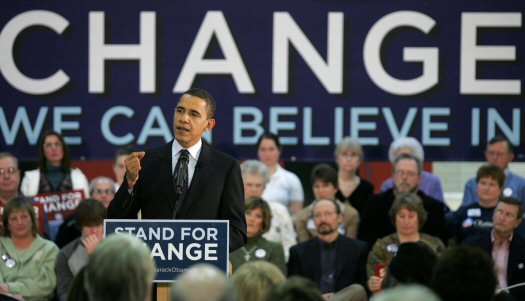
To that end, California’s Proposition 215, now celebrating its twelfth anniversary and having induced more chronic users to leave their closets (at least partially) than in any other state, becomes a logical focal point for “Change We Can Believe In.”
Although not a slam dunk, there are hopeful signs: of the two presidential candidates, Obama acknowledged his own initiation and use of illegal drugs more honestly than Clinton, Gore, or Bush. He was also the most outspoken ever in his support for medical marijuana Although the pre-Baby Boom McCain didn’t have to lie like Bubba or Dubya, neither did he hide his contempt for pot smokers.
For those and several other reasons, I believe a concerted effort to focus the Obama Administration on various specifics of the California experience with Proposition 215 is virtually without risk and might pay dividends more quickly than many could now imagine.
Doctor Tom
Posted by tjeffo at 05:01 PM | Comments (0)
October 31, 2008
Ripple Effects: Methane, Global Warming and Human Obesity
The last entry called called attention to the early weaning of piglets as a consequence of the industrial scale animal production that has been quietly replacing the traditional family farms that used to supply most of our food. A report from Pew Research details the most obvious problems related to such techniques: contamination of the environment by huge accumulations of animal waste, increased risk to human health from animal pathogens, and the misery of the animals themselves, confined for their entire lives under cruel and inhumane conditions.Anyone who’s had occasion to drive past the Harris Ranch on Interstate 5 in California’s Central Valley knows exactly what I’m talking about; I did so about 10 days ago and found the odor as overpowering as ever. Two new concerns have recently been added to those noted in the Pew Research report. One, somewhat surprisingly, relates to global warming: it seems the methane produced by all those animals doesn’t just smell bad and blight the local environment; it also traps enough heat to equal the effect of the CO2 from all our SUVs. There are also more subtle hazards related to confining ruminants that had evolved to graze on grass in filthy pens and feeding them barley and corn for their entire lives. It does enhance profits by accelerating their growth and shortening their lives, but iat the expense of producing unhealthy animals requiring antibiotics and hormones right up until the time they are slaughtered and eaten by unwitting human consumers.
Finally, all those calories have been helping make those human consumers increasingly obese at alarming rates each passing year. Among several unhealthy consequences speculatively linked to that extra weight are a real increase in type two diabetes, more prevalent hypertension, and an increase in once-rare esophageal cancers associated with reflux esophagitis (GERD).
Of particular interest to me is an additional possibility: our continued addictive cigarette smoking, excessive alcohol consumption, and overeating may well be related to the ambient increase in stress and anxiety being generated by a vicious cycle of overpopulation and increasing competition.
Doctor Tom
Posted by tjeffo at 02:57 PM | Comments (0)
October 28, 2008
More on Stress and Overpopulation
This morning, I awakened to an engrossing documentary on the Discovery Channel dealing with the behavior of piglets weaned prematurely in the interests of increased pork production. Such practices are now routine in a Food Industry that has been growing quietly since the end of World War II to feed the Earth’s booming human population.As has been noted here, other trends, similarly unnoticed, developed over that same interval, only to result in late repercussions now classified under the generic term of blowback.” Two classic examples from the early Fifties, one in Iran, and another in Guatemala, were at first considered “victories;” they didn’t begin to cause trouble for the US for twenty-five or so years, but their, and other sequellae remain major thorns in our side.
What does all this have to do with pot or the drug war? Only that the prematurely weaned piglets' behavior (I have yet to find a URL for that program) is very similar to that of human children labeled with ADD and the ambient stresses of our modern world are clearly exacerbated by overpopulation. Finally, a famous experiment with rats from the Fifties and a less well-known study of mice done by the same investigator in the Eighties, support very similar conclusions.
Oh, yes, “stress” may be the most common and least understood symptom now troubling humans. Ironically, it's also being inflicted by us on record numbers of the animals we are raising to be our food. If we are unwilling to provide them with a humane amount of space in which to await their slaughter, perhaps we could at least add cannabis to the antibiotics and hormones we are now treating them with.
Doctor Tom
Posted by tjeffo at 03:34 AM | Comments (0)
October 25, 2008
Greenspan’s Comeuppance: Not Entirely Fair
In an historic mea culpa, former Federal Reserve Chairman Alan Greenspan schlepped up to Capitol Hill this past Thursday and confessed “shocked disbelief” at the mess affecting American (and world) capital markets. He was then grilled relentlessly for four hours by a once respectful Congressional committee seeking to fix blame for the crisis that began emerging last Summer with the unraveling of the sub-prime mortgage market.Given that he had been Fed Chairman for over eighteen years and argued persuasively for the deregulation that allowed such “toxic” financial products to be devised and marketed, Greenspan certainly had played a key role, but he’d also had a lot of help, as (partially) revealed in an unsigned Wall Street Journal opinion piece.
Without the eager cooperation of an enormous and highly competitive Financial Services Industry, the grotesque practices revealed in the wake of the sub-prime debacle and the crash we’re now experiencing with its (as-yet) unknown consequences would not be occurring as it is. Thus it’s disingenuous to blame one man for not anticipating how corrupt an entire industry might become when left to its own devices.
On the other hand, Greenspan’s tenure also includes the Savings and Loan bail-out, the creation of modern interest rate futures that precipitated a crash in 1987, and Enron’s disastrous experiment with energy futures towards the end of the Nineties. Greenspan also seemed more willing to cater to the economic needs of the younger President Bush after 9/11 than to the elder after the Gulf War.
That’s just my opinion, of course, but it’s an opinion recently informed by a series of unlikely events that allowed me to seek answers to questions no one else has wanted to ask out loud, such as: why has such an obviously stupid drug policy been so resoundingly endorsed by the entire world for over forty years?
The apparent answer is that whenever something is banned, a potential for illegal profits is created. We humans are so competitive that when there are enough buyers to create an illegal market, the “ripple effect” of the profits generated will corrupt enough social institutions to sustain those markets indefinitely. Ironically, the single major exception to that general rule may have been the Great Depression, which is now conceded by many to have been decisive in ending America’s “Noble Experiment” with Prohibition.
Certainly, not everyone will agree with that analysis, but we may now be on the threshold of a repetition that could confirm it while answering some additional questions: why have the watchdogs of Science given NIDA a pass for both its grotesque distortions of their principles and the disastrous policy it has been defending since 1975?
The clearest message to be derived from the never-acknowledged, failures of every attempt at a national prohibition policy in history may be that opportunities for profit are exploited even more quickly and relentlessly by illegal markets than by legal ones. Recent experience also suggests that neither the business practices, nor the money generated by illegal markets can be isolated from the rest of society. Finally, a close look at history reveals that the complex governments humans have created since (separate) Agricultural Revolutions began evolving have all relied on violence to sustain their growth.
The rock upon which attempted prohibitions, unregulated “legal” markets, and our governing institutions all seem to crash eventually may well be our competitive human instincts.
Thus Walt Kelly may have been right; let’s hope that Legalization will not have a cost comparable to that of Repeal.
Doctor Tom
Posted by tjeffo at 06:58 PM | Comments (0)
October 24, 2008
Continuing Uncertainty
Given the recent decline of the American-led global economy and the undeniable unpopularity of the incumbent, we might be set up for a replay of 1932 were it not for the fact that the candidate challenging the party in power is the product of a biracial marriage and overwhelmingly perceived as “black.”With the election now less than two weeks away, polling results are still all over the place and obviously being manipulated by spin doctors of both parties, even as the Dow continues its saw-tooth march towards a “bottom” no pundit is willing to forecast publicly, but some concede could last “a long time” (a few are even mentioning the D word).
Even though the Democrats are generally conceded to be ahead, no one is claiming a slam dunk and a tight race is being predicted as their candidate takes time from the campaign to visit his ailing (white) grandmother in Hawaii.
All of which reinforces several points I’ve been pressing in this blog since it started. Historically, American drug policy has been a travesty that began modestly enough with a deceptive intrusion into medical practice in 1914, was expanded through a similar ploy in the late Thirties, and was then radically expanded by an insecure liar thirty-two years later.
The common denominators of our frightening economic plight and the drug war’s long-protected failures are the fears shared by most, (probably all) humans and the denial those fears inspire to a variable degree in everyone.
That some critics, including many pot smokers themselves, have to deny its palliative anxiolytic benefits becomes a bit more understandable in light of the present crisis in which economic pundits shy away from the “D” word, their political brethren minimize the influence of “Race,” and the federal government’s expenditure of billions to convince us that self-medicating our emotions with anything but caffeine, alcohol, or nicotine is both sinful and deserving of imprisonment.
Doctor Tom
Posted by tjeffo at 07:09 PM | Comments (0)
October 22, 2008
The Problem of Knowledge
In the little over three years since this blog was started as an attempt to explain an ongoing clinical study of cannabis use started in the Fall of 2001, it has grown to include more than three hundred individual entries. While most relate to American drug policy, particularly as related to the 1937 ban on cannabis instigated by Harry Anslinger and/or the war on drugs launched in 1969 by Richard Nixon, some deal with the policy’s earlier roots in the Harrison Narcotic Act of 1914.Many individual topics were chosen because an item in the news seemed to illustrate a particular point; others, usually concerning more complex issues, were dealt with piecemeal, with an effort (not always successful) to link newer entries to the earlier ones they expanded on.
The result has been that, over time, I have been forced to literally acquire new information in public while investigating certain common themes, many of which turn out to relate directly or indirectly with what might be called the “knowledge problem” and summarized as, “how do we know what we know?” I hasten to add that to the extent possible, I have tried to focus on observations, as opposed to beliefs, while realizing that those two categories are easily confused. The most succinct generalization of what seems the study’s most controversial finding to date is not that pot use can be medical, or even the unexpected revelations that its huge popularity is related to its potency as an anxiolytic, but that the continued global endorsement of an irrational and unscientific ban on all use is evidence of a peculiar evolutionary quirk in our cognitive machinery; one that didn’t become an urgent threat until relatively recently when critical Western knowledge, preserved and further enhanced by Middle Eastern scholars during the Middle Ages, was rediscovered during the Renaissance and ultimately led to the emergence of empirical Science between the mid Sixteenth and early Nineteenth Centuries.
The developments currently threatening modern humans are generally related to global overpopulation; itself made possible only because Science has been used so uncritically by humans to pursue the wealth it made possible.
Because we may now be close to the limits of change our planetary environment will tolerate and (dangerously) resistant to their recognition, the American Presidential Election scheduled to take place in less than two weeks is clearly the most important ever.
Doctor Tom
Posted by tjeffo at 04:23 PM | Comments (0)
October 17, 2008
Important Questions
Are we in the dire economic straits claimed by a majority of financial experts or is the problem simply being oversold? Is the ambitious bail-out now unfolding incrementally just another scam intended to enrich Wall Street at the expense of Main Street, or is it an essential last minute global rescue we delay at our peril? How can these questions remain unanswered with the most unusual and important Presidential Election in history less than three weeks away?In essence, there is a welter of conflicting opinion being voiced against a backdrop of deepening uncertainty. To the extent those humans with the biggest stake in the complex global economy are even able to focus on current events, they must be asking themselves: can this really be happening? If so, how did we get into this mess? What can be done about it?
Addressing these problems as succinctly as possible, it has now become clear to this observer that human behavior is the culprit. While the details remain to be worked out, the mechanism responsible is clearly the intrinsic conflict created by desires originating within our highly evolved, but developmentally older, emotional centers for the cascade of technology produced within the last few centuries by our more recently evolved rational centers.
In retrospect, that mismatch has been present throughout human history; the dimensions and acuity of the present problem are primarily functions of the enormous increase in wealth generated by unchecked exploitation of scientific technology in the service of the same decision making organizations that have controlled a majority of humans ever since the Industrial Evolution began.
So much for the diagnosis. The most difficult part will be therapy, which is, of necessity, uncertain and can’t even begin until the denial mechanisms now in place have been recognized and eliminated to the extent possible.
Doctor Tom
Posted by tjeffo at 04:49 PM | Comments (0)
October 16, 2008
Population and Policy
Estimates of global population generally agree that the turn of the Nineteenth Century was the first time Earth’s human population reached a billion. The interval covered is but a tiny fraction of what most authorities now consider the age of the universe. Where there is serious disagreement is in projections for future population growth. A further implication is that as time from the present increases, the accuracy of such estimates diminishes.
imprecision in making such estimates is inevitable; and applies similarly to current estimates that 6.7 billion humans are now dependent on goods and services produced and distributed by an abstraction known as the Global Economy. That economy just entered a state of flux not seen since the Great Depression and is being manifested in the US by increasing job losses and eviction notices, both of which are expected to rise and could easily lead to an increase in ambient levels of anxiety and anxiety disorders; to say nothing of crime and social disorder.
We are the only species with sufficient capacity for that degree of abstraction, the ability to fret about such numbers, and the desire to choose “Public Policies” intended to restrain our worst behaviors. Unfortunately, that capacity may be based on two separate, but related abilities: one for rational thought and the other for emotional expression.
Ironically, they seem to conflict: although our rational thought eventually led to Science with its enhanced “control” of the environment, our emotions have clearly encouraged our use of that power to a degree that now threatens our existence.
Equally clearly, what we desperately need as the US gets ready to choose its 44th President, are some new insights into the behaviors that got us into this mess.
Doctor Tom
Posted by tjeffo at 10:49 PM | Comments (0)
October 12, 2008
Another Great Depression?
The last time financial markets were as shaken as they are now was October 1929, when three tumultuous days signaled trouble to an oversold stock market that had been encouraging small investors to buy stocks on margin in the hope that then-record prices would continue to rise. Several hasty moves by large banks delayed the ultimate market descent to an early 1932 nadir from which recovery would not be complete until after World War Two. Needless to say, the Great Depression played a key role in Twentieth Century history; but we were reassured by most economists after the War that because the mistake made by Herbert Hoover’s conservative administration— not promptly supplying credit markets with the necessary liquidity— would never be repeated, we shouldn’t see another financial calamity of similar magnitude.Indeed, although there have been several market “bubbles” over the years, (16 is a number I heard recently), none came close to a full fledged depression in either the depth of the sell-off or its duration. The economists seemed to be right.
But they may not have taken full account of a modern world that’s not only more populated with humans than in 1929, but moves at far greater speed, and is even more dependent on credit. Nor do they seem to have factored in the number and complexity of products sold by a variety of financial institutions, which had also been growing alarmingly; even as the regulations intended to control such sales were being discarded or ignored. What now appears to be happening (to my economically untrained eye) is the beginning of another severe depression with the potential for inflicting even greater damage than the last one.
What concerns me even more is that, based on the study of drug users I’m engaged in, it’s our behavior as a species that is most to blame. Although our religious beliefs imply otherwise, a substantial percentage of humans are motivated strongly enough by their emotions to steal and cheat for goals they regard as critical if conditions permit.
The behaviors of which I speak are now on display 24/7 on the world’s TV sets, even as experts try, oh so reluctantly, to decide if we're headed into a major depression from which recovery will be difficult.
There’s obviously a lot more to this complex story, but I’ll stop here before considering the evidence for my dire assessment of human nature in another installment.
Doctor Tom
Posted by tjeffo at 07:21 PM | Comments (0)
October 11, 2008
Toxic Products
In an interesting juxtaposition, accounts of “toxic products” sold by two highly competitive economies are very much in the news. One refers to the sub-prime mortgages that were sold by American lenders to home owners and other borrowers during an interval of rapidly rising real estate prices. They were then subdivided, spread among complicated derivatives, and sold to large investors, including overseas banks. The current global financial crisis was triggered when individual borrowers around the US began defaulting on their mortgages, ultimately producing a generalized loss of confidence in global financial markets similar to the one that led to the Great Depression of the Thirties.The other toxic product is melamine, a complex synthetic chemical, once thought to have potential use as a fertilizer because of its high nitrogen content, but subsequently found unsuitable for consumption for a variety of reasons, most of which were related to its toxicity. Nevertheless, because it had proven very useful in a number of commercial processes, it had become a fungible commodity and was produced in large amounts.
Starting in 2007, China, which had accumulated large surpluses, was identified as the source of melamine introduced into pet food products, apparently to increase their nitrogen content (and thus their commercial value) on standard tests for protein that rely on nitrogen content. The problem has since been compounded by the discovery of melamine in food products intended for human consumption and being sold both overseas and in China.
The attendant publicity has produced a panic among all consumers of Asian food products. It will apparently require newer, more complex tests for nitrogen content in food to identify and exclude those products adulterated with melamine. In the meantime, confidence in any processed foods from China will be affected, and no one knows how long it will take to be restored.
What the two examples clearly have in common is a pervasive tendency of humans to cheat in order to gain commercial advantage, a tendency that, once acknowledged as a species characteristic, can be readily identified throughout recorded history.
The problem thus really boils down to a straightforward question: how do we protect ourselves against our own dishonesty?
Doctor Tom
Posted by tjeffo at 05:28 PM | Comments (0)
October 09, 2008
The Iraq-Credit Crunch Connection
It’s somewhat surprising that so many pundits commenting on the financial melt down seem to be at a loss as to how it all came about. They even seem surprised that it has pushed the Iraq war off the front burner as an election issue.Have they forgotten so quickly about guns and butter? We tried to fight an expensive war in Viet Nam without cutting civilian consumption and paid a high price for that classic error. One feature is that Viet Nam's cost was ultimately worsened because Nixon’s policy of prolonging the war intersected with an important economic turning point: in 1973 the US became a net oil importer for the first time. An additional factor, clearly more important with respect to Iraq, is that when tax dollars are spent on armaments, they at least stay in the economy; when they are stolen by theives, they are rarely invested in wothwhile projects.
The current war in Iraq, eminently avoidable and never amenable to traditional “victory,” has proven even more expensive than Viet Nam because so many military support functions were privatized by the Bush Administration; to say nothing of the futility of continually rebuilding an infrastructure that's being destroyed in a war in which the outcome is still uncertain.
Doctor Tom
Posted by tjeffo at 05:25 AM | Comments (0)
October 02, 2008
Pernicious NIDA “Science”
One doesn’t have to be a genius to understand why Science is supposed to be unbiased. It's also easier to preserve the required objectivity in some areas than in others, which is one reason federal meteorologists are better at predicting hurricanes than the DEA is at shutting down illegal markets. That’s also why, after learning more about drug policy, I’d been increasingly distressed by the craven deference routinely exhibited towards the drug war by scientists and other members of Academia. For those not in policy-related disciplines,support could be passive; however, those in the Behavioral Sciences are expected to display a politically correct response to any suggestion that a “drug of abuse” might be useful. All are considered “bad” for the health of the user, as well as immoral. Also, any use at all is thought to risk addiction, for which the only acceptable treatment is abstinence, coerced when necessary.In other words, based only on what I already knew about drug policy failures from 45 years of surgical practical, I knew most drug war propaganda was nonsense; but was unprepared for just how egregiously mistaken our cannabis policy had been. At first I was hopeful that its huge logical flaws would place the policy in an indefensible position.
Then I discovered the extent to which reformers nominally opposed to the drug war harbor several different opinions on the key issue of “medical” use; with some almost as strict as the feds. in fact that reformer penchant for disagreement may be one reason the punitive thinking of the generally more cohesive Republican minority continues to dominate drug policy issues despite its obvious intellectual shortcomings. In essence, somewhere between Nixon and Reagan, reform seems to have unwittingly conceded the moral high ground to the completely illogical policy of their political opponents.
That's very similar to the recent response of Congress in voting down what they saw as a feckless bail out of Wall Street. What they still may not understand is that no one knows for sure what would happen if the global economy grinds to a halt in today’s world of nearly seven billion. It definitely won’t be pretty; there could be enormous pain, and the duration would be anyone’s guess.
I’d rather not find out.
Doctor Tom
Posted by tjeffo at 08:40 PM | Comments (0)
October 01, 2008
Is There a Lesser Evil? (Personal)
For me, one of the more intriguing aspects of the current charade is the difficulty would-be commentators have in admitting the massive global economy we humans have evolved to nourish and enrich us is so riddled with dishonesty as to be functionally beyond the “control” of any one entity.That such dishonesty has always been characteristic of human behavior is a matter of record; written history can be reduced to a chronicle of the wars of conquest waged by stronger political entities against those perceived as weaker.
Thanks to Science and the Industrial Revolution, the human population has increased spectacularly in the last two-plus centuries. It's now so large that the size and complexity of the economy needed to sustain it encourages a degree of corruption capable of destroying the confidence all markets require to function. Historically, the first market collapse with that potential was the Great Depression, a phenomenon that wasn't over until World War Two supplied the industrial stimulus needed to put everyone back to work. In a real sense, our modern world was critically shaped by two overlapping phenomena: the first began in October 1929, and the second ended in August 1945.
Most economists now agree the failure of the Hoover Administration to supply enough liquidity to the banking system triggered a credit freeze that critically exacerbated and prolonged the misery of the Great Depression. That several other factors such as the get-rich-quick mentality of the Twenties, the staggering lawlessness of Prohibition, and the environmental ignorance that produced the Dust Bowl also contributed to that misery doesn’t alter their belief that allowing credit markets to die was both a critical error of that debacle and one we are now in danger of repeating.
Time is critical: businesses require that deadlines for payment be honored; once it has failed, a business can’t be resuscitated. Those dependent on its salaries are out of work and a pernicious domino effect has been set in motion. It was that simple principle those voting against the “bail out” didn't understand. There are encouraging signs that enough may now recognize their error and pass an economic stimulus in time; but their ignorance was forever recorded on Monday.
The end of World War Two triggered a global economic boom that began in America and quickly spread around the world, even as former European colonies were fighting wars of national liberation that became entangled in the politics of a forty year Cold War that narrowly averted nuclear catastrophe by only competing economically after the Cuban Missile crisis.
Since the end of the Cold War in 1989, the substrate for global conflict has remained the glaring economic disparity between rich and poor; however boundaries are less national and more likely to be subdivided by religious and ethnic conflicts with even deeper roots. Quite apart from the difficulty of resolving religious issues through political negotiation, even more difficult problems confront world leaders: the internet has greatly facilitated both the propaganda efforts and the command and control functions of loosely affiliated terrorist networks. It has also made technology-dependent Western economies more vulnerable to inexpensive attacks.
Beyond that, widespread use of suicide bombing as weapon of choice has unsettling implications. Neither side in the Cold War saw suicide as either a weapon or a solution to earthly problems, thus the conflict could end when the destruction of the Berlin Wall symbolized the political break-up of the Soviet Union.
On the other hand, beliefs uniting Islam have, if anything, been strengthened by the warlike response to 9/11 adopted by the Bush Administration. Compounding the political cost of an unnecessary war has been the economic cost of the corruption with which it has been fought.
The American President to be chosen on November 4th is likely to be the most important in our history. The candidate who participated in the Viet Nam War and still thinks it should have been “won” clearly doesn’t understand either history or the issues.
That he might actually win is almost as frightening as the possibility Congress may fail to rescue the economy before Election Day.
Doctor Tom
Posted by tjeffo at 05:21 PM | Comments (0)
September 30, 2008
No Bail Out
Throughout the strange economic drama that’s been unfolding in Washington and elsewhere, the predominant theme has been one of mystery; with most observers seeming to agree that something terrible could happen to the economy if emergency measures adding up to a “bail out” were not taken promptly, and indeed; a number of such measures, each of which was an unprecedented exercise of federal authority over a large financial institution, had already been taken, with no end in sight. Wall Street, as reflected by the Dow, was still reacting in muted fashion as were overseas markets, at least, to the extent reported here in the US.A NYT editorial published the the day after Bush’s dissembling attempt to explain the crisis on National TV castigated him for lack of leadership and complained that the two men vying for his job were also being less than forthcoming.
After learning that the bail out had just been defeated by Republicans in the House, I can’t resist a faint hope that the financial crisis thus prolonged by their ignorance will at least allow a long overdue opportunity for less doctrinaire humans to come to grips with the role played by our species’ intellectual dishonesty, greed, and fear in the creation of these recurring debacles.
How could that happen? Hopefully, through a realization that judging a morally neutral universe in moral terms inevitably leads to folly and that if we really want honesty in government, genuine transparency is far more valuable than the (inevitably) false promises of politicians.
Doctor Tom
Posted by tjeffo at 04:57 PM | Comments (0)
September 28, 2008
A Different Take on Cognition
From an atheist's point of view, man’s discovery of Science was more likely to have been a fortunate random opportunity than the plan of an omniscient deity. Indeed, so recently, and so rapidly, has knowledge of our own cognitive function been evolving that even though we’d already been on earth a few hundred thousand years and discovered literacy, commerce, and agriculture, it wasn’t until the same Scientific advances that produced an Industrial Revolution in the Nineteenth Century were further accelerated by an IT (Information Technology) “explosion” in the Twentieth that we would discover we may have been doing serious damage to the planetary Ecology; also that we have yet to learn its full extent.
Nevertheless, those most affected (and with the greatest vested interest in denial) have also been the most vigorous at resisting any cut in commercial activity. it’s also becoming increasingly clear that fixing our most difficult problems may require a thorough overhaul of human notions of goodness and morality. Indeed, the degree to which our species proves unable to confront its own intellectual dishonesty and think objectively could determine our recovery from the series of behavioral crises now confronting us.
It’s now clear that the most common error of the men who started thinking about the universe was also the most predictable: their ignorance of that universe would lead them to take themselves far too seriously and uncovered a strong defensive tendency: codifying that ignorance as (admirable) religious faith and thus helping a cruel prohibition policy to masquerade as “Public Healtrh.”
Clearly, until Mankind’s residual Science/Faith Dichotomy can be peacefully resolved, it’s difficult to imagine much progress in settling other basic conflicts. But I also now see some good news: the de facto acceptance California’s gray medical market is real and will have to be dealt with, just as will a parallel realization that our economy, which had been rigged in favor of rip-offs for decades, has just been pushed to a point of near collapse.
Doctor Tom
Posted by tjeffo at 08:28 PM | Comments (0)
September 25, 2008
A More Realistic View of Human Nature
As mentioned earlier, we humans compete with our brains. What we seem to have lost sight of since Darwin came up with the concept now known as Evolution is that his explanation (“survival of the fittest”) implied a competitive relationship between various life forms without actually stating that one exists or exploring the concept in much detail. An additional implication, more widely accepted in Darwin’s day than now, was that the universe created by an omnipotent humanoid god would presumably be an orderly one. Given that organized religions were seriously divided over Darwinism by the Twenties, it shouldn’t surprise us that ardent creationists, who still abound, are working harder than ever to advance their agenda politically, a fact suggesting that religious beliefs have always influenced political reality despite the express wishes of America’s founders (also contemporaries of Malthus) to the contrary.
Doctor Tom
Posted by tjeffo at 09:58 PM | Comments (0)
Hiding in Plain Sight
Next, I listened to pundits spin the day‘s events while never once questioning Dubya’s assumptions. No mention of endemic dishonesty; they seemed to think of the Great Depression as the worst possible disaster without realizing that the damage produced by a similar failure on today’s speeded up and overcrowded planet would be immeasurably worse.
This morning it finally hit me: There is very little difference between legal and illegal markets in the modern era because both faithfully reflect our human proclivity for dishonest competition, another characteristic we have extreme difficulty copping to for what may be the most existential of reasons: it would confirm, one way or another, that our species’ tenure on this planet is not unlimited.
All that’s necessary to adjust that concept to the modern world is to realize that, once it started evolving, Science would become an increasingly dangerous tool in human hands.
This is starting to add up to another idea people will hate, so I’d better leave it right here for now.
Doctor Tom.
Posted by tjeffo at 05:57 PM | Comments (0)
September 24, 2008
Embarrassing Questions
I never expected to be blogging about Economics on an almost daily
basis, but the real-time saga now unfolding before our eyes simply
can’t be ignored; at least by some of us.One of the many questions literally screaming to be answered is: how can we trust the pathetic parade of liars “explaining” the financial crisis they helped create, but still clearly don’t fully understand, to a befuddled nation that trusted them enough to create it?
I’ve already provided my own credentials: seven years studying the results of pot prohibition, another amazingly dishonest US Federal Government folly, through the medical histories of its victims.
Yesterday, on the way home, I listened as Terry Gross received an emergency briefing from NYT columnist Greta Morgenson, who explained the crisis rather simply: it was just another Ponzi scheme like the S & L crisis of the Eighties, or the Enron debacle that oozed out of Houston shortly after “Kenny Boy’s” most important crony had been appointed to the Presidency by a Supreme Court packed by his wussy old man.
What Morgenson left out of her seemingly erudite explanation were answers to a lot of questions neither she— nor the other experts explaining the crisis— ever bother to ask:
1) What has been the role of a feckless and unnecessary “war or terror” that seems to have benefitted no one but the friends of the current administration while compounding our national debt at an unknown rate?
2) Hasn’t this same brand of reckless financial dishonesty been characteristic of human behavior for centuries? Wasn’t the tulipmania of Seventeenth Century Holland a prime example? As it turns out, those with a vested interest in speculation have, like modern Holocaust deniers, even tried to revise that relatively straightforward bit of history.
The really BIG question all experts, including those who were complicit in creating the current problem, are now posing is: if we don’t quite understand the problem, but now know “regulation” was inadequate, how can we believe that those asking for $700 billion won’t simply skim as much as they can and then leave the US taxpayer holding the bag?
Again, the question left unasked is even bigger: how will our creditors around the world respond to the so-far nebulous plan of the world’s biggest deadbeat to make itself (and them) whole?
Just asking,
Doctor Tom
Posted by tjeffo at 05:21 PM | Comments (0)
September 19, 2008
What Economy?
Back in March, I pointed out that the housing crisis then being so vaguely described might be obscuring a national bankruptcy. Recent events: the demise of Lehman Brothers, the Freddy and Fannie bail out, an unprecedented federal loan to AIG, render that speculation less far-fetched. Even after those measures, the state of the economy was still worrisome enough on Thursday to push news of Hurricane Ike and the virtual destruction of Galveston from front pages and generate a meeting of shaken government leaders in DC.After reading a few descriptions of how the sub prime mortgage mess had been created, I’ve come to realize that the rampant official dishonesty that had become intrinsic to the war on drugs has also become the standard for those charged with overseeing our economy. The principle difference seems to be that our drug policy stalwarts pay some attention to the criminal markets they oversee, whereas our financial regulators have remained oblivious to the ones they were permitting to develop.
Eight years of accelerated dishonesty and theft by the incumbent administration seem to have produced a perfect storm in which crises generated by their policies are popping up so rapidly in its last days that no one knows what the next will be: food riots? energy shortage? extreme weather? terrorist attack? or new market failure?
The major cause of that particular uncertainty here in the US is now obvious: few know how much they are worth for the simple reason that investor confidence in the stability of the world’s most critical markets has been shaken as never before, and we live in an interdependent world of almost seven billion people in which a larger fraction than ever depends on the global economy for sustenance.
It has to be pretty scary when a physician who never took Econ 101 can put his finger on the problem. Yesterday, it was suggested that global anxiety is having an increasing impact on human behavior.
Few developments could be more anxiogenic than a global economic melt-down. Osama bin Laden’s attack on the West seven years ago can now be seen as an almost perfectly timed invitation to suicide.
Doctor Tom
Posted by tjeffo at 04:34 PM | Comments (0)
September 17, 2008
More on Denial; how pot’s anxiolytic properties led to a perfect storm in 1968
Regular readers of this blog (I’ve met a few) will recognize that I’ve become preoccupied with denial; especially in the context of what is never admitted about American drug policy: that it’s been an abysmal failure almost no one will discuss truthfully and its tax-supported propaganda is being produced by the Behavioral Sciences under duress from the federal government.Lately, I’ve also been stressing that drug policy isn’t the only thing we don’t discuss truthfully; in fact we humans tend to avoid a whole range of potentially embarrassing subjects, especially those that require admitting a mistake. One of the more obvious results of that mass denial is the current fragmentation of media markets which is further encouraged by new technology allowing simultaneous publication (broadcasting) of several different flavors of truth (“spin”).
A logical consequence in a world where time and the need for sleep have remained unchanged is that the reasons behind unpopular rival opinions are rarely discussed, let alone seriously considered.
To return to my study; its original objective, that of defining the medical use of marijuana, was accomplished fairly quickly once I understood why pot had become so popular with American Baby Boomers as they began coming of age. In essence, pot’s unique anxiolytic properties made it a favorite with troubled youth. Unfortunately, the sheer size of their generation and the assertiveness with which they were rejecting their parents’ values also led to the disastrous election of Richard Nixon in 1968.
It can now be appreciated that whereas World War Two had been accepted as a necessary evil by their fathers, the prospect of being drafted right after High School and sent to fight in a poorly understood war wasn’t seen in the same light by their boomer sons. 1968 became a watershed; the Tet offensive in February prompted Lyndon Johnson to withdraw from the presidential race in March, the assassinations of MLK in April, and of RFK in June, were seen as progressively chaotic events by a majority of conservative elders and rebellious young people were seen as the cause. It also became logical to blame the counterculture for the police riot broadcast on national television during the Democratic National Convention in Chicago. The summation of events combined to give Nixon an early lead that might not have lasted had Eugene McCarthy chosen to speak out before Election Day.
Another unforeseen consequence was that, thanks to Harry Anslinger’s malign influence at the UN, the drug war had been internationalized in advance and served to jump-start individual global criminal markets for whatever items would listed on Schedule one by a medically ignorant Attorney General.
Although Nixon was driven from the White House by his own malfeasance, the drug war remained intact until the DEA and NIDA could be created under the caretaker Ford Administration. Next, Jimmy Carter’s political ineptitude and the first stirrings of what would eventually become a frightening cocaine market set the stage for the Reagans and “Just say No.” Finally, the irrational fear inspired by crack stampeded the Democrats into becoming drug warriors.
Thus there are several misconceptions that will have to be undone before we can contemplate a rational drug policy. Unfortunately, the human penchant for denial, along with our preoccupation with more pressing errors, may keep us from realizing that our own competitive nature and innate dishonesty are key elements we will have to deal with first.
Doctor Tom
Posted by tjeffo at 07:33 AM | Comments (0)
September 10, 2008
Proposition 215 and the Drug War: 1
As the twelfth anniversary of Proposition 215 approaches, I thought it might be a good time to review what a study of applicants hoping to use cannabis under the terms of California’s initiative reveals about use of cannabis (“marijuana”) in contemporary America and perhaps more importantly: what the rigorously enforced criminal prohibition of its use tells us about “human nature.”The following is part 1 of a still undetermined number of entries I hope to finish by November 4. Just how many installments it will take will depend on how busy I am and how much detail I’ll be satisfied with. Like everything else in this blog, it’s very much a work in progress.
In November 1996, 56% of California voters surprised experts by approving the nation’s first medical marijuana initiative (Proposition 215), defying the near-unanimous advice of all living ex-presidents, most state officials, and an overwhelming majority of elected politicians. Although I’d favored the initiative myself, expected it to pass, and thought I was reasonably well informed on drug war culture, the degree to which both 215’s supporters and opponents were lacking a coherent plan for the post election period surprised me. I now realize I had underestimated both the depth of their disagreement and the willingness of drug war supporters to completely disregard the letter and spirit of the new law. Later I would discover the degree to which the reform side was willing to shoot itself in the foot because of rigid commitment to a strategy which, although less implacable, was almost as blind to new information as their opposition.
California legislators usually pass “enabling” legislation to guide the implementation of successful initiatives, but in this case, the determined opposition of police and other key participants froze that process at the committee level for over seven years. It wasn’t until October 12, 2003 that a severely watered down bill (SB 420) was signed by Gray Davis, who would soon be recalled himself, one year into his second term.
After eight years of legislative gridlock, and nearly four of chaotic law enforcement, SB 240 has produced a statewide pattern in which harassment of participants in the emergent gray market varies from county to county and time to time; however the default has consistently been anti marijuana. Nevertheless, the big picture seems to be slowly changing in one important respect: opponents of any marijuana use seem to have finally accepted that the initiative can’t be canceled. They are now using their bureaucratic dominance to obstruct it to the extent possible. That they are enjoying some success is confirmed by scattered press accounts and troubling anecdotes I hear on a weekly basis from people seeking recommendations.
To return to the (almost forgotten) interval between 1997 and 2001, the vacuum following 215’s passage was critically important because it allowed scattered gray markets offering some form of quasi-legal retail distribution through “buyers’ clubs” to spring up in pot friendly areas. After that, passage of SB 420 and the predictably hostile June, 2005 Supreme Court decision in Raich, severely jostled those markets, but it now appears that, in the absence some external calamity, rapidly acting cannabinoids and/or cannabinoid agonists will eventually become legally available by prescription.
I’m basing that prediction on recent developments in those still-evolving markets and a growing public awareness that “stress” is both endemic in modern society and an important cause of individual and societal dysfunction; also an increasing parallel awareness that cannabinoids can safely and effectively counter the most common anxiety syndromes.
This seems like a good place to stop. The next installment will deal with a fundamental issue: inhaled pot’s efficacy and safety as an anxiolytic.
Doctor Tom
Posted by tjeffo at 10:45 PM | Comments (0)
September 02, 2008
Unscheduled Replay
Ever since this amazing Presidential campaign began (right after Dubya's second inauguration) it’s been obvious that the last quarter of 2008 had the potential to become a political watershed rivaling that of 1968. Given that both Labor Day and the GOP National Convention had long been scheduled for September First, an improbable replay of Katrina on the same day became an unanticipated opportunity to watch history being revised in real time.I can’t help noting that the simultaneous cancellation of most GOP opening ceremonies in Saint Paul actually heightened my own understanding of the degree to which greed and the pursuit of financial power have been central to the GOP's denial of global warming and its stubborn denial that petroleum consumption has impacted weather patterns has not impressed many others with an ability to understand the logic of empirical science.
A further irony is that FEMA’s frantic efforts to show how much they learned from Katrina also reminded many of how inept they were three short years ago. Indeed, an important reason FEMA’s job was easier this time around is that New Orleans' population is still only a fraction of what it had been before Katrina.
Parenthetically, I’m able to point out a few of the most grotesque absurdities now evident only because history is being so compressed by technology that its principal actors have such limited time for devising plausible cover stories.
A remaining variable, one that will be tested later this Fall, is the degree to which the American public has overcome its endemic racism.
Doctor Tom
Posted by tjeffo at 04:54 AM | Comments (0)
August 31, 2008
Willful Blindness?
Although the intensity with which our modern world prefers wishful thinking to reality has been gradually revealed to me over the past several years, there are still times I find it shocking. That’s when I need to remember that not long ago, and to the extent I thought about it at all, I assumed the drug war was a politically correct nuisance humanity could afford.However, aggregating the histories of thousands of illegal pot smokers demonstrated the (unanticipated) degree to which a pervasively false doctrine can weaken society; also how the history of global marijuana policy, within the context of what was actually known about pot and what were asserted to be its dangers, is one of shocking dishonesty and ignorance at the highest levels of both government and Science.
That discrepancy between fact and drug war dogma has become so great that one can say with confidence the policy will be forced to change dramatically; but how soon, how quickly, and how much, are still completely uncertain.
But the longer that repudiation takes, the greater will be the embarrassment our species will have to deal with. On the other hand, just recognizing that we have to deal with it could be a very hopeful sign of progress.
To put it into a more practical focus, when Obama was listing the vexing policy issues his administration plans to address, the drug war wasn’t among them. That no one listening to the speech would have expected him to mention drugs is a measure of the honesty-in-policy and honesty-in-government problems our species must still deal with.
I can't help noting that the SF Chronicle's glowing comments on two recent press releases from the AG's office demonstrated just how little both our former "Governor Moonbeam" and our major print media outlet have understood what's been happening since he was last in Sacramento.
Doctor Tom
Posted by tjeffo at 07:18 PM | Comments (0)
August 30, 2008
The Silence of the Canines (Personal)
NYT columnist Bob Herbert’s metaphor for latent American racism applies equally well to the drug war, a chronic policy failure the nation seems equally loathe to admit or even discuss.The central stupidity supporting the world’s drug policy is one of phony morality: because certain drugs are “bad,” all commerce in them must be illegal. If only we humans were honest, that argument might have some validity, but all attempts at prohibition, from the Opium Wars of the Eighteenth and Nineteenth Centuries through the drug wars of the Twentieth and Twenty-First, have been disastrous failures.
Drug war die-hards even cite the dangers of alcohol and tobacco as reasons pot must remain illegal; some by invoking the discredited “gateway” theory, and others with the even more absurd logic that we can’t afford to add to the health problems caused by the two legal agents. Ironically, the “gateway" theory turns out to be a canard that grew out of biased interpretation of inadequate data. The oldest long term users in my study were troubled adolescents who began trying all three agents as Baby Boomers in the mid Sixties. Significantly, those eventually opting for pot have consistently reduced their consumption of both alcohol and cigarettes, a finding that both policy supporters and detractors are finding convenient to ignore for their own unstated reasons.
The most likely explanation for the reductions noted is that all three drugs treat the same symptoms, but cannabis does so more safely and efficiently, with fewer side effects; an explanation that’s also consistent with the “substitution effect” first noted by Tod Mikuriya.
The dog that isn’t barking probably explains why alleged “experts” in the Behavioral “Sciences” have yet to comment. Whether they’re part of a conspiracy, or simply following their own best interests (my preferred explanation) is moot.
It may not matter much in the long run. We’ve been lucky thus far, but the longer we are unable to acknowledge or discuss— let alone deal with— our own dishonest competitive behavior, the more likely is a catastrophe from which recovery will be difficult.
Doctor Tom
Posted by tjeffo at 07:35 PM | Comments (0)
August 28, 2008
Medical Choices for the Twenty First Century
During the Twentieth Century, sweeping changes overtook American Medicine; its knowledge base was greatly expanded, how it is taught and practiced changed radically; ditto, how care is delivered and paid for. Also, especially since the passage of Medicare, Medicine is having an increasing influence on both the nation’s demographics and its economy.Among the more affected disciplines have been Psychiatry and Psychology, particularly as related to the classification of mental conditions and with respect to drugs, whether therapeutic or illegal. Nevertheless, our drug policy’s concepts regarding addiction, the need for abstinence, its reliance on harsh criminal penalties, and its corresponding lack of interest in clinical details remain firmly rooted in 1910 and the the possibility of a policy formulation being mistaken is never considered.
Also, despite its blatant record of failure, the disgraceful changes in our prison system, the widely acknowledged lack of drug treatment for prisoners, the beliefs underpinning America’s drug war have not been questioned or even seriously criticized by Medical Academia. Instead, the drug czar and NIDA are able to claim their policy is both rational and succeeding.
The international silence with which drug war failures are greeted had also told me that other governments lack a realistic drug policy, but I was unprepared for the profound denial that would greet a cautiously worded clinical study raising questions about pot use, or that I’d be scolded by reform veterans for “medicalizing recreational use.”
I now see the intensity with which bias may be exerted to protect such an obviously bad policy as our species' most dangerous cognitive flaw. Unless we can learn to minimize our innate dishonesty, I fear for our future. Given our relatively short life expectancy, a substantial move towards a sustainable level of population in a less competitive setting might just be possible, but the hour is late, and continued dithering in pursuit of cheaper gasoline is clearly unacceptable.
Doctor Tom
Posted by tjeffo at 08:12 PM | Comments (0)
August 25, 2008
A Bit of Welcome Optimism
In the most recent issue of Scientific American, regular columnist Jefrey Sachs revisited the thinking of Enlightenment scholar Thomas Malthus to make some of the points I’ve been belaboring in this blog. When I finally had enough time to read his column at leisure, my delay was rewarded by finding that not only had an extended version been published on the SciAm web site since my print edition was delivered, but it represents such an ideal summation of my own thinking that I can unhesitatingly urge everyone to read it carefully while I compose a short essay to explain how the additional information supplied by my patients creates the basis for some optimism.Doctor Tom
Posted by tjeffo at 07:26 PM | Comments (0)
The Cognitive Roots of Endless War
Monotheistic religions assert that an anthropomorphic supreme being created the universe, presumably for a specific purpose, and will either punish or reward individual humans on the basis of their behavior during life. Although the concept of an afterlife exists in fundamentalist Judaism, it, like the fate of non-Jews, isn’t explored in as much detail as in either Christianity or Islam, where the primary goal of human existence seems to be entering heaven.Most atheists believe that because consciousness ceases with death, there is no afterlife. In terms of what a majority of humans may believe at any given moment, it’s safe to say that even if a majority were to believe in some form of afterlife, the pertinent details would vary considerably, are essentially unknowable, and— as a practical matter— cannot be usefully enforced by the criminal code (probably what was intended by “separation of Church and State” in the American Constitution).
An understanding of teleology, the implicit assumption that all natural phenomena fulfill a purpose, can be helpful in avoiding the traps of Creationist rhetoric. Once one becomes alert to such arguments it’s surprising how often they can be found in the logical formulations of people who should know better. A common example is the extrapolation of specific motivation from a generic objection; i.e., assuming that all critics of the drug war either want to use drugs themselves or sell them to “kids.” Such arguments are so obviously specious that those offering them can be safely dismissed as either hopelessly doctrinaire or completely cynical.
Thus such arguments also serve as litmus tests for cognitive competence: whatever their “real” basis, their endorsement, even passively, by our entire species suggests that human cognition is seriously flawed. It also guarantees the drug war, endorsed by UN treaty, will remain both national and global policy for at least a while longer.
Thus the most important related questions to be answered at this point would seem to be: is resetting humanity’s moral default even possible, would it make a difference in our collective behavior, and could it happen fast enough?
Doctor Tom
Posted by tjeffo at 04:26 PM | Comments (0)
August 24, 2008
Science and Population; a troubling relationship
Cognitive powers are to humans what teeth and claws are to other predators, or speed and quick reflexes to prey animals: their main survival tools in a universe that’s been increasingly revealed by Science to be vast, impersonal, and essentially timeless. Given the relatively recent origins of our species, the technology miracles our scientific skills have been producing, and our recent narrow escape from nuclear catastrophe during the Cold War, one might have expected our contemporary world to be happier and more optimistic.But that would obviously be a mistake; although most commentators are suitably circumspect, the pessimism abroad in today’s world is impossible to miss; after all, diminished confidence in the future is a not unreasonable response to continued uncertainty about abrupt climate change, the stability of global petroleum markets, a looming threat of global water scarcity, and the increasing disparity between wealth and poverty. That’s particularly so as the violent response to that disparity becomes ever more institutionalized as a US-led transnational “war on terror.”
Against that backdrop, it’s worth remembering that our population quadrupled in the Twentieth Century, it's still growing, and the mere consideration of dire possibilities can be so unpleasant that many humans avoid thinking about them at all. The generic term for such avoidance is denial; its practice by world leaders may havs never been more blatant than it is today.
In that context, while my criticisms of cannabis prohibition are evidence based, the rising confidence with which I assert them is based almost entirely on the refusal of those with an avowed interest in drug policy to admit, or even discuss, certain key issues such as the efficacy of cannabinoids at relieving anxiety syndromes. Likewise the obvious evidence that it was their efficacy as an inhalable anxiolytic that jump-started pot's first spurt of popularity with Baby Boomers, while (ironically) frightening Richard Nixon into declaring “war on drugs.”
As the fortieth anniversary of Nixon's unlikely ascent to the Presidency approaches, increasing attention will be directed at key events responsible for that catastrophe. Between the daily follies of our contemporary world and the ease with which they can be logically connected to our failing drug war, I should have a lot to write about over the next several months.
Doctor Tom
Posted by tjeffo at 04:54 AM | Comments (0)
August 21, 2008
Thinking about the Unthinkable
If we understand that the generic term evolution, quite apart from its Darwinian implications, can be understood as any progressive directional change in whatever entity is being considered, we can also understand that Darwin’s theory has undergone its own evolution since it was first published in 1859.Evolution, as biological theory, didn’t spring fully formed from the mind of Darwin. Rather, it began with an insight gleaned during a short stopover in the Galapagos and quickly became a lifelong obsession he pursued in academic publications, discussions with others, and further detailed observations, particularly on the process of selection by domestic breeders.
Darwin’s first published report in 1859 consisted of observations suggesting that some sort of selection process, working over very long intervals had been modifying the structure of modern animals. However, it would take the independent work of Gregor Mendel to discover the physical mechanism by which that was happening. Genetic theory, which began with Mendel, was later fleshed out in much greater detail when the molecular structure of DNA was elucidated, a step that quickly led to both both cloning and genetic engineering; even as creationists began trying to impede those investigations politically for what they insist are God’s reasons, and the medical industry has launched its own pusuit of a perceived therapeutic bonanza for what it insists are humanitarian reasons.
From a simplified historical perspective, the process of accelerated scientific development that began in the late Fifteenth Century, although owing much to important Asian and Middle Eastern roots, was largely a European phenomenon. Advances in navigation and weaponry were exploited almost immediately by voyages of disccovery and plunder from the Atlantic maritime nations of Portugal and Spain. Portuguese explorers hugging the East Coast of Africa, eventually reached India and Japan, but were ultimately unable to protect their early holdings from the Dutch, and later, the British. By sponsoring Genoese explorer Columbus, Spain went in a different direction and opened a hitherto undiscovered “New World” to aggressive European colonization, an event that would that not only dramatically change the course of history, but also plant the seeds of post colonial resentment flowering so violently today in Africa, the Middle East, and Asia.
Those developments all suggest that our emotions are critical determinants of our behavior; however that’s an idea that’s currently rejected so uniformly and emphatically that it leads me to suggest that our very reluctance to admit it (denial) is playing a key role in our present dilemma.
Doctor Tom
Posted by tjeffo at 05:46 PM | Comments (0)
August 15, 2008
Timely; or what?
Just few days after I’d cited nitrogen fertilization as an example of how expansion of the human population may have unwittingly placed the planet in danger, it was cited on the first page of the San Francisco Chronicle in another one of those now familiar “scientists are alarmed” items that seem to excite less interest than the latest sexual scandal.Doctor Tom
Posted by tjeffo at 04:19 PM | Comments (0)
August 14, 2008
Update from Beijing (Personal)
To a degree I couldn’t have imagined as recently as a year ago, current events are confirming what my ongoing experience with pot smokers has been revealing about the way we humans think, and how our beliefs are shaped, both individually and collectively.Not that I’m necessarily the only one to have reached such conclusions; just the only one I’m aware of; which is the main reason I continue to push my admittedly far-out ideas in a blog relatively few people have discovered and even fewer read on a regular basis. All I'm trying to do at this point is record notes for a book that may never be written, at least in my lifetime. However, because I firmly believe the observations I’ve made through my interaction with pot users are both unique and as unbiased as I’m capable of, I think the effort is worthwhile.
To return to current events: last Sunday, two days after our American President attended the Opening Ceremonies in Beijing, his visit to China was briefly interrupted by an interview with veteran sports reporter Bob Costas, whose probing questions revealed just how dishonest and poorly informed our prez really is. Four days ago, I was in the frustrating position of being able to watch the interview, but unable to hear it, because dinner conversation was drowning out the sound and the other guests weren't the least bit interested. Thus it wasn’t until this morning, when I was trying to decide what to write about, that I saw the video.
In the meantime, the world hasn’t stood still; it's caught up in a frightening Cold War echo in Georgia; even as none are mentioning (and thus denying) the fact that both the US and Russia have enough nuclear weaponry to end civilization as we know it. Since my study has convinced me that a) all religious thinking is dangerously flawed, b) human emotions are far more important determinants of behavior than we care to admit, c) we have a history of resorting to violence (war) to obtain what we crave (or destroy what we fear?), and d) the planet has become dangerously overpopulated with stressed out humans in the past two hundred years, I'm more apprehensive than ever.
To me, it all suggests we are sliding down a slippery slope towards inadvertent catastrophe produced by an (unacknowledged) internal conflict between our emotions and our cognition. Until Science had provided us with the necessary tools, the danger was nil; in the last century the capacity for self destruction seemed to come exclusively from nuclear weapons, but in this one, the focus has been enlarged to include climate change produced by uncritical human pursuit of energy as the road to national wealth and power.
Are we reassured that Bush and Putin are now cast in the roles Kennedy and Kruschev played in 1962, or that the game pieces have been expanded to include petroleum and refining capacity?
For me, the cherry on the sundae of human dishonesty was when Bush cited our failing effort to drive "illegal" drugs from sports as a reason to persist in our irrational behavior...
Doctor Tom
Posted by tjeffo at 05:50 PM | Comments (0)
August 09, 2008
Belief versus Knowledge
Although our contemporary world couldn't have evolved without Science, there have been delayed costs. For example the present human population depends on nitrogen fertilization for its nutrition and the plethora of modern technological developments that underpin a constantly expanding economy. Most of the critical discoveries date from the same (mostly European) Enlightenment that inspired the American Revolution and it’s fair to say that a majority of living humans, along with their national governments, have so little understanding of the underlying Science that they are now actively working against the long term survival of our species.In fact, two major crises directly related to that ignorance were narrowly averted during the Cold War with shockingly little recognition of the dangers they posed and— depending on the degree to which the climate changes now recognized as underway result from human activity— a third disaster may already be in an advanced stage of development. Yet there still seems little recognition at a decision making level.
The two close calls in our recent past were the Cuban Missile crisis of 1962 and the less famous Able Archer affair of 1983. ironically, both were averted before Nuclear Winter was proposed as a more immediately deadly consequence of nuclear war than radioactive fallout, but It was another eight years before that scenario was dramatically reinforced when the eruption of Mount Pinatubo temporarily halted the Earth’s established warming trend.
Accelerated research, spurred by both new information and improving tools for exploring the past, is now recognizing that volcanism and sudden climate change have both played significant roles in biological evolution and, more recently, in human history.
Ironically (there’s that word again) this realization comes just as runaway human population growth has greatly magnified the size of all potential disasters, while simultaneously rendering effective mitigation more difficult.
It's my belief that among the list of potential disasters now considered either inevitable or quite likely, there are several that demand urgent attention because they are so directly related to irrational human behavior deeply rooted in human cognitve function, and therefore potentially amenable to correction.
I’m not proposing a cure” for the way we think, or that one even exists; only that there is evidence of serious problems that we still seem to favor treating with denial.
Doctor Tom
Posted by tjeffo at 07:29 PM | Comments (0)
August 02, 2008
A Belated Explanation and an Example
In a happy coincidence, this week’s issue of the drug drug policy newsletter I once edited carries two articles that, when taken together, reveal both the absurd judicial arrogance that gave rise to American drug policy almost a century ago, and provide a striking example of the bureaucratic thuggery the policy enables.In the more significant, a SF Chronicle item parsing state appellate decision turning down the bid by two counties to cancel the initiative, reveals the decision is no victory; instead,it makes things worse by endorsing the “logic” by which state and federal jurists can now excuse their failure to deal with the glaring injustice both courts should have addressed from the beginning: patients and physicians who attempt to follow the law have been subjected to outrageously unfair treatment by both federal and state law enforcement agencies.
In other words, Harrison and the MTA are finally joined by the same arcane judicial logic: whether the accused's drug use is considered to be “addiction” or “recreation,” doesn't matter any more; untrained law enforcement agents and prosecutors are now free to use their own judgment in how miscreants should be treated, even if it should require a capricious jurisdictional change.
For those who might have missed it, Costa is now serving a fifteen year term in a federal penitentiary in Texas...
Doctor Tom
Posted by tjeffo at 08:31 PM | Comments (0)
July 31, 2008
A Personal Note and a Statement
As the twelfth anniversary of California’s Proposition 215 approaches, it’s fair to say that although a cascade of unpredictable responses greeted the nation’s first medical marijuana law, nothing has been resolved. In fact, that particular response, which simply confirms the enormous appeal of pot for its consumers, is now so politicized that it reinforces the same stereotypes that enabled Richard Nixon to declare his mindless war on drugs in 1969.Although several other medical marijuana laws have also passed, some by initiative and others by the legislative process, it’s fair to say they were so restricted by compromises forced on their sponsors that they are little more than vaguely perceived (and easily dismissed) echoes of support for a change in US drug policy. The real battleground remains California
Profound disagreement continues here over the “legitimacy” of any pot use whatsoever. Consistent with their murky historical records of involvement in Medicine, neither state nor federal courts have rendered very helpful decisions; because each left the initiative process intact, 215 remains the law; however the circumstances under which it should function remain as uncertain as they were when it passed.
What has changed has been the emergence of a large, but impossible to measure gray market, along with the parallel development of a patchwork bureaucracy claiming to regulate it. In the resultant bureaucratic chaos, patients trying to comply with the law are subjected to capricious arrest at the hands of patently dishonest state and federal law enforcement entities that increasingly collude in harassing them, stealing their property, and incarcerating them unjustly while wasting ever scarcer public funds in the process.
Although a firm supporter of the concept of medical use and the campaign for Proposition 215 from 1995 on, I hadn’t realized my own ignorance of pot culture until I began screening applicants in late 2001, and similarly didn’t tumble to the entrenched ignorance of the medical marijuana bureaucracy until I began reporting what applicants were telling me. Although still supporting the goals of the “movement,” I have been forced to conclude they are just as human, and therefore as prone to illogical thinking, as their political opponents.
In that spirit, I’ve tried to use this blog as a workshop for both reporting and understanding what patients have told me in confidence. Such is the essence of clinical research. Although I also realize that it took a controversial new law to recruit my research population, I remain convinced there are sufficient mechanisms for neutralizing whatever bias may have resulted.
At an early point in my involvement, the state’s licensing body, the Medical Board of California, revealed its own opposition to Proposition 215 by several attempts to investigate, or otherwise harass, the relatively few licensed physicians then daring to comply with its requirement for a written recommendation. Because I realized my own activities might also make me vulnerable, I decided to advise the board of my study and the degree to which its results challenge federal policy. The following report was delivered at the quarterly public meeting in May, 2005.
I’m posting the text here because I intend to update it with a more detailed account in the near future. Suffice it to say that the new data is even more supportive of the tentative conclusions reported then.
Doctor Tom
05/06/05: Dr. O'Connell's Statement to Medical Board of California
Although, cannabis had been widely used as an herbal palliative in Western Medicine for nearly a century, all prescriptive use was abruptly ended by passage of the Marijuana Tax Act in 1937. Thus, whatever evidence persuaded California voters to pass Proposition 215 in 1996 must have been provided by individuals engaging in what was- of necessity- illegal self-medication during the late Eighties and early Nineties.
In fact, the disclosure of those illegal experiments by Doblin and Kleiman in the peer-reviewed medical literature in 1991 had called attention to the phenomenon and also provided some initial impetus for what eventually became a successful initiative.
After I began screening cannabis applicants in late 2001, the discovery that nearly all were already chronic users who had originally tried it during adolescence-- at about the same time most had also tried alcohol and tobacco-- led me to develop a structured interview aimed at a better understanding of that same self-medication phenomenon. Over three thousand such encounters have now been recorded and enough data from over 1200 structured interviews has been analyzed to permit the admittedly startling conclusions I will share with you this morning:
1) Demographic data amply confirm that a vigorous illegal "marijuana" market didn't begin until cannabis was first made available to large numbers of adolescents and young adults during the 'hippie' phenomenon of the late Sixties.
2) The subsequent sustained growth of that illegal market, although difficult to measure precisely, is widely acknowledged. Those same applicant demographics also suggest that the continued growth has resulted from chronic use by an unknown fraction of the teen initiates faithfully tracked by annual federal surveys since 1975.
3) The striking temporal association between initiation of cannabis on the one hand, and tobacco and alcohol on the other, first noted by researchers in the early Seventies was confirmed; however, the "sequence" they also noted in which cannabis was usually the third agent tried no longer obtains. All three are now tried at similar ages-- and in random order.
4) Those findings, together with an almost universal acknowledgment of similar emotional symptoms, suggests that rather than acting as a "gateway" to other drugs, cannabis has, since the late Sixties, become a third agent tried unwittingly along with alcohol and tobacco by troubled adolescents-- and for similar emotional symptoms.
In other words, what the three agents have in common is an ability to treat symptoms of adolescent angst and dysphoria; and thus function as self-medications.
5) That interpretation is further supported by several other findings developed by systematic inquiries into their family and school experiences- plus their initiations of a menu other illegal drugs- including both psychedelics and "street" drugs.
6) There is also startling-- yet conclusive-- evidence that once they had settled on cannabis as their self-medication of choice, this population then dramatically diminished its consumption of both alcohol and tobacco in sustained fashion. Federal statistics gathered since 1970 also show a gradual parallel decrease in the consumption of both-- plus some related improvements in health outcomes.
7) The bottom line seems to be that in addition to its better-known ability to relieve several somatic symptoms, cannabis has also been a beneficial psychotropic medication for many of its chronic users since their adolescence.
This unique clinical evidence also suggests that cannabis was a benign and safe anxiolytic/antidepressant long before any pharmaceutical agents were even available for those purposes-- and that it still outperforms most of them in both efficacy and safety.
This evidence further suggests that current attitudes toward cannabis are not only profoundly mistaken; but that continued aggressive prohibition inflicts great damage on both individuals and society.
My primary reason for sharing this information with you at this early phase is precisely because it is so radically at odds with both official policy and popular beliefs; a collateral reason is to point out that gathering such data wasn't even possible until 215 was passed.
Finally, because the 'medical marijuana' laws passed by other states have been so restrictive, the acquisition of such data has only been possible in California.
A more detailed account of these findings is available at:http://www.ccrmg.org/journal/05spr/anxiety.html.
Respectfully,
Thomas J. O'Connell MD
CA Lic. G20034
Posted by tjeffo at 07:00 PM | Comments (0)
July 27, 2008
How a Mistaken Drug Policy is Distorting Reality
The below-the-fold story on PTSD on the front page of this morning’s SF Chronicle indicates how both Psychiatry’s and the VA’s unproductive approach to the condition has resulted from relentless enforcement of a flawed drug policy. That such an aberration could occur so easily and completely over the span of a mere four decades is still a bit shocking to me, but recent history confirms that similar aberrations are neither unprecedented nor uncommon. Unfortunately, the outlook for a quick or easy recovery doesn’t seem all that good, but we are, after all, in uncharted waters.To cut to the chase, the notion that cannabis (“marijuana”) can’t possibly possess “medical utility” became an article of faith for policy hard liners almost as soon as Nixon’s drug war became both our domestic and International drug policy in 1970. Doctrinaire support of that policy has been unabashedly emphasized by Congress to all federal agencies with essentially no recognition of the degree to which biased “research” inevitably becomes counterproductive and misleading. The same cognitive gap between Science and Religion was first brought into the open when the observations of Galileo confirmed the informed speculations of Copernicus that Aristotle's Astronomy required some correction and incidentally suggested that Papal Infallibility might require a bit of rethinking as well. Thus began the modern conflict between authoritarian deductions based on religious thinking and the inductive logic of Science relying primarily on empirical observation. The basic argument concerns the power of the state: what’s the most reliable basis for governing human political units? It’s really a conflict between logic and feelings that is rooted in how our brains have evolved as cognitive organs and how the accumulated culture created by all that cognitive activity should be interpreted.
We seem to have reached a point where population and other pressures are forcing us to choose, as a species, between several familiar alternatives we are clearly unwilling to give up and some frightening new uncertainties we are loathe to consider.
What we must also consider is another possibility: if our faith in a Creator turns out to have been misplaced, our prolonged denial may have already resulted in a choice.
Doctor Tom
Posted by tjeffo at 08:01 PM | Comments (0)
July 25, 2008
Additional Thoughts About "Dr.Kush"
The last entry, like many others, was written on the run, primarily because I think fleeting opportunities to score political points should be taken advantage of ASAP. One impression I didn’t want to leave, however, was that I was dissing “Dr Kush;” far from it. Yesterday afternoon, I was fortunate to have enough time to read it more slowly and discover that not only did Samuels provide useful information about the evolving medical gray market, his detailed observations of people (some known personally, and others easily recognized as types) both updated what I know and enhanced my understanding of key relationships between cognition and insight.To deal with market concepts: it’s obvious that before demand can develop, a product must be introduced to potential consumers. Although no mass market for “reefer” existed in 1937, its illegality soon produced some interesting consequences. The first was in World War Two when the government had to seek a replacement for hemp. That both generated a film documenting the hemp-marijuana nexus and helped to create a tax-supported police boondoggle that continues to this day.
Once we understand that hemp was a fungible commodity and “reefer” (inhaled cannabis) a specific product thought of (erroneously in 1937) as a mere intoxicant, it’s understandable that its popularity with adolescents would be seen as confirming the fears Anslinger had used to justify the Marijuana Tax Act. Nor did those fears work against the improbable election of Richard Nixon in 1968, or public acceptance of his 1969 war on drugs.
It’s ironic that the election of Nixon, who remains deeply unpopular, has contributed so much to the cultural polarization that still dominates US politics: although the obvious emotional fault line is the Sixties and the first Baby Boomers are just about to reach retirement age, our political and law enforcement biases still clearly reflect those of the Silent Majority Nixon successfully appealed to for support almost forty years ago.
The real question for Americans is, how much costly failure will be tolerated before an obviously silly policy can be scrapped?
Doctor Tom
Posted by tjeffo at 10:53 PM | Comments (0)
July 24, 2008
More From the Gray Market
In a fortuitous coincidence, David Samuels’ long article on California’s burgeoning gray market for medical pot fleshes out my recent comments on the same subject while adding a note of verisimilitude with details I knew of only as abstractions.However, true to the unwritten rules that seem to govern articles on medical use, he displays no curiosity about pot prohibition as a historical phenomenon, or the implications that our own government seems firmly committed to a destructive policy it refuses to discuss openly. An interview with Samuels tends to confirm that impression.
A third New Yorker item, one from their archives, may be the most significant: telephone delivery services, as pioneered by a New Yorker in the early Nineties could become the silver bullet that slays the werewolf of prohibition in California; not as a triumph of logic, but of greed. What defeated New York’s market in the Nineties had been the almost unlimited arrests authorized by Giuliani. Proposition 215 has shown that a liberal pot initiative can create a big enough gray market to (perhaps) allow man’s basic commercial instincts to grind out a win over his fear and greed.
But there's still a lot of denial that must be overcome...
Doctor Tom
Posted by tjeffo at 07:17 PM | Comments (0)
July 23, 2008
Support for the Drug War as a Litmus Test for Intellectual Honesty
Stated as succinctly as possible, the most obvious lesson I've learned from the almost seven years I've spent conducting an essentially solitary study of California pot users is still evolving, but in a more precise direction, one still somewhat surprising to me, and distinctly at odds with popular notions of human nature: rather than special beings created in the “image and likeness” of an all-powerful creator, we humans are cognitive mammals driven by our existential fears to create the comforting fantasy of a humanoid, all-powerful God.Connecting the dots between a plodding low-tech study of vilified “druggies” and such breath-taking heresy is not as far fetched as it might seem; for one thing, there have been growing suspicions in that direction for well over two centuries, but the human tendency to deny troublesome truth has impeded their articulation. Equally importantly, our modern information explosion is making the increasingly rich treasure trove of human culture more available and searchable by the week. Added to that is the the fact that my birth in the early Thirties gives me irrefutable personal experience that exposes certain key assumptions of the drug war myth as bogus. Finally, there is a lifetime of clinical experience that has allowed me to recognize the logical incompatibilities between NIDA-inspired “Behavioral Science” and the growing commercial interest of Big Pharma in the endocannabinoid system.
Perhaps most convincingly: there is the consistency with which daily news from around the world reveals that the same emotional problems being effectively treated by my pot smoking patients are so universal as to expose the continued endorsement of cannabis prohibition by governments as both the litmus test referred to above and, given the current drift of world affairs, serious cause for alarm.
That one can find abundant, well-financed, propaganda offered in refutation of the ideas voiced in this short narrative is undeniable; perhaps the best way to understand their underlying intent is the degree to which they don't mention alternatives to our wars on terror or drugs and implicitly support notions that global warming is a myth, further expansion of the human population is of no concern, and the technologically enabled Utopia imagined in the mid Twentieth Century is still possible.
Doctor Tom
Posted by tjeffo at 07:28 PM | Comments (0)
July 20, 2008
The Unification of Science (Personal)
Current evolutionary theory holds that Homo sapiens sapiens (modern humans) are descendants of Great Apes (Hominidae), now often referred to popularly, if less precisely, as hominids. The theory also holds that thanks to the enhanced cognitive abilities conferred on them by their more rapidly evolving brains, our now-extinct hominid ancestors ultimately gave rise to our own species roughly one hundred thousand years ago.Since then, although the human genome has not changed perceptibly, the surviving descendants of separate groups of humans migrating at intervals from Africa would eventually be found on all continents except Antarctica, as well as most of the planet’s large islands, having completed all those migrations sometime after the last of several Ice Ages ended about eleven thousand years ago.
That remarkable survival required that humans learn how to fashion tools and weapons, control fire, out-compete larger and stronger predators, and survive otherwise lethal cold by producing clothing and shelters adequate for whatever conditions developed in their new environments. It follows logically that all those developments must have taken place during a relatively brief, but critical interval in the recent geologic past.
Supporting evidence for the foregoing narrative is still fragmentary, which is understandable because systematic studies of Geology only began about the time of the US Revolution just over two centuries ago, specifics are still being gathered from widely scattered places around the globe, and the theory is often bitterly contested by scholars, usually non-scientists, with ethnic and/or religious commitments that make them hostile to the basic concepts of Evolution.
Most recently, in concert with the unprecedented population expansion and increased prosperity that followed World War Two, there has been a proliferation of scientific disciplines tending toward a "unification" of Science, as heralded by Wilson a decade ago. As it generates an increasingly coherent history of our planet, at least for those able to accept the reality of empirical science, the concept will, predictably, be hard to resist, but acceptance by enough humans to make a difference certainly won't happen overnight and may not even occur quickly enough to avert the worst of the climate change now underway.
With respect to the always contentious issue of human evolution, it must also be remembered that it's now just under one hundred and fifty years since its intellectual foundations were described, almost jointly, by Darwin and Wallace.
Doctor Tom
Posted by tjeffo at 09:06 PM | Comments (0)
July 17, 2008
The Importance of Perspective
Apropos of yesterday’s post pointing out that the popularity of medical marijuana in California continues to grow despite the nearly total opposition of state and federal enforcement bureaucracies, here’s an item from a right wing publication in which the author makes no bones about his opposition to medical use while artlessly revealing that he hasn’t the foggiest idea of what he’s talking about.In fact, a prominent hallmark of conservative “scientific” analysis is the almost automatic assumption of causality; conservatives never seem to consider alternative possibilities to the conclusions their doctrine demands. In this case, clinical evidence of a type not usually available, was readily obtained from admitted pot users, many of whom were inclined to minimize the possibility that their use of cannabis was psychotropic. It suggests very strongly that depressed and otherwise troubled adolescents are impelled to experiment with drugs more often than their peers; also that several other factors, including poverty, parenting, the prejudice of the educational bureaucracy, and the drugs available to each generation in school, all play a role. Finally, evidence that self-medication with pot is both safer and more socially benign than either alcohol or tobacco is overwhelming; all that was needed to appreciate that finding was to allow it as a possibility.
Beyond the study itself, the ready availability of such information in response to searching questions suggests that prolonged approval, by the UN, of a global ban on cannabis is itself a worrisome indicator that cognitive incompetence at high levels may be much more common than has ever been suspected. The longer the global pot ban remains unsupported by credible research, the more suspect becomes our ability to think effectively about other pressing problems facing our species.
Doctor Tom
Posted by tjeffo at 08:19 PM | Comments (0)
A Thriving Business
In December 2007, I was still receiving forty or fifty e-mails a day from various drug policy discussion groups when one of the senior participants, a Southern Californian who’d helped the movement become web-savvy in the early Nineties (and also persuaded me to become involved in 1995), called attention to dramatic developments in medical pot distribution in Southern California. A majority of list respondents were frankly unimpressed; they thought his emphasis on the commercial aspects of medical pot was both unseemly and misplaced.My reaction was different; I was pleased that at least one member of a group I was starting to see as seriously out of touch was paying attention: I’d also noticed the same phenomenon in Northern California; especially since the Raich fiasco. Pot retail outlets were doing well; even though the feds and their willing state and local stooges were busy arresting, prosecuting, and generally harassing medical users to the extent possible. My friend’s novel suggestion was that they might eventually become overwhelmed by the booming gray market Proposition 215 had created. The “movement’s” cool reception to his idea was the last straw for me; I decided to cut myself loose from the e-mail lists I’d been reading so compulsively for a dozen years.
I now see that as a long overdue decision.
It’s been just over six months; anyone paying even minimal attention can see the American economy is facing unprecedented uncertainty; but a little-noticed bright spot continues to be the still-thriving gray market for medical pot. To prepare for this entry, I’ve been studying two issues of a glossy 45 page magazine called West Coast Cannabis. The cover of the first identifies it as number 3 (May-June) of Volume One; the second is simply issue 4, July, implying that it may have gone from bi-monthly to monthly since its debut in January. Both covers state ”always free,” suggesting it’s paid for by its advertisers. The latter are both numerous and predictable: retail medical marijuana outlets, medical groups and individual physicians providing the required medical evaluations, and lawyers specializing in legal defense for the unlucky. There are also ads for growing equipment, etc. What’s unusual is how openly the ads are written.
In addition, some are considerably less conventional; Oaksterdam University, in the same neighborhood as the OCBC and the original “third Floor” is portraying itself as a high tech trade school intended to prepare students for lucrative careers in a growth industry.
It’s more than just ads; several well written articles report the travails of those unlucky enough to have become ensnared (clearly the most applicable word) in the ham-fisted, always-incompetent and increasingly dishonest police efforts to punish medical use. The more one knows of the details, the more contemptuous one can be of both American “justice” and the bureaucracies implementing it; especially when one realizes, as I do, that the cases reported are simply the carefully selected tip of a much larger and even less fortunate iceberg.
Also, just as the injustices and legal issues breathlessly reported on our evening news are but a pale reflection of our brutal federal and state prison systems, the land of the free has unwittingly become the world’s leading jailer by becoming desensitized to reality: a flawed, but relatively humane state hospital system that evolved to care for the “mentally ill” in the late Nineteenth and early Twentieth Centuries has, somehow, been almost completely replaced by a brutal, unjust, and far more expensive prison industrial complex since the mid Sixties.
I’m now reasonably confident I now understand the key steps of that transformation and plan to outline them ASAP.
Doctor Tom
Posted by tjeffo at 12:07 AM | Comments (0)
July 13, 2008
The Importance of Context
Almost from the beginning, the study I’ve become so involved in has tended to isolate me because it was providing reliable information confirming a long-held suspicion that seemed to be shared by remarkably few people: despite its obvious failures, America’s drug war continued to receive undeserved respect and exerted far more influence on medical practice than it should have. As it progressed, the study also confirmed the absurdity of cannabis prohibition, clearly a key drug war element, one about which considerable doubt had already been expressed.Important nuances apply to both areas: my judgment about prohibition laws had been mostly intuitive, requiring little specialized knowledge beyond an awareness that (alcohol) Prohibition in the Twenties and the earlier 18th Century attempt by China to ban importation of British opium had both failed for what appear to be very similar reasons, thus suggesting that any law seeking to thwart a popular illegal market may be doomed from the start.
On the other hand, the study demonstrating both the medical absurdity and adverse social consequences of cannabis prohibition, although requiring some clinical expertise, had been relatively straightforward and could have been done at any time without the oppressive restrictions created by the policy itself. What most clearly brought the integrity of both “reform” and the feds into question was their apparent blindness to a simple fact I know beyond question to be true: there had been no measurable youth market for pot from before 1937 to the mid Sixties. How do I know that? I was a sentient observer, having graduated from grammar school in ‘45, HS in ‘49, college in ‘53, and medical school in ‘57; I started drinking and smoking at age 13 in New York City. If pot had been around, I’d have found it
Before proceeding I should emphasize another key point, one already made at length, but important, nevertheless: precisely because the clinical information in my peer-reviewed report on pot use by applicants is unique, straightforward, internally consistent, and casts so much doubt on an already questionable policy, its summary rejection by the drug policy reform community requires explanation.
My best effort in that regard: Humans were the first long-term survivors from what may have been several primate species with similar cognitive potential. As suggested earlier, we also seem to have been victimized by an evolutionary mismatch in which our language and rational centers remain subject to powerful influences from separately evolving, but more “primitive” emotional centers in the limbic system. That situation could easily have added erratic and combative emotional elements to the evolutionary imperative shared by all species to compete for food and habitat.
Our historically recent development of empirical science provided a more productive way of investigating our environment; nevertheless the implications of Science were opposed by religious leaders, even as it began enabling and sustaining the spectacular growth in human population of the last two centuries, thus intensifying humans' impact on the planet’s environment and ecology.
Ironically, those opposing Science on religious grounds are among the more prolific users and developers of the technology it generates. What all humans have been slow to appreciate has been the speed with which we have exploited our planetary environment and how rapidly the unanticipated consequences of that exploitation can occur. Global climate change may be but the first such example. Critical water and petroleum shortages are already looming.
In that context, the acceptance, by world leaders, of the egregious errors of cannabis prohibition, indeed all prohibition policy, can be seen as but one more manifestation of how deviously our species has been using its cognitive powers to cheat. Recognition of that reality may now be an index of our ability to survive for the simple reason that we are in a predicament entirely of our own making, one compounded by the intransigence of traditional religious thinking and its inhibitory effects on rational thought.
It’s well beyond time to admit that our Science- enabled population expansion, welcome at first for the increased wealth it produced, is now revealing the enormous dishonesty that’s been built into our complex global economy. That economy depends on trust; it’s being stressed as never before by accelerated climate change, a rapidly developing energy crisis, and our innate preference for denial over reality (to say nothing of long-standing conflicts that have been raging for years).
Are we up to the challenge of thinking and responding as a species? Perhaps more importantly, can our current leadership fend off chaos long enough for us to adapt to our new reality?
Doctor Tom
Posted by tjeffo at 02:11 AM | Comments (0)
July 09, 2008
More Bad News
To one who is not in terminal denial, there seems no end to the stream of bad news emanating from all media sources, whether the TV set, the radio, the occasional anachronistic newspaper, or the web itself; each of which can now be searched and items found by Google with an efficiency that seems to be increasing by the week. Two recent examples, both heard in their entirety on my local NPR station will be cited and commented upon briefly.The first is a riveting verbal description of the depressing conditions that exist at San Quentin, a venue already made infamous by several documentaries aired on MSNBC; but they had all missed the most important point made, almost casually, by Laura Sullivan in this one: most of the men now herded into a cramped prison gymnasium and living in dangerous, unhealthy, filthy, nearly impossible circumstances are parole violators! What that means is that the most populous and richest state in the union, which is now facing a budget shortfall of immense proportions is being brought to its financial knees by a combination of bureaucracy and a Correctional Offers Union long infamous for its intransigence,corruption and dishonesty.
The other bad news source was Terri Gross, whose interview of a knowledgeable expert on the mind-numbingly dull (to most of us) subject of mortgages allows an understanding of the latest grotesque scenario by which our leading financial institutions, once again, managed to parley their wealth, greed, and public trust into a gigantic scam that may have finally, by combining with a plethora of other missteps, brought the huge global economy to an unprecedented point of no return. It turns out to have been very simple: there was no oversight from the top down; every element of the scam, from the generation, sale, packaging, and (often multiple) resales of suspect mortgages was simply people doing their job. As the business grew ever more lucrative, so did the pressure to cash in. Had these people never heard of classic bubbles? Tulipmania, the S & L crisis? Enron? Surely the dot com crash?
The answer, as it turns out, is a resounding no.
Doctor Tom
Posted by tjeffo at 06:50 PM | Comments (0)
July 06, 2008
Newsweek on ‘shrooms
The holiday weekend provided a rare opportunity to browse recent magazines; while checking out an unrelated item at the Newsweek web site, I came across one on psychedelic mushrooms that permits me to call additional attention to the ignorance and misinformation our drug policy has been promulgating for nearly four decades and reinforcing with NIDA propaganda for over three.Before going any further, and for the sake of clarity, I should point out that I see my encounters with chronic pot users as confirming that “recreational” drug use is such a poorly-defined concept as to be seriously misleading and best avoided. When drugs under the control of experienced users are shared with novices, such events are best considered “initiations” which may or may not ultimately lead to repetitive self-medication. It’s also my contention that when novices take control of their own use, it becomes therapeutic; whether they agree with that designation or not.
In other words, it’s not the prerogative of clinical research subjects to define either their own medical conditions or their optimal therapy. Beyond that, the real importance of my findings may be that the patterns of rejection they (unexpectedly) uncovered highlight some additional human characteristics that become quite worrisome; both in their own light, and in the context of current developments.
One is our tendency to avoid unwelcome (“inconvenient”) truth by flagrant denial; the other is that our need to deny may be so deeply rooted in an intrinsic cognitive flaw that its correction becomes unlikely.
One such inconvenient truth is that those creating and enforcing drug policy have never understood the significant differences in the way illegal psychedelics and equally illegal therapeutic drugs (pot, “uppers” and “downers”) are used; to say nothing of alcohol and tobacco. Beyond that, the (embarrassing) federal ignorance can also be seen as an indicator of the degree to which our vaunted governmental and scientific organizations have bought into drug war nonsense.
If our species’ leaders can be so wrong about such an important issue, what does that imply about the other problems we face?
Doctor Tom
Posted by tjeffo at 06:16 PM | Comments (0)
July 04, 2008
In the News (Personal)
The cover article in this week’s Newsweek magazine was based on the fact that both Abraham Lincoln and Charles Darwin were born on the same day in 1809, and was more intelligently written than I might have expected, given the intrinsically fatuous nature of the question asked by its title. As an example of how unpredictably the human brain can generate ideas, the reference to Darwin was still reverberating this morning when I happened to watch a new program on Science Channel dealing with earthquakes, volcanoes and other natural disasters. That linkage led me to ask a rhetorical question of my own: why we have yet to hear any complaints from creationists about Tectonic Plate Theory despite the fact that it dovetails so elegantly with the basic premise of Evolution?By the same token, why is Charles Darwin such a well known name and that of Charles Lyell, a contemporary who exerted considerable influence on Darwin so relatively unknown?
The answer to my rhetorical question is that Darwin, just as he and his wife had feared, has become a whipping boy for religious fundamentalists for daring to announce findings that so clearly challenged prevailing religious beliefs. Ironically, as the Newsweek article pointed out, both he and Lincoln, were shy, talented mavericks. Neither was an early bloomer nor particularly religious; yet both pursued compelling ideas with an obsessive intensity that eventually led to profound changes in human culture, but probably didn’t provide any tangible rewards to either during their lifetimes; other than (perhaps),the satisfaction of knowing they were right.
Doctor Tom
Posted by tjeffo at 09:27 PM | Comments (0)
June 29, 2008
Why this Blog? (an update from July 5, 2005)
Note: What follows is a rewrite of the July 5 2005 entry. It's intended to enhance the longitudinal quality implicit in any blog as a (unique) kind of accessible public journal.This blog will focus on a conundrum that has developed since California passed its unique "medical marijuana" law (Prop 215) in 1996. Although in effect for over eight years, recent developments- including the execrable US Supreme Court, Raich "decision" and yet another overwhelming vote against a Congressional attempt to rein in the DEA, (the Hinchey Rohrabacher Amendment) demonstrate that the strategy of drug war opponents (using sympathy for medical use as a political tool) is still grossly unsuccessful at the federal level. In the past, that was arguably because supporters of the drug war had enjoyed such great success in preventing meaningful scrutiny of their policy; but an alarming new development,: rejection by the organized "drug reform" movement of credible evidence that federal policy has been both egregiously dishonest and indefensibly destructive, is now helping the feds avoid the kind of scrutiny needed to indict the drug war in the only court that matters: public opinion.
In that connection, it's important to realize that in 1969, newly elected President Nixon's "drug war" was a radical expansion of what had been a long-standing, but small and unimportant (in terms of the size of existing illegal markets), policy. Nixon's drug war, as implemented by the Controlled Substances Act of 1970, represented a huge legislative expansion of what had really been a carefully protected sixty-five year policy failure. The CSA quickly allowed drug policy supporters at the federal level enhanced control of drug-related research while simultaneously allowing them to conduct a tax supported propaganda campaign on behalf of their version of the truth: Although ostensibly one of Public Health aimed at protecting careless teens from addiction, the policy had taken diagnostic and therapeutic decisions away from physicians through Supreme Court decisions upholding the Harrison Act of 1914, thus leaving future control of "addiction" to police, prosecutors, and judges for the indefinite future. Both that power and the false sense of control promised by federal policy were greatly increased by Nixon's dug war, as implemented by the CSA in 1970. What (finally) allows some contrary opinions in the ever-contentious drug policy arena is information gathered from thousands of California pot smokers in compliance with Proposition 215. The new law relied on licensed physicians to evaluate those requesting a patient designation; the feds literally created cannabis evaluations as a (suspect) new specialty by immediately threatening any doctor trying to do so. Subsequent developments seriously impeded the ability of applicants to access compliant physicians while also reducing the willingness of both groups to publicly acknowledge such encounters; let alone reveal whatever personal information had been either sought or disclosed.
To cut to the chase; by late 2001, conditions in the Bay Area had devolved in such a way that it was obvious to me that most of the applicants trying to convince me they were "legitimate" pot users were claiming some form of chronic pain relief because they thought it would be their best tactic. They simply hadn't known (as I hadn't) how receptive I'd be to data suggesting that the same emotional symptoms that had made anxiolytics, mood stabilizers, and anti-depressants Big Pharma's most lucrative products had also inspired the modern pot market .
In other words, what I intuited from those early patient encounters was that inhaled pot had long been treating emotional symptoms more safely and effectively than Prozac, Paxil, Ritalin, or Adderall when those agents first came on the market. Analysis of patient responses, still incomplete, has now progressed to a point where it allows some very pejorative conclusions about pot prohibition itself and also casts serious doubt on any substance prohibition as responsible public policy.
A report, written in December, 2004 for the Winter/Spring 2005 O'Shaughnessy's, is still accurate. It was updated by "peer reviewed" publication of similar data from over 4000 applicants in 2007. What is even more recent is my evolving understanding of the rejection with which "reformers" greeted both articles. While not exactly positive, that experience was has proven as important as the data itself for the implications it allows; not only as to why drug policy evolved into a public policy monster, but also why our species may now be poised on the edge of an abyss of it own making.
I hope to continue commenting frankly on why I believe current observations should impact drug policy politics, and will not be shy in identifying both opposing opinions and those venturing them. However, I will try to deal only with the opinions themselves, and then only in settings where authorship is unmistakable.
Readers who disagree are, of course, free to e-mail me. If enough interest develops , a public forum might result.
Doctor Tom tjeffo@comcast.net
Posted by tjeffo at 07:59 PM | Comments (0)
June 28, 2008
Notes on the Modern Human Dilemma:1
Although we humans are the only cognitive species and the recent enhancement of those cognitive powers through the “discovery” of empirical science about five centuries ago greatly accelerated our ability to create wealth and expand our numbers, it now also seems probable that uncritical exploitation of the technology produced by Science, has, in the absence of appropriate political leadership, already created several species-wide problems from which escape will be difficult, if not impossible.Precisely because I’m so aware that such doom and gloom thinking has very little appeal, and also because my own acceptance of key false assumptions responsible for our present dilemma retarded my own recognition of those problems, I will attempt to illustrate them by comparing two real doomsday scenarios: one humanity has already avoided late in the Twentieth Century, albeit with little recognition of the risks then faced. The other one is facing us today.
Unfortunately, because global political leadership clearly hasn’t yet understood how lucky we were last century, nor that the mechanism by which we avoided disaster is no longer available, our modern problems are even more urgent.
In its own way, the Cuban Missile Crisis recapitulates the Cold War: the Soviet Union and its allies, always noticeably more willing to take risks, also took on the West under American leadership in a game of Nuclear chicken after World War Two. That game brought the world closest to a global nuclear war in October 1962 when a daring Soviet ploy succeeded in landing a formidable force of nuclear weapons within easy striking distance of the US mainland. US detection at that point placed President Kennedy and Premier Kruschev into crucial one-on one negotiations with the potential of creating Nuclear Winter two decades before that catastrophe had even been defined. We now know that both men had to reject the hawkish advice of key military advisers and that neither man would emerge intact: Kennedy was assassinated 13 months later, and Kruschev’s fall from political power a year after that was clearly related to the Russian loss of face in 1962.
A key modern realization is that the unique circumstances that prevailed in 1962 gave two men the power to save the world; the very different conditions prevailing today mean that significant correction of rapid climate change will require the active cooperation of billions.
Doctor Tom
Posted by tjeffo at 08:49 PM | Comments (0)
June 26, 2008
No Relief in Sght
As one of the worst Summers in memory grinds on, one is forced to wonder how much worse things can get; however, the casual perusal of most newspapers or just a few minutes listening to the news on CNN serves to remind us that the present cascade of bad news seems much closer to its beginning than to its end. A prime example is Zimbabwe, still caught in the tyrannical grasp of Robert Mugabe, its only ruler since the country, then Rhodesia, gained its independence in 1980. Over the intervening 28 years, Mugabe has progressed from Prime Minister in a parliamentary system to President (since 1987). Events since then confirm that although Zimbabwe, under Mugabe’s rule, has degenerated into one of the cruelest and most ludicrous dictatorships in the modern world, both the nation and its President are apparently beyond the reach of the vaunted “rule of law.”All of which prompts me to ask a rhetorical question: so long as their presidencies remain credible within their national borders, what’s the difference between Robert Mugabe and George W. Bush?
Two other straws in the wind: In an interview seen this morning on CNN, Michael Nutter, the outspoken mayor of Philadelphia, described federal presence as “invisible,” in his city's growing housing crisis. When I tuned in to CNN again during the noon hour, the news was interrupted by a bulletin reporting that a high ranking federal police official in Mexico had just been gunned down in a restaurant while having lunch with his bodyguard. Apparently, the public execution was in response to the planned extradition of a leading drug dealer for trial to the US.
Shades of Colombia in the Twentieth Century... are we winning yet?
Doctor Tom
Posted by tjeffo at 10:05 PM | Comments (0)
June 25, 2008
A Personal Opinion
A cascade of recent developments has persuaded me that it’s now time to publish the following indictment of the drug war, which can also double as a tentative diagnosis of the evolutionary flaw that has propelled humanity into a dangerous state of denial. Like the rest of this blog, it’s based on a real time analysis of facts being gathered and analyzed on the fly out of a growing sense of urgency. It’s also become my considered opinion that the urgency isn’t misplaced and may be confirmed in the relatively near future, perhaps even before November.Three glaring reasons to question the legitimacy of the Marijuana Tax Act that Harry Anslinger persuaded a bored Congress to pass by voice vote in 1937, were the deceptive transfer tax gimmick by which the criminal prohibition of all hemp products was to be implemented, the absence of any credible medical evidence supporting it, and the luridly improbable nature of its “reefer madness” propaganda.
Whether Anslinger’s real purpose in banning hemp was pleasing the rich friends of Andrew Mellon, his political sponsor (and wife’s uncle), or protecting his Federal Narcotics Bureau from a rumored reorganization planned by Henry Morgenthau, Mellon’s successor as Treasury Secretary, is moot. Certainly whatever dangers “reefer” posed for American teens were largely imaginary because its relatively few hip devotees were considerably beyond teen age and demand for it was not growing.
While establishing a negative is somewhat more difficult than for a positive, it’s also abundantly clear from the prolonged media silence on marijuana throughout World War Two and the Korean conflict that young American draftees weren’t getting high in either the Forties or Fifties, despite the potentially lucrative market that had been enabled in 1937. Clearly, what was lacking during the thirty years between the Summers of 1937 and the Summer of Love in 1967 was the discovery of pot’s appeal to the Baby Boomers my study reveals were the first youthful generation to try it in large numbers during adolescence. As such, they were also the first buyers and suppliers in what would gradually mature into today’s multi-billion dollar colossus.
The logical implications of that delayed appeal of marijuana for youth, the subsequent inexorable growth of its illegal market despite an increasingly punitive drug war, and the revelation that a substantial fraction of its original youthful initiates are seeking to use it medically are straightforward: the domestic American policy embraced by UN treaty and protected from critical scrutiny by the same mechanisms employed in the US is a woeful failure. If the highest levels of world leadership are capable of such flagrant denial, how likely is it that our species can avoid the worst effects of the global climate change we are now experiencing(and clearly don't want to acknowledge) ?
Or, given the UN's demonstrated propensity for denial in the matter of drug policy, how likely is it that the multiple “peace processes” it has implemented and re-implemented since its founding in 1945 will ever succeed?
The specific reasons for the thirty year delay in pot market development being overlooked were, like the delay itself, only evident from analysis of demographics collected from the aging baby boomers who constituted the first large contingent of older applicants currently seeking medical marijuana “recommendations” under the aegis of Proposition 215. That the amalgam of federal and state officials, plus the various law enforcement agencies that have remained united in opposition to implementation of the proposition for nearly a dozen years, had no access to my data indicates how automatic and pervasive is our (human) tendency to deny any and all “inconvenient truth.”
As of today, the jury is still out on whether those revelations of sustained market growth since the First Nixon Administration declared “war” on drugs will persuade enough drug policy “experts” to acknowledge the drug war’s many failures and consider either repeal or radical revision of the policy itself.
Perhaps the most ironic development of all has been the stubborn rejection of solid evidence by a medical marijuana community that has pretended not to hear it for at least four years, a position even more ludicrous than continued federal insistence that their prohibition is both rational and successful. Considered together, both the federal and reform positions tend to confirm two worrisome implications: the first is that denial has long been the preferred mechanism by which our cognitive species avoids painful reality. The second is that its routine use to avoid unpleasant reality may have already painted our species into a very tight corner.
Doctor Tom
Posted by tjeffo at 07:08 PM | Comments (0)
June 22, 2008
More on Ernest Becker
A few days ago, I related how my increasing focus on the importance of denial as an important human coping strategy had led me to cultural anthropologist Ernest Becker, whom I’d never even heard of before. I’ve now had time to read about half of The Denial of Death, the work Becker completed while on his own death bed in 1973, one for which he is best known and received a 1974 Pulitzer prize.I’ve now read enough of it to discover that although Becker and I had come to an almost identical conclusion about denial, namely that fear of death seems to play a major (and generally unacknowledged) role in human motivation, we got there from quite different points of departure, and by very different means. Another discovery was that Becker’s own short life provides evidence supporting another conclusion I've been closing in on: that the generation into which we are born plays an important role in shaping the constantly changing intellectual substrate of human history. Thus any understanding of how history itself has evolved is made even more difficult for reasons I will introduce toward the end of this entry and develop more fully at a later date.
To return to Becker, the subject of denial, and how he and I differ: he turns out to be a Freudian maverick who was also heavily influenced by some maverick Nineteenth Century philosophers as well. Although Becker makes frequent use of the terms clinical and science, he does not employ them the way I would, and although we were born less than a decade apart, his military service in World War Two, his early death in 1973, the flowering of his academic career during the tumultuous Sixties, would have, if considered in conjunction with my own late-bloomer chronology, served to focus us on two very different eras. For him, it was clearly the first half of the Twentieth Century; for me, it's been the second half plus the first decade of this one. The critical dividing line of the Sixties played an important role for both of us: Becker career was directly affected in ways he never had an opportunity to either process or respond to. On the other hand, I've had almost forty years to catch up with the Sixties and a unique opportunity to debrief the casualties of Nixon's drug war. That said, some of Becker’s penetrating insights are timeless and stated in such arresting prose that I can readily understand why they caught and held the attention of a cluster of influential contemporaries who have been subsequently moved to create a foundation honoring his work that, even as this is written, is preparing to meet in Seattle to continue discussing his influence.
As for me, although I’ve only just discovered Becker (and learned he was a colleague of Thomas Szasz at Syracuse), I consider his early death a tragedy. I’m also reasonably sure he’d find his modern adulation somewhat distracting and find myself wondering instead, what more he might have contributed if he’d been blessed with Szaszian longevity. How would such a gifted intellect have adapted to the modern information age? What would be his present take on the Sixties? What he have thought about the DSM and the current pharmaceutical management of anxiety? They are but a few of the questions for which, sadly, we’ll never have Becker's answers.
Doctor Tom
Posted by tjeffo at 09:23 PM | Comments (0)
June 20, 2008
What If? (Personal)
Although I’m busier than ever, I did have time to get Ernest Becker’s The Denial of Death into my Kindle and begin reading it. Although not exactly in the way I’d anticipated, Becker’s opus is proving both eminently readable and an extremely valuable addition to my understanding of human cognition, one I hope to be blogging about soon.In the meantime, the news is providing an endless supply of less complicated ideas to write about, especially the pummeling we are now receiving from the weather: record heat on both coasts at the same time the Midwest is experiencing both unusual tornadoes and record flooding. As anyone with a TV set can see (and hear) for themselves, dramatic footage of widespread levee breaks and flooded farmland is accompanied by the usual saccharine voice overs focusing on the heartbreak of the victims and the noble efforts of volunteers (often also victims) to rescue their neighbors and fill sandbags.
It’s in that setting that I’m posing the following hypothetical question: suppose the Bush Administration, in its first two years in office, had taken a more rational course in the two critical areas of climate change and foreign policy? If they had heeded the warnings of a majority responsible scientists, they might have considered the potential consequences rapid climate change posed for the two areas that have been devastated by flooding since 2004: New Orleans and the Midwest. The Army Corps of Engineers has always been under their direct control, as has been funding for repair of long neglected infrastructure. The urgent repair of levees, even then recognized as inadequate, might have avoided the tragedies of Katrina and the current flood (amply foreshadowed by the Flood of 1993, which, although triggered by a different mechanism, revealed the pattern now being followed with a vengeance).
That question becomes particularly pertinent (and poignant) in the light of the manpower, fiscal, and policy bind the Bushies were warned against before invading Iraq at the behest of the intellectually dishonest Neocons, profiteers, and assorted religious whackos now dominating the modern GOP (not that the Dems offer much of an alternative).
If that sounds angry, it is. If the feds want to punish me for my impertinence, it would at least bring some long overdue attention to the damage being done by the nation’s longest running bipartisan folly, a.k.a. the War on Drugs.
Doctor Tom
Posted by tjeffo at 05:24 PM | Comments (0)
June 17, 2008
An Unexpected Discovery
The history of ideas, especially since the advent of scientific thought, reveals that our most important discoveries were almost entirely unexpected and were initially resisted, often savagely, by both the temporal and religious authorities of the time.
Anyone following this blog, even casually, must have noted that its recent emphasis has been on denial as a major element of human cognition; in fact the search function quickly reveals how much I’ve been complaining about denial and the degree to which I’ve been led to suspect it has become the modern world’s greatest problem, simply because our lack of focused response to disasters already in progress or looming in our immediate future may have painted us into a corner from which escape will be difficult, if not impossible.
Typically (as it turns out), just as I was beginning to think I might be the first one to have arrived at such a novel conclusion, I discovered that at least one other person has beaten me to it. Not only that, his ideas had been recognized with a Pulitzer prize in 1973. Tragically (and ironically), he then died of cancer the following year at the age of 49 and the attention of the denial-prone intelligentsia of our denial-prone world quickly shifted to more comfortable areas.
As is so often the case, the premature loss of promising intellectual leadership has probably had dire consequences, but we’ll never know. That was certainly true of my near contemporary named Ernest Becker, a man whose name was completely unknown to me, but who had already arrived at conclusions about denial eerily close to mine well over thirty five years ago, and from an entirely different starting point.
I discovered Becker and his ideas only hours ago by simply Googlng a pair of words: “denial & death.”
That’s all I have time for now: I’ll obviously be returning to Becker and his revolutionary ideas ASAP... all I need is a little time, and some sleep.
Doctor Tom
Posted by tjeffo at 01:03 PM | Comments (0)
June 15, 2008
E-Mail Exchange
What follows is a composite of the e-maill he sent me (blue) and my response (red).
And yes, the disaster in Iowa continues its rapid fade from media consciousness, which continues riveted on the coming election.
On 10/15/07, J___ R_____ wrote:
I really need to talk to someone (probably a psychiatrist). I am hoping you might have recommendations about someone that would not only understand marijuana but would also know that it is possible someone can experience improved breathing using marijuana. It is also important that they understand the relief and ramifications that happen because of fuller deeper breathing. I am hoping to find someone that will listen to my struggle with this drug. I will be 55 in Dec. and I did not start smoking cannabis until about 4 years ago. I tried it for asthma after reading about it on the Internet and reports some people had gotten significant relief. Unlike the many other asthma drugs I had taken and tried over 40 years, the marijuana gave me significant relief. Life changing relief. I could breathe in a way I never thought possible.
Dear J____,
I'm not a psychiatrist, but I am well qualified to tackle the questions you've posed, which are even more complex than you may realize. The only reason I'm so qualified is that I've been listening patiently to thousands of pot smokers seeking to use marijuana medically in California for the past six years and finally think I understand what they've been saying well enough to explain it to others; especially people like yourself who have their own reasons for being curious about a scorned illegal drug.
This did not fit my world in any way. It definitely did not fit my family's world. I am from a conservative Christian background. Please don't write me off as a mental midget or decide I can't be trusted, please. My world is upside down.
I also have come to understand some of the many ways that the beliefs a child grows up with influence both the emotions and thinking of the adult that child will gradually become over their first twenty-five or so years. Those attitudes seem especially dependent on two things: one is their experience at home between 4 and 12 when capacity for abstract thought is not fully developed; the other is the array of drugs available for them to try from Junior High School on.
I attended the NORML conference on a soul searching mission to determine how important marijuana was to me and hopefully to get information to help persuade my family that marijuana really was beneficial for me and my asthma. I have a great family. I am not only talking about my wife that I have been married to for 37 years, but my son in college in PreMed and 37 year old married daughter. I have a wonderful son in law and 4 fabulous grand kids. I also have a father and mother, and three brothers and their families that live in Amarillo. They are really great people and I love them all. They are convinced that marijuana is satanic.
What you have just described is the setting for conflict between two opposing ideas: one is that because marijuana is sinful, it can't possibly be medicine. This is not a medical idea, although the US federal government has spent literally billions of taxpayer dollars trying to convince the world it’s responsible Public Health. Their campaign has succeeded best in those areas where the kind of religious beliefs you describe are strongest.
On the other side of the conflict is knowledge that cannabis ("marijuana") a complex herbal medicine, has the ability to relieve the symptoms of a wide variety of conditions, one of which is asthma. Cannabis predictably does two things asthmatics find valuable: it directly reduces bronchospasm and also helps mobilize the sticky secretions that must be coughed up. For at least some asthmatics, it does those things better and more predictably than the gamut of "approved" asthma medications. As with several other debilitating illnesses, even a little bit of relief can make a huge difference in one's day-to-day ability to function.
Thus the dilemma you are hung up on is between your family's faith-based belief in an irrational policy masquerading as public health and the practical realities of the clinical pharmacology of pot.
They are wrong. If I had been in their shoes I probably would have thought the same thing. It does not appear that I am going to be able to convince them of the benefits of this medicine for me at this time. I have hope they will come around sometime in the future, although it doesn't appear to be any time soon.
I agree. The next question you have to answer for yourself is whether you are willing to defy their beliefs or will continue to suffer from symptoms that can be safely relieved.
I feel like an astronaut who returns from a trip to the moon and when he gets home, there is no one to relate to regarding the life changing experiences he has gone through. That is how I feel about my experience with marijuana.
Well put. I had a similar experience when I returned to San Francisco in August 1967, ten years after I'd come here for an internship in July '57. What I found was that the city I'd come to describe as the alcohol capital of North America had become its pot capital. How that happened in such a brief interval is the untold story of the drug war...
I have tried to figure out how to explain what I am going through. Basically with my family, it is renounce the marijuana and go forward acknowledging that mistake or lose my family.
As I said earlier, this has been a real soul searching time for me. I had to know if marijuana is worth this great a price. I have decided it is something I have to do.
You are the only one who can make that cruel choice; All I can do is give you some background. To put it as simply as possible, what adolescents who have come of age since the Baby Boom have discovered when they reach Junior High is a well developed illegal pot market that began in the late Sixties and has made pot as easily available to "kids" as alcohol and tobacco. What we know from the government's own statistics is that pot has remained third among all drugs tried by kids all over the nation. No other illegal drug comes close; either in terms of those who try it or go on to long term use.
Nevertheless, there are many kids, often from family backgrounds like yours, who didn't try pot, precisely because they were nurtured by loving parents. However, if they develop a medical condition helped by pot, they can find themselves facing the difficult choice you’re struggling with now. Limited experience with others who tried pot in HS, but didn’t become “chronic” users also suggests that trying it while still a teen is like giving yourself permission to use it as medicine later on.
It appears that I am going to have to separate from my family and move to a more marijuana friendly city, and hope that in the future as more information comes out they will understand they are wrong. It is a long story regarding this path I have been traveling, but I have hope. I also know that I can live a better life than I have in the past. I can be a better kinder person. I am not a criminal and I am excited about the future. I can breathe and that is a fantastic thing to be able to do.
I am also hoping you are not wishing you had not given me your email address.
J____ R_____
I can't think of any of the 4000-plus patients I've seen in the past six years (all seeking my recommendation to use medical marijuana) who has stated the problem any more succinctly; Cannabis is safe and effective medicine precisely because when it's inhaled, it allows for very precise user control. It also works so well against such a wide variety of symptoms that people with a limited knowledge of its clinical pharmacology and a belief that all non medical use is wrong often end up supporting the arrest and prosecution of users I know to be "legitimate".
The only antidote I know of for such political/religious ignorance is the truth.
Tom O'Connell MD
Posted by tjeffo at 05:59 PM | Comments (0)
June 14, 2008
Denial After the Flood
My wife is still in a local hospital, an ordeal I intend to blog about at a more appropriate time. Thus this entry is simply a follow up on yesterday and will be similarly short. What struck me most was that by this morning, such a signal event was already being minimized, even allowing for a plethora of other bad news from the nation and world. For example, the NYT gave Iowa second billing to mere speculation that Saudi Arabia may be growing nervous enough about the high price of crude oil to pump more. Now that I’m becoming more aware of how important denial is to human behavior and how seamlessly it can be woven into disaster reports, I wasn’t that surprised that a major media outlet featured the opinion of the Army Corp of Engineers, an organization at least partially responsible for Katrina's devastation of New Orleans. Sure enough, their spokesman was quick to cite the flood of 1993 as worse than yesterday, with no reference to several other factors that clearly make it more worrisome: the rains of ‘93 were probably seeded by the eruption of Mount Pinatubo, while today's is probably related to global weather change. Also, the resultant farm damage and agricultural shortages from yesterday will be superimposed on global grain shortages and food riots.
Most significant of all, yesterday's damage occurred in a setting of global climate change that can't be effectively addressed while concern over the price of gas and crude oil dominate the national consciousness.
A future entry will describe the cognitive tools of denial and how they have always been used to sugar-coat inconvenient truth and thus facilitate repression.
Doctor Tom
Posted by tjeffo at 10:37 PM | Comments (0)
June 13, 2008
Katrina in Iowa: A Real Time Example of Denial
I was working on another entry, but decided to switch subjects after turning on the TV and seeing CNN footage of the rapidly rising waters in Iowa made me wonder what it will take to get Americans past the extreme denial that allowed them to re-elect the Bush Administration in 2004 despite overwhelming evidence of its incompetence and the fiasco that propelled it into office in 2000.
I’ve since realized that such denial is neither purely American nor modern; it's quintessentially human. That realization, as perusal of just a few recent entries will show, has been supplied by data provided by my study of pot smokers and, even more directly, my need to understand why the study itself was so profoundly and uniformly misunderstood by people who consider themselves supporters of “medical marijuana.”
The reason is now glaringly obvious to me: denial of unwelcome reality is a universal human characteristic. Of even more concern; it’s the one most responsible for our current global problems.
CNN news is still in progress and growing worse by the minute; it's now covering the switch in Pakistan's attitude toward al Quaeda in Afghanistan..
Doctor Tom
Posted by tjeffo at 03:05 PM | Comments (0)
June 11, 2008
Fraud Enabled by Denial (Personal)
This entry will have to be quick because, right now, I have even more to do than ever and even less time than usual. Yesterday evening, quite by accident, while returning from a hospital visit to my (very sick) wife, I happened to catch the entire Terri Gross interview of someone I had never heard of before: Elizabeth Pisani is an articulate epidemiologist with a charming British accent who has just published a scathing denunciation of the Bush Administration's program for combating HIV/AIDS overseas.
What immediately called my attention to Pisani’s message was its brutal candor and the accuracy of her analysis; while giving our government full credit for its program’s (unexpected) therapeutic success in funding AIDS treatment, she was also scathing in denouncing our unrealistic insistence on “abstinence only” education which is working that success by helping to spread infection with HIV, and masking uncertainty about the ultimate prognosis of those seemingly able to lead “normal” lives on what amounts to life-long, treatment (with expensive drugs produced by the American pharmaceutical companies now receiving a subsidy for producing them).
What especially caught my attention was her description of the same bullying and arm twisting in both our HIV/AIDS programs overseas that supports our drug war at home; also, that both have a well-documented lack of success. Also impressive was her recognition that both frauds rely heavily on what I have recently come to recognize as humanity’s greatest cognitive weakness: a seemingly built-in willingness to prefer denial to reality; thus we tell lies to each other in order to sustain faith in irrational beliefs.
More later,
Doctor Tom
Posted by tjeffo at 01:01 PM | Comments (0)
June 09, 2008
Pertinent Questions (Political)
The last entry frankly acknowledged using Nicholas Carr’s complaint in Atlantic about Google-induced symptoms as a vehicle for calling attention to evidence that admitted pot users have provided: that they’ve been successfully self-medicating for Carr’s list of symptoms for years. In fact, the weight of their evidence, plus data yet to be published, is so convincing and was so easily obtained that I know my fellow “pot docs” have, by not asking the right questions, been missing the prevalence of anxiety among their patients, to say nothing of the various anxiety syndromes they were either diagnosed with or treated for in the past.
Also; given the American scientific community’s reluctance to challenge our drug policy, I might perhaps be dissuaded from my increasingly radical (and lonely) position on pot prohibition, were it not for three discrete phenomena. First, the unanimity with which most reformers avoid discussing my findings; it tells me that, like the feds, they are also in denial and just as bereft of evidence supporting their notion of “personal” use as the government is for its claim that their archaic, never-validated notions of “addiction” confer legitimacy on an incoherent policy.
Then there’s the intense interest of Big Pharma in cannabinoids following discovery of an intrinsic (“endocannabinoid”) signalling system in the early Nineties, even as it curries favor with the same dishonest federal policy with a genuflection toward “drugs of abuse” in their scientific abstracts. That the only agent the industry has developed for human use without a federal subsidy was an antagonist is further evidence of compliance with federal supidity; ordinary logic should have told them that agonists of a helpful substance would be safer and more likely to offer therapeutic benefits than an antagonist. Sure enough: the antagonist is proving troublesome and one is left to wonder whether its developers were greedy as well as stoopid.
The third phenomenon reassuring me I’m on the right track is sustained federal opposition to any cannabinoid research with a human application, along with their punishment of marijuana activists in California to the full extent of federal law. While not quite so blatant as the Nazis’ continuation of the Holocaust, it signals the same die-hard mentality.
In any reasonable system of government, particularly one claiming to honor the canons of Science, NIDA and ONDCP should have long ago been forced to bear the burden of explaining the intellectual gap between the drug war’s never-validated assumptions about addiction and the growing mountain of evidence challenging those assumptions. The ability of Congress, acting through NIDA and the DEA to block human research for four decades has been crucial in protecting that policy; as has their ability to prosecute people self-medicating with marijuana as ‘druggies” or “addicts” while respected “researchers” callously promulgate “truth” for profit and receive a slap on the wrist.
What makes US policy even more reprehensible is that its enforcement automatically encourages troubled youth to use more dangerous agents. Thus it has both juvenile and adult blood on its hands and blights other lives by unjustly sending people to prison. Almost as an afterthought, it also creates violent markets that kill people, corrupt society, and siphon tax money from worthwhile projects.
Given current US political calculus and the likelihood other glaring policy errors will be exposed, a change in attitude toward the drug war could come about at any time between now and election of our next President. Which of the two survivors is likely to win? An additional question: will the chaos of the modern world America has helped to create be enough to get us past the racism embedded in our original Constitution and still openly practiced after all efforts at correction?
Doctor Tom
Posted by tjeffo at 07:22 PM | Comments (0)
June 07, 2008
More Evidence of Dangerous Insanity
The cover of the July-August Atlantic that arrived by snail mail yesterday (but is not yet on line) was cleverly designed to resemble the ubiquitous Google logo. It asks provocatively if the search engine might not be making us “stoopid.” The cover worked as intended; I began reading Nicholas Carr’s piece almost immediately. The litany of complaints he lists in his first few paragraphs added interest because, although not recognized by Carr as such, they are symptoms of ADD (Attention Deficit Disorder), an entity that has commanded my interest for nearly seven years because so many of the pot smokers I’ve been interviewing have either been diagnosed with it or have easily recognizable variants.
To cut to the chase, Carr’s piece provides additional support for my growing belief that humanity is at a cognitive fork in the road: the decisions (choices?) now facing us represent a fleeting opportunity to mitigate the pain so obviously threatening the next several generations.
The entity now known as ADD ADHD has been recognized since (at least) the mid- Nineteenth Century, but wasn’t called that until the Nineteen Seventies when Paul Wender, MD, then a professor at the University of Utah, named it and reported its response to the stimulant methyl phenidate (Ritalin). Since then it has been mistakenly (in my view) popularized as a “disease” for which an increasing number of patients of all ages are being treated with a growing list of pharmaceuticals.
At first mostly male primary school children, so many of both genders and all ages are now being treated for it and other Autism Spectrum Disorders that both the entities and their pharmaceutical treatment have given rise to backlash and controversy.
What I find especially disconcerting is the obvious failure of both intelligent pundits like Carr and all respected scientific institutions to note obvious connections between population growth, the increasing prevalence of anxiety syndromes, and the undeserved respect accorded to a globally enforced lunatic US drug policy.
I will have more to say about Carr’s important article later; my own ADD is forcing me to deal with some essential details needed for survival on this desperately overcrowded planet...
Doctor Tom
Posted by tjeffo at 06:19 PM | Comments (0)
June 01, 2008
Approaching Anniversaries and Rare Front-Page Coverage (Historical)
As the twelfth anniversary of Proposition 215, the fortieth year since Richard Nixon’s election to the Presidency, and the end of Dubya’s calamitous eight year reign draw ever closer, the San Francisco Chronicle finally took appropriate notice of the medical marijuana issue with a front page, above-the-fold story complete with color picture.
The bad news is that, as usual, the story missed the background reality that’s been driving the medical marijuana controversy since 1996 by focusing on the usual clueless arguments being offered by each side.
To be blunt, the federal position on the “marijuana” issue has been a lie ever since a Democratic Congress and President agreed with the absurd “reefer madness” campaign orchestrated by a Hoover Administration holdover named Harry Anslinger. The 1937 MTA was a total ban on both cannabis and hemp thinly disguised as a transfer tax. Whatever its “real” purpose, the law arguably violated the Tenth Amendment by expanding federal power; whether the responsibility for licensing physicians is regarded as “explicit” or “delegated.”
As has been inevitable with other prohibitions of desired products, that ban was ultimately followed by a lucrative criminal market; however in this instance, its development was unique: it wasn’t until the Sixties that the “reefer” banned by the MTA would be discovered as “pot” by millions of Baby Boomers who hadn’t been born until nine years after after the MTA was passed. That neither ONDCP or NORML take note of that delay is revealing.
Although the Chronicle story began by describing how ubiquitous and lucrative marijuana cultivation has become in Mendocino, it exhibited no curiosity about either its delayed market development or still-increasing popularity. I can’t fault them for that because I didn’t understand them myself until I started to take histories from market participants hoping to take advantage of Proposition 215.
Discovering that pot appeals to troubled teens because it’s a safe, effective, and user-controllable anxiolytic was relatively easy; what is proving more difficult has been understanding the surprisingly uniform and spontaneous denial exhibited by a reform community that seems just as taken with irrational doctrinaire arguments as their federal opposition.
An afterthought: manipulating parental fear of "addiction" has long been the mainstay of drug war propaganda; an articulate industry insider relates how she discovered that commonly prescribed anxiolytics can also exhibit a "potential for abuse"
Doctor Tom
Posted by tjeffo at 06:27 PM | Comments (0)
Cognition, Culture, and the Origins of Morality (Logical, Scientific)
The last entry suggested that American drug policy represents an intrinsic anomaly of human cognition, one that probably affects us all to some degree and has now evolved to a point that threatens our well-being. In that case, one would think that a rigid drug policy that has been immunized against scrutiny since its origins in 1914 might be seen as urgently in need of honest scientific assessment and correction to the extent possible.
Yet, a call for such a review seems very unlikely. The possibility it could happen at all is probably more contingent on how rapidly the planet’s established weather, economic, health, and behavioral threats continue to evolve. Prolonged denial and resistance can be expected from a variety of sources with opposing interests.
The cognitive anomaly referred to is most likely an internal conflict produced by the separate evolution of two brain centers with critical roles in cognition, the amygdala and the neocortex. The conflict is manifested as the strong preference by both individual humans and human organizations for maximizing profits and prestige while minimizing failure and evading responsibility to the extent possible. Such practices, whether by organizations or governments, are praised as healthy competition by some and damned as malfeasance by others; dishonest competition has long been the human default and is now more widespread than ever. It’s particularly dangerous in our modern world because both the consequences of a hostile nuclear exchange and the likelihood one will occur are increasing and we are also being reminded that the economy of an overcrowded planet is more fragile, unequal, and interdependent than ever.
Murderous new resentments are also being generated daily.
Ironically, once it’s accepted that cheating, violence, and dishonesty dominate human interactions, understanding how that came about and its partial control might be favorably affected by designing a policy designed to take maximum advantage of scientific objectivity while consciously trying to reduce the introduction of bias. Such an approach should be superior because it would reduce the influence of faith and authority. Science attempts to predict the future by studying the past. Historically, the religions that promulgated elaborate dogma in complex agricultural societies had a paucity of solid information from the past on which to theorize, but they did have an inside track with the power structure, which gave their religious beliefs plenty of time to consolidate power and status before the arrival of Copernicus, Galileo, and Newton.
Historically, the scientific knowledge that led to the Industrial Revolution also facilitated a huge two-century spurt in human numbers and wealth. However recent recognition of overpopulation’s danger to the ecology and political stability have yet to generate any serious discussion of population control and opinion is clearly split. China, the only nation enforcing a population control policy; is not reporting results systematically, and the social consequences are still unknown. It’s also fairly clear that birth control measures would be anathema to many and, to be effective, would have to be practiced by a majority of humans on a voluntary basis.
Doctor Tom
Posted by tjeffo at 08:48 AM | Comments (0)
May 30, 2008
Neuroscience, Cognition and Extinction 3
The last two entries dealt with how an uplanned ad-hoc study of a drug using population relates to a fundamental, and still unresolved controversy dating back to the origins of empirical science. Stated succinctly, that controversy is whether the universe (cosmos) was created by a “supreme being” or its origins are still uncertain. The former idea, still an item of faith for the three major monotheistic religions, is that an anthropomorphic god not only created the universe, but maintains an interest in the behavior of individual humans.
The scientific alternative, as it has evolved from about the time of Copernicus, Galileo and Newton, now holds that such a belief has been rendered optional by the technology-enabled observations of Science. A critical political corollary, that systems of government should not force religious beliefs on their populations, was formally articulated in the then-revolutionary US Constitution 150 years later, but continues to be vigorously disputed by all three montheistic religions despite their own continued, and frequently murderous, sectarian conflicts.
Intrinsic to the extended controversy between Science and Religion, and relating directly to notions of our accountability to a creator, is whether or not human behavior is “naturally” (fundamentally) moral. That such concerns are of increasing importance to the welfare of our species should be obvious from a quick survey of curent domestic and international events, yet it’s also quite clear from the way certain intractable problems are not being dealt with that as our human population has been increasing, the various disputes dividing us have become ever more intractable, even as our scientific knowledge has been expanding at a staggering rate.

My purpose here is nothing less than proposing that America’s drug policy, a.k.a. the “war on drugs” could serve as an ideal model for identifying the important cognitive anomalies that now threaten the welfare of our species. Implicit in that concept is the notion that although Science has recently been able to identify several previously unsuspected threats to life on Earth, the most pressing may be one we have both the greatest responsibility for and the best opportunity to control: the fear-driven competitive behavior that so clearly threatens our survival.
Doctor Tom
Posted by tjeffo at 01:13 AM | Comments (0)
May 28, 2008
Neuroscience, Cognition and Extinction 2
The last entry touched on relationships between the brain and how we think and behave. It also ventured a quick overview of cognition and ended with the hint that man’s unquestioning embrace of empirical science and his exploitation of the technology it has generated may have may been, at best, a mixed blessing because scientific advances have served to exacerbate two of the modern world’s most pressing problems: overpopulation and pollution. Although those admittedly controversial opinions may not be shared by many, they can be logically (and readily) inferred from the unique study of pot smokers I’ve been engaged in screening since late 2001 and blogging about since the Spring of 2005.
Ironically, much of my confidence in the study’s reliability is based on the fact that when it began, I was in complete agreement with many of the misconceptions now being parroted by media and public officials throughout California; namely that “valid” medical use undoubtedly exists, but there is still too much “recreational” use and we must rely on police to control it, especially in the case of “kids” (adolescents).
Using the 1988 ruling of Judge Francis Young (promptly overruled by his DEA administrative superiors) as a starting point, those arguments date from the rescheduling petition filed by NORML in June, 1986 and argued before Young for two years before his enlightened decision was rendered. My study suggests that not only was Young correct, but also prescient. That he could have been so promptly overruled by his DEA superiors and his findings so quickly forgotten by the public points up a critical weakness in our system of government.
What (gradually) became even more of a surprise than the study’s findings, was their apparent failure to attract attention from the two groups with most at stake. The first is the federal government, which has been spending billions of tax dollars each year in a failing effort to discourage adolescents from trying pot, as well as to paper over multiple other drug war failures. In the other camp are several drug policy “reform” organizations (a majority of whose memers smoke pot) united in their outrage at the drug war, plus the fact that, thus far, they have been unable to mobilize public opinion against it.
The opportunity to do a systematic study of a controversial behavior had been a no-brainer when I discovered that every Californian seeking my approval to use “Marijuana” in 2001 was already a chronic user; especially after further questioning revealed they shared several other characteristics. I eventually had the study published, but while writing it up, I encountered such an intense negative response from some former colleagues that I was eventually moved to find out why. This blog reflects how that effort has led me even further afield, into the exotic territory of consciousness, cognition, and cosmology. In any event, the availability of behavioral information that had been taboo for over forty years at a time when search engines are becoming more powerful by the week and the databases they search are expanding at an equivalent rate, may have made this the best time ever for such an exploration.
Two of study's clearest inferences are that our emotions, which clearly exert a powerful influence on behavior throughout our lives, appear to be decisively shaped by childhood experiences in many instances. That alone would explain federal indifference: why would the guardians of a failing policy publicize a study they can't rebut by attacking it? At the same time, the hostile indifference of reform is best understood by the fact that NORML has never claimed its members use pot to cope with anxiety; only because it's innocent fun.
Doctor Tom
Posted by tjeffo at 12:47 AM | Comments (0)
May 26, 2008
Neuroscience, Cognition and Extinction
Over the second half of the Twentieth Century, “Neuroscience” has gradually evolved into the term most often used for the still-expanding, somewhat motley cluster of disciplines studying the brain with particular reference to behavior. That some of those disciplines are strange bedfellows is both obvious and understandable: as more became known about the physical brain in the mid Twentieth Century, it attracted increasing interest from “hard” sciences like Neurophysiology, Molecular Biology, Pharmacology, and Genetics. To the extent behavior later became an issue, “softer” disciplines like Anthropology, Psychology, and Sociology were called on to contribute. Several other fields, Economics and Criminology, for example, although not traditionally thought of as sciences, became involved as their behavioral implications became more appreciated.
Also, declaration of a federal “war” on illegal drugs almost forty years ago has had a number of sweeping, and generally under-appreciated, influences on both Amercan and global behavior.
There is now general awareness that our unique cognitive function is what allows humans to choose a particular course of action from among several alternatives. Although many other animals also make choices; none do so to a comparable degree; our modern ability to store information in digital form and then retrieve it using computers was foreshadowed at least three million years ago when an early hominid ancestor began walking upright. More recently, in the past 100,000 to 200,000 years, still younger ancestors began migrating from Africa and eventually spread worldwide. At what precise point they became Genus homo and developed speech is unknown, but impressive Cro-magnon cave art began appearing in Europe thirty thousand years ago; and though we don’t have solid evidence of writing for another several thousand years, we know it was at least four thousand years after the last Ice Age is thought to have ended.
All the above information was unknown to the “modern” humans who started the separate Agricultural Revolutions that took place in a variety of hospitable temperate climates around the world over an extended interval. Unfortunately, most who write aout the “agricultural revolution” as a phenomenon seldom stress the (obvious) fact that similar insights had to have occurred in several different parts of the world and then developed in conformity with local conditions.
The complex relationships between agriculture, modern belief systems, writing, and human organizations become obvious when we realize that without the security, stability and leisure provided by a guaranteed food supply, modern societies would simply not have developed. On the other hand, the development of densely populated cities in several different parts of the "ancient" world over a span of thousands of years has provided anthroplologists, historians, archeologists, and linguists with an abundance of information about the belief systems under which they both prospered and declined. The accumulated evidence discloses that while human interactions have always featured the same elements they do today, namely competition, warfare, natural disasters, and epidemics, there was also "progress" of a sort in terms of irregular trade and cultural exchanges between regions. However "globalization" didn't really begin until the Fifteenth Century when the aggressive European voyages of exploration and conquest that would extend to the entire globe and usher in modern times became enabled by the first stirrings of modern Science.
Within a relatively short time, the combination of religion, advances in transportation, and European colonization had produced the Industrial Revolution of the early nineteenth Century that would profoundly shape our modern world by expanding its population while mindlessly pursuing policies of short term exploitation on the basis of racial and religious beliefs.
In the next installment I'll go over why evidence from an opportunistic study of pot users suggests human behavior is not only flawed by its emotional component, but it's that component we need to compensate for if we hope to give ourselves (our species) its best chance for long term survival.
Doctor Tom
Posted by tjeffo at 12:21 AM | Comments (0)
May 23, 2008
I’m No Economist, But.. (Personal)
Like most others who have been reading newspapers and magazines for more than a few decades, I’ve followed economic news on an as-needed basis. Because the BA I earned as a pre-med hadn’t required Economics 101 and I had little interest to begin with, I gratefully avoided it; all of which makes it very improbable that I may be among the first to notice major changes that seem to be overtaking the American economy.
Actually; I think critical contributing changes have been discernible for decades, but because they were obscured by our usual focus on competition and the accumulation of material wealth, their connections to each other haven't always been noticed; much like other phenomena I’ve been blogging about. Similarly, they only came to my attention through a series of unexpected (some would even say off-the-wall) insights.
Important Background
Human cognition is inevitably biased and contentious; a fact that becomes very obvious when one examines the role ideology has always played, and still plays, in the shaping of History. It also helps to realize that religious belief is the most prevalent form of ideology and that “godless” sectarian doctrines (Nazism or Communism, for example) are completely interchangeable with those of any “organized” religion.
Also, whatever we humans may think privately, there is overwhelming historical evidence that those responsible for repressions as inhumane as the Spanish Inquisition, American chattel slavery, or the Nazi Holocaust have all claimed that their actions, like the current suspension of the Constitution on behalf of our War on Terror, are necessary for some greater good.
That such arguments can be effective over a protracted interval in a nation claiming to be the bastion of Democracy is evidenced by the four-fold increase in our prisoner population in the slightly less than four decades since a drug war became American national policy.
A Different Perspective on Medical Economics
Among several things I gradually (and irregularly) became aware of as a surgeon entering private practice in 1971 after thirteen years in the Army were how changes attributable to three discrete developments had drastically altered the practice of Medicine. One was how the miniaturization and electronic research required by the Space Program had accelerated development of pacemakers, hemodialysis, and other expensive technical advances that also prolonged the lives of the elderly and indigent patients just being covered by Medicare. Thus had legislation bitterly opposed by the AMA in 1965 created a bonanza that would allow a burgeoning Healthcare Industry to displace physicians from their traditional leadership roles and empower Medical Insurance Companies, Big Pharma and the multiple other components of an emerging Medical Industrial Complex to negotiate directly with the Federal Government over how the new “benefits” would be provided. The first to be gradually reduced or eliminated were the erstwhile “charity” cases covered by Medicare, but since then, other recipients have been gradually shut out by the series of cuts now forcing over forty million Americans, including many gainfully employed workers or their family members, to go without any medical coverage.
A third major influence on Medical Care was fighting the Viet Nam War under a “guns and butter” policy by Presidents Johnson and Nixon between 1965 and 1973. The (slow-to-emerge) cost of that inattention was the stagflation of the Seventies, compounded by two OPEC oil shocks, the second of which was exacerbated further when the Shah abdicated and the Middle Eastern policy that had cast him in the role of Persian Gulf policeman suddenly unraveled.
A Different Perspective on Oil
Although debate over global climate change has made us very aware of the importance of petroleum to the global economy, we may have not been paying enough attention to certain critical nuances; particularly since 9/11. One is that among the first two industries hit by it were the very Airline Industry used to deliver the attack, along with the Global Petroleum Industry progressively roiled by a War on Terror allegedly waged to avenge it.
Even more recently, there has been mounting evidence from a variety of sources that America’s Airline Industry may have already been forced into the same economic strait jacket as its Medical Care Industry: that of having its services placed beyond the reach of a majority of citizens. How else does one interpret skyrocketing airfares, an onerous variety of new surcharges for luggage, seating space, food and other basics, coupled with an aging inventory parked in the desert because it’s too expensive to replace; even as our smaller cities contemplate total loss all airline service?
Doctor Tom
Posted by tjeffo at 02:19 AM | Comments (0)
May 21, 2008
Some Pertinent Questions about Cognition and Belief (Personal)
Although there’s now general agreement among scientists that the most recent of several Ice Ages ended about eleven thousand years ago, most of the thinking leading to that conclusion is less than five hundred years old and much of the now-abundant supporting data weren’t gathered until the second half of the Twentieth Century
What that short paragraph highlights is how quickly and profoundly empirical Science has altered our notions of time and how relatively briefly the scientific method has been employed in the study of our environment. An inescapable collateral conclusion is that until very recently, our human ancestors were relatively uninformed.
Nevertheless, we still to cling tenaciously to the contrary, but pervasisve, notion that humans who lived anywhere from centuries to millennia ago were, somehow wiser than ourselves; a notion long honored by the phrase "wisdom of the ancients." Just as pervasive, and equally unlikely, is belief that the scientifically derived information now being accumulated and utilized more rapidly with each passing week, represents “progress” of humanity toward a better life.
As pointed out in the last entry, daily television news reports are enough to challenge those assumptions and should also be raising questions our world leaders seem stubbornly unwilling to address. Will we (finally) come to grips with abundant evidence that as the only species capable of abstract thought, it’s precisely that capability, along with the competitive disagreement it generates, that has been responsible for our now-unsustainable global environment?
Until then, will we be able to even conceive of workable solutions; let alone move in the required direction? That the same national leaders we rely on for solutions to those existential problems continue to endorse a failing American drug policy as the preferred global model inspires neither confidence nor optimism.
Doctor Tom
Posted by tjeffo at 04:18 PM | Comments (0)
May 18, 2008
Emotions, Cognition, Belief and Denial (Personal)
Although, strictly speaking, we late-arriving humans may not be the only cognitive species, our thinking and language capabilities evolved so rapidly that even before we could write, we were probably exerting a significant impact on the survival of other species.
Learning to write (about six thousand years ago) was the first preqequisite for today’s instantaneous global communication capability. Meanwhile, the subsequent pace of cultural evolution and distribution of the wealth it creates have become important determinants of both the planet’s human population and its role as habitat for other life forms. Because time isn’t reversible and our cultural evolution can only be understood in retrospect, it seems more important than ever for us to study our knowledge and belief systems as quickly, accurately, and impartially as possible.
Unfortunately, it appears that denial is still our preferred mode for thinking about the world; while the extent to which that may have already exposed us to danger can’t be known, there are several indicators it could be worse than we think.
One is how quickly perceptions of looming oil, water, and food shortages are dampening enthusiasm for the future in the still-young Twenty-First Century. Paradoxically, there’s also little evidence of an effective global response to the threat posed by rapid climate change.
In addition, two recent disasters in a vlunerable and densely populated part of the world have exposed, once again, how repressive governments can exploit captive populations while “civilized’ nations wring their hands on the sidelines. A short video clip is all it takes to see the callous disregard of the Burmese military government; although the exploitative mechanisms in China have been more subtle, predictable outrage over building standards is already being voiced and a moment’s thought is all Americans should require to realize that Burma and Sichuan both have much in common with New Orleans.
Doctor Tom
Posted by tjeffo at 08:02 PM | Comments (0)
May 11, 2008
More on Nargis
The callousness of the Burmese government continues to shock, but today’s description of bloated bodies being ignored by both the government and dazed survivors creates a grim picture. It also confirms that how many were killed by the storm surge will probably never be accurately known, thus it will be impossible to separate them from those still alive, but soon to die of preventable disease or starvation.
The “civilized” world has additional problems: how long should the fig-leaf of national sovereignty continue to protect a government that has kept its nation’s last properly elected chief executive under house arrest for over fifteen years and is devoting more of its resources to a referndum than to desperately needed disaster relief? What is the proper role of world government (the UN) in such dire situations?
Come to think of it, what will it take for our world leaders to finally understand that the dangers now facing our species are unprecedented; if for no other reason than the planet has never been so crowded with at-risk humans.
Do they have a plan?
Doctor Tom
Posted by tjeffo at 04:25 PM | Comments (0)
Cyclone Nargis; some unasked questions...
It’s been a week since Cyclone Nargis surged ashore in Burma’s Irawaddy Delta and, by some accounts, rushed as far inland as twenty-five miles through densely populated, but desperately poor, areas with few reinforced buildings and generally primitive transportation facilities. News coverage has (slowly and hesitatingly) revealed that the shadowy military junta running that nation is responding with the same remarkable combination of incompetence, suspicion, and resentment that has typified every Burmese government since1962 when a military coup ended the fledgling nation’s first attempt at democracy. Military dictatorships have retained power ever since, albeit under several changes of name and organization. The SPDC is merely the most recent, having replaced SLORC, its similarly named predecessor (with many of the same principals) in 1997.
By whatever name they have been known, the military juntas holding power in Burma for well over fifty years have protected the opium growers of the Golden Triangle while successfully shrouding their nation’s internal affairs in nearly impenetrable silence. As usual, press coverage of Cyclone Nargis has assisted them by ignoring logical, but potentially embarrassing connections with American drug policy, Andean Nations, Plan Colombia or Hurricane Katrina. One wonders if the credibility of Burma’s military government, can withstand their current exposure. Five decades of recent history suggest, like the drug war itself, it probably can.
But one can always hope...
Doctor Tom
Posted by tjeffo at 02:36 AM | Comments (0)
May 09, 2008
Seeking Perspective in a Confused World (Personal)
I began blogging in the Summer of 2005 when I finally tumbled to the hostility my three year old ad-hoc study of pot applicants was generating among presumed allies in the Drug Policy Reform movement. Although no longer as overt, that hostility has continued. Ironically, so has the media and electorate indifference towards drug policy issues that the movement has been trying to overcome for years. Just as ironic has been the remarkable global acceptance of drug enforcement failures experienced by UN agencies and nearly all “sovereign” governments attempting to enforce what originally started as a domestic US policy.
In essence, the world and America seem to agree on two “drug-related” issues: some drugs are so “bad” they should be kept illegal; yet the policy's inevitable failures should never even be admitted; let alone frankly discussed.
Back in California, also in 2005, there was an unexpected surge in the number of “pot docs,” some of whom hadn't even started medical school when Proposition 215 passed in 1996. Nevertheless my study has continued, aided to a considerable extent, by a “renewal” provision added when dispensaries were known as “buyers clubs” and their owners wanted to convince skeptical police they were playing by the rules. Of course, the cops soon began using the "requirement" to arrest medical users who were even a week out of compliance; especially after SB 420 passed in 2004.
In fact, the most prominent feature of Proposition 215 since California voters surprised the world by passing it in 1996 has been confusion; mostly as a result of foot-dragging by state and local governments. First the state police bureaucracies required for its implementation wouldn't cooperate with the legislature in creating the usual "enabling" legislation and the California and US Supreme Courts have declined to deal with the glaring jurisdictional conflict produced when the initiative was approved.
All of which has led me to a gradual realization: the chaotic and deteriorating state of the world on the eve of the Bush Administration’s scheduled departure from power is entirely consistent with several of the unexpected revelations about human behavior Proposition 215 had also afforded me. While I’m no longer naive enough to think those revelations are ready for prime time, having had them published and being able to continue the study should help me to further understand them, and perhaps do the same for others.
That's because the one thing that most people can agree on is precisely what they are still afraid to say out loud: the war on drugs has been a total failure. Just imagine what will happen when self-appointed policy "experts" finally accept the superiority of pot in treating the same conditions for which anxiolytics and antidepressants are now being prescribed...
Doctor Tom
Posted by tjeffo at 01:51 AM | Comments (0)
May 07, 2008
Sorry State of the World (Personal)
It’s been a while since I’ve had time to post a new entry; not because there’s been nothing worthy of comment, but because, like everyone else, I’ve been too busy keeping up with the absurd pace of modern life. We humans seem so committed to seeing life as a struggle that we are literally unable to live in harmony with either ourselves or other species. That’s been our history since we began keeping records, but now that we’ve crowded the planet with more of our progeny than ever and are still busy plundering its riches as if there were no tomorrow, it’s starting to catch up with us in a remarkable cascade of bad news that we pretend not to notice.
One hardly knows where to begin, but a good illustration of our inconsistency is that while furor over Jeremiah Wright was whipped into a frenzy by repeatedly airing some of his more inflammatory out-of-context remarks, the less rational maundering of a Texas bible thumper were gratefully welcomed by John McCain in March and seem hardly to have been noticed.
It doesn’t stop there; I was shocked the other day when an acquaintance whose judgement in other matters I’d always respected expressed outrage with Obama over the incident and then became testy with me for pointing out that everything I’d read and heard attributed to Wright had been factually correct. On the narrow issue of 9/11, I agree with Wright: Osama bin Laden had received what amounted to carte blanche from the Taliban to operate training facilities in Afghanistan, a country we’d assisted during the Eighties by encouraging the production of opium that was being turned into heroin for the European market, a transition that had quickly propelled Afghanistan from also ran in illegal opium production into world leadership.
Since 1970, Nixon’s drug war, backed by every subsequent administration, has functioned as price support for the world’s criminal drug markets and led to the installation of corrupt governments in both drug producing and drug transporting nations. Has our drug policy been successful in either Colombia or Mexico? Given our role in creation of the world’s illegal drug markets, just raising the subject of Burma should be painful to us, but since we don’t know the relevant history, it goes right over our head
My original interest in the drug war arose from simple curiosity: why was such a grotesque policy failure being endorsed by all the political leaders of the one nation I was (then) confident was the world’s best hope for leading the way to a sane and sustainable way of life based on fairness? What I have learned in the intervening twelve years has replaced that naive belief with the relative certainty that our species has been tragically hobbled by an evolutionary process that has left greed and fear dominant over our emotional centers and thus in control our cognition.
We can both see and feel the power of fellowship and generosity, but at the last minute, it seems, our worst instincts dominate. It’s amazing to me that simple pursuit of curiosity about the drug war should have led to what can only be understood as vindication of suspicions raised eloquently, albeit with a Victorian flair, by R. L. Stevenson in 1868.
Perhaps mid-Fifties cartoonist Walt Kelly said it best when he had one of his characters in Pogo say, “we have met the enemy and he is us.”
Doctor Tom
Posted by tjeffo at 04:45 PM | Comments (0)
May 01, 2008
Neuroscience 2 (Personal)
Among the many scientific issues attracting attention after World War Two, those concerned with the brain’s role in human behavior stand out. That curiosity now seems more appropriate than ever, given that our numbers quadrupled in last century and are estimated to have since increased another 10%. We are also in a weather-related crisis because of petroleum consumption, the world’s poorest nations are experiencing food riots, and terrorism is increasing in the Middle East in what is essentially a reprise of the Crusades.
What is in doubt is the ability of our scientific institutions to take an unbiased look human behavior, a subject long obscured by religious thinking. Beyond that lurks a second question: can global political leaders respond effectively to lessons that will probably have to be learned under duress in the midst of multiple crises ?
Among the most respected students of the brain and behavior is Portuguese neurologist Antonio Damasio. Following medical and specialty training in his native Portugal, Damasio distinguished himself in academic appointments in Iowa and San Diego, and was recently chosen Director of USC’s Brain and Creativity Institute. He came to national prominence after publication of two books on consciousness, Decartes' Error (1994 )and The Feeling of What Happens. I read the latter shortly after its publication in 1999 when I wasn’t nearly as focused on the subject as my subsequent encounters with cannabis users would lead me to become. Thus, while greatly impressed by his lucid prose and thinking I’d grasped his message, I now realize I'd missed a lot because I still didn’t know what pot smokers would be telling me between then and now.
I recently began reading Feeling again and was pleased to discover a greater degree of concordance than I would have guessed. At the same time, I was also forced to admit I hadn’t appreciated the complexity of the process Damasio was describing in his unique dissection of consciousness, or the significance of his statement that before we can come to grips with emotions, we must first understand how we experience them. To quote Damasio, consciousness can be thought of as a “movie (with)in the brain.” A wide variety of things— physical objects, people, animals, states of mind, or scenes from our past— in short, anything we are able to remember— can be stored for later recall as what he sometimes calls “images” and other times “objects.” The important concept is that three separate entities are intrinsic to the process: the organism (observer), the memory itself (image/object) and the phenomenon by which it's recalled. Time doesn't permit a complete exposition of these concepts; nor could I do Damasio justice at this point. But I can recognize clearly how his formulation and my clinical input compliment each other. His is a a neutral, incisive description which is completely biological, based on solid clinical experience, and seemingly free of the usual religious preconceptions. As fellow neuroscientist William Calvin says in his review, "Damasio’s 'autobiographical self' is always under reconstruction."
Even so, it resonates with what I have learned about “human nature” by treating thousands of admitted cannabis users as patients who had been self-medicating for a mix of somatic and emotional symptoms, rather than considering them to be criminals because of the demands of a silly policy or in the preferred NORML/ASA/MPP mold of "valid" medical users (former recreational users with a "legitimate" ilness).
When Damasio’s and my narratives are combined, they portray a species that is quite different from the long accepted default image of divinely created beings aspiring to a heavenly afterlife. Rather, we are more easily seen as highly evolved mammals whose unique cognitive abilities encourage us to engage, often unfairly, in certain competitive behaviors which are, in turn, greatly influenced by conflicting functions located separately in our brains, probably by virtue of their asynchronous evolution.
Ironically, most of the conflicts driving the events of our modern world can be more readily understood by invoking a more realistic view of “human nature.” We should also become both safer as a species and more content as individuals if we can use our knowledge to change certain established behavior patterns that are clearly detrimental to our well being.
More later...
Doctor Tom
Posted by tjeffo at 07:17 PM | Comments (0)
April 30, 2008
What is “Human Nature?” And how did we get into this mess? (Personal)
The burning questions with which we humans have been grappling since different clusters of our ancestors hit independently on writing are: what does it mean to be human and why are we here? Recent studies of various “higher” mammals, most notably primates, elephants, and certain marine mammals may have cast doubt on whether humans are the only species with a language function, but that we are the only ones to record our abstract thoughts in writing now seems well established. Certainly we are the only species to use literacy to effectively manipulate the global environment.
Yet for all that cognitive prowess, we have recently been kept as busy with problems that seem to have resulted from our scientific triumphs as we are adding more triumphs. We are also shockingly far from consensus about how to manage the problems. In fact, a case can be made that despite our unprecedented ability to communicate, we are furthest from agreement at the very time global cooperation is most urgently needed.
What, you may ask, does this line of thinking have to do with pot use? The connection is really quite basic, although it requires a willingness to think further outside the box than most are willing to venture. For all our cognitive abilities, we humans are also highly evolved mammals with similar survival and emotional needs. We may now have reached a point in our cultural evolution (itself enabled only by our cognitive abilities) where it’s possible to analyze how we got here. But, ironically, because analytic ability for its own sake is rarely welcomed within established human hierarchies, correct analyses are usually dismissed as nonsense or heresy long before they are taken seriously.
Even then, the ones that are finally acknowledged and responded to are usually watered down at first. A convenient example, one very much in the news, is how America has dealt with slavery, a national tragedy produced by the implicit repudiation of its stirring revolutionary manifesto by those who wrote its Constitution a mere eleven years later.
In fact, it may be precisely because acceptance by whatever group we aspire to be part of is such a dominant human need that individual inductive (bottom up) reasoning is usually discouraged by human societies. In other words, a highly unlikely, but reassuringly omniscient, anthropoid “god” is still our preferred source of truth. Until we are able to shed the millstone of religion from our cognition, our ability to think ourselves into trouble may continue to overwhelm our ability to think ourselves out of it.
Do I really need add that the drug war is a nearly perfect example of top-down deductive (religious) logic? That it has survived so long as policy is a disgrace to all who have had a hand in protecting it.
Doctor Tom
Posted by tjeffo at 07:46 PM | Comments (0)
April 29, 2008
How Much Longer Will this Embarrassing Lttle Twerp be Taken Seriously?
As this is written, I'm watching CNN’s usual melange of ads for advertisers mixed in with their own self promoting ads for coming programs mixed with a dollop of “news.” One of the events being awaited is a brief press conference with the nation’s prez who will allegedly report to a beleaguered nation on urgent plans to alleviate our unprecedented housing debacle. Since it’s all interspersed with even more urgent weather news from all over, but in a setting of the unprecedented tornados that struck Virginia overnight, I’m forced to wonder when the polity will finally notice the disastrous record of his administration.
Oh, I see; it’s all been the fault of Congress and will be solved by finding more oil and building more refrineries... unfortunately, I don’t have time to stick around for the usual softball questions and the inevitably fatuous answers.
More later...
Doctor Tom
Posted by tjeffo at 03:43 PM | Comments (0)
April 24, 2008
Neuroscience and Drug Policy 1 (Personal)
A measure of the success of humans as a species is that we now number somewhere around six an a half billion individuals and have, collectively, accumulated more knowledge of our universe than ever. Ironically, the dangers now confronting us: economic catastrophe, rapid climate change, epidemic disease, and famine are also quite real to a majority that has yet to include the current US President and many in his political party.
That the list of his potential replacements has now been whittled down to three is of some concern; who they are should be of even more, and the (familiar) direction of political rhetoric as we approach important deadlines does little to inspire confidence.
That we humans are qualitatively different than other species must have been apparent to our shadowy first ancestors, but we will never know for sure because they had yet to discover writing and it would be thousands of years before decipherable messages were left for posterity. They would also have probably been too preoccupied with mere survival to do much abstract thinking. Most of what we know about early humans and their immediate ancestors has come from systematic explorations undertaken in the past three hundred years with the aid of scientific technology. So new is our ability to explore both our own recent past as a species and the more distant past of our planet and galaxy, we are still uncertain of their physical and chronological limits.
All of which makes our brain, the highly evolved organ with which we think, and one once called the most complicated machine in the Universe, the most important determinant of our future as a species. Literally, how we are able to think collectively over the next several years is likely to play a huge role in our future and that of our planet.
The new scientific buzz word for studies of the brain is “neuroscience.” Like many such neologisms, it lumps together some very strange bedfellows. That many neuroscientists are playing an active role in drug policy both accounts for the drift of this entry and marks another subject I hope to return to.
Doctor Tom
Posted by tjeffo at 04:19 PM | Comments (0)
April 23, 2008
Can Amazon’s Kindle influence Drug Policy?
It now seems likely the Kindle or some close relative will soon be pushing Book Publishing in the same direction that file sharing software and less expensive recording technology have already pushed the Music Industry. By breaking up lucrative monopolies at the top of established industries the revolution now known familiarly as IT and first anticipated by Claude Shannon’s Communication Theory is forcing a rapid restructuring of established markets.
With respect to books, the new format, one that should allow rapid and inexpensive (even free) dissemination of copyrighted intellectual content, could revolutionize both how authors are paid and ideas are exchanged. If we look to recent history, we can anticipate that established publishers will fight the diminution of their influence for a while, but will eventually end up competing to to buy up (and control) the new platform to the extent possible. Meanwhile, the challenge to Jeff Bezos and his staff at Amazon will be to develop their new idea as responsibly as possible; hopefully, they will do so in an evolutionary (as opposed to gimmicky) direction.
What my study of pot smokers does is document the existence of a large population of self-identified pot smokers; it’s unique because it provides information that couldn’t have become available until Proposition 215 had passed in California. It’s important because, when followed to a logical conclusion, it is further evidence that our species is at a cross roads: to an uncanny degree, today's headlines confirm that our modern Age of Anxiety coincides with the most important existential challenge humanity has faced since narrowly (and unwittingly) avoiding Nuclear Winter in the October 1962 missile crisis.
Over the next few weeks, I hope to point out that the dense relationship between corporate greed and political irresponsibility that Douglas Cay Johnston has so brilliantly documented in Free Lunch becomes even more understandable when one realizes the degree to which our still-evolving Behavioral Sciences have been co-opted by the imposition of a morality-based, pseudo-scientific policy like Nixon’s Drug War.
Doctor Tom
Posted by tjeffo at 06:35 PM | Comments (0)
April 19, 2008
Are Election Politics (finally) Catching Up with the Drug War? (Personal)
Enough of what’s been happening both at home and abroad since 2001 has paralleled what pot smokers have been (unwittingly) teaching me over the same interval to be downright uncanny. I believe that a major conclusion to be drawn from my study is that human emotions have always played a greater role in our decision making than most of us care to admit. A recent example, one with a particularly interesting twist, was just aired on PBS.
The Weekly Political Wrap is a moderated Friday program in which David Brooks and Mark Shields discuss the week’s politics; yesterday’s program elicited seemingly different opinions from the pundits in which each recalled the outcomes of American Presidential elections since 1968.
I wasn’t surprised by Shields’ annoyance at what he considers the unfair treatment of Obama by Pennsylvania debate moderators. Brooks, whose personality I’ve always found somewhat smarmy and unattractive, justified that impression by opining that the questions directed at Obama were “fair” and that he had "not come off well.” His main conclusion seemed to have been that Obama is being revealed as a (typical) losing Democrat in the mold of Carter, Dukakis, and Kerry.
i was caught a bit off guard by the fury audible in Shields’ response; although ostensibly not directed at Brooks, he clearly saw his double standard. What also gave me some hope for the future of this benighted republic is that Shields was also specific about a couple of sacred cows: super patriot Dick Cheney’s five (count them five) requests for draft deferment in the Sixties, and his citation of an issue fairly close to the drug war: the high incidence of PTSD among Iraq returnees for which the VA has no plan.
What Shields’ anger suggested to me is that our brighter pundits have not missed as much as I feared; they have simply not spoken out because of the usual concerns about being politically incorrect. Thus Shields’ incomplete melt-down may really be a sign of hope that when things get bad enough, the hypocrisy required to sustain our drug war might finally be discarded by enough people to make a difference.
Although not often credited, it's quite obvious that the Great Depression played a role in the Repeal the 18th Amendment.
OTOH, if this nation is frightened enough of the idea of a black president to elect John McCain, we could be in even more trouble than I suspected...
Doctor Tom
Posted by tjeffo at 09:17 PM | Comments (0)
April 17, 2008
Intelligent Opposition Requires Accurate Knowledge (Personal)
It's axiomatic in Medicine that if one’s diagnosis is wrong, one’s treatment is unlikely to be successful. Proposition 215 provided the first-ever chance for unbiased clinical studies of the impact of the drug war on admitted drug users; however “reform” (in company with most other elements of society) has been so slow to grasp the implications of that statement as to suggest denial may be so basic and prevalent a human behavioral characteristic as to have its own serious implications.
In any event, in the twelfth year since 215 passed, reform is still without a coherent strategy for obtaining the rights won by the initiative for the policy victims reform claims to represent. On a larger scale, we humans are also still in massive denial about climate change, and "overpopulation" is a word not used very often.
Closer to home: the opportunistic guerrilla war being waged against patients by California law enforcement; there’s still no mechanism for tabulating, tracking, and assisting at the trials being generated by (usually outrageous) patient arrests.
I’ve now been a witness in such trials at both state and federal levels and the difference was profound. In federal court, a judge backing the policy easily prevented the jury from hearing relevant medical testimony. In state court, the rules would permit knowledgeable defense lawyers and physician experts to educate both judge and jury. The catch is that the relevant information has to be effectively presented. Before that can happen, it has to be known, understood, and believed.
Doctor Tom
Posted by tjeffo at 07:17 PM | Comments (0)
April 15, 2008
Lessons from State Court (Personal)
Although originally intended to better define “medical” use of cannabis, both the ad-hoc study of applicants I began in 2001 and the blog I started in 2005 to describe it have continued evolving as new information has been acquired. The first requirement of the study was deciding what questions to ask of those requesting medical status; the second was how best to record the data. The blog was motivated by the unexpected response to my attempt to share preliminary findings and solicit suggestions on two e-mail discussion lists (one state and one national) I’d become involved shortly after joining the drug policy “reform” movement in 1995. It was a shock to discover that many presumed colleagues held very different opinions. Some were militantly opposed to any discussion and let me know it either publicly or in private; the majority just refused all attempts at discussion, a pattern of denial entirely consistent with the way pressing world problems like war in the Middle East and rapid climate change are (not) being dealt with at the moment.
Meanwhile, my unique access to applicants (essentially granted patient status by the new law) was providing me with direct evidence that the opinions being aired on the lists were, to be charitable, simplistic and seriously mistaken. In a nutshell, patient histories were providing powerful evidence that American drug policy is not only as deeply rooted in error as most had suspected, but actually worse than realized. To a degree few had imagined, cannabis has remained popular because it’s been safe and effective self-medication for many of the conditions government sponsored research blames it for aggravating.
Such apparent heresy becomes understandable with the realization that Psychiatry and Psychology have embraced a system of classification in which symptoms and behavioral tendencies are considered diseases and assumed to require specific treatment by one (or more) of the of the new psychotropic agents produced by an increasingly profitable Pharmaceutical Industry. One obvious result has been recent spectacular increases in the frequency with which various mood and behavioral “disorders” are being diagnosed.
Demographic information supplied by applicants also clearly shows that today’s huge illegal marijuana market began when the first Baby Boomers began trying pot in the early Sixties and has grown steadily ever since; primarily because each new cohort of adolescents has been trying (initiating) marijuana in defiance of advice to the contrary from both the drug war bureaucracy and their ideological opponents in NORML.
That both the federal government and “reform” have continued to ignore data supplied by a population of illegal drug users is now abundantly clear. I certainly understand why the federal government is unlikely to call attention to a study that directly challenges key policy assumptions, but it strikes me as absurd is that NORML and other reform organizations still cling to notions of “recreational” use.
My courtroom experience last last week demonstrated the impact of that denial so vividly that over the next few days, I hope to illustrate its cost and suggest some practical steps to reverse the deteriorating legal situation that’s been developed in California since the Raich decision was handed down in June of 2005.
Doctor Tom
Posted by tjeffo at 02:57 PM | Comments (0)
April 13, 2008
Questions Never Asked and Dots Still Requiring Connection (Historical)
An original intention of this blog was to connect historical dots between today’s huge pot market and the little-known Marijuana Tax Act of 1937. In that context, one might reasonably assume that if the illegal product a national policy intended to dissuade “kids” from even trying, had already been the country's most valuable crop for several years, any discussion of that embarrassing development would be difficult to avoid, especially in the nation claiming to lead the world in "free speech."
But one would be very wrong; the relevant questions are not asked, either by, or of, the very professionals who should be wrestling with them. Instead, the policy is fiercely defended by a scientifically ignorant drug czar as absolutely essential to the national welfare. Nor is his claim that without the drug war our drug problems would be worse even questioned; especially by wonks at the handful of prestigious institutions offering advanced degrees in “Public Policy.”
In fact, drug policy academics have shown so little interest in Harry Anslinger that not a single scholarly biography has ever appeared. For those with short memories, Harry was the bureaucrat for whom the FBN was created in 1930 and which he ruled with an iron fist until departing abruptly in 1962. During that interval he played a dominant role in protecting and shaping the policy that would quickly become Nixon’s drug war without any meaningful review of its (racist and stupid) basic assumptions. Anslinger was also the driving force behind the 1937 MTA, and authored of the 1961 Single Convention Treaty (now the UN's basis for global drug prohibition).
Given those dubious accomplishments, the absence of a definitive biography can only be understood as an avoidance of embarrassment: just enough of his unsavory history is known to make it impossible to construct a bio that wouldn't cast enormous doubt on drug war legitimacy. Clearly, no one wants to risk that; what academics would risk bringing down federal displeasure on either himself or his institution? That’s why a recent study of the FBN; one providing a detailed, but necessarily oblique, look at Anslinger through the unguarded recollections of ex-FBN agents is worth reading by anyone with a serious interest in drug policy (a predictably small market).
While The Strength of the Wolf (Douglas Valentine, Verso, 2004) can't deliver on its subtitle’s claim to be “The Secret History of America’s War on Drugs,” it is, nevertheless, a rare, solidly researched, and historically helpful study of an era that remains shrouded in imposed ignorance. Ironically, it was Valentine's own (understandable) ignorance of American drug policy history that induced him to shift his intended focus from the early CIA to the FBN during an era of great historical importance: the immediate aftermath of World War Two. In his Introduction, Valentine explains the switch: early in his research, he learned that a number of mid-level FBN agents had sought lateral transfers to other federal agencies to preserve their pensions. Several had gone to the CIA, a hated former rival in its early days, but the one favored to prosper during the early Cold War. Generally loyal to Anslinger, neither the ex-agents nor Valentine ever question the wisdom of prohibiting drugs, but their accounts, as collected and assembled by a competent investigative reporter, provide a riveting picture of what was essentially a rogue agency that repeatedly broke the law by conducting grotesque experiments in a search for the (non-existent) drug that would allow "mind control" to become a key Cold War weapon. In that connection, Valentine's descriptions of the antics of George H. White are particularly telling.
Time doesn't permit a detailed account of Valentine's main contribution: clarifying key interactions between FBN, FBI, and CIA in the aftermath of World War Two. The bottom line is that our whole government became so obsessed with opposing Communism that it engaged in tactics that were little different than their opponents. The game was then as now: all about "winning," with little concern for long term consequences to either planet or species.
The picture of Anslinger that emerges is one of an insecure mediocrity whose greatest skill was bureaucratic infighting and greatest concern was the protection of his bureau. The main emphasis within the FBN was on “making cases” (gaining key convictions) despite the limited budgets and scarce manpower necessitated by the Great Depression. After World War Two, as it gradually became clear that "narcotics" enforcement would play second fiddle to the CIA's mission, it seems that FBN agents eventually accepted that need, even as they chafed at having to honor it. Ironically, Nixon's drug war, declared after Anslinger's departure and shortly before his death in 1975, would lead to creation of the DEA, the FBN's most obvious successor agency,
Once one realizes the degree to which protection of its mindless policy, always a driving force behind America's drug prohibition bureaucracy, has contaminated the entire federal government, the political sanctity of the drug war becomes readily understandable. The same is true of "reform," which has allowed itself to be cast in the role of (unwitting) defender of the "drug menace," in the government's prohibition myth.
Ironically, it’s quite likely that when a very sick old Anslinger died in 1975, he had no more idea of where the drug war he'd helped create was headed than Nixon. The same goes for an already-senile Gipper who had dusted it off after Nixon's disgrace at the urging of his spouse to “just say no.” Then came Poppa Bush who invaded Panama to arrest its president for drug trafficking on behalf of his CIA, and Bill Clinton may have never inhaled, but he did appoint Barry McCaffrey drug czar and accepted a bribe for pardoning a notorious drug criminal on his way out the door.
That brings us to the present incumbent, whose administration has set new records for incompetence and dishonesty in its zeal to prove he is more forceful than daddy. The really sad part is that this admittedly inflammatory rant is far more accurate than the alternative, and more widely believed, scenarios because it's based on actual data from drug users. Even worse, that data has been readily available in California to anyone willing to ask the right questions for the past seven years.
Thus several big dots are still there to be connected.
Doctor Tom